
 Arabic
 English
 French
 Indonesia
 Portuguese
 Russian
 Vietnamese
 +86-157-2476-6919
Top 10 Chemicals Used in Beverage Production
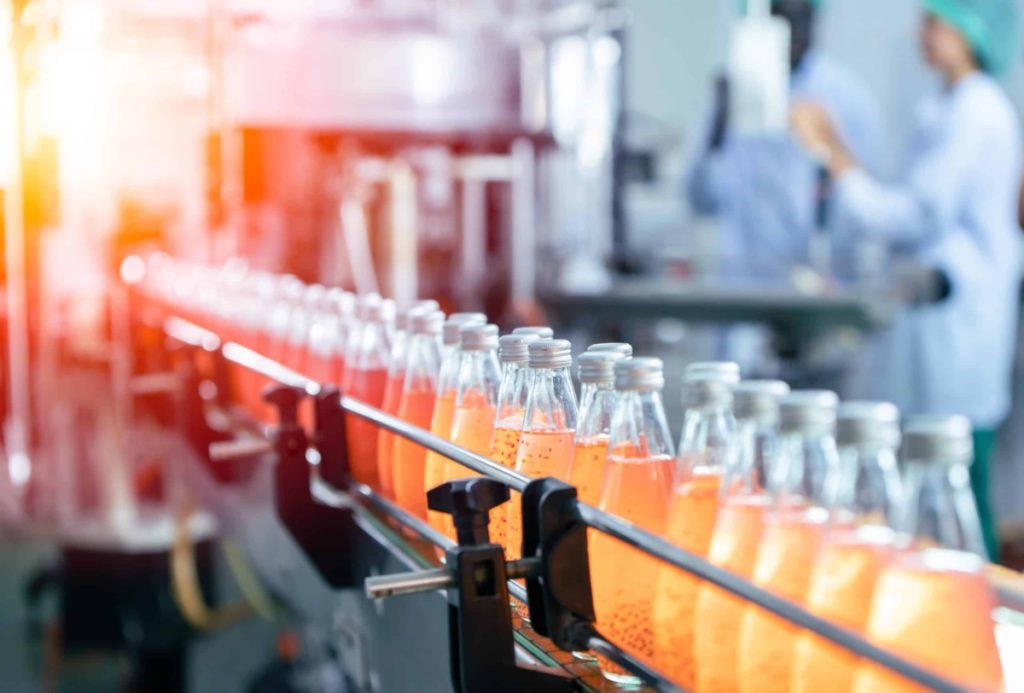
The beverage production industry relies on various chemicals to ensure the quality, safety, and consistency of the final products. These chemicals play crucial roles in processes such as pH adjustment, preservation, flavor enhancement, and carbonation. These are the top 10 chemicals used in beverage production, along with their benefits, and applications.
Top 10 Chemicals Used in Beverage Production
| 1 | Phosphoric Acid |
| 2 | Carbon Dioxide (CO2) |
| 3 | Citric Acid |
| 4 | Sodium Benzoate |
| 5 | Ascorbic Acid (Vitamin C) |
| 6 | High Fructose Corn Syrup (HFCS) |
| 7 | Potassium Sorbate |
| 8 | Sucralose |
| 9 | Malic Acid |
| 10 | Caramel Color |
Here’s a detailed look at the top 10 chemicals used in beverage production and we will discuss their benefits and applications further in this article.
1. Phosphoric Acid
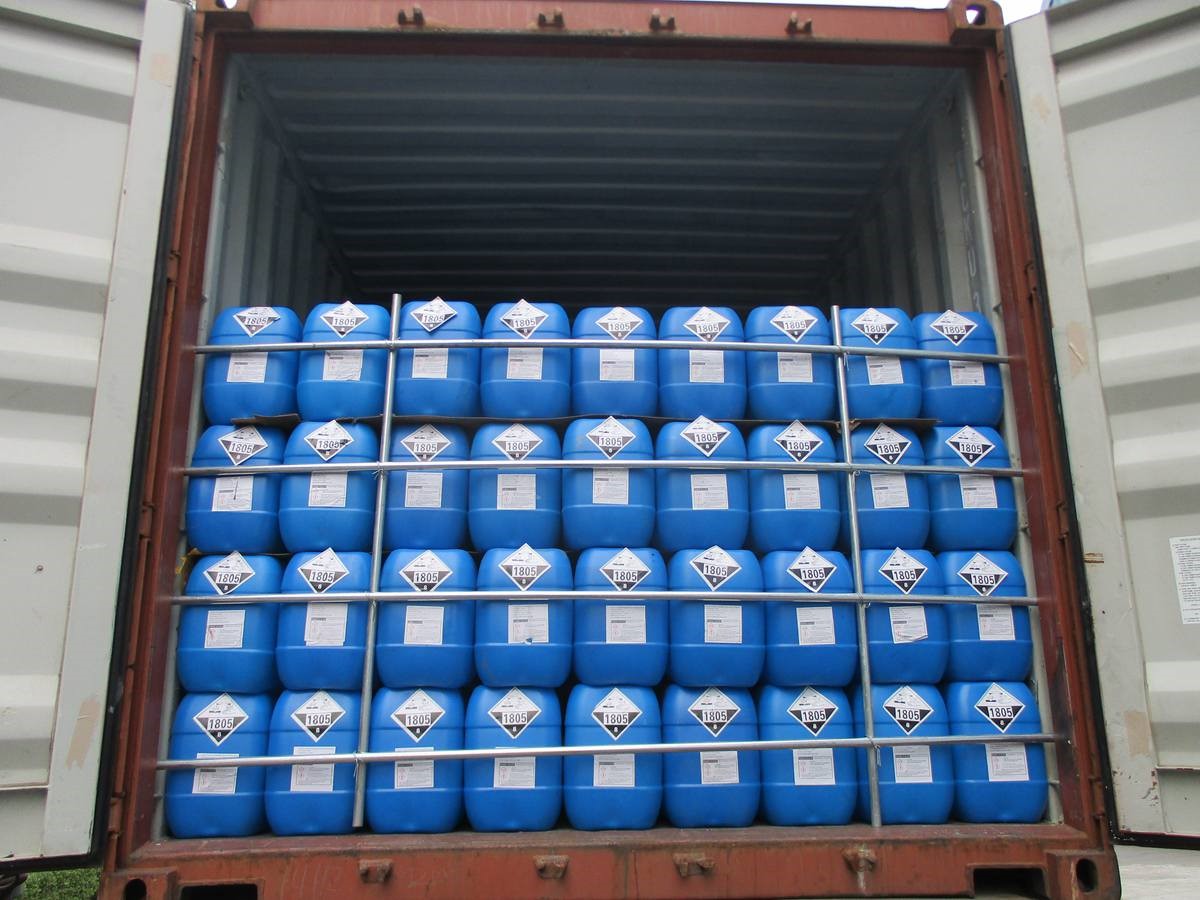
Phosphoric acid is widely used in the beverage industry, particularly in the production of carbonated soft drinks.
Benefits:
- Acidulant: It provides a tangy flavor and acts as an acidulant to balance the sweetness and enhance the taste of beverages.
- Preservation: Phosphoric acid helps in preserving the beverages by lowering the pH, which inhibits the growth of bacteria and fungi.
- Clarification: It aids in the clarification process of certain beverages, ensuring a clear and appealing product.
Applications:
- Soft Drinks: Phosphoric acid is a key ingredient in many cola drinks, providing their characteristic sharp flavor.
- Juices and Energy Drinks: It is used to adjust the acidity levels, enhancing the overall taste and stability of the beverages.
- Brewing: In brewing, phosphoric acid can be used to adjust the pH of the mash and wort, improving enzyme activity and flavor profile.
2. Carbon Dioxide (CO2)

Carbon dioxide is essential for carbonation, a process that adds fizz to beverages.
Benefits:
- Carbonation: CO2 creates the effervescence in carbonated beverages like soda, sparkling water, and beer.
- Preservation: It acts as a preservative by inhibiting the growth of spoilage organisms.
- Mouthfeel: CO2 enhances the mouthfeel and sensory experience of the beverage, making it more refreshing.
Applications:
- Soft Drinks and Sparkling Water: CO2 is injected into these beverages to produce the characteristic bubbles.
- Beer and Champagne: It is naturally produced during fermentation and is also added during packaging to maintain carbonation levels.
- Kombucha: CO2 is used in the secondary fermentation process to carbonate the final product.
3. Citric Acid
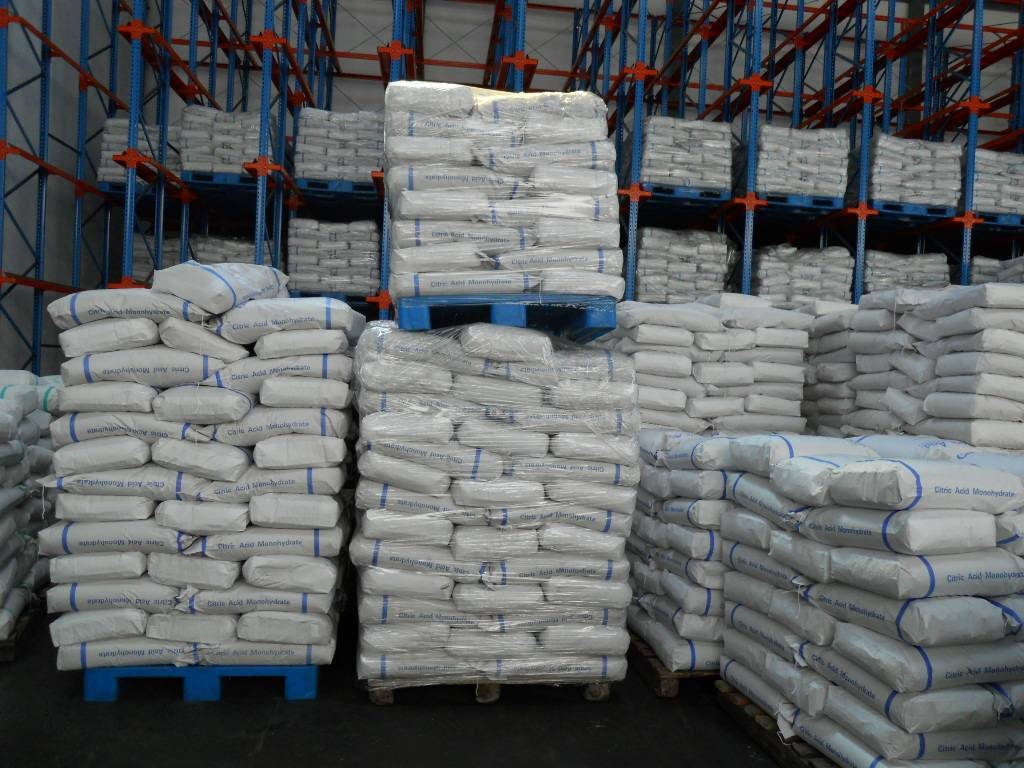
Citric acid is a natural preservative and flavoring agent commonly used in the beverage industry.
Benefits:
- Flavor Enhancement: It adds a tart, refreshing taste to beverages, balancing sweetness and enhancing overall flavor.
- Preservative: Citric acid acts as a natural preservative by lowering the pH and inhibiting microbial growth.
- pH Adjustment: It helps in adjusting the acidity levels in beverages, ensuring stability and consistency.
Applications:
- Fruit Juices and Soft Drinks: Citric acid is used to enhance the natural fruit flavors and improve the shelf life.
- Energy Drinks and Sports Drinks: It balances the sweetness and provides a tangy taste.
- Tea and Coffee Beverages: Citric acid is added to ready-to-drink tea and coffee to improve flavor and stability.
4. Sodium Benzoate

Sodium benzoate is a preservative that prevents the growth of bacteria, yeast, and fungi in beverages.
Benefits:
- Preservation: It extends the shelf life of beverages by preventing microbial spoilage.
- Safety: Sodium benzoate is approved by regulatory agencies for use in food and beverages at specified levels.
- Stability: It ensures that the beverage maintains its quality, taste, and appearance over time.
Applications:
- Carbonated Beverages: Used to preserve sodas and other fizzy drinks.
- Juices and Fruit Drinks: Sodium benzoate helps in preserving the freshness and preventing spoilage.
- Bottled Teas and Flavored Waters: It is added to prevent microbial growth and ensure product safety.
5. Ascorbic Acid (Vitamin C)
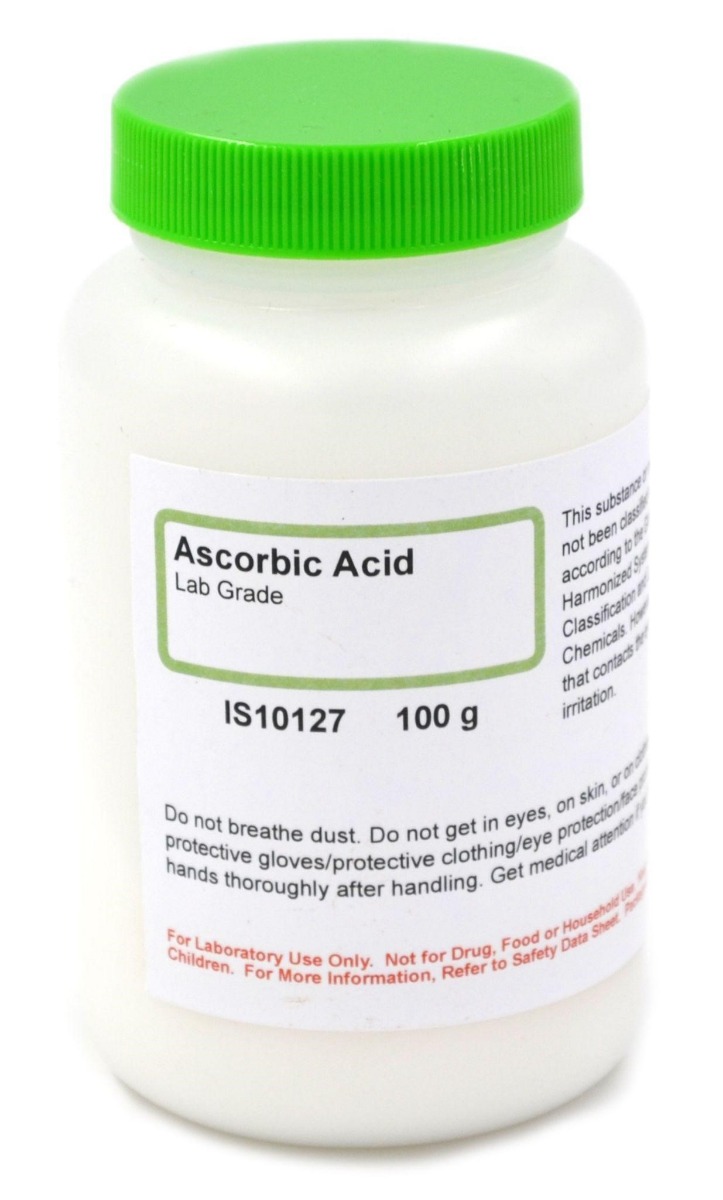
Ascorbic acid is used as an antioxidant and a vitamin supplement in beverages.
Benefits:
- Antioxidant: It prevents oxidation, preserving the color, flavor, and nutritional quality of beverages.
- Nutritional Supplement: As a source of vitamin C, it enhances the nutritional value of the beverages.
- Preservation: Ascorbic acid helps in extending the shelf life by inhibiting microbial growth.
Applications:
- Fruit Juices and Smoothies: It is added to enhance the vitamin C content and prevent oxidation.
- Energy Drinks and Fortified Beverages: Ascorbic acid is used to boost the nutritional profile.
- Ready-to-Drink Teas and Coffees: It helps in maintaining the quality and freshness of these beverages.
6. High Fructose Corn Syrup (HFCS)

HFCS is a sweetener commonly used in the beverage industry to sweeten drinks and enhance their flavor.
Benefits:
- Sweetening: It provides a cost-effective and consistent source of sweetness.
- Flavor Enhancement: HFCS enhances the overall flavor profile of beverages.
- Solubility: It is highly soluble, making it easy to blend into beverages.
Applications:
- Soft Drinks and Sodas: HFCS is widely used as a primary sweetener in these beverages.
- Fruit Drinks and Punches: It sweetens and balances the flavors.
- Energy Drinks and Sports Beverages: HFCS is added for its sweetening properties and quick energy source.
7. Potassium Sorbate
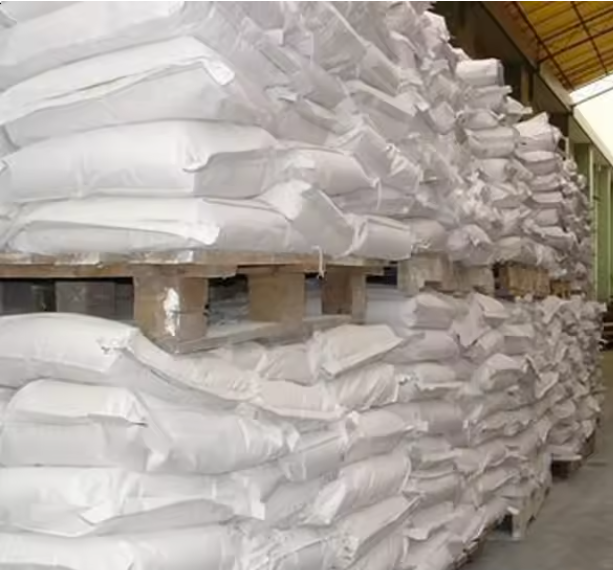
Potassium sorbate is a preservative used to inhibit the growth of mold, yeast, and bacteria in beverages.
Benefits:
- Preservation: It extends the shelf life by preventing microbial growth.
- Safety: Potassium sorbate is recognized as safe for use in food and beverages by regulatory agencies.
- Stability: It helps in maintaining the quality and freshness of beverages over time.
Applications:
- Wine and Cider: Potassium sorbate is used to prevent fermentation in bottled products.
- Juices and Fruit Drinks: It helps in preserving the freshness and extending the shelf life.
- Dairy-Based Beverages: Used to prevent spoilage in products like yogurt drinks and smoothies.
8. Sucralose

Sucralose is a non-caloric artificial sweetener used to provide sweetness without adding calories.
Benefits:
- Calorie-Free Sweetening: It provides sweetness without contributing to the caloric content, making it suitable for diet and low-calorie beverages.
- Heat Stability: Sucralose remains stable under high temperatures, making it suitable for pasteurized beverages.
- Taste: It has a clean, sweet taste with no aftertaste, closely mimicking the taste of sugar.
Applications:
- Diet Sodas and Soft Drinks: Sucralose is used to sweeten diet versions of popular soft drinks.
- Flavored Waters and Teas: It provides sweetness without the calories in flavored water and tea beverages.
- Sports Drinks and Energy Drinks: Sucralose is added to reduce the calorie content while maintaining sweetness.
9. Malic Acid
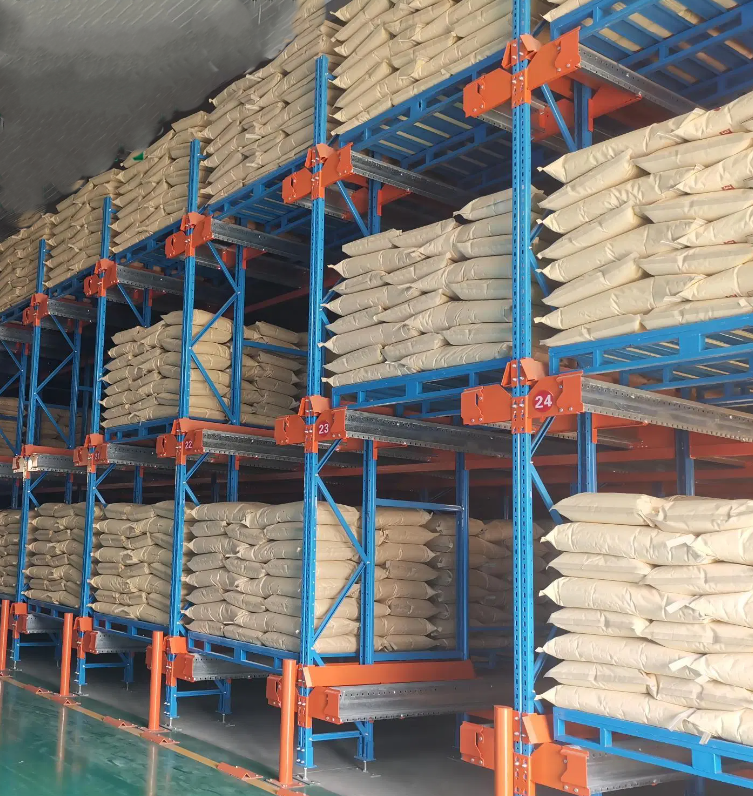
Malic acid is a natural acidulant used to enhance flavor and improve the taste profile of beverages.
Benefits:
- Flavor Enhancement: It provides a tart, refreshing taste that enhances the overall flavor of beverages.
- Stability: Malic acid helps in stabilizing the pH of beverages, ensuring consistent taste and quality.
- Synergy: It works synergistically with other acids and sweeteners to create a balanced flavor profile.
Applications:
- Fruit Juices and Drinks: Malic acid enhances the natural fruit flavors and provides a tartness that balances sweetness.
- Carbonated Beverages: It is used to improve the taste profile of sodas and fizzy drinks.
- Energy and Sports Drinks: Malic acid adds a refreshing tartness, improving the overall flavor experience.
10. Caramel Color
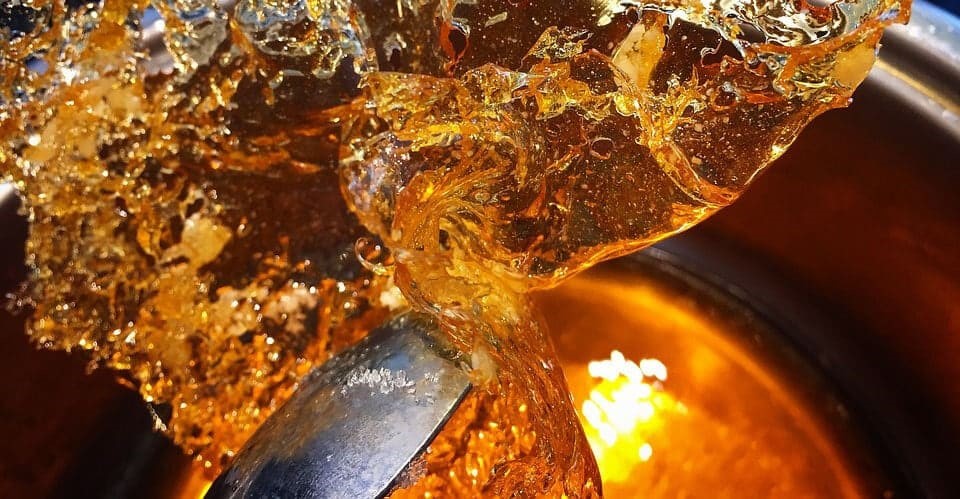
Caramel color is used to impart a brown hue to beverages, enhancing their appearance.
Benefits:
- Color Enhancement: Provides a rich brown color, making beverages more visually appealing.
- Consistency: Ensures uniform color in different batches of production.
Applications:
- Cola Beverages: The primary coloring agent in cola drinks.
- Malt Beverages: Used to give a characteristic color to non-alcoholic malt beverages.
Conclusion - Top 10 Chemicals Used in Beverage Production

The use of chemicals in beverage production is integral to ensuring the quality, safety, and palatability of the final product. Each chemical plays a specific role, whether it is for carbonation, flavor enhancement, preservation, or sweetening.
Understanding the benefits and applications of these chemicals allows manufacturers to optimize their formulations, meet consumer preferences, and comply with regulatory standards. The right combination of these chemicals not only enhances the sensory experience of beverages but also ensures that they are safe and enjoyable for consumers.
How can we help you with your chemical requirements?
✅ Are you a company of 11 - 50 people?
✅ Do you use more than 1000 tons of industrial chemicals per year?
✅ Do you spend too much time finding the right chemical manufacturers?
✅ Are you unsure each time whether you will get the right grade of chemical?
If your answer is YES, Reduce Your Chemical Sourcing Headaches, Contact Us Now for a FREE Consultation and Samples Offer
✅Camachem: Quality Chemicals. Every Single Time✅
-
How We Helped our Customer Stop Losses with the Right Chemicals | Camachem Case Study
 July 27, 2026
 -
What is the Difference Between Caustic Soda Pearls and Caustic Soda Flakes? (2026 Update)
 July 26, 2026
 -
5 Differences You Need To Know About Bleach And Chlorine
 July 24, 2026
 -
Top 10 Chemicals Used in Cleaning and Sanitation
 July 23, 2026
 -
Sodium Bicarbonate vs Sodium Carbonate
 July 22, 2026