
 Arabic
 English
 French
 Indonesia
 Portuguese
 Russian
 Vietnamese
 +86-157-2476-6919
Top 10 Chemicals Used in Ceramics Manufacturing
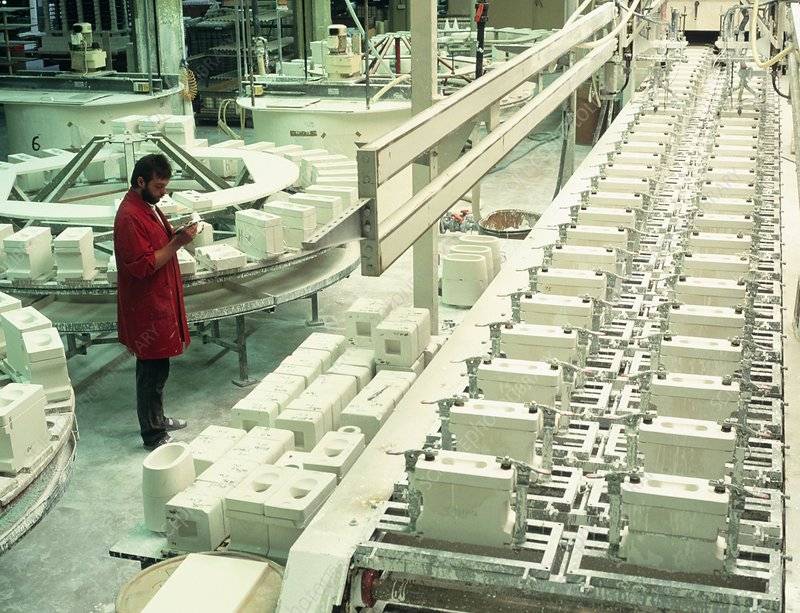
Ceramics manufacturing relies on various compound chemicals to achieve desired properties such as durability, strength, and thermal resistance.
Here are the top 10 compound chemicals commonly used in ceramics manufacturing, along with expanded benefits and applications.
Top 10 Chemicals Used in Ceramics Manufacturing
- Alumina (Al2O3)
- Silicon Carbide (SiC)
- Zirconia (ZrO2)
- Kaolin (Al2Si2O5(OH)4)
- Barium Carbonate (BaCO3)
- Lithium Carbonate (Li2CO3)
- Potassium Feldspar (KAlSi3O8)
- Talc (Mg3Si4O10(OH)2)
- Bentonite (Al2H2Na2O13Si4)
- Wollastonite (CaSiO3)
1. Alumina (Al2O3)
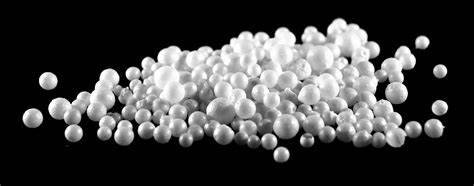
Benefits:
- High Hardness: Alumina is known for its exceptional hardness, which makes ceramics highly resistant to wear and abrasion. This is essential for applications where durability is crucial.
- Thermal Stability: Alumina provides excellent thermal stability, allowing ceramics to withstand high temperatures without degrading. This property is vital for high-temperature applications such as furnace linings and kilns.
- Electrical Insulation: Alumina's excellent electrical insulation properties make it suitable for electrical and electronic applications.
Applications:
- Refractory Materials: Alumina is used in refractory ceramics that line furnaces, kilns, and other high-temperature industrial equipment. Its thermal stability and resistance to wear ensure long-lasting performance.
- Electrical Insulators: Utilized in electrical insulators, alumina ensures the safe operation of electrical systems by preventing unwanted current flow.
- Wear-Resistant Components: Used in the manufacturing of wear-resistant components such as cutting tools and abrasives, alumina's hardness and durability extend the lifespan of these products.
2. Silicon Carbide (SiC)
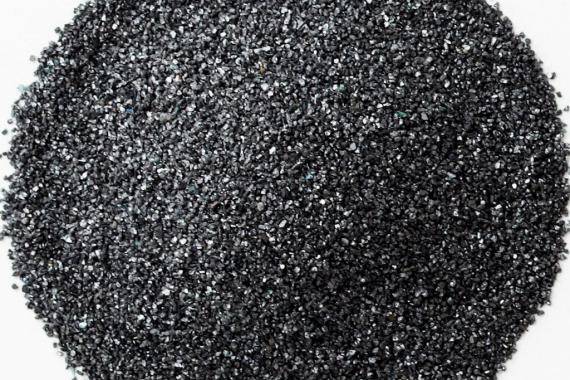
Benefits:
- Extreme Hardness: Silicon carbide is one of the hardest materials available, providing excellent wear resistance. This property is crucial for applications that involve constant friction and abrasion.
- High Thermal Conductivity: SiC offers high thermal conductivity, allowing it to efficiently dissipate heat. This makes it ideal for thermal management applications.
- Chemical Inertness: SiC is chemically inert, meaning it does not react with most chemicals. This makes it suitable for use in harsh chemical environments.
Applications:
- Grinding Wheels: Silicon carbide is used in the production of grinding wheels due to its hardness and wear resistance. These wheels are essential for machining and finishing metals and other materials.
- Heat Exchangers: SiC is used in heat exchangers due to its high thermal conductivity and ability to withstand high temperatures. It ensures efficient heat transfer in industrial processes.
- Kiln Furniture: Utilized in the production of kiln furniture, SiC's thermal stability and chemical resistance make it ideal for supporting ceramics during firing.
3. Zirconia (ZrO2)
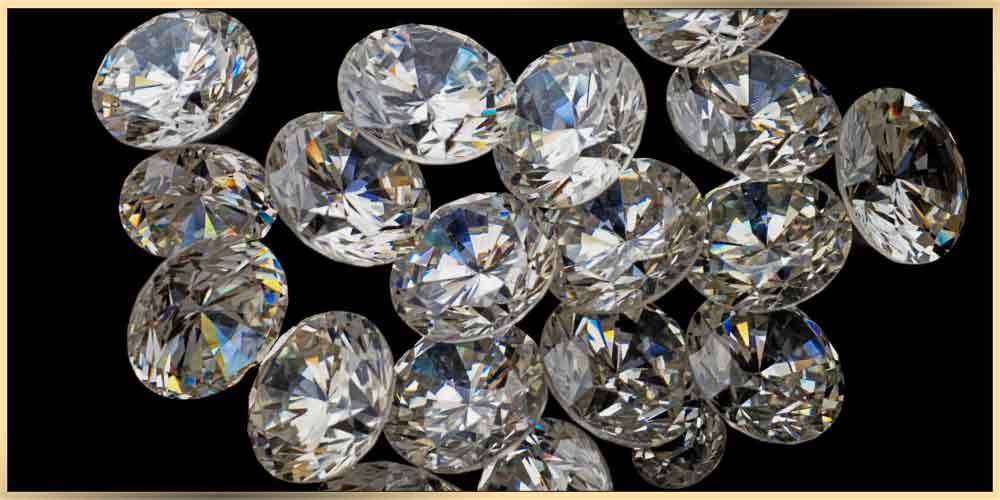
Benefits:
- High Fracture Toughness: Zirconia has high fracture toughness, making it resistant to cracking and chipping. This is essential for applications that require mechanical strength.
- Thermal Insulation: Zirconia provides excellent thermal insulation, making it suitable for high-temperature applications.
- Biocompatibility: Zirconia is biocompatible, meaning it does not cause adverse reactions when used in medical applications.
Applications:
- Dental Ceramics: Zirconia is widely used in dental ceramics for crowns and bridges due to its strength, durability, and biocompatibility. It ensures long-lasting and aesthetically pleasing dental restorations.
- Thermal Barrier Coatings: Used in thermal barrier coatings for jet engines and gas turbines, zirconia's thermal insulation properties protect components from extreme temperatures.
- Cutting Tools: Utilized in cutting tools, zirconia's hardness and toughness provide excellent performance and durability in machining applications.
4. Kaolin (Al2Si2O5(OH)4)
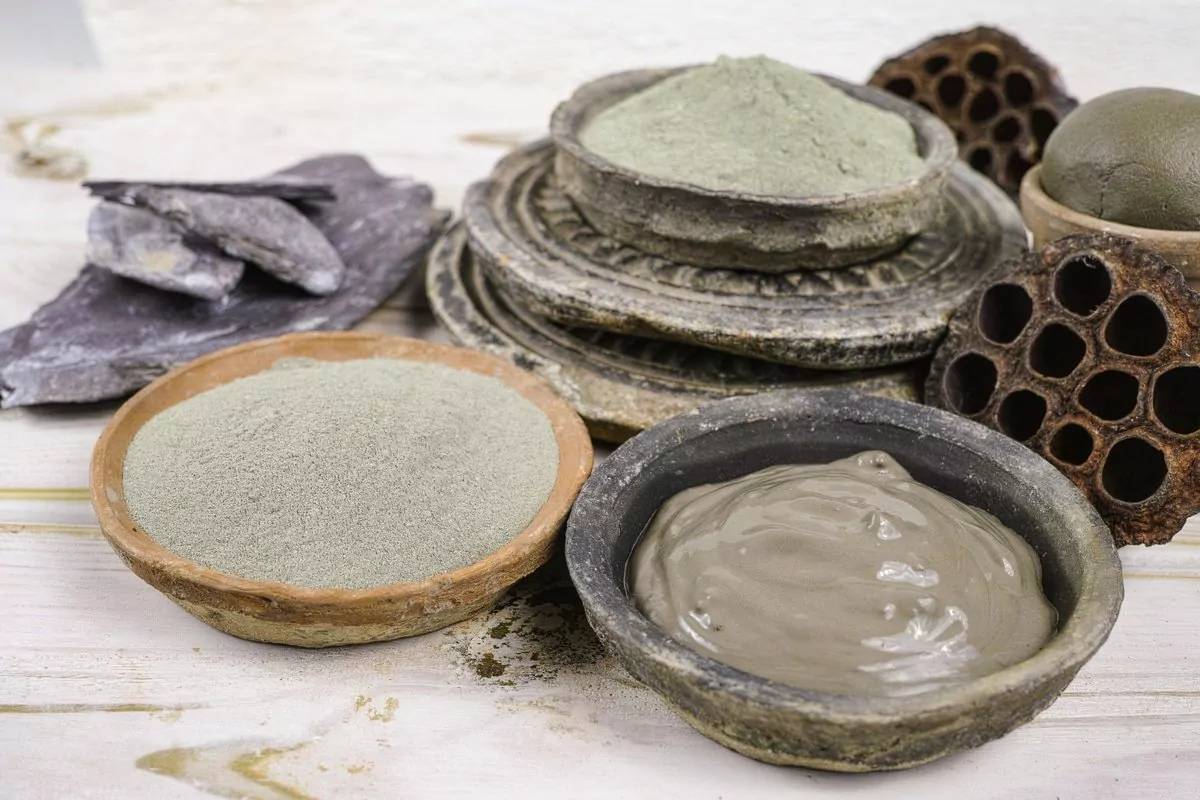
Benefits:
- Plasticity: Kaolin has excellent plasticity, making it easy to shape and mold during the ceramics manufacturing process.
- Whiteness: Kaolin imparts whiteness to ceramics, which is desirable for aesthetic and functional purposes.
- Refractoriness: Kaolin provides good refractory properties, making it suitable for high-temperature applications.
Applications:
- Porcelain: Kaolin is a key ingredient in the production of porcelain, providing the necessary plasticity and whiteness for high-quality ceramics.
- Paper Coating: Used in the paper industry, kaolin improves the brightness and smoothness of paper surfaces.
- Refractory Bricks: Utilized in refractory bricks, kaolin ensures durability and thermal resistance in high-temperature environments.
5. Barium Carbonate (BaCO3)
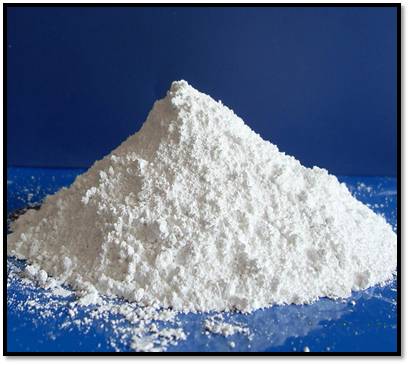
Benefits:
- Fluxing Agent: Barium carbonate acts as a fluxing agent in ceramics, helping to lower the melting temperature and improve the density and strength of the final product.
- Colorant: It reacts with certain oxides to produce unique colors, enhancing the aesthetic appeal of ceramics.
- Purity Improvement: Barium carbonate helps in removing impurities from the clay, improving the overall quality of the ceramics.
Applications:
- Glazes: Barium carbonate is widely used in ceramic glazes to enhance the finish and provide unique colors. It ensures a smooth and durable surface on ceramic products.
- Tile Production: Utilized in the production of ceramic tiles, barium carbonate improves the density and strength of the tiles, making them suitable for various applications.
- Brick Manufacturing: Used in the production of bricks, barium carbonate helps in achieving uniformity and durability in brick materials.
6. Lithium Carbonate (Li2CO3)
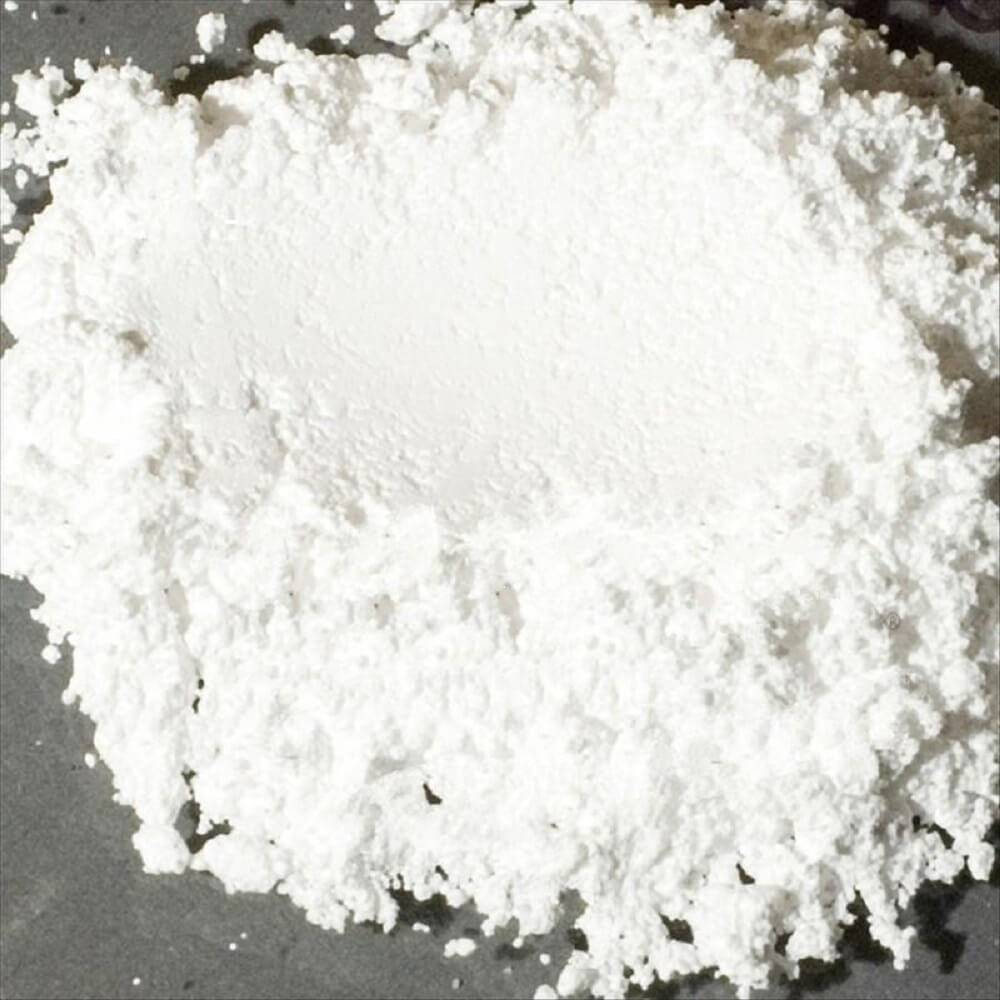
Benefits:
- Thermal Shock Resistance: Lithium carbonate enhances the thermal shock resistance of ceramics, preventing cracking and breaking during rapid temperature changes.
- Glaze Modification: It helps in modifying glazes to achieve smooth surfaces and vibrant colors.
- Electrical Properties: Lithium carbonate improves the electrical properties of ceramics, making them suitable for electronic applications.
Applications:
- Ceramic Glazes: Lithium carbonate is used in ceramic glazes to improve their thermal and mechanical properties. It ensures smooth and vibrant finishes on ceramic surfaces.
- Battery Ceramics: Utilized in the production of ceramics for lithium-ion batteries, lithium carbonate enhances the performance and stability of the batteries.
- Glass-Ceramics: Used in glass-ceramics, lithium carbonate provides thermal stability and improves the electrical properties of the material.
7. Potassium Feldspar (KAlSi3O8)
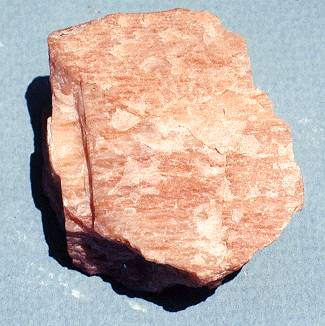
Benefits:
- Fluxing Agent: Potassium feldspar acts as a fluxing agent, reducing the melting temperature of ceramics and improving their strength and durability.
- Alkali Content: It provides the necessary alkali content to the ceramic body, enhancing its vitrification.
- Improved Texture: Potassium feldspar improves the texture and finish of ceramic products.
Applications:
- Ceramic Tiles: Potassium feldspar is used in the production of ceramic tiles, providing the necessary fluxing properties to achieve strong and durable tiles.
- Sanitary Ware: Utilized in the manufacturing of sanitary ware, potassium feldspar ensures smooth and high-quality surfaces in products such as sinks and toilets.
- Porcelain: Used in porcelain production, potassium feldspar enhances the vitrification process, resulting in high-quality and durable porcelain items.
8. Talc (Mg3Si4O10(OH)2)
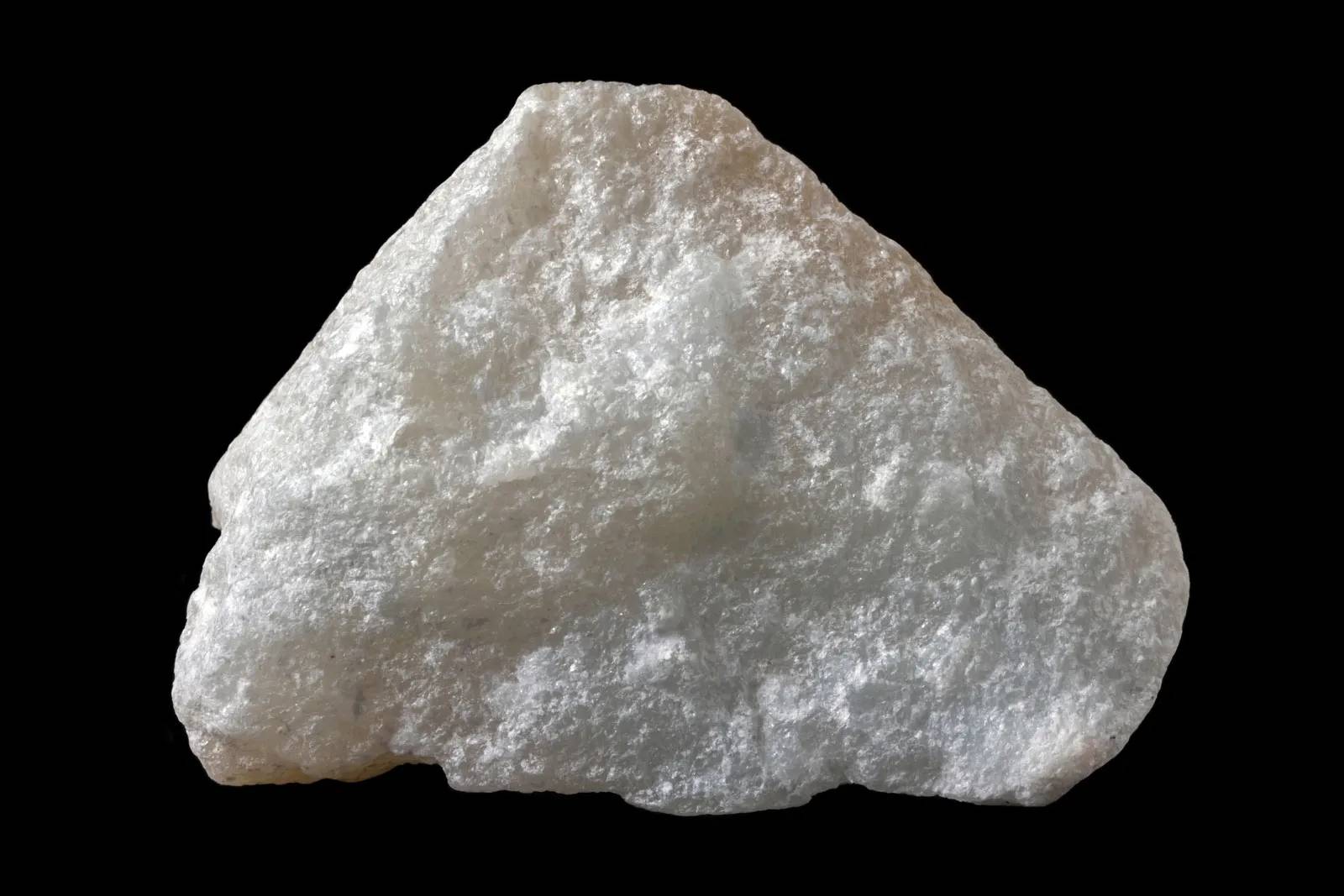
Benefits:
- Lubricating Properties: Talc has natural lubricating properties, making it easy to shape and mold ceramics during manufacturing.
- Thermal Resistance: Talc provides excellent thermal resistance, making ceramics suitable for high-temperature applications.
- Chemical Inertness: Talc is chemically inert, ensuring the stability and durability of ceramic products.
Applications:
- Ceramic Tiles: Talc is used in the production of ceramic tiles, enhancing their thermal resistance and durability.
- Paints and Coatings: Utilized in paints and coatings, talc improves the smoothness and durability of the coatings.
- Refractory Products: Used in refractory products, talc ensures the stability and performance of ceramics in high-temperature environments.
9. Bentonite (Al2H2Na2O13Si4)
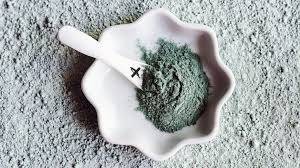
Benefits:
- Binding Properties: Bentonite has excellent binding properties, making it suitable for use as a binder in ceramics manufacturing.
- Plasticity: It provides high plasticity, making it easy to shape and mold ceramics.
- Thermal Stability: Bentonite offers good thermal stability, ensuring the durability of ceramics under high-temperature conditions.
Applications:
- Drilling Muds: Bentonite is used in drilling muds for oil and gas exploration, providing the necessary viscosity and stability.
- Iron Ore Pellets: Utilized as a binder in the production of iron ore pellets, bentonite ensures the strength and durability of the pellets.
- Ceramic Tiles: Used in ceramic tiles, bentonite improves the binding and plasticity of the tiles, ensuring high-quality and durable products.
10. Wollastonite (CaSiO3)
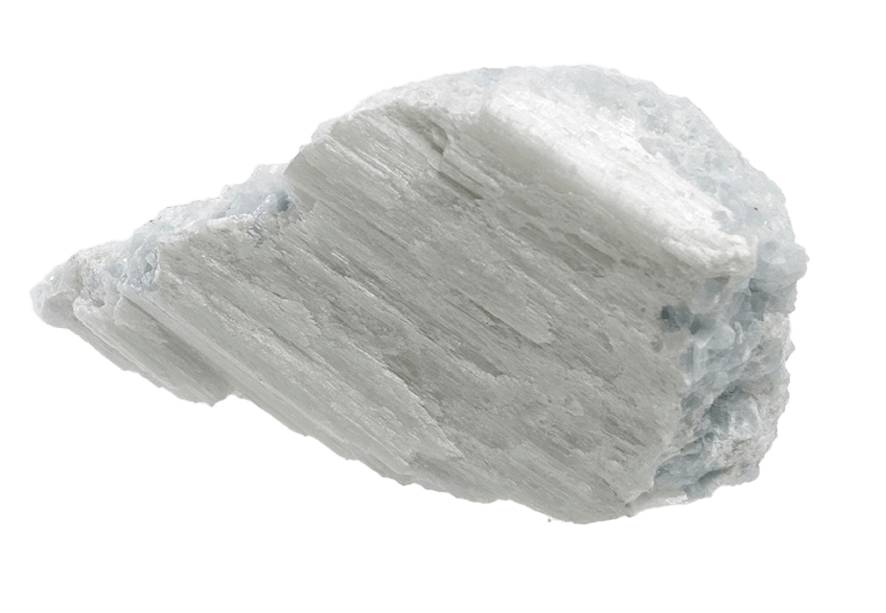
Benefits:
- Reinforcement: Wollastonite acts as a reinforcing agent in ceramics, improving their mechanical strength and durability. This reinforcement is essential for applications that require high performance and longevity.
- Thermal Stability: Wollastonite provides excellent thermal stability, allowing ceramics to withstand high temperatures without deforming or breaking.
- Low Shrinkage: It helps in reducing shrinkage during the firing process, ensuring dimensional stability and reducing defects in the final product.
Applications:
- Ceramic Tiles: Wollastonite is used in the production of ceramic tiles to enhance their strength, durability, and thermal stability. This makes the tiles suitable for high-traffic areas and harsh environments.
- Sanitary Ware: Utilized in the manufacturing of sanitary ware such as toilets and sinks, wollastonite ensures that these products are durable, strong, and resistant to thermal stress.
- Architectural Ceramics: Used in architectural ceramics, wollastonite provides the necessary mechanical and thermal properties for building materials that are exposed to extreme conditions.
Conclusion - Top 10 Chemicals in Ceramics
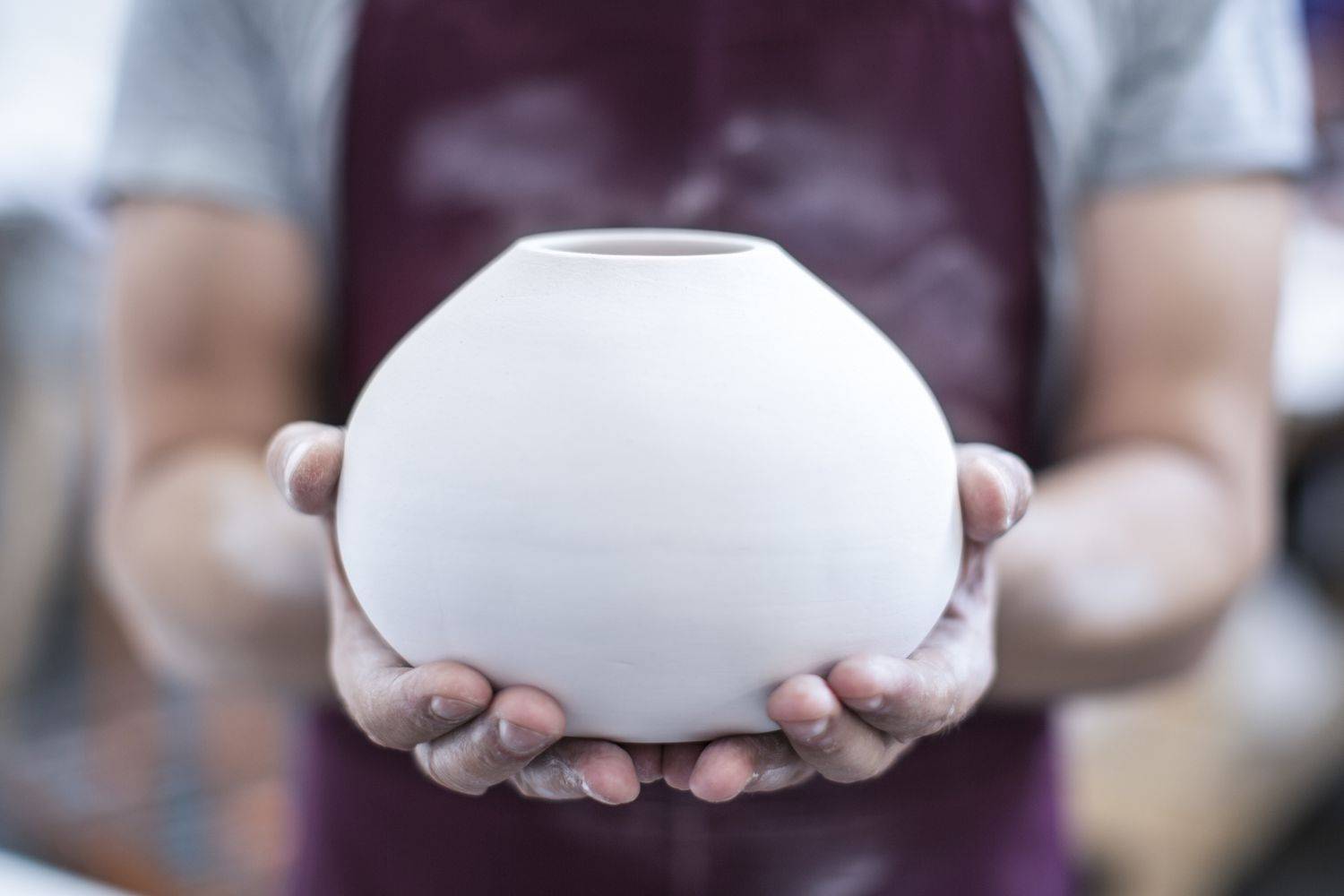
The effective use of these compound chemicals ensures the production of high-quality ceramics with desired properties such as durability, strength, and thermal resistance. By employing the right chemicals and processes, the ceramics industry can meet the diverse needs of consumers and maintain high standards of product performance and safety. The continuous innovation and optimization of these chemicals play a crucial role in advancing ceramics technology and expanding its applications across various industries.
How can we help you with your chemical requirements?
✅ Are you a company of 11 - 50 people?
✅ Do you use more than 1000 tons of industrial chemicals per year?
✅ Do you spend too much time finding the right chemical manufacturers?
✅ Are you unsure each time whether you will get the right grade of chemical?
If your answer is YES, Reduce Your Chemical Sourcing Headaches, Contact Us Now for a FREE Consultation and Samples Offer
✅Camachem: Quality Chemicals. Every Single Time✅
-
What is the Difference Between Caustic Soda Pearls and Caustic Soda Flakes? (2026 Update)
June 8, 2026
-
Top 10 Caustic Soda Suppliers in Australia [2026]
 June 8, 2026
 -
Frequently Asked Question about Phosphoric Acid
June 8, 2026
-
Zinc Chloride: 5 Hazards and Safety Measures You Need To Know
June 4, 2026
-
10 Things I Need To Know About Zinc Chloride (2026 Update)
June 4, 2026