
 Arabic
 English
 French
 Indonesia
 Portuguese
 Russian
 Vietnamese
 +86-157-2476-6919
Top 10 Chemicals Used In Paper & Pulp Industry

The paper and pulp industry is one of the largest and most critical sectors in the global economy, providing essential products for daily life, including newspapers, packaging materials, tissue products, and office supplies. At the heart of this industry lies a complex interplay of chemical processes that transform raw wood into the versatile material we known as paper. This blog delves into the top 10 chemicals used in the paper and pulp industry, exploring their roles, benefits and applications.
Top 10 Chemicals Used in Paper & Pulp Industry:
- Sodium Hydroxide
- Sodium Sulfate
- Chlorine Dioxide
- Hydrogen Peroxide
- Sulfuric Acid
- Calcium Carbonate
- Sodium Carbonate
- Aluminum Sulfate
- Polyacrylamide
- Sodium Hypochlorite
Here’s a more detailed look at the top 10 chemicals that manufacturer companies use in the processing of paper and pulp.
1) Sodium Hydroxide
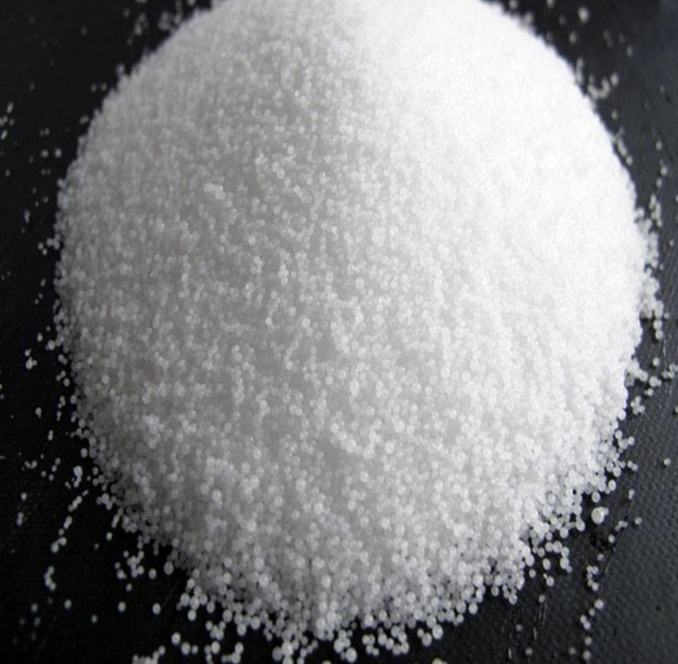
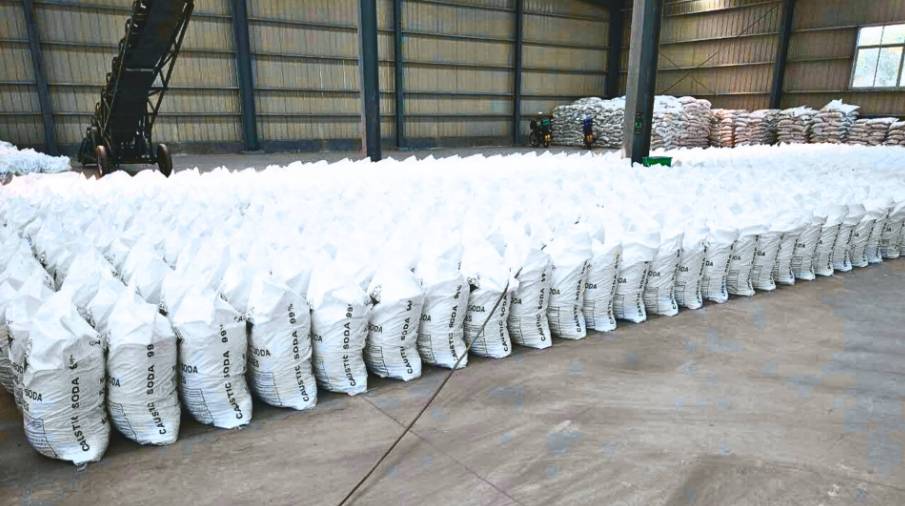
Sodium hydroxide, commonly known as caustic soda, is a cornerstone in the paper and pulp industry, particularly in the kraft process. Its primary function is to separate lignin from cellulose fibers. Lignin is a complex organic polymer that binds the fibers in wood, and its removal is crucial for producing high-quality paper.
In the kraft process, wood chips are cooked in a solution of sodium hydroxide and sodium sulfide. This breaks down the lignin, freeing the cellulose fibers and creating pulp. The resulting "black liquor" contains the dissolved lignin and spent chemicals, which are then recovered and recycled.
Benefits:
- Efficient Lignin Removal: Highly effective at breaking down lignin, which binds cellulose fibers in wood.
- Versatile: Can be used in various stages of the pulping process.
- Regenerable: Part of the chemical recovery process in the kraft method.
Applications:
- Kraft Pulping: Used to cook wood chips, separating lignin from cellulose fibers.
- Chemical Processing: Utilized in various chemical treatments within the paper production cycle.
2) Sodium Sulfate

Sodium sulfate is another essential chemical in the kraft process. It serves as a cooking chemical that helps break down wood chips into pulp. When combined with sodium hydroxide, sodium sulfate aids in the delignification process, facilitating the separation of fibers.
Benefits:
- Assists in Delignification: Helps in the chemical breakdown of wood chips.
- Recyclable: Plays a role in the chemical recovery process, enhancing sustainability.
Applications:
- Kraft Pulping: Combined with sodium hydroxide to facilitate the pulping process.
- Chemical Recovery: Integral in regenerating cooking chemicals within the kraft cycle.
3) Chlorine Dioxide

Chlorine dioxide is widely used as a bleaching agent in the paper and pulp industry. Its primary function is to whiten the pulp by breaking down residual lignin that has not been removed during the pulping process.
Benefits:
- Effective Bleaching: Efficiently whitens pulp by breaking down lignin.
- Environmentally Friendly: Produces fewer harmful by-products compared to elemental chlorine.
Applications:
- Bleaching: Used in various stages of the bleaching process to achieve high levels of pulp whiteness.
4) Hydrogen Peroxide

Hydrogen peroxide is another key bleaching agent used in the paper and pulp industry. Its strong oxidative properties make it effective in breaking down lignin and other color-causing impurities in pulp. In mechanical pulping, it helps brighten the pulp without significantly weakening the fibers. In chemical pulping, it serves as a final bleaching stage to enhance the whiteness of the pulp.
Benefits:
- Strong Oxidizing Agent: Efficiently removes color-causing impurities.
- Eco-Friendly: Decomposes into water and oxygen, leaving no harmful residues.
Applications:
- Bleaching: Used in both mechanical and chemical pulping processes to enhance pulp brightness.
- Deinking: Utilized in recycling processes to remove ink from paper fibers.
5) Sulfuric Acid
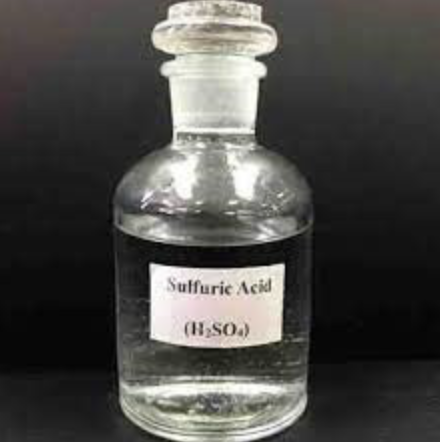
Sulfuric acid is a versatile chemical used in various stages of paper production. Its primary functions include pH adjustment and cleaning of equipment. Sulfuric acid is often used to lower the pH of the pulp slurry, enhancing the effectiveness of retention aids and sizing agents.
Benefits:
- pH Control: Effective at adjusting the pH levels in various stages of production.
- Cleaning Agent: Efficiently removes mineral deposits from equipment.
Applications:
- pH Adjustment: Used to maintain optimal pH levels during the pulping and papermaking processes.
- Equipment Maintenance: Applied to clean and descale machinery, enhancing efficiency and lifespan.
6) Calcium Carbonate

Calcium carbonate is a widely used filler in the paper industry. It is added to the paper to improve brightness, opacity, and smoothness, as well as to reduce the overall cost of production.
Adding calcium carbonate to the paper improves its printability and surface finish. It also helps to reduce the amount of wood fiber needed, making the production process more cost-effective. Additionally, calcium carbonate can enhance the paper's resistance to aging and yellowing.
Benefits:
- Improves Paper Quality: Enhances brightness, opacity, and smoothness of paper.
- Cost-Effective: Reduces the amount of wood fiber needed, lowering production costs.
Applications:
- Filler: Added to paper to improve quality and reduce costs.
- Coating: Used in coatings to enhance the surface properties of paper products.
7) Sodium Carbonate

Sodium carbonate, also known as soda ash, plays a crucial role in the kraft process. It is used to regenerate cooking chemicals and maintain the correct pH in the pulping liquor. In the chemical recovery cycle, sodium carbonate is converted to sodium hydroxide through the causticizing process. This regenerated sodium hydroxide is then reused in the cooking liquor, reducing the need for fresh chemicals and enhancing the sustainability of the process.
Sodium carbonate is also used to control the pH of the pulp slurry, ensuring optimal conditions for the pulping and bleaching processes. Proper pH control is essential for achieving high-quality pulp and minimizing the formation of undesirable by-products.
Benefits:
- Chemical Recovery: Aids in regenerating cooking chemicals, enhancing sustainability.
- pH Control: Maintains the correct pH levels during the pulping process.
Applications:
- Kraft Pulping: Used in the chemical recovery cycle to regenerate sodium hydroxide.
- pH Adjustment: Applied to control the pH of the pulp slurry.
8) Aluminum Sulfate
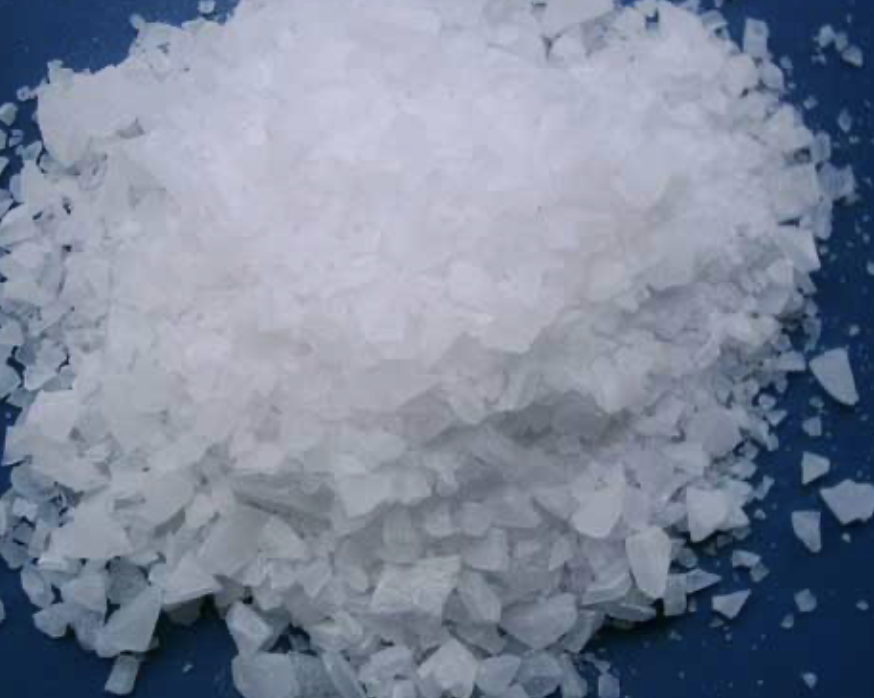
Aluminum sulfate, commonly known as alum, is used as a sizing agent in paper making. Its primary function is to improve the paper's resistance to water and enhance its printability. Aluminum sulfate also acts as a retention aid, helping to bind fine particles and fillers to the paper fibers. This improves the efficiency of the paper-making process and enhances the quality of the final product.
Benefits:
- Improves Printability: Enhances the paper's resistance to water and ink absorption.
- Retention Aid: Helps retain fine particles and fillers within the paper matrix.
Applications:
- Sizing Agent: Used to reduce the paper’s absorbency, making it more suitable for printing.
- Retention Aid: Enhances the retention of fillers and fine fibers during papermaking.
9) Polyacrylamide

Polyacrylamide is a synthetic polymer used as a retention aid in the paper and pulp industry. Its primary function is to improve the retention of fine fibers and fillers during the paper-making process.
Polyacrylamide is also valued for its low environmental impact. It is effective at low concentrations and can significantly reduce the amount of waste generated during paper production. Additionally, advancements in polymer technology have led to the development of biodegradable and eco-friendly variants of polyacrylamide.
Benefits:
- Enhances Retention: Improves the retention of fine fibers and fillers, increasing yield.
- Eco-Friendly: Effective at low concentrations, minimizing environmental impact.
Applications:
- Retention Aid: Used to trap fine particles and fillers in the paper matrix, improving quality and efficiency.
- Flocculant: Applied in wastewater treatment processes to remove suspended solids.
10) Sodium Hypochlorite
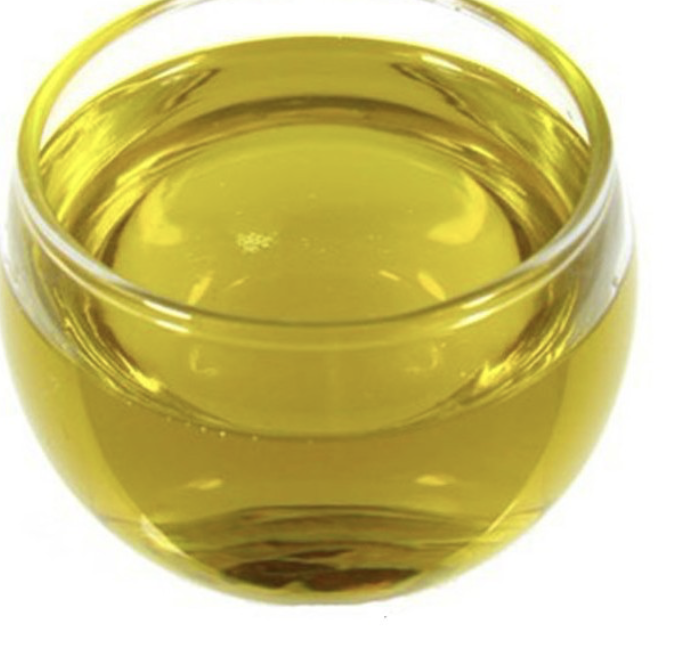
Sodium hypochlorite is a bleaching agent sometimes used in the paper and pulp industry. Its primary function is to help achieve the desired whiteness in the pulp. Sodium hypochlorite is used to oxidize and break down residual lignin and other color-causing impurities in the pulp. While it is effective at brightening the pulp, its use has declined in recent years due to environmental concerns.
Sodium hypochlorite can produce chlorinated organic compounds, which are harmful to the environment. As a result, many mills have shifted towards more environmentally friendly bleaching agents, such as chlorine dioxide and hydrogen peroxide.
However, sodium hypochlorite is still used in some applications where its benefits outweigh the potential environmental impact.
Benefits:
- Effective Bleaching Agent: Oxidizes and breaks down lignin, improving pulp whiteness.
- Cost-Effective: An economical choice for certain bleaching applications.
Applications:
- Bleaching: Sometimes used in the bleaching sequence to achieve desired pulp whiteness.
- Disinfection: Used in cleaning and disinfection processes within the mill.
Conclusion: Top 10 Chemicals Used in Paper & Pulp

The paper and pulp industry relies on these chemicals mostly to transform raw wood into high-quality paper products. Each chemical plays a specific role in the pulping, bleaching, and finishing processes, contributing to the efficiency and sustainability of the production process.
These top 10 chemicals play vital roles in the paper and pulp industry, each contributing to the efficiency, quality, and sustainability of the production process. From pulping and bleaching to enhancing paper properties and maintaining equipment, these chemicals are integral to transforming raw wood into the versatile paper products that are essential in our daily lives.
As the industry continues to advance, the focus on sustainable practices and environmentally friendly alternatives will drive further innovation and improvement in the use of these chemicals.
How can we help you with your chemical requirements?
✅ Are you a company of 11 - 50 people?
✅ Do you use more than 1000 tons of industrial chemicals per year?
✅ Do you spend too much time finding the right chemical manufacturers?
✅ Are you unsure each time whether you will get the right grade of chemical?
If your answer is YES, Reduce Your Chemical Sourcing Headaches, Contact Us Now for a FREE Consultation and Samples Offer
✅Camachem: Quality Chemicals. Every Single Time✅
-
What is the Difference Between Caustic Soda Pearls and Caustic Soda Flakes? (2026 Update)
June 8, 2026
-
Top 10 Caustic Soda Suppliers in Australia [2026]
 June 8, 2026
 -
Frequently Asked Question about Phosphoric Acid
June 8, 2026
-
Zinc Chloride: 5 Hazards and Safety Measures You Need To Know
June 4, 2026
-
10 Things I Need To Know About Zinc Chloride (2026 Update)
June 4, 2026