
 Arabic
 English
 French
 Indonesia
 Portuguese
 Russian
 Vietnamese
 +86-157-2476-6919
Top 5 Global Logistics and Shipping Crisis of 2024

In 2024, the global logistics and shipping industry faces challenges that are reshaping supply chain dynamics and testing the resilience of businesses worldwide. From port congestion to supply chain disruptions, these crises are influencing strategic decisions and operational frameworks of supply chain managers.
This article explores the top five global logistics and shipping crises of 2024, providing insights and strategies essential for navigating these turbulent waters.
Top 5 Global Logistics and Shipping Crisis of 2024
| 1 | Port Congestion and Infrastructure Bottlenecks |
| 2 | Container Shortages and Imbalances |
| 3 | Supply Chain Disruptions and Resilience |
| 4 | Rising Freight Rates and Cost Pressures |
| 5 | Regulatory Changes and Compliance Challenges |
1. Port Congestion and Infrastructure Complication

Port congestion is a big problem for global supply chains in 2024. Places like Shanghai, Ningbo, and Los Angeles are especially affected. Too many containers at these ports cause delays and higher costs for businesses.
Supply chain managers are grappling with the ripple effects of these congestion issues, from extended lead times to inventory shortages and unpredictable transportation schedules.
Challenges
- Longer wait times
- Less inventory available
- Unpredictable shipping schedules
Supply chain managers must rethink their transportation strategies, diversifying ports and carriers to mitigate risks associated with congestion. Collaborative efforts with logistics providers and proactive communication with stakeholders are crucial in navigating these challenges effectively.
Strategies for Mitigation
- Use advanced technology to predict port congestion.
- Plan cargo loading better.
- Use digital tools for real-time updates.
- Work closely with logistics partners.
Implementing advanced analytics to predict congestion patterns, optimizing cargo loading schedules, and investing in digital platforms for real-time visibility can help mitigate the impact of port congestion on supply chains.
2. Container Shortages and Imbalances
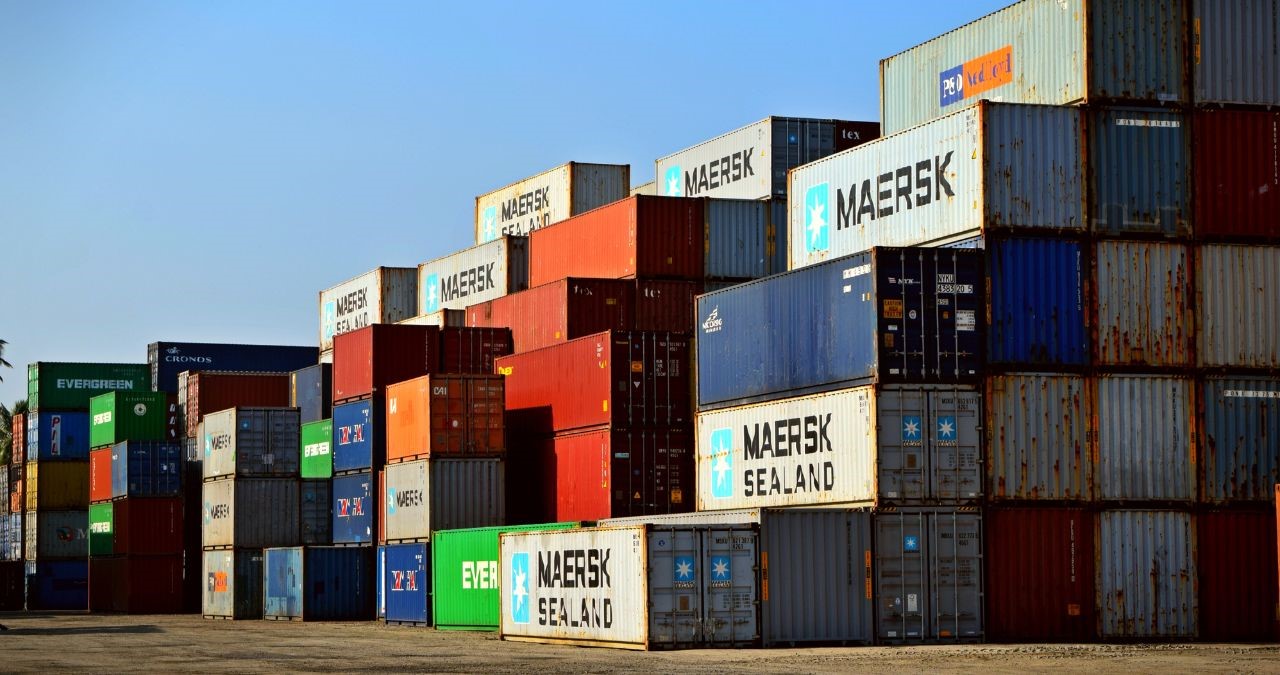
The global shipping industry continues to face container shortages and imbalances in 2024, increased by the uneven recovery from pandemic-related disruptions. Container availability mismatches between exporting and importing regions have led to imbalanced trade flows and increased costs for shippers and carriers alike.
Challenges
- Higher shipping costs
- Delays in getting products
- Problems with keeping enough stock
Supply chain managers are confronted with higher shipping rates, delayed shipments, and challenges in securing containers for outbound shipments. These shortages disrupt production schedules, affect inventory management, and strain supplier relationships.

Strategies for Mitigation
- Use flexible shipping contracts.
- Secure containers early with help from freight companies.
- Look for new ways to package goods.
Adopting flexible shipping contracts, collaborating with freight forwarders to secure container allocations in advance, and exploring alternative packaging solutions are essential strategies for managing container shortages in 2024.
3. Supply Chain Disruptions and Resilience

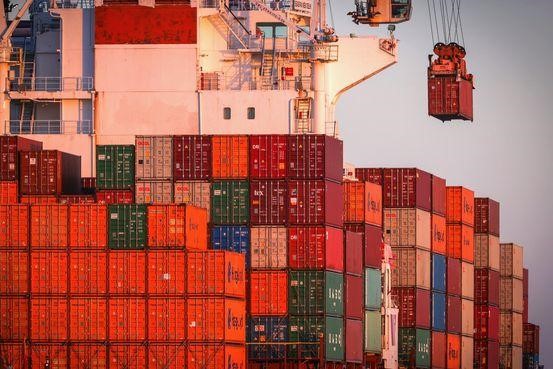
Disruptions in supply chains are increasing in 2024. Natural disasters and political issues, like conflicts and pandemics, are making it hard to keep supply chains running smoothly.
Challenges
- Unpredictable events affecting supply chains
- Difficulty in keeping production going
Supply chain managers need to focus on being strong and flexible. They should use different places to get their supplies from, make strong backup plans, and work closely with suppliers. This helps them handle problems and keep making products and helping customers well.
Strategies for Mitigation
- Plan for risks with better management.
- Use data to see supply chains better.
- Work more closely with suppliers.
To strengthen supply chains against unexpected disruptions, it's crucial to invest in several key strategies. Developing robust risk management frameworks allows businesses to anticipate and prepare for potential challenges.
Having strategic partnerships with suppliers and logistics providers builds a supportive network that can adapt quickly to changes. This will collectively enhance supply chain resilience, ensuring smooth operations even during uncertain times.
4. Rising Freight Rates and Cost Pressures

Shipping costs are going up a lot in 2024. This is because of changes in fuel prices, how many ships are available, and how much people want to ship things. Higher costs make it harder for businesses to make money.
Challenges
- More expensive shipping
- Harder to balance cost and quality
Supply chain managers are challenged to optimize logistics costs while maintaining service levels. Balancing cost-efficiency with service reliability becomes paramount in a high-cost environment.

Strategies for Mitigation
- Make long-term deals with shipping companies.
- Find the best shipping routes.
- Use different ways to move goods.
Negotiating long-term contracts with carriers, optimizing transportation routes, exploring multimodal transport solutions, and adopting sustainable logistics practices can help mitigate the impact of rising freight rates on supply chain operations.
5. Regulatory Changes and Compliance Challenges
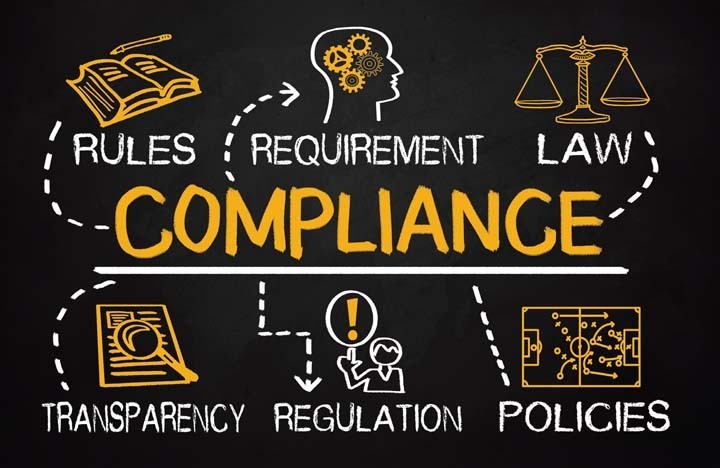
In 2024, regulatory changes, including environmental regulations and trade policies, are reshaping the global logistics landscape. Compliance requirements related to carbon emissions, container weight limits, and trade sanctions are adding complexity to supply chain operations and increasing compliance costs. Businesses have to follow these rules, which can be hard and cost a lot of money.
Challenges
- Following new rules
- Keeping up with changing laws
Supply chain managers must navigate evolving regulatory landscapes, ensuring adherence to new requirements while minimizing disruptions to supply chain flows and maintaining competitive advantage.

Strategies for Mitigation
- Talk with regulators about the rules.
- Use technology to follow rules better.
- Make eco-friendly plans for supply chains.
Engaging with regulatory authorities, investing in technology for regulatory compliance tracking, and integrating sustainability initiatives into supply chain strategies can help supply chain managers proactively manage regulatory changes and mitigate compliance risks.
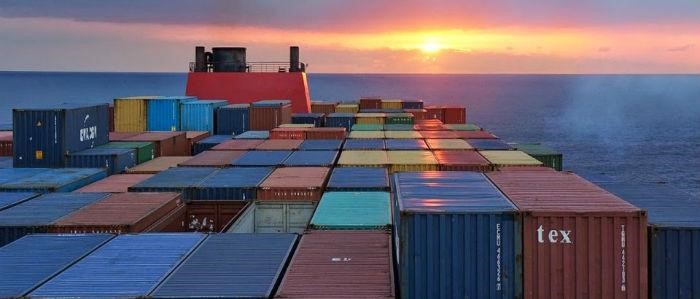
In summary, the biggest problems in global shipping and logistics in 2024 are very hard for supply chain managers everywhere. They include things like crowded ports, not enough shipping containers, disruptions in the supply chain, higher costs, and complicated rules.
Dealing with these problems needs smart planning, strong systems, and working closely with others in the supply chain. Using new technology, improving how we see supply chains, and focusing on being flexible and eco-friendly can help managers handle risks well and find new chances to succeed in a changing global shipping world.
How can we help you with your chemical requirements?
✅ Are you a company of 11 - 50 people?
✅ Do you use more than 1000 tons of industrial chemicals per year?
✅ Do you spend too much time finding the right chemical manufacturers?
✅ Are you unsure each time whether you will get the right grade of chemical?
If your answer is YES, Reduce Your Chemical Sourcing Headaches, Contact Us Now for a FREE Consultation and Samples Offer
✅Camachem: Quality Chemicals. Every Single Time✅
-
How We Helped our Customer Stop Losses with the Right Chemicals | Camachem Case Study
 July 27, 2026
 -
What is the Difference Between Caustic Soda Pearls and Caustic Soda Flakes? (2026 Update)
 July 26, 2026
 -
5 Differences You Need To Know About Bleach And Chlorine
 July 24, 2026
 -
Top 10 Chemicals Used in Cleaning and Sanitation
 July 23, 2026
 -
Sodium Bicarbonate vs Sodium Carbonate
 July 22, 2026