
 English
 French
 Indonesia
 Portuguese
 Russian
 Spanish
 Vietnamese
 +86-157-2476-6919
Which Chemicals Cannot Be Exported From China?

China, undoubtedly, is known as the world headquarters of chemical exportation. Yet, there are few chemicals that cannot be exported from this country. This piece seeks to provide you with detailed information about these categories of chemicals.
WHY ARE CHEMICAL EXPORTS RESTRICTED?
The export of some chemicals is restricted due to their potential to be negatively used or due to the effect they have on the human body, facilities, and the environment.
Chemicals Related to Drug Production
An example of Restricted Exports to Certain Countries (e.g. Myanmar, Laos, Cambodia, Afgahnistan)
|
English Name |
Chinese Name |
|
Acetic Acid |
乙酸 |
|
Activated Carbon |
活性炭 |
|
Ammonium Chloride |
氯化铵 |
|
Barium Sulfate |
硫酸钡 |
|
Caustic Soda/Sodium Hydroxide |
烧碱/氢氧化钠 |
|
Dihydrosafrole |
二氢黄樟素 |
|
Ethanol |
乙醇 |
|
Ethyl acetate |
乙酸乙酯 |
|
Hydroiodic Acid |
氢碘酸 |
|
Iodine |
碘 |
|
Isopropyl Alcohol |
异丙醇 |
|
Palladium Chloride |
氯化钯 |
|
Red Phosphorous |
红磷 |
|
Soda Ash |
碳酸钠(纯碱) |
|
Sodium Acetate |
醋酸钠 |
|
Sodium Bicarbonate |
碳酸氢钠(小苏打) |
|
Sodium Cyanide |
氰化钠 |
|
Trichlororacetaldehyde |
三氯乙醛 |
What Are Dual Use Chemicals?
In the domain of international trade, there are certain chemicals that require authorized observation due to their potential usage for both peaceful (civilian) and military implementations (chemical weapons). The terms used for these chemicals are known as dual-use chemicals. In this blog, we’ll dive into more of what dual chemicals are, why they require licensing, and how they play a vital role in a variety of industries today.
Introduction: Understanding Export Restrictions in China

According to Statista, China is currently the world’s largest chemical market, with an expected annual growth rate of 12.31% in 2024. Half of the global growth of the chemical industry is occurring in China. China’s chemical industry has been the largest market in the world, with speculation that it will grow to 4.3 trillion US dollars in sales in 2024.
China is currently the largest chemical manufacturing country in the world. The Chinese chemical industry makes use of special methods such as synthesis or composition of substances to produce new chemicals, aiding the growth of the industry. They are also the major producer of chemicals such as Caustic soda, Soda ash, synthetic fertilizer, calcium carbide, and pesticides.
Due to the various threats that some chemicals pose to the safety and health of users, the governments of various nations have created several layers of regulations that detail which chemicals can be exported, where they can be exported, and for what purpose they can be exported. Export restrictions are in place to prevent chemical exports that might be used or diverted to make biological or chemical weapons. Here are key things to know about the restrictions:
- Some chemicals are also placed under export restrictions to honor a nation’s international obligations, further the country’s foreign policy objectives, and help preserve scarce resources. This phenomenon is not strange in China as there are export-restricted chemicals in the country too.
- Understanding export regulations is very important for business owners because businesses must comply with several export regulations. Complying with the export regulations is important if businesses want to avoid legal charges, strained trade relations, and reputational damage.
- Businesses need to carry out due diligence before engaging in international trade to ensure that their partners aren’t involved in illicit activities. This will help businesses reduce the risk of violating export regulations and ensure they meet all regulatory obligations.
Commonly Restricted Chemicals: A Focus on Key Substances
Some chemicals are commonly restricted for export in China; they include:
Acetic Acid

Acetic acid is also popularly known as ethylic acid, ethanoic acid, and vinegar acid. It is a colorless, clear, and organic liquid with a pungent odor similar to household vinegar. Acetic acid is used as a raw material in the production of chemicals and also finds usage in the oil and gas industry. Acetic acid is one of the intermediate products used in the manufacture of explosives and propellants.
Activated Carbon
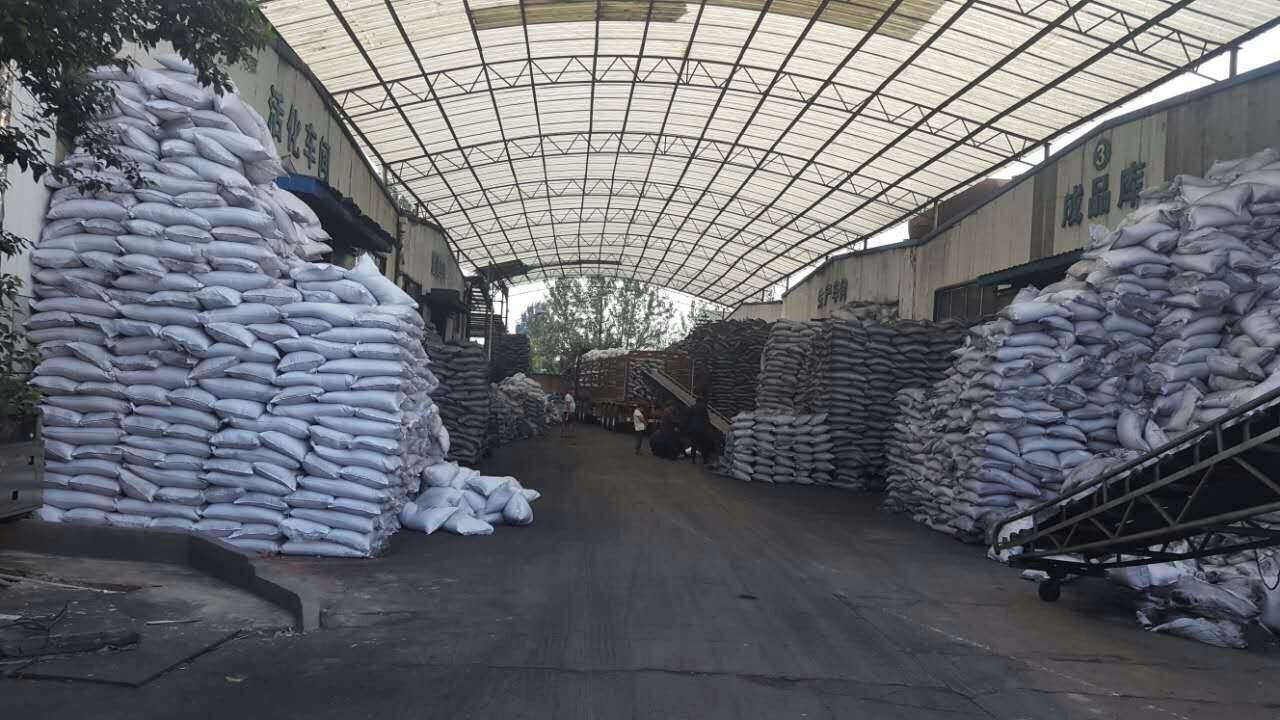
Activated carbon, also known as activated charcoal or active carbon, is a porous, amorphous, and solid material. It may be coal-based or plant-based. Activated carbon is safe when used in the short term; however, carbon dioxide and carbon monoxide can be produced by the process of combustion. Also, when it comes into contact with strong oxidizers such as liquid oxygen or ozone, it may lead to rapid combustion, which may be dangerous for the environment.
Ammonium Chloride
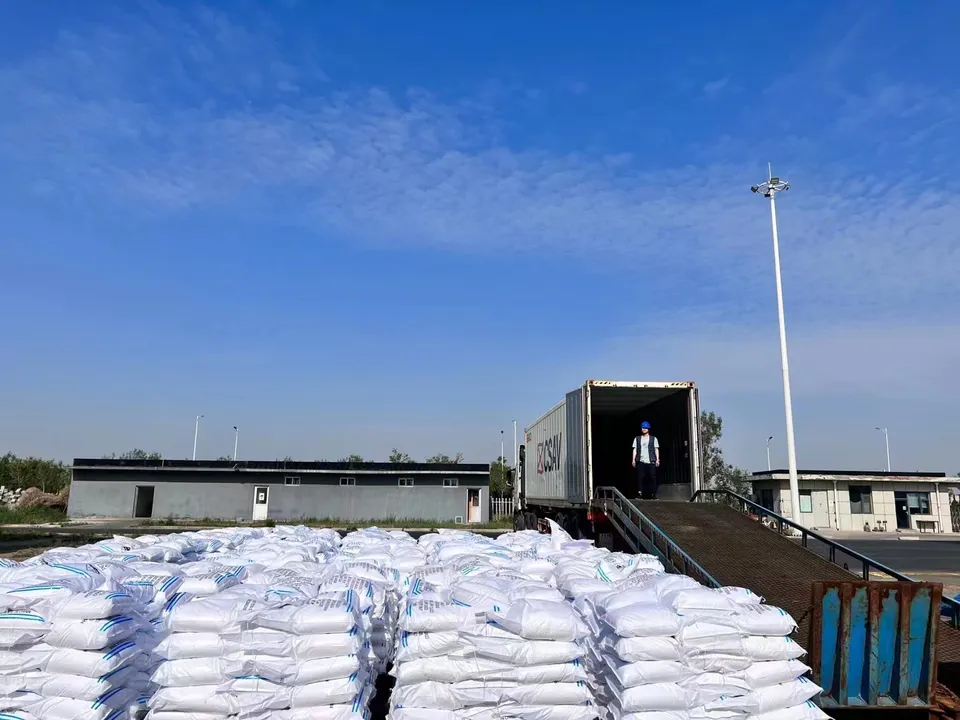
Ammonium Chloride is an inorganic compound. It is also known as the salt of ammonia and hydrogen chloride. Ammonium chloride is a by-product of sodium carbonate. Ammonium chloride produces irritating and toxic fumes such as ammonia, nitrogen oxides, and hydrogen chloride. It also reacts violently with potassium chlorate and ammonium nitrate, which can cause fire and explosion hazards.
Barium Sulfate
Barium sulfate is an inorganic compound with the chemical formula BaSO4. It’s an odorless, white crystalline solid that is insoluble in water. Barium sulfate, when subjected to decomposition, emits toxic sulfur oxides. It can also be used as an oxidizing agent and reacts with reducing agents such as aluminum, potassium, or phosphorus. Barium sulfate, when heated with aluminum, can cause an explosion.
Caustic Soda
Caustic soda, also known as lye and sodium hydroxide, is an inorganic compound with the chemical formula NaOH. It can react violently with water and strong acids. When exposed to air moisture, caustic soda can react and cause a fire.
Dihydrosafrole
Dihydrosafrole is an oily, colorless liquid with a strong odor. It is a toxic agent that, when ingested, can cause severe symptoms such as respiratory paralysis, hypotension, and tachycardia or death. When heated, dihydrosafrole may cause an explosion.
Ethanol
Ethanol is an organic compound with the chemical formula CH3CH2OH, also known as ethyl alcohol, drinking alcohol, or grain alcohol. Ethanol is a flammable, volatile, and colorless liquid with a wine-like odor and pungent taste.
Ethyl acetate
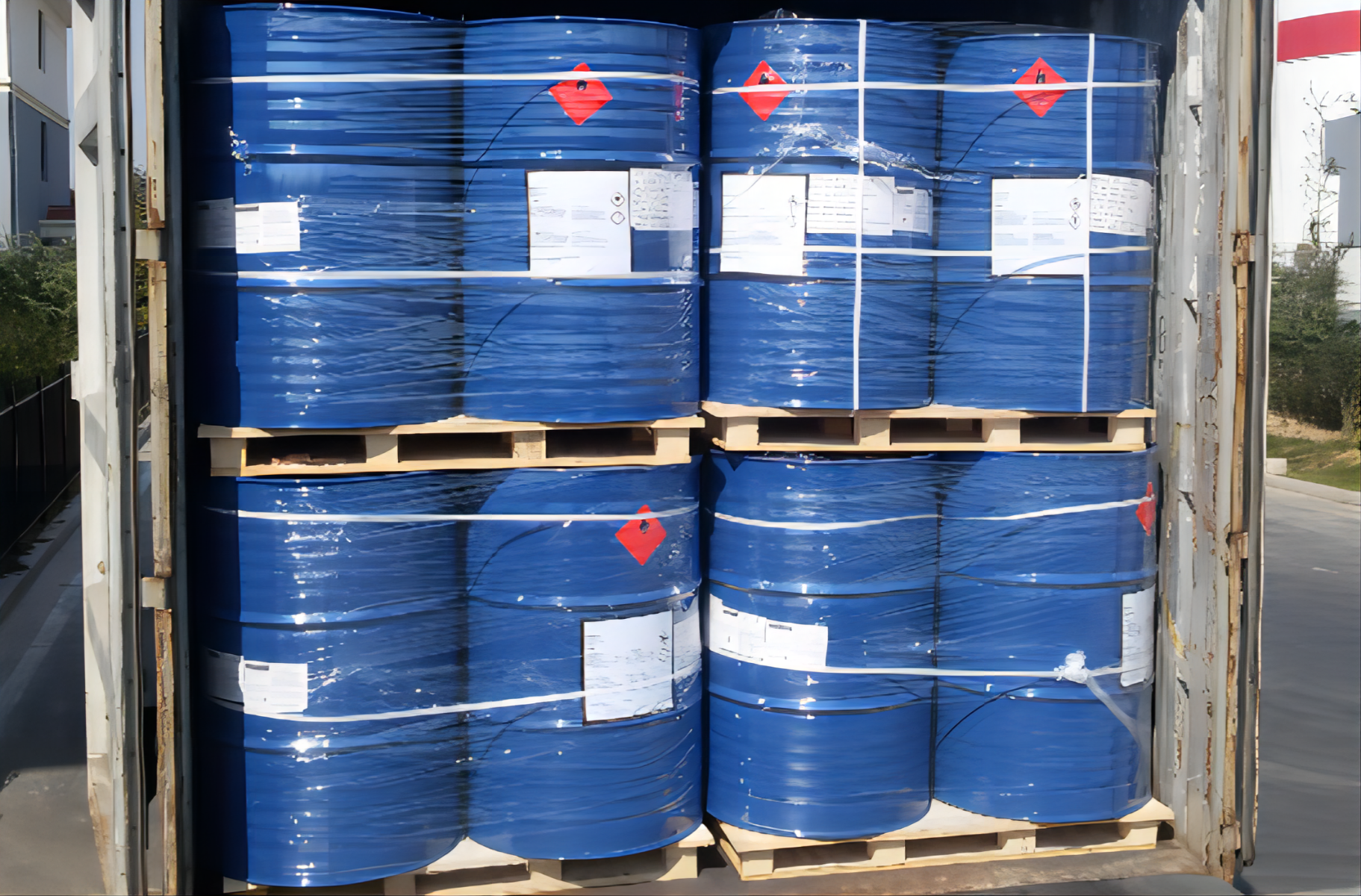
Ethyl acetate is a widely used and important chemical. It is used as a solvent, especially for varnishes, paints, perfumes, and lacquers. Ethyl acetate is highly flammable and toxic and causes serious damage to internal organs when inhaled or ingested.
Hydroiodic acid
Hydroiodic acid is an aqueous and colorless solution of hydrogen iodine. It's a strong acid, completely ionized in an aqueous solution. It is highly corrosive to humans, with prolonged exposure causing harm to the eyes, skin, and mucous membranes.
Iodine
Iodine, also known as iodide, is a mineral that can be found in ocean waters and Earth's soil. Iodine in large quantities is harmful to humans, hence its restriction. It can harm the thyroid gland when handled carelessly.
Isopropyl alcohol
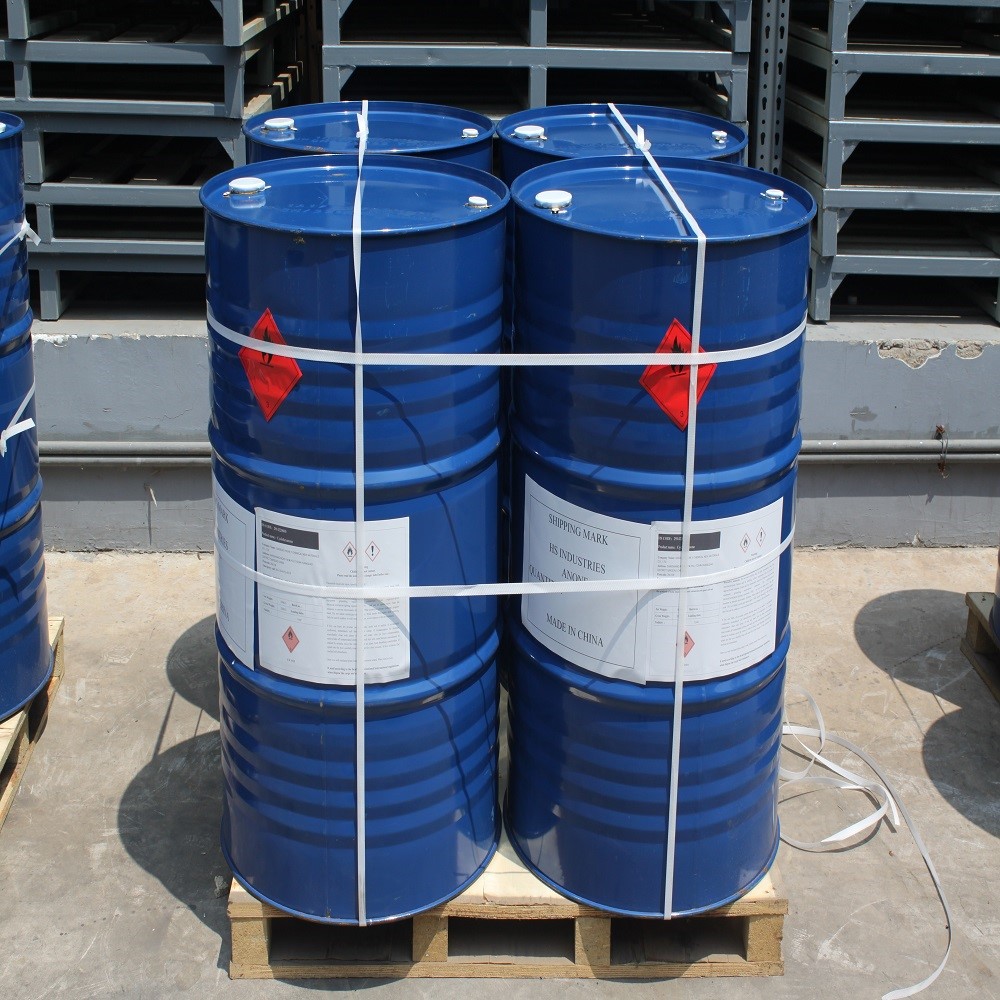
Isopropyl alcohol is a colorless organic compound with an alcoholic odor. It is mostly used as rubbing alcohol. Continuous contact with Isopropyl alcohol can lead to alcohol poisoning, unconsciousness, and death.
Palladium Chloride
Palladium Chloride is also known as Palladius chloride. It is mainly used in palladium chemistry. The chemical is toxic and causes harm when inhaled or absorbed. It causes liver, bone marrow, and kidney damage.
Red Phosphorus
Red phosphorous is an odorless chemical. It is one of the most common allotropes of phosphorous. Red phosphorous is used in the illegal manufacture of methamphetamine.
Soda Ash
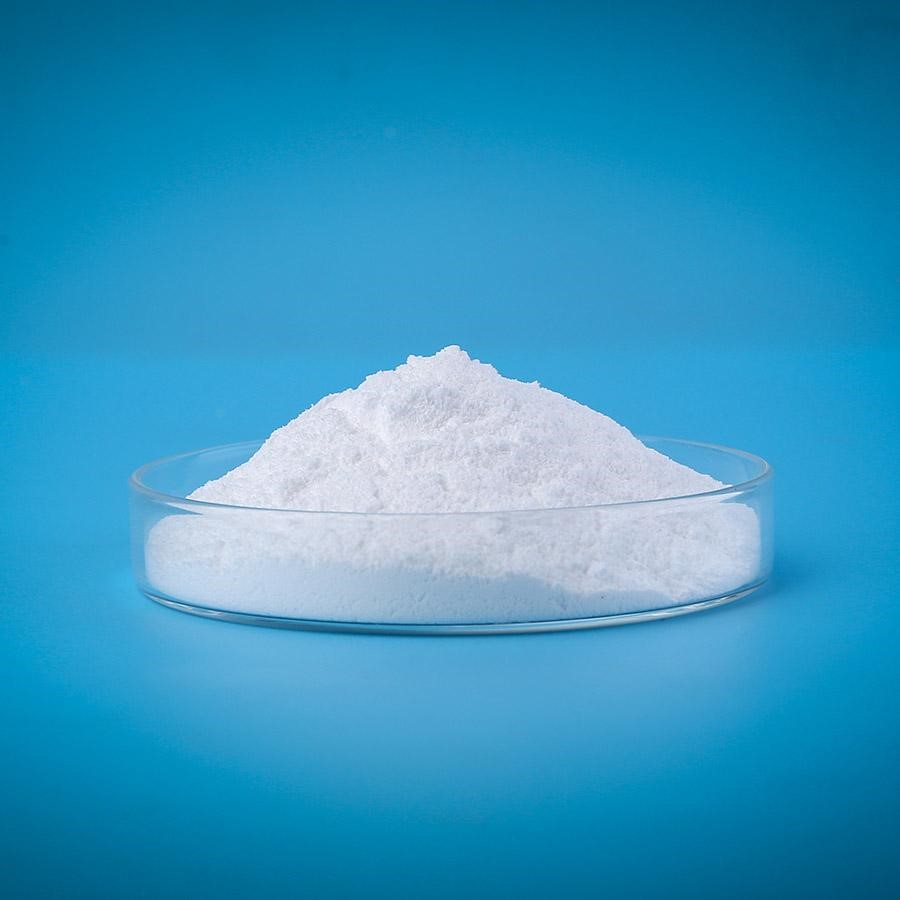
Soda Ash is also known as sodium carbonate, soda crystal, and washing soda. It is used as a domestic cleaning agent. Soda ash is toxic in large quantities and causes harm to the human body.
Sodium Acetate
Sodium acetate is acetic acid’s sodium salt, with the chemical formula CH3COONa. Sodium acetate can serve as a food additive and is also used in the manufacture of concrete. Long exposure to sodium acetate is likely to cause aluminum toxicity.
Sodium Bicarbonate
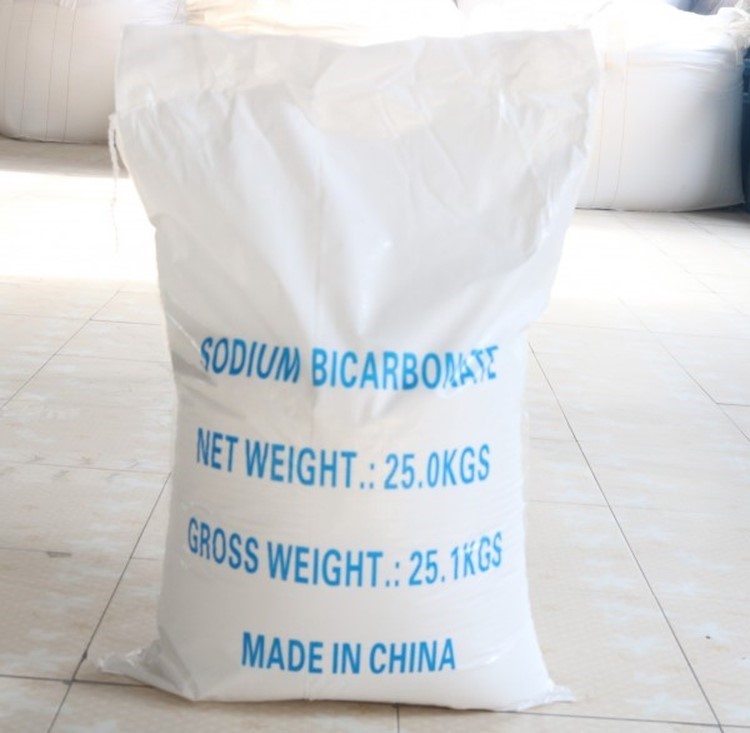
Sodium bicarbonate is a white, crystalline solid chemical. It has a salty, alkaline taste and is widely employed in the food industry. Sodium bicarbonate is considered to be a performance-enhancing substance that can be abused by athletes.
Sodium Cyanide
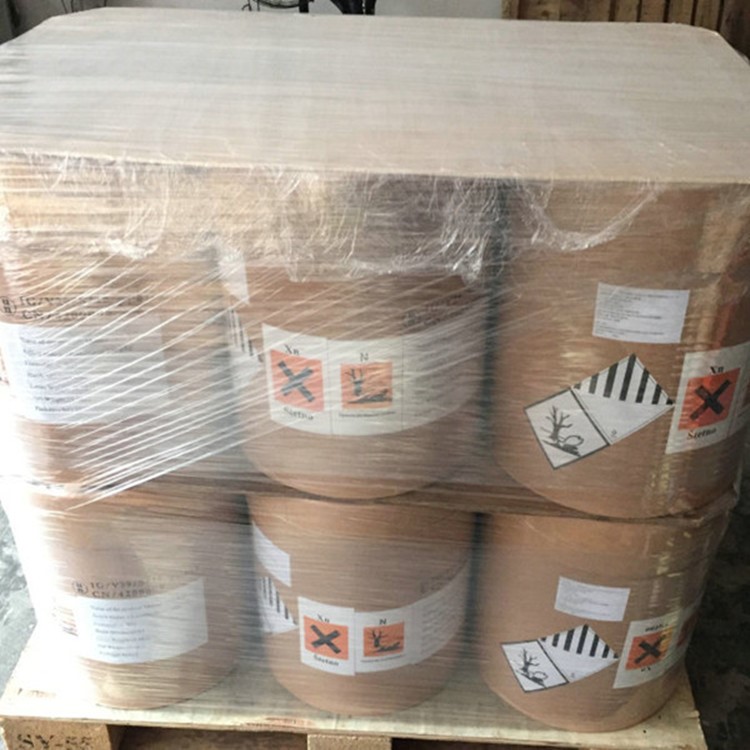
Sodium cyanide is a poisonous chemical compound with the formula NaCN. Sodium cyanide, when in contact with water, acid, moisture, or acid salts, decomposes and produces highly toxic and flammable hydrogen cyanide gas.
Trichloroacetaldehyde
Trichloroacetaldehyde, also known as trichloroethanal, or chloral is an organic compound with the formula CI3CCHO. It is commonly restricted because it can be used as a sedative and hypnotic drug.
Regulatory Framework: Overview of Export Control Policies
The main body involved in the administration and enforcement of export controls is the Ministry of Commerce (MOFCOM), the State Council, the Chinese Customs Bureau, and the Central Military Division.
The Chinese Government regulates hazardous chemicals, which are defined as highly toxic, corrosive, flammable, and explosive chemicals and can harm the environment, human body, and facilities. The current catalog of hazardous chemicals in China is made up of three parts:
- The List of Dangerous Goods
- Catalog of Highly Toxic Chemicals
- Other chemicals that have been announced by authorities.
The chemicals in the Catalog of Hazardous Chemicals can be further classified into the following categories, with each category requiring several management measures:
- Catalog of Highly Toxic Chemicals
- Prohibited Chemicals
- Catalog of Precursors for Explosives
- Catalog of Hazardous Waste
- List of Toxic Chemicals Restricted to be Imported/Exported;
- List of Priority Hazardous Chemicals for Priority Management
- Catalog of Industrial Products
- List of highly toxic chemicals and other hazardous chemicals for which transportation is prohibited on inland waterways.
Businesses involved in the production, storage, import, use, sales, export, transportation, and marketing of hazardous chemicals, would need to identify the category to which their products belong. They also need to identify their obligations and roles in obtaining or maintaining documents such as safety evaluation reports, safe use permits, production licenses, operating licenses, SDS, registration of hazardous chemicals, and chemical labels.
Impact on Global Trade and Industries
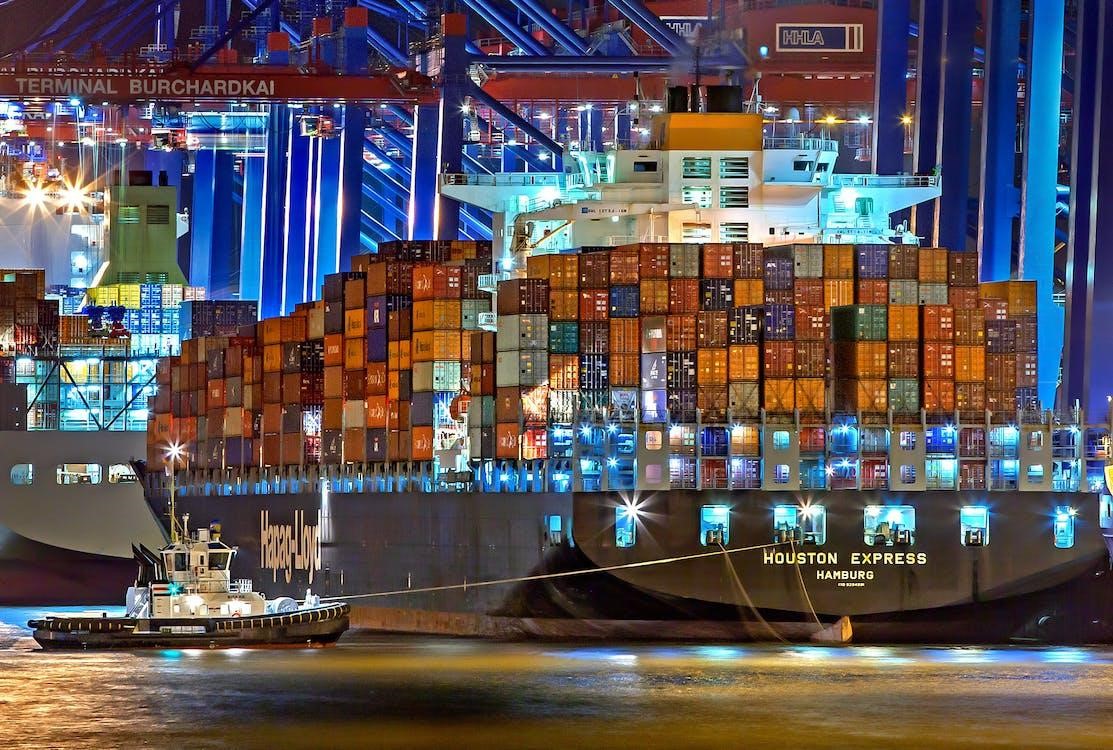
Export restrictions on chemicals sometimes have a substantial negative impact on global trade and business in the sale and production of such chemicals. This is especially true when a country is the major exporter of chemicals and an export restriction has been enacted. Here is an overview of the impacts:
- Global price changes
When a large exporter restricts the export of a chemical, the world supply decreases, and the world price increases. The importer suffers, and mostly poor countries with a limited production capacity.
- Reduction in domestic price in the exporting country
The exporter involved also suffers a loss, such as the reduction in the domestic price of the product while there is an increase in the foreign price. Export restrictions create the risk of a boomerang effect and reduce the availability of such chemicals in the countries that implement the export regulations.
- Constant regulation changes
Export regulations can also cause a domino effect and motivate other exporters to introduce regulations to keep their domestic prices low. The successful implementation of such regulations in a country may lead the government of another country to adopt the same.
- Ease of doing business may be affected
Businesses that fail to comply with the export regulations are also at risk of facing serious consequences, such as penalties, fines, and maybe bans on exporting and importing. This makes it difficult for such businesses to operate internationally, which consequently may have a global effect on world trade.
Navigating Compliance: Tips for Businesses
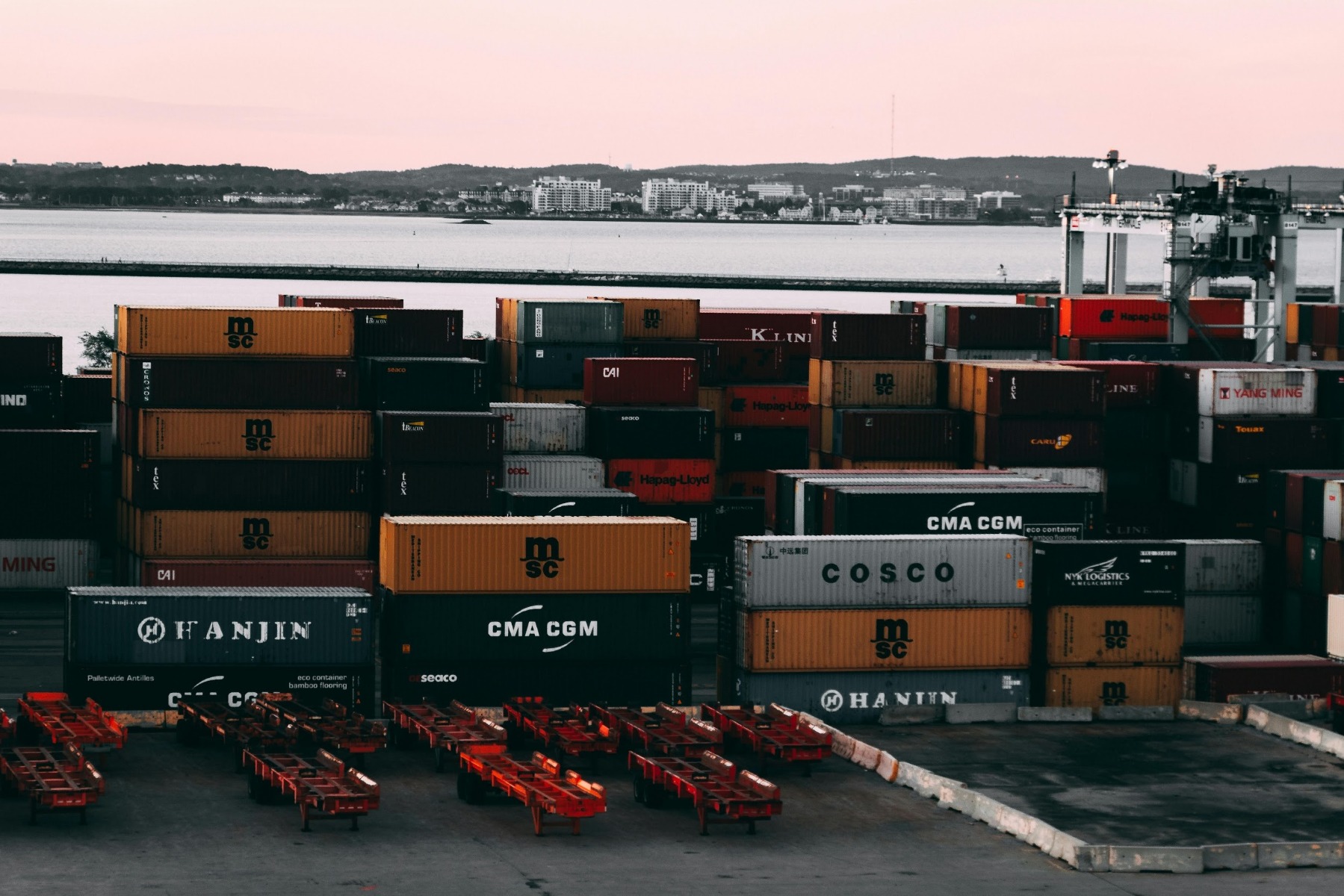
Export regulations can be an obstacle for businesses that want to export chemicals to foreign countries and markets. These regulations can take on various forms, such as licensing requirements, trade embargoes, and tariffs. Here are tips for businesses:
- Be up to date on export regulations
As a business, you need to stay informed about the various regulations to avoid getting flagged for violating any existing regulations. You can make use of various information sources, such as trade publications, news outlets, government agencies, industry associations, and market research firms, to get an update on the regulations that can impact your business. You can also subscribe to various podcasts, newsletters, webinars, or alerts that can provide you with timely and relevant insights on your target products and markets.
- Obtain necessary permits and licenses
Businesses must obtain the necessary permits and licenses for exporting restricted chemicals to avoid getting flagged or banned. Here are some of the benefits of obtaining the necessary licenses;
- Having the necessary documents would ensure that your goods would avoid delays in transit, which would in turn slow down your delivery and payment dates.
- You’re protected from any legal dispute and financial loss that might evolve from an international trade.
Another easier way of navigating through the hurdles of export restrictions is by partnering with reputable suppliers from China. These companies are known to have updated information about chemical importation and exportation. One such reliable supplier is Camachem. You can take a quick tour of the website and then contact them for further information on the exportation process for your chemicals.
How can we help you with your chemical requirements?
✅ Are you a company of 11 - 50 people?
✅ Do you use more than 1000 tons of industrial chemicals per year?
✅ Do you spend too much time finding the right chemical manufacturers?
✅ Are you unsure each time whether you will get the right grade of chemical?
If your answer is YES, Reduce Your Chemical Sourcing Headaches, Contact Us Now for a FREE Consultation and Samples Offer
-
What is the Difference Between Caustic Soda Pearls and Caustic Soda Flakes? (2026 Update)
June 8, 2026
-
Top 10 Caustic Soda Suppliers in Australia [2026]
 June 8, 2026
 -
Frequently Asked Question about Phosphoric Acid
June 8, 2026
-
Zinc Chloride: 5 Hazards and Safety Measures You Need To Know
June 4, 2026
-
10 Things I Need To Know About Zinc Chloride (2026 Update)
June 4, 2026