
 English
 French
 Indonesia
 Portuguese
 Russian
 Spanish
 Vietnamese
 +86-157-2476-6919
Top 10 Chemicals Used in Leather & Tanning

The leather and tanning industry relies on a diverse array of chemicals to transform raw hides into durable, high-quality leather. These chemicals are integral to various stages of leather processing, from dehairing and liming to tanning, dyeing, and finishing. Understanding the key chemicals involved in leather production is crucial for anyone working in or studying this field.
Here are the top 10 chemicals commonly used in the leather and tanning industry, along with their benefits and applications.
Top 10 Chemicals Used in Polymers
- Chromium Sulfate
- Sodium Sulfide
- Formic Acid
- Ammonium Sulfate
- Sodium Bicarbonate
- Oxalic Acid
- Sodium Formate
- Ammonium Chloride
- Enzymes
- Sodium Carbonate
Here’s a detailed look at the top 10 chemicals used in leather & tanning and we will discuss their benefits and applications.
1. Chromium Sulfate
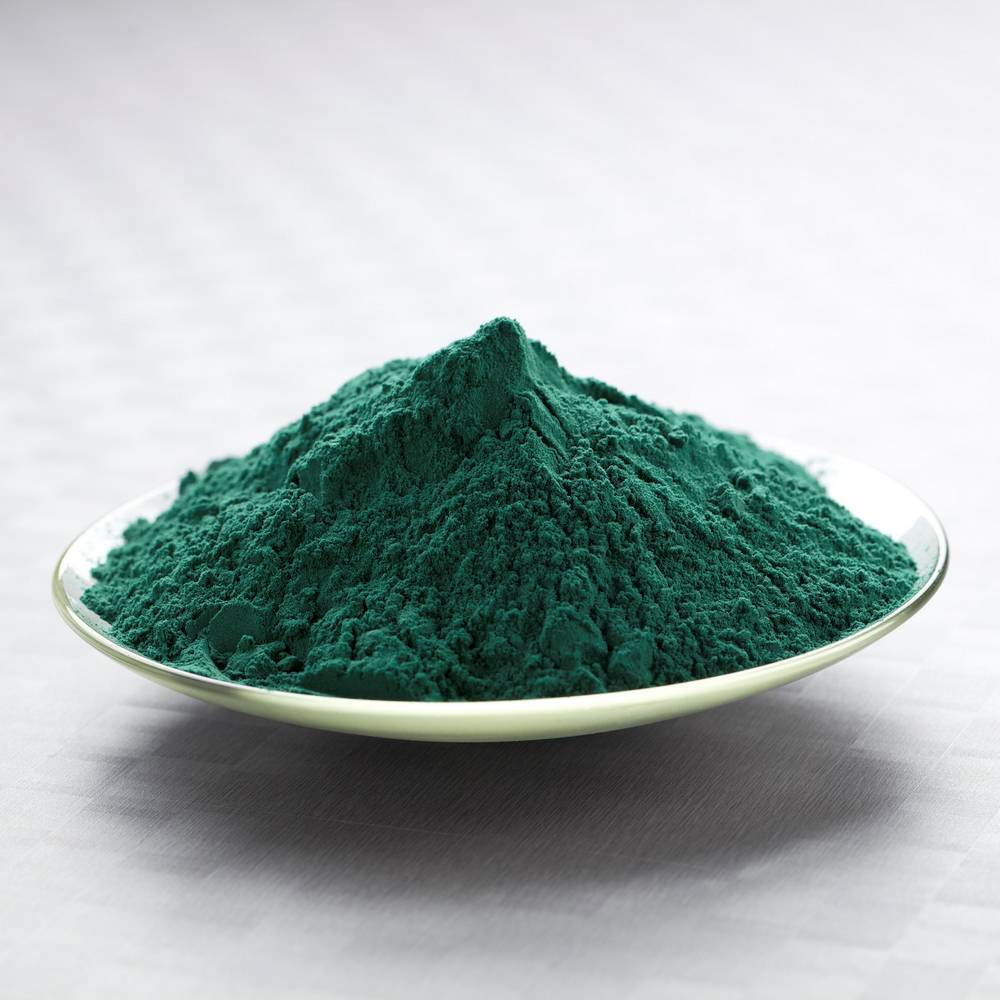
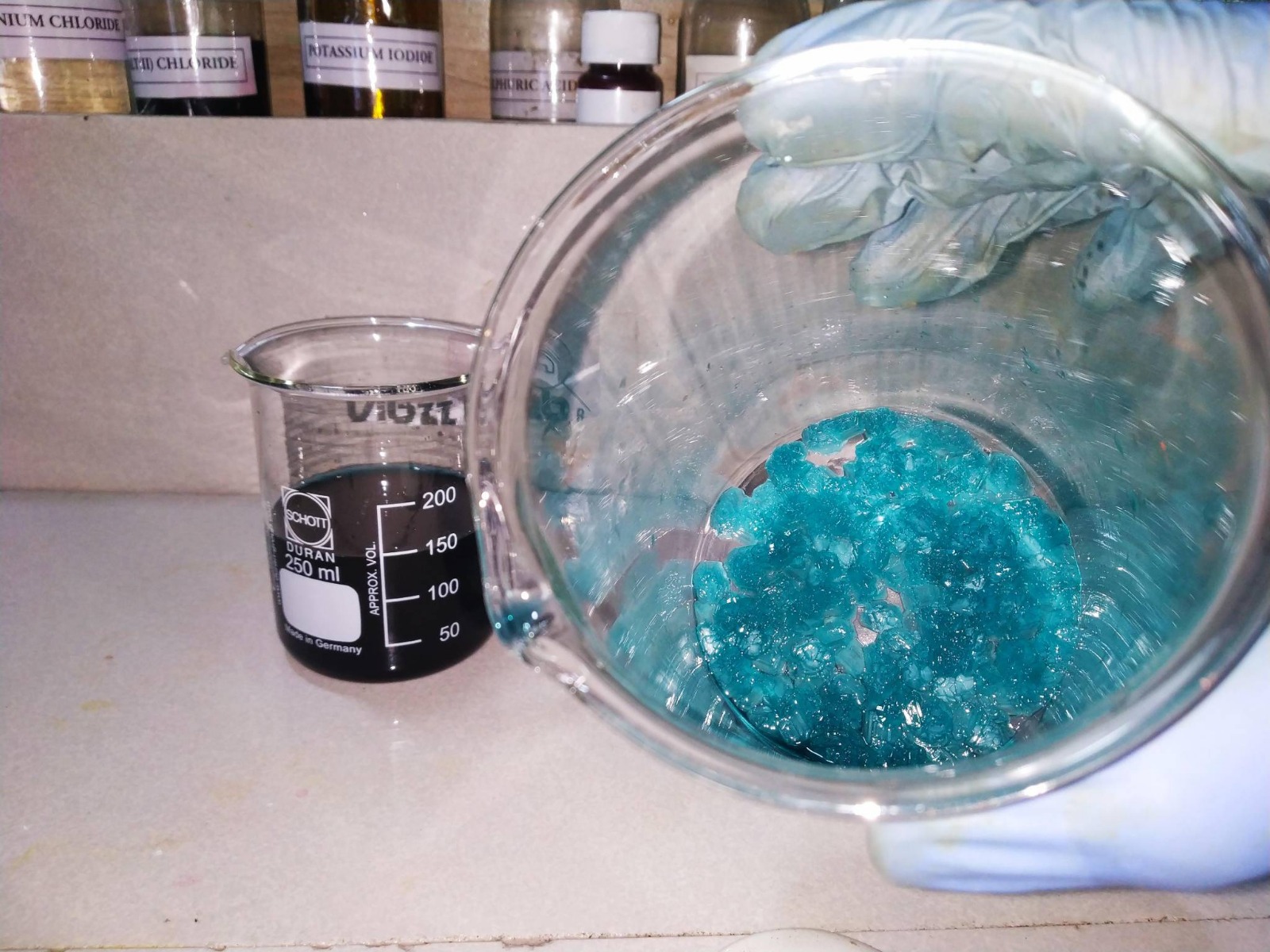
Chromium sulfate is a vital chemical in the leather industry, primarily used as a tanning agent. The compound is known for imparting significant durability and flexibility to leather products. Derived from the combination of chromium and sulfuric acid, chromium sulfate helps in stabilizing the collagen fibers in hides, converting them into leather. The leather treated with chromium sulfate typically acquires a blue tint, known as "wet blue" leather.
Benefits:
- Enhanced Durability: Chromium sulfate significantly increases the strength and durability of leather. This makes the leather suitable for various demanding applications, ensuring long-lasting performance.
- Water Resistance: Leather treated with chromium sulfate exhibits excellent water resistance. This property makes it ideal for use in environments where exposure to moisture is a concern.
- Efficient Tanning Process: The use of chromium sulfate accelerates the tanning process, making it more efficient and cost-effective for manufacturers. This efficiency helps in reducing production times and costs, allowing for faster throughput of leather products.
Applications:
- Leather Tanning: Chromium sulfate is primarily used in the tanning process to produce high-quality leather. The resulting leather is known for its uniform texture, durability, and resistance to various environmental factors.
- Dye Fixing: This chemical helps in fixing dyes onto leather, ensuring vibrant and long-lasting colors. The stability provided by chromium sulfate ensures that the leather retains its color even under strenuous conditions.
- Pigmentation: Chromium sulfate is used in pigmentation processes to achieve desired shades and hues in leather products. This allows manufacturers to produce leather in a wide range of colors, catering to different market preferences.
- Retanning: Used in retanning processes to improve the softness and grain of leather. This step enhances the comfort and aesthetic appeal of the final leather products, making them more desirable to consumers.
2. Sodium Sulfide
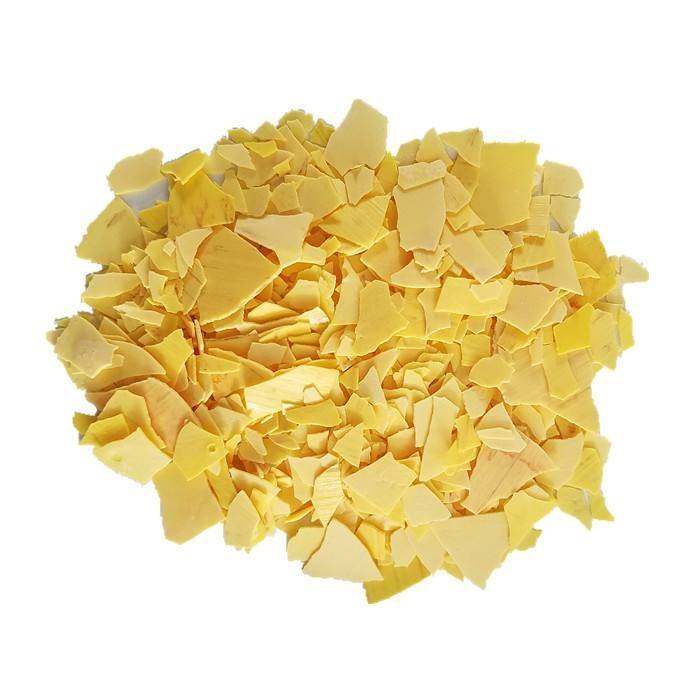
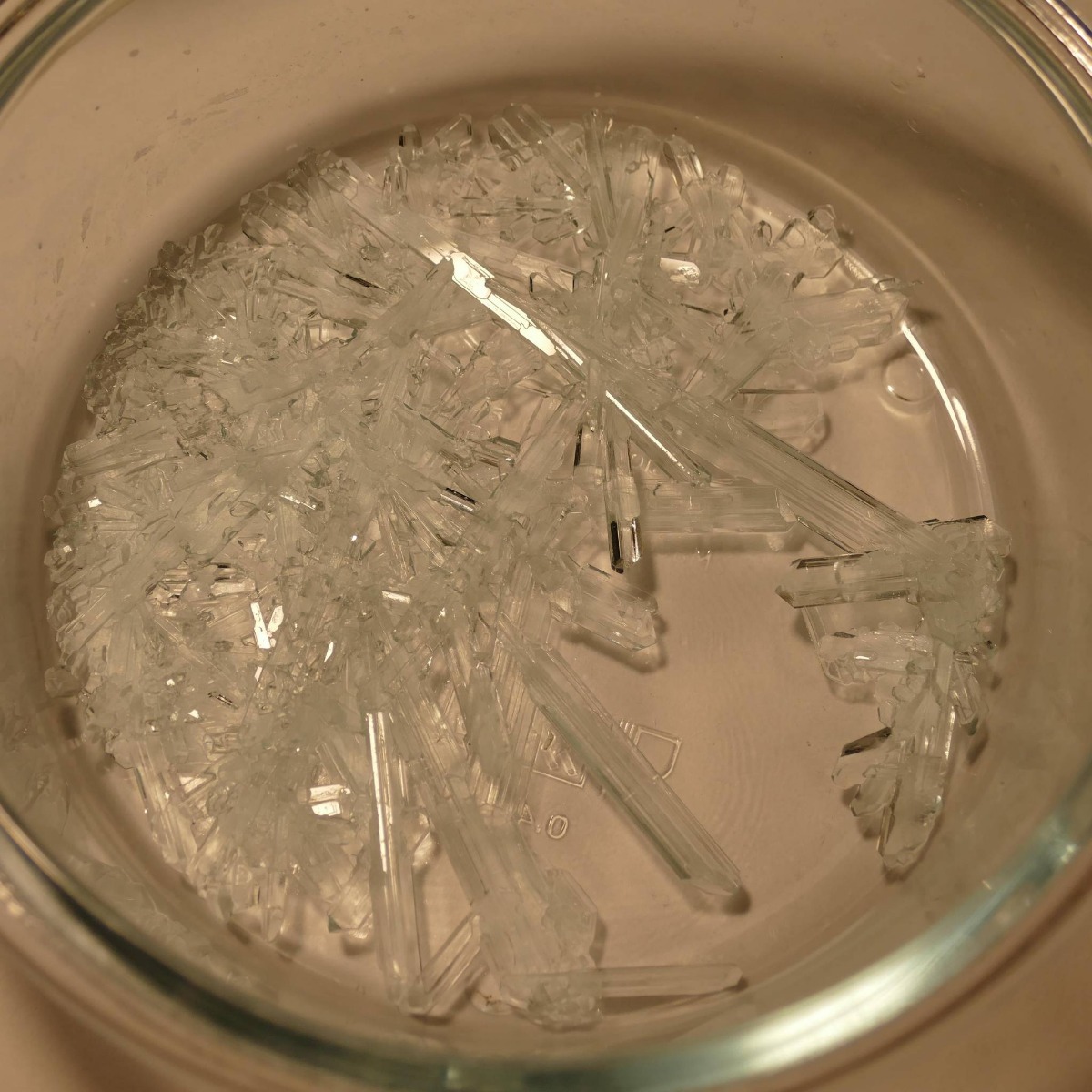
Sodium sulfide is essential in the initial stages of leather processing, particularly in the dehairing and liming processes. It is known for its effectiveness in removing hair from hides, which is a crucial step in preparing hides for further treatment. Sodium sulfide, with its chemical formula Na2S, is typically used in an aqueous solution, where it helps break down keratin, the main component of animal hair, making it easier to remove.
Benefits:
- Effective Dehairing: Sodium sulfide is highly effective in removing hair from hides, making it an indispensable part of the leather processing sequence. By breaking down keratin, it ensures that the hides are clean and ready for subsequent treatments.
- Reduces Processing Time: The use of sodium sulfide accelerates the dehairing process, significantly reducing the overall production time. This efficiency helps manufacturers meet production deadlines and reduces operational costs.
- Improves Leather Quality: By efficiently removing hair and other impurities, sodium sulfide contributes to the smoothness and quality of the finished leather. This improvement in leather quality enhances its market value and usability in various applications.
Applications:
- Dehairing: Sodium sulfide is extensively used in the dehairing process to clean hides by breaking down and removing hair. This step is critical in preparing the hides for further processing.
- Liming: It assists in the liming process, which involves swelling and softening the hides. This makes them easier to work with and improves their absorbency for tanning agents.
- Fleshing: Sodium sulfide helps in the fleshing process, where excess flesh and fat are removed from hides. This step is essential for ensuring the hides are clean and smooth.
- Unhairing: Integral to the unhairing process, sodium sulfide ensures a clean and smooth leather surface, ready for tanning and other treatments.
3. Formic Acid
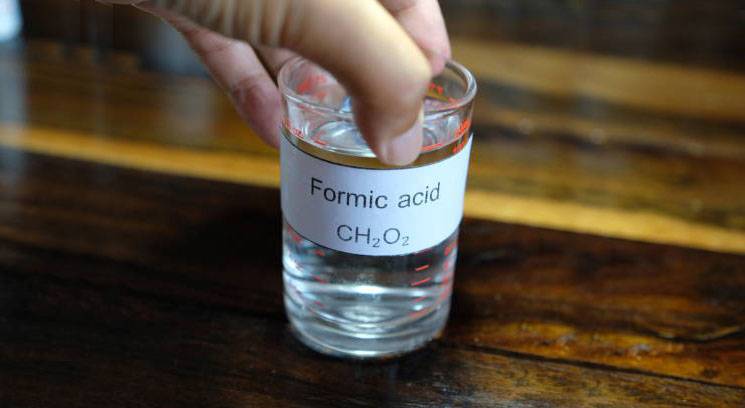
Formic acid is a versatile chemical used in the leather industry for neutralizing the pH of leather and improving the penetration of tanning agents. It is also used in pickling, a preparatory step before tanning. Formic acid, with its simple molecular structure, is an effective agent in adjusting the acidity levels of hides, making them more receptive to tanning chemicals.
Benefits:
- pH Adjustment: Formic acid is crucial for adjusting the pH of leather, ensuring optimal conditions for tanning. This adjustment helps in achieving a uniform and consistent tanning process.
- Improved Tanning Agent Penetration: By modifying the pH, formic acid enhances the penetration of tanning agents into the hides, resulting in better leather quality. This deep penetration ensures thorough treatment of the hides.
- Environmentally Friendly: Formic acid is considered a safer and more environmentally friendly alternative to some other acids used in tanning. Its use promotes sustainable practices in the leather industry.
Applications:
- Pickling: Formic acid is used in the pickling process to prepare hides for tanning by adjusting their pH levels. This step is essential for ensuring the effectiveness of subsequent tanning treatments.
- Neutralization: It assists in neutralizing the pH of leather during tanning, ensuring even and effective treatment. This neutralization is critical for maintaining the quality and consistency of the leather.
- Dyeing: Formic acid improves the uptake of dyes in the leather dyeing process, ensuring vibrant and consistent colors. This enhancement in dye absorption leads to high-quality, visually appealing leather products.
- Preservative: Acts as a preservative to prevent microbial growth on hides, extending their shelf life. This preservation helps in maintaining the quality of hides during storage and transportation.
4. Ammonium Sulfate
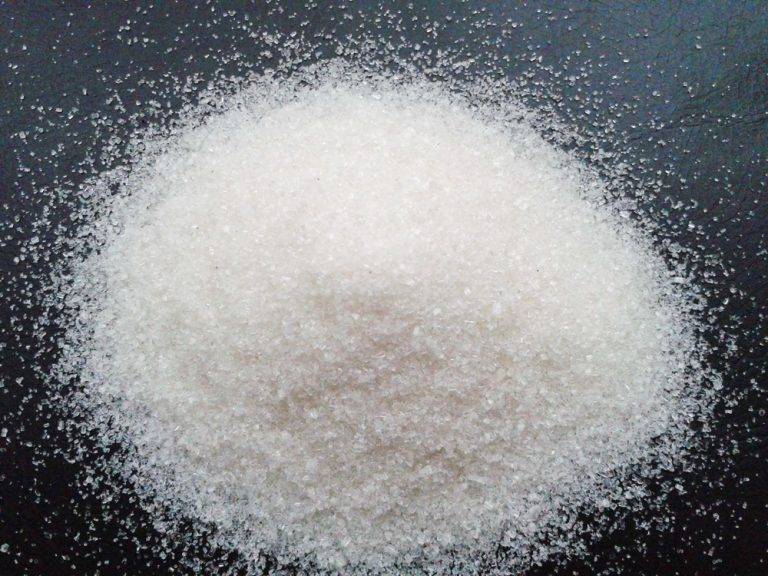
Ammonium sulfate is used as a deliming agent in the leather industry, helping to remove lime from hides after the liming process. This compound is effective in neutralizing the high pH caused by lime, making the hides suitable for further processing.
Benefits:
- Effective Deliming: Ammonium sulfate efficiently removes lime from hides, preparing them for the tanning process. This removal is crucial for ensuring the hides are at the right pH for tanning.
- Reduces pH: It lowers the pH of hides, making them suitable for tanning. This pH adjustment is necessary to ensure the hides can absorb tanning agents effectively.
- Non-Toxic: Considered safe and non-toxic for use in leather processing, ammonium sulfate ensures worker safety and environmental compliance.
Applications:
- Deliming: Ammonium sulfate is used in the deliming process to remove lime from hides, ensuring they are ready for tanning. This step is vital for achieving high-quality leather.
- Bating: Plays a role in the bating process to soften hides and improve their texture. This process enhances the flexibility and feel of the leather.
- Pickling: Used in the pickling process to prepare hides for tanning by adjusting their pH levels. This preparation is critical for the effectiveness of the tanning agents.
- Tanning: Assists in the tanning process to achieve the desired qualities in leather, such as softness and flexibility. This assistance ensures the production of high-quality leather suitable for various applications.
5. Sodium Bicarbonate
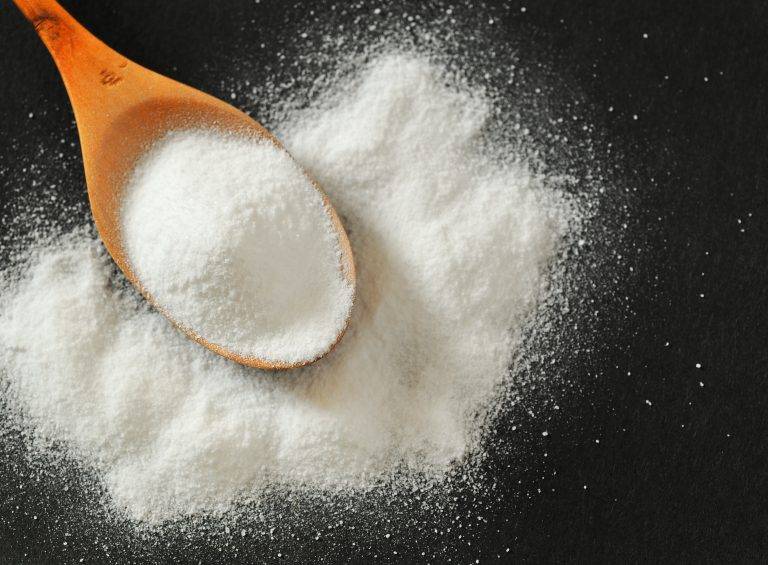
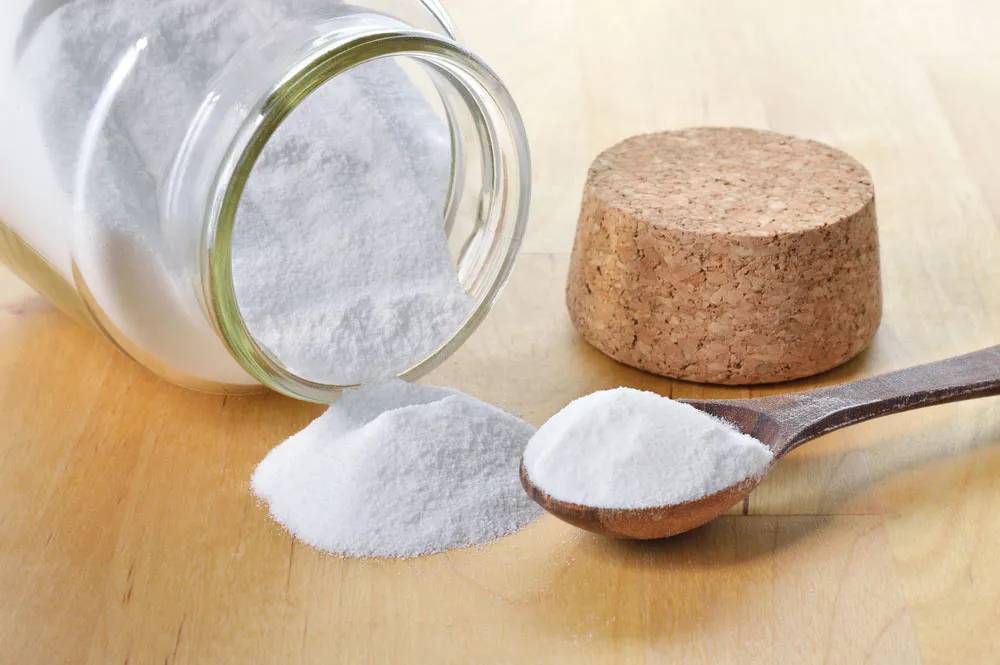
Sodium bicarbonate, commonly known as baking soda, is used in the leather industry to neutralize acids and adjust the pH during the tanning process. Its mild nature makes it an ideal choice for various leather processing steps.
Benefits:
- pH Adjustment: Sodium bicarbonate helps in adjusting the pH of hides during the tanning process, ensuring optimal conditions for tanning. This adjustment is crucial for the effective treatment of hides.
- Neutralizes Acids: It effectively neutralizes acids, preventing damage to hides and ensuring even tanning. This neutralization helps maintain the quality and integrity of the leather.
- Eco-Friendly: Sodium bicarbonate is environmentally safe and widely used in various leather processing steps, promoting sustainable practices. Its mildness ensures safety for workers and minimal environmental impact.
Applications:
- Tanning: Used in the tanning process to adjust pH and neutralize acids, ensuring effective and uniform tanning. This use is essential for producing high-quality leather.
- Dyeing: Assists in the dyeing process to ensure even color distribution on leather. This assistance leads to vibrant and consistent hues in leather products.
- Retanning: Plays a role in the retanning process to improve leather quality and consistency. This process enhances the texture and durability of the leather.
- Finishing: Used in the finishing process to enhance the appearance and feel of leather products. This enhancement makes the leather more appealing and desirable.
6. Oxalic Acid
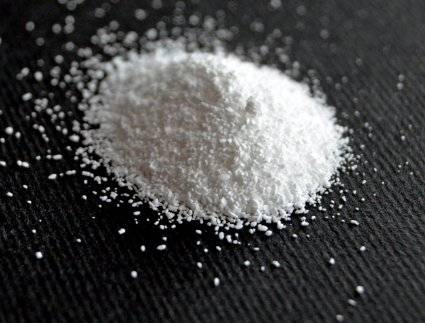
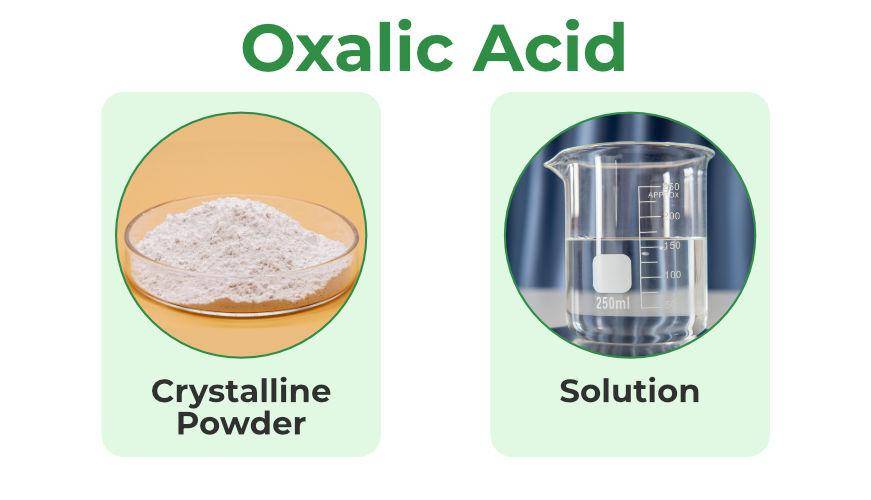
Oxalic acid is a strong bleaching agent used in the leather industry for removing stains and restoring the natural appearance of hides. It is known for its effectiveness in cleaning and bleaching leather.
Benefits:
- Effective Bleaching: Oxalic acid is a powerful bleaching agent that removes stains and discolorations from leather, restoring its natural appearance.
- Restores Appearance: It helps in restoring the natural appearance of leather by removing unwanted marks and stains. This restoration enhances the visual appeal of the leather.
- Versatile: Oxalic acid can be used in various stages of leather processing for different purposes, making it a valuable chemical in the industry. Its versatility ensures it can address multiple issues in leather processing.
Applications:
- Stain Removal: Oxalic acid is used to remove stains and discolorations from hides, improving their appearance. This removal is crucial for producing high-quality, visually appealing leather.
- Bleaching: It plays a role in the bleaching process to achieve
7. Sodium Formate
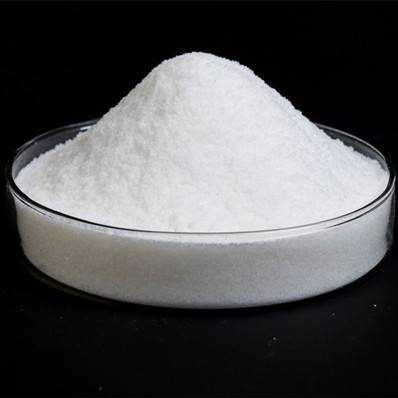
Sodium formate is commonly used in the leather tanning industry as a buffering agent and in the pickling process. This chemical helps in adjusting the pH levels of hides and improving the penetration of tanning agents. Sodium formate, with its formula HCOONa, plays a crucial role in ensuring that hides are properly prepared for the tanning process, leading to high-quality leather production.
Benefits:
- Buffering Agent: Sodium formate acts as an effective buffering agent, maintaining the desired pH levels during tanning. This buffering action ensures that the hides are in optimal condition to absorb tanning agents, resulting in consistent and high-quality leather.
- Improves Penetration: Enhances the penetration of tanning agents into the hides, ensuring even and effective treatment. This deep penetration is crucial for producing leather that is uniformly tanned and free from defects.
- Environmentally Safe: Considered environmentally friendly, sodium formate promotes sustainable practices in the leather industry. Its use helps reduce the environmental impact of the tanning process.
Applications:
- Pickling: Used in the pickling process to prepare hides for tanning by adjusting their pH levels. This preparation is essential for ensuring the effectiveness of subsequent tanning treatments.
- Tanning: Assists in the tanning process by acting as a buffering agent, ensuring optimal conditions for leather processing. This assistance is vital for producing high-quality leather.
- Dyeing: Improves the uptake of dyes in the dyeing process, ensuring vibrant and consistent colors. This improvement in dye absorption leads to visually appealing leather products.
- Preservative: Acts as a preservative to prevent microbial growth on hides, extending their shelf life. This preservation helps maintain the quality of hides during storage and transportation.
8. Ammonium Chloride
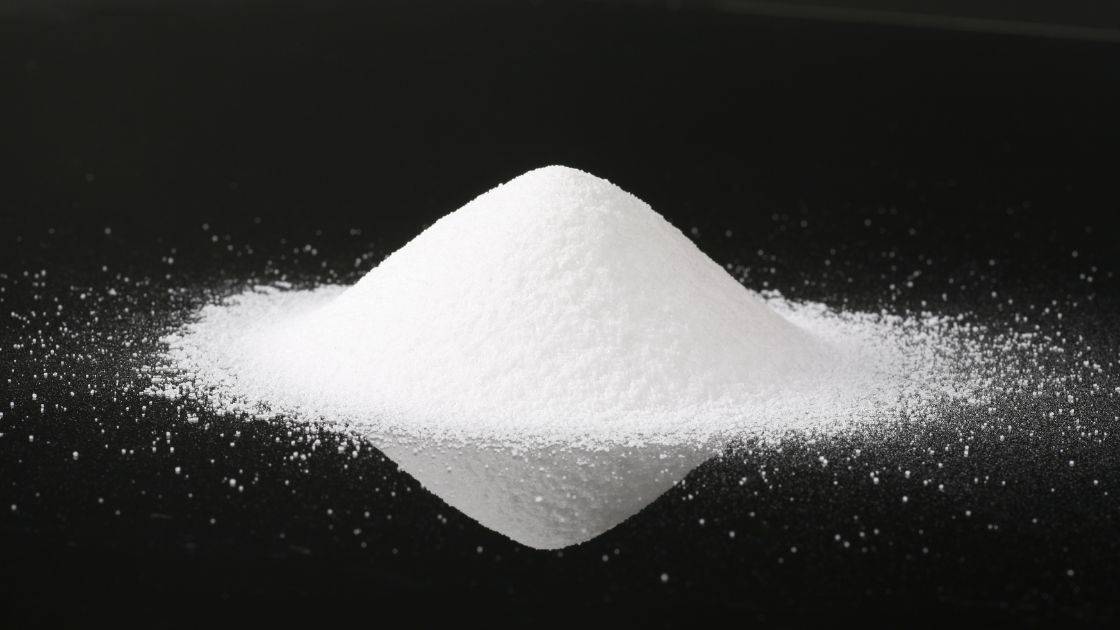
Ammonium chloride is used in the leather industry for deliming and as a pH regulator. It is particularly effective in removing lime from hides and ensuring that the pH is adjusted for further processing steps. Ammonium chloride helps to achieve the desired conditions for leather tanning and finishing.
Benefits:
- Effective Deliming: Ammonium chloride efficiently removes lime from hides, preparing them for the tanning process. This removal is critical for achieving high-quality leather.
- pH Regulation: It effectively adjusts the pH of hides, ensuring optimal conditions for tanning and other processing steps. Proper pH regulation is essential for the quality and consistency of the leather.
- Improves Leather Quality: By ensuring the hides are properly delimed and pH-adjusted, ammonium chloride contributes to the overall quality and durability of the finished leather.
Applications:
- Deliming: Used extensively in the deliming process to remove lime from hides, ensuring they are ready for tanning. This step is vital for the subsequent tanning processes.
- pH Adjustment: Assists in adjusting the pH of hides during various stages of leather processing, ensuring optimal conditions for treatment and finishing.
- Tanning: Plays a role in the tanning process by preparing hides for the absorption of tanning agents. This preparation ensures even and effective tanning.
- Dyeing: Used in the dyeing process to enhance the uptake of dyes, ensuring vibrant and consistent colors in leather products.
9. Enzymes

Enzymes are biological catalysts used in the leather industry for processes such as bating, degreasing, and softening hides. They play a crucial role in breaking down complex molecules, improving the texture and quality of leather. Enzymes are derived from natural sources and are favored for their efficiency and eco-friendliness.
Benefits:
- Efficient Bating: Enzymes help in the bating process, breaking down proteins and softening hides, which improves their texture and makes them easier to work with.
- Eco-Friendly: Enzymatic processes are considered environmentally friendly, reducing the need for harsh chemicals and promoting sustainable practices in the leather industry.
- Enhanced Leather Quality: Enzymes contribute to the overall quality of leather, making it softer, smoother, and more flexible. This enhancement leads to high-quality leather products that are comfortable and aesthetically pleasing.
Applications:
- Bating: Used in the bating process to soften hides and improve their texture. This process is essential for producing high-quality leather that is easy to handle and work with.
- Degreasing: Enzymes assist in the degreasing process, removing excess fats and oils from hides. This removal is crucial for ensuring the hides are clean and ready for further processing.
- Softening: Enzymes play a role in softening hides, making the finished leather more comfortable and desirable. This softening enhances the usability and appeal of leather products.
- Finishing: Used in the finishing process to enhance the appearance and feel of leather products. This enhancement ensures high-quality outcomes that meet consumer expectations.
10. Sodium Carbonate
Sodium carbonate, also known as soda ash, is used in the leather industry for various purposes, including pH adjustment, cleaning, and degreasing hides. It is a versatile chemical that helps in maintaining the quality and consistency of leather during processing.
Benefits:
- pH Adjustment: Sodium carbonate is effective in adjusting the pH levels of hides during processing, ensuring optimal conditions for tanning and other treatments.
- Cleaning Agent: It acts as a powerful cleaning agent, helping to remove impurities and contaminants from hides. This cleaning is crucial for preparing hides for further processing.
- Degreasing: Sodium carbonate assists in the degreasing process, removing excess fats and oils from hides. This removal ensures that the hides are clean and ready for tanning.
Applications:
- Tanning: Used in the tanning process to adjust pH levels and prepare hides for the absorption of tanning agents. This preparation is essential for achieving high-quality leather.
- Cleaning: Sodium carbonate is used as a cleaning agent to remove impurities from hides, ensuring they are clean and ready for further processing. This cleaning helps in maintaining the quality of the leather.
- Degreasing: Assists in the degreasing process to remove excess fats and oils from hides. This step is vital for ensuring the hides are properly prepared for tanning.
- Finishing: Used in the finishing process to enhance the appearance and texture of leather products. This enhancement ensures that the final products meet high-quality standards and consumer expectations.
Conclusion - Top 10 Chemicals Used in Leather & Tanning

The effective production of high-quality leather involves a series of chemical processes that ensure durability, flexibility, and aesthetic appeal. Each chemical used in the leather and tanning industry plays a specific role, from dehairing and liming to tanning, dyeing, and finishing. These processes work in harmony to transform raw hides into finished leather products that meet stringent quality and safety standards. By carefully selecting and applying these chemicals, leather manufacturers can consistently produce leather that is both functional and visually appealing.
As consumer demand for high-quality leather continues to grow, ongoing research and innovation in chemical treatments will be crucial in adapting to new market trends and environmental regulations. Ultimately, the effective use of chemicals in the leather and tanning industry is vital for maintaining the integrity and marketability of leather goods, ensuring their continued success in various applications worldwide.
How can we help you with your chemical requirements?
✅ Are you a company of 11 - 50 people?
✅ Do you use more than 1000 tons of industrial chemicals per year?
✅ Do you spend too much time finding the right chemical manufacturers?
✅ Are you unsure each time whether you will get the right grade of chemical?
If your answer is YES, Reduce Your Chemical Sourcing Headaches, Contact Us Now for a FREE Consultation and Samples Offer
✅Camachem: Quality Chemicals. Every Single Time✅
-
Bulk SMBS for Sale: 5 Key Applications for Australian Factories
 January 7, 2026
 -
Top 5 Xanthates Every Australian Mining Operation Should Source in Bulk
 January 6, 2026
 -
Top 7 Industrial Chemicals You Can Import from China to Australia in Bulk
 January 5, 2026
 -
5 Mining Reagents You Should Source in Bulk for Australian Operations
 December 31, 2025
 -
6 Chemicals Australian Water Treatment Plants Must Stock in Bulk
 December 30, 2025