
 Arabic
 English
 French
 Indonesia
 Portuguese
 Russian
 Vietnamese
 +86-157-2476-6919
Top 10 Chemicals In Biotechnology

Biotechnology is a revolutionary field that harnesses biological systems and organisms to develop innovative solutions across various industries. Central to these advancements are specific chemicals that play crucial roles in driving biotechnological processes. These chemicals not only enable the production of biofuels, bioplastics, and pharmaceuticals but also contribute to sustainable practices and environmental conservation.
This blog explores the top 10 chemicals in biotechnology, delving into their benefits and diverse applications. Each chemical, from ethanol and acetic acid to biopolymers and enzymes, offers unique properties that make them indispensable in industrial, agricultural, medical, and environmental contexts. By examining these chemicals, we can appreciate their contributions to making processes more efficient, sustainable, and innovative.
Know Top 10 Chemicals in Biotechnology
- Ethanol
- Acetic Acid
- Amino Acids
- Polylactic Acid
- Enzymes
- Monosaccharides
- Glycerol
- Citric Acid
- Xanthan Gum
- Biopolymers
1. Ethanol
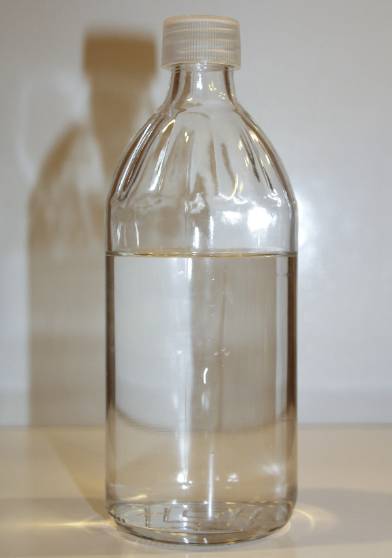
Ethanol is a versatile chemical widely used as a solvent, antiseptic, and fuel. Its major benefits include being a renewable resource that can be produced via fermentation from various biomass materials. It has a lower environmental impact compared to fossil fuels, making it a key player in sustainable energy solutions. Ethanol's antiseptic properties also make it invaluable in medical and sanitation applications.
Applications:
- Biofuel Production: Ethanol is a primary ingredient in biofuels, particularly E85 (85% ethanol, 15% gasoline), which reduces greenhouse gas emissions and dependence on fossil fuels.
- Solvent: Used in the pharmaceutical and cosmetic industries for dissolving substances and delivering active ingredients.
- Medical Uses: Commonly used in hand sanitizers and disinfectants due to its effective antimicrobial properties.
2. Acetic Acid
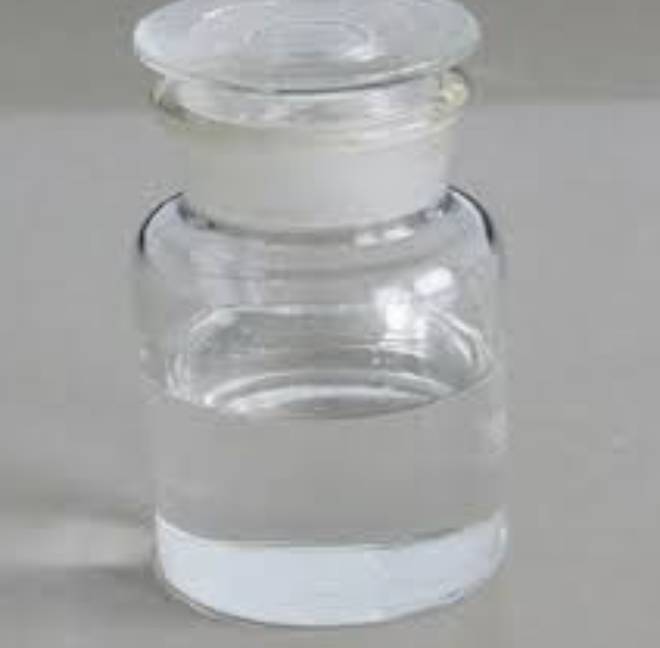
Acetic acid, a weak organic acid, is crucial for various industrial processes. It is biodegradable and less toxic compared to many synthetic chemicals. Its production through fermentation and chemical synthesis from renewable resources further underscores its sustainability.
Applications:
- Chemical Production: Used as a precursor in synthesizing numerous chemicals, including acetic anhydride and acetate esters, essential for producing plastics, textiles, and dyes.
- Food Industry: Acts as a preservative and flavoring agent in the form of vinegar.
- Biotechnology: Serves as a key substrate in microbial fermentation processes for producing biochemicals.
3. Amino Acids
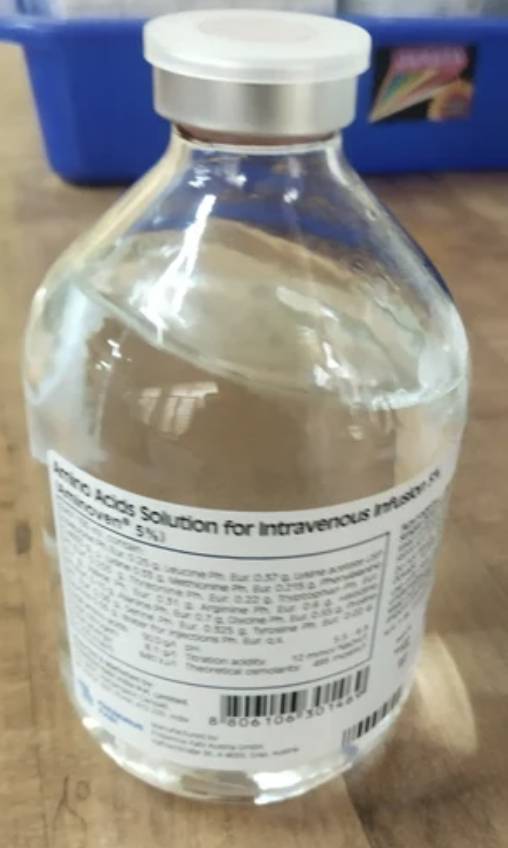
Amino acids are the building blocks of proteins, playing vital roles in nearly all biological processes. They are essential for human health, as well as for the growth and maintenance of all living organisms. Amino acids are used in various therapeutic and nutritional applications, enhancing health and well-being.
Applications:
- Pharmaceuticals: Used in the formulation of drugs and nutritional supplements to treat various health conditions.
- Food Additives: Enhance the nutritional value of food products and are used in sports supplements.
- Agriculture: Employed in animal feed to ensure proper growth and development of livestock.
4. Polylactic Acid (PLA)
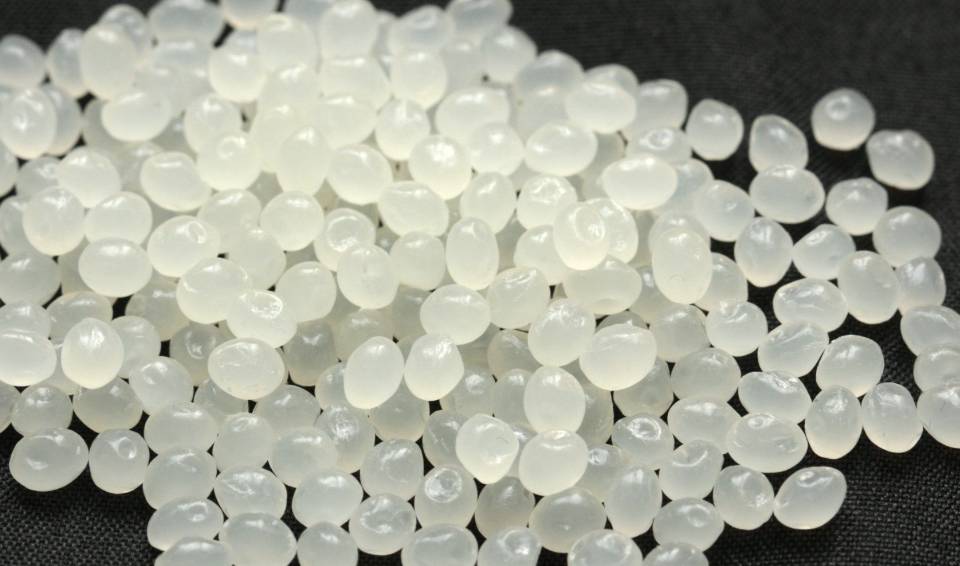
Polylactic acid (PLA) is a biodegradable and bioactive thermoplastic derived from renewable resources such as corn starch or sugarcane. PLA is environmentally friendly, reducing the reliance on petroleum-based plastics and decreasing plastic waste in landfills and oceans.
Applications:
- Bioplastics: Used in the production of biodegradable plastic products, including packaging materials, disposable cutlery, and medical implants.
- Medical Devices: Employed in sutures, stents, and drug delivery systems due to its biocompatibility and biodegradability.
- 3D Printing: PLA is a popular material in 3D printing for creating prototypes and functional parts.
5. Enzymes
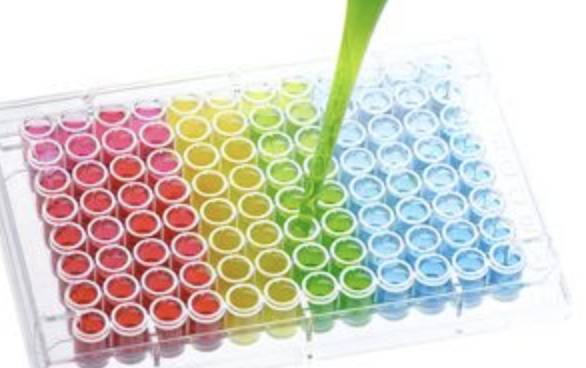
Enzymes are biological catalysts that speed up chemical reactions in living organisms. They are highly specific and efficient, often working under mild conditions, which reduces the need for harsh chemicals and extreme temperatures in industrial processes. This makes them environmentally friendly and cost-effective.
Applications:
- Food Industry: Enzymes like amylases, proteases, and lipases are used to enhance food processing, improve texture, and increase shelf life.
- Biofuel Production: Enzymes break down biomass into fermentable sugars for bioethanol production.
- Medical Field: Used in diagnostic tests, drug manufacturing, and as therapeutic agents in enzyme replacement therapies.
6. Monosaccharides (e.g., Glucose, Fructose)
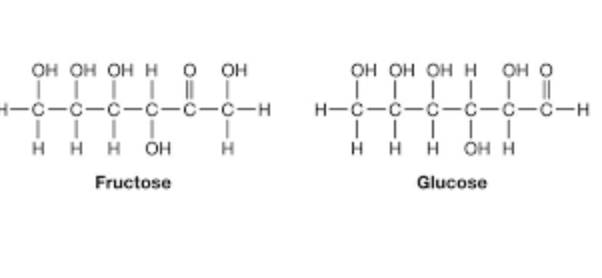
Monosaccharides, such as glucose and fructose, are simple sugars that serve as essential energy sources for living organisms. They are fundamental to metabolism and cellular respiration, providing the energy required for various biological processes. Their natural origin and biodegradability make them sustainable resources.
Applications:
- Fermentation: Glucose is a key substrate in microbial fermentation processes to produce ethanol, organic acids, and other biochemicals.
- Food Industry: Used as sweeteners and preservatives in food and beverages.
- Pharmaceuticals: Employed in intravenous solutions and as excipients in drug formulations.
7. Glycerol
Glycerol is a simple polyol compound that is non-toxic, biodegradable, and derived from renewable sources like plant oils and animal fats. It is a versatile chemical used in numerous industrial and pharmaceutical applications due to its moisturizing and stabilizing properties.
Applications:
- Biofuel Production: A byproduct of biodiesel production, glycerol can be further processed into valuable chemicals or used as a feedstock for microbial fermentation.
- Pharmaceuticals and Cosmetics: Used as a humectant, solvent, and sweetener in creams, lotions, and cough syrups.
- Food Industry: Acts as a sweetener, preservative, and thickening agent in various food products.
8. Citric Acid
Citric acid is a weak organic acid naturally found in citrus fruits. It is biodegradable and non-toxic, making it an environmentally friendly alternative to many synthetic chemicals. Citric acid is prized for its ability to chelate metals, enhance flavors, and preserve products.
Applications:
- Food and Beverage Industry: Used as a preservative, flavor enhancer, and acidulant in beverages, candies, and canned foods.
- Pharmaceuticals: Serves as an excipient in medicines, improving stability and taste.
- Cleaning Agents: Effective in removing limescale and acting as an environmentally friendly cleaning agent.
9. Xanthan Gum
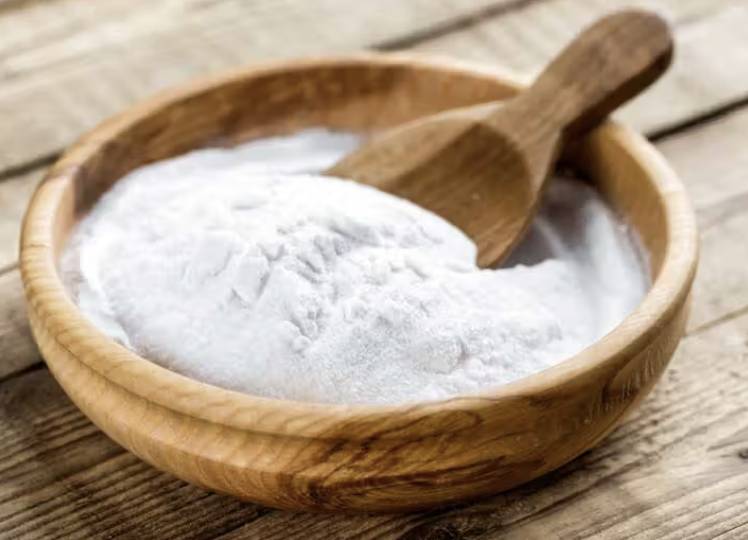
Xanthan gum is a polysaccharide derived from the fermentation of glucose or sucrose by the bacterium Xanthomonas campestris. It is known for its excellent thickening, stabilizing, and emulsifying properties, making it a versatile ingredient in various industries. Xanthan gum is biodegradable and generally recognized as safe (GRAS) for consumption.
Applications:
- Food Industry: Used as a thickening agent in salad dressings, sauces, and gluten-free baking.
- Pharmaceuticals: Stabilizes suspensions and emulsions in liquid medicines.
- Cosmetics: Enhances the texture and stability of lotions, creams, and gels.
10. Biopolymers (e.g., Polyhydroxyalkanoates)
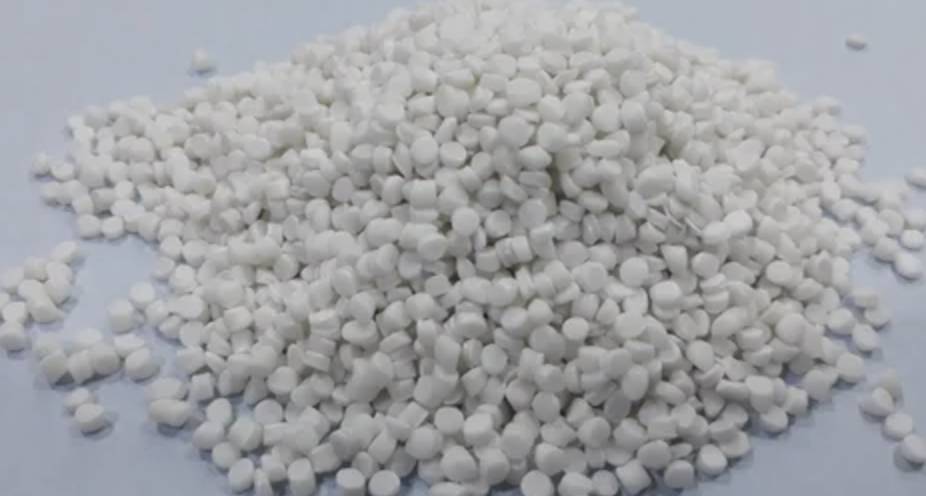
Biopolymers such as polyhydroxyalkanoates (PHAs) are biodegradable plastics produced by microbial fermentation of sugars or lipids. They offer an eco-friendly alternative to conventional plastics, reducing plastic pollution and reliance on fossil fuels.
Applications:
- Biodegradable Plastics: Used in packaging, agricultural films, and disposable items.
- Medical Applications: Employed in the production of biodegradable sutures, drug delivery systems, and tissue engineering scaffolds.
- Agriculture: Used in controlled-release fertilizers and biodegradable mulch films.
Conclusion - Top 10 Chemicals in Biotechnology

The top 10 chemicals in biotechnology—ethanol, acetic acid, amino acids, polylactic acid, enzymes, monosaccharides, glycerol, citric acid, xanthan gum, and biopolymers—are fundamental to the field’s progress and innovation. Each chemical offers distinct benefits, such as sustainability, efficiency, and versatility, which contribute to their widespread applications across diverse industries. From enhancing food production and medical treatments to advancing biofuels and biodegradable materials, these chemicals are at the forefront of efforts to create more sustainable and effective solutions.
As biotechnology continues to develop, the significance of these chemicals will only grow. Their ability to replace harmful substances, reduce environmental impact, and improve industrial processes highlights their vital role in addressing global challenges. By leveraging the unique properties and applications of these chemicals, biotechnology is poised to make significant contributions to health, environmental sustainability, and economic growth.
How can we help you with your chemical requirements?
✅ Are you a company of 11 - 50 people?
✅ Do you use more than 1000 tons of industrial chemicals per year?
✅ Do you spend too much time finding the right chemical manufacturers?
✅ Are you unsure each time whether you will get the right grade of chemical?
If your answer is YES, Reduce Your Chemical Sourcing Headaches, Contact Us Now for a FREE Consultation and Samples Offer
✅Camachem: Quality Chemicals. Every Single Time✅
-
What is the Difference Between Caustic Soda Pearls and Caustic Soda Flakes? (2026 Update)
June 8, 2026
-
Top 10 Caustic Soda Suppliers in Australia [2026]
 June 8, 2026
 -
Frequently Asked Question about Phosphoric Acid
June 8, 2026
-
Zinc Chloride: 5 Hazards and Safety Measures You Need To Know
June 4, 2026
-
10 Things I Need To Know About Zinc Chloride (2026 Update)
June 4, 2026