
 Arabic
 English
 French
 Indonesia
 Portuguese
 Russian
 Vietnamese
 +86-157-2476-6919
Top 10 Chemicals In Marine & ShipBuilding
The marine and shipbuilding industry plays a critical role in global trade and transportation, ensuring the efficient movement of goods and people across vast distances. To maintain the structural integrity and operational efficiency of ships, various chemicals are employed throughout the construction, maintenance, and operational phases. These chemicals are crucial for protecting vessels from the harsh marine environment, ensuring longevity, and enhancing performance.
Know Top 10 Chemicals in Marine & Shipbuilding
- Epoxy Resins
- Polyurethane Coatings
- Antifouling Paints
- Solvents
- Lubricants & Greases
- Fuel Additives
- Desalination Chemicals
- Coolants & Antifreeze
- Corrosion Inhibitors
- Cleaning Agents
In this comprehensive guide, we explore the top 10 chemicals used in the marine and shipbuilding industry, delving into their benefits and specific applications.
1. Epoxy Resins

Epoxy resins are indispensable in the shipbuilding industry due to their exceptional adhesive properties and chemical resistance. These resins are primarily used in coatings, adhesives, and composite materials, providing robust protection against corrosion and wear.
Benefits:
- Strong adhesive properties
- High resistance to water and chemicals
- Durable and long-lasting
Applications:
Bisphenol A (BPA) Epoxy Resin: This type of epoxy resin is widely used for creating protective coatings and adhesives. It forms a durable, water-resistant layer that shields metal surfaces from corrosion and chemical damage. In shipbuilding, BPA epoxy resins are used to coat hulls, decks, and other structural components, ensuring their longevity and structural integrity.
Epichlorohydrin: A key raw material in producing epoxy resins, epichlorohydrin ensures the final product's toughness and chemical resistance. Its role in epoxy resin production is critical for achieving the desired protective qualities needed in marine applications.
2. Polyurethane Coatings
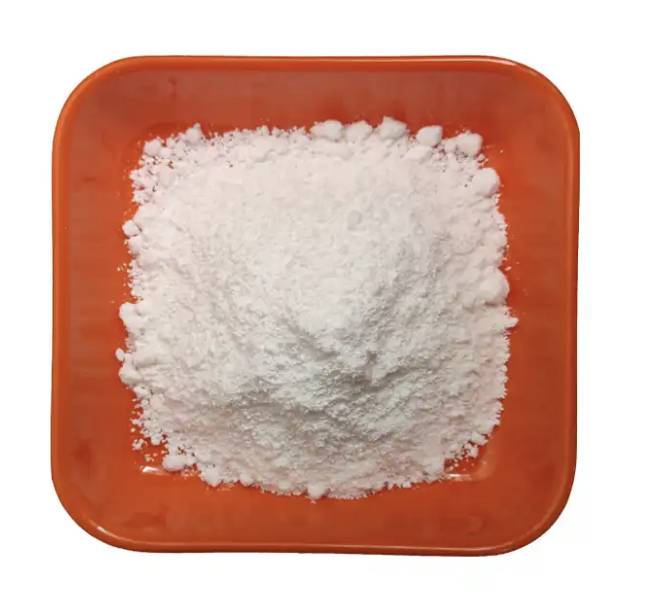
Polyurethane coatings are known for their outstanding protective properties, making them essential in the marine industry. These coatings provide a flexible yet durable barrier that protects ship surfaces from corrosion, abrasion, and harsh environmental conditions.
Benefits:
- Excellent protective barrier
- Resistant to abrasion and harsh environmental conditions
- Flexible and durable
Applications:
Isocyanates (e.g., Toluene Diisocyanate, Methylene Diphenyl Diisocyanate): Isocyanates are crucial components in the formulation of polyurethane coatings. These chemicals react with polyols to form a robust, protective layer. In shipbuilding, polyurethane coatings are applied to hulls, decks, and other surfaces to prevent corrosion and wear, ensuring the vessel's longevity.
Polyols: Polyols react with isocyanates to create polyurethane coatings. The resulting protective layer is flexible, durable, and resistant to harsh marine conditions, making it ideal for ship surfaces that are constantly exposed to water and environmental stressors.
3. Antifouling Paints

Antifouling paints are crucial for maintaining the performance and efficiency of ships. These paints contain biocides that prevent the growth of marine organisms such as barnacles, algae, and mussels on the hull. This reduces drag, improves fuel efficiency, and prolongs the vessel's life.
Benefits:
- Prevents the growth of marine organisms on hulls
- Reduces drag and improves fuel efficiency
- Prolongs the life of the vessel
Applications:
Copper Oxide (Cu2O): Copper oxide is a common biocide used in antifouling paints. It effectively prevents marine organisms from adhering to the hull, reducing drag and maintaining the ship's speed and fuel efficiency. Copper oxide-based antifouling paints are widely used in the marine industry due to their proven effectiveness and durability.
Tributyltin (TBT) Alternatives: While tributyltin was once a popular choice for antifouling paints, its environmental impact led to restrictions and bans. Alternatives such as zinc pyrithione and dichlofluanid are now used. These biocides provide similar antifouling effects without the harmful environmental consequences, making them safer choices for marine applications.
4. Solvents
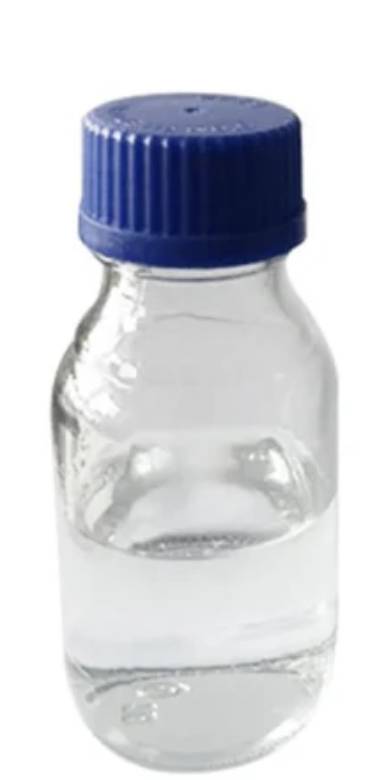
Solvents are essential for cleaning and degreasing metal surfaces in shipbuilding. They remove contaminants, oils, and grease, ensuring that coatings and adhesives adhere properly to the surfaces.
Benefits:
- Effective cleaning and degreasing
- Evaporate quickly, leaving no residue
- Enhance the adhesion of coatings
Applications:
Acetone: Acetone is a widely used solvent in the marine industry due to its effectiveness in cleaning and degreasing. It evaporates quickly, leaving no residue, which is crucial for ensuring optimal adhesion of coatings and paints. Acetone is commonly used to prepare metal surfaces before applying protective coatings.
Xylene: Xylene is another popular solvent used in marine paints and coatings. It helps in the smooth application of protective layers, ensuring an even and durable finish. Xylene is effective in thinning paints and cleaning equipment, making it a versatile solvent in shipbuilding.
5. Lubricants and Greases
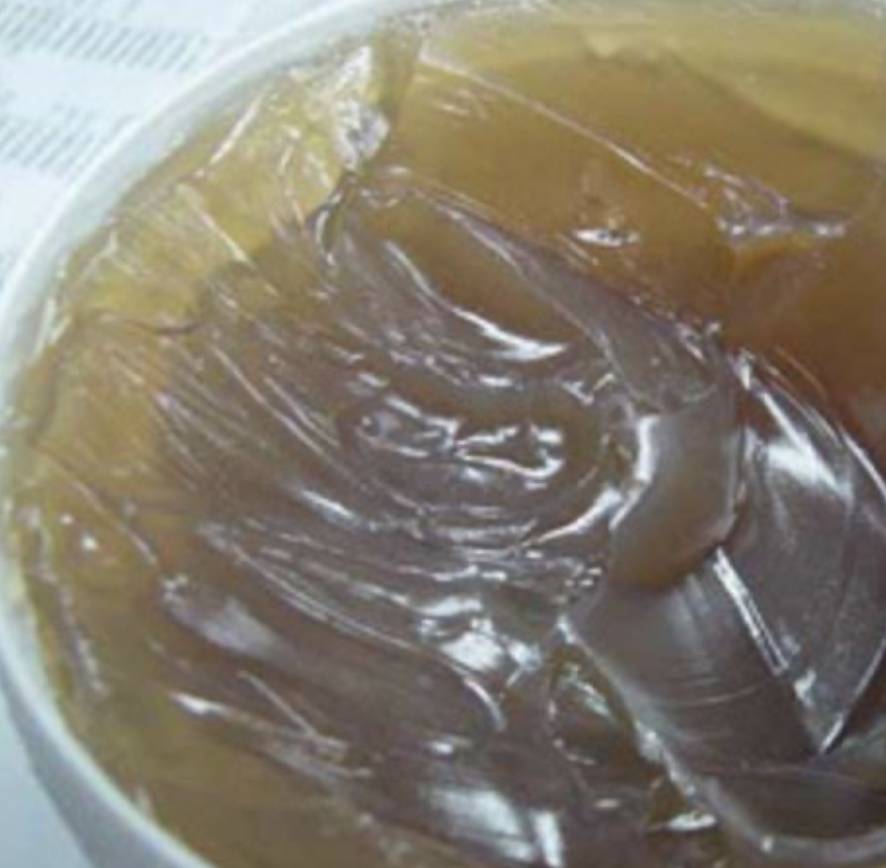
Lubricants and greases are vital for the smooth operation of machinery and moving parts onboard ships. They reduce friction, prevent wear, and protect against rust and corrosion, ensuring the longevity and reliability of mechanical components.
Benefits:
- Reduce friction and wear
- Protect against rust and corrosion
- Enhance the lifespan of machinery
Applications:
Lithium-based Greases: Lithium-based greases are commonly used in the marine industry due to their excellent lubricating properties and resistance to water washout. These greases provide long-lasting protection against corrosion and wear, making them ideal for use in bearings, gears, and other moving parts.
Synthetic Oils: Synthetic oils offer superior lubrication and protection compared to conventional oils. They are used in engines, hydraulic systems, and other machinery to ensure smooth operation and reduce maintenance requirements. Synthetic oils also have a higher resistance to oxidation and thermal breakdown, making them suitable for the demanding conditions of marine environments.
6. Fuel Additives
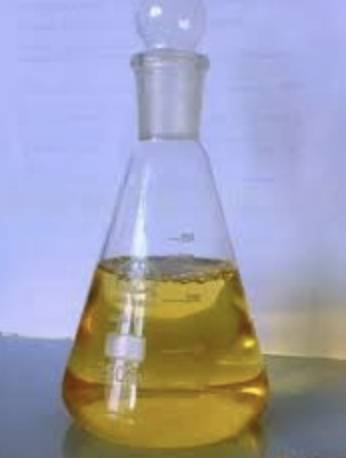
Fuel additives play a crucial role in enhancing the performance and efficiency of marine engines. They improve fuel combustion, reduce emissions, and prevent fuel degradation, ensuring consistent and reliable engine performance.
Benefits:
- Improve fuel efficiency
- Reduce harmful emissions
- Prevent fuel degradation
Applications:
Cetane Improvers (e.g., 2-Ethylhexyl Nitrate): Cetane improvers enhance the combustion efficiency of marine diesel fuels by increasing the cetane number. This results in better ignition quality, improved fuel efficiency, and reduced emissions. Cetane improvers are commonly used in marine engines to achieve optimal performance.
Stabilizers (e.g., Tertiary Butylhydroquinone): Fuel stabilizers prevent the oxidation and degradation of fuel during storage. They inhibit the formation of gums and sediments, ensuring that the fuel remains stable and clean. Stabilizers are essential for maintaining fuel quality and preventing engine issues caused by degraded fuel.
7. Desalination Chemicals
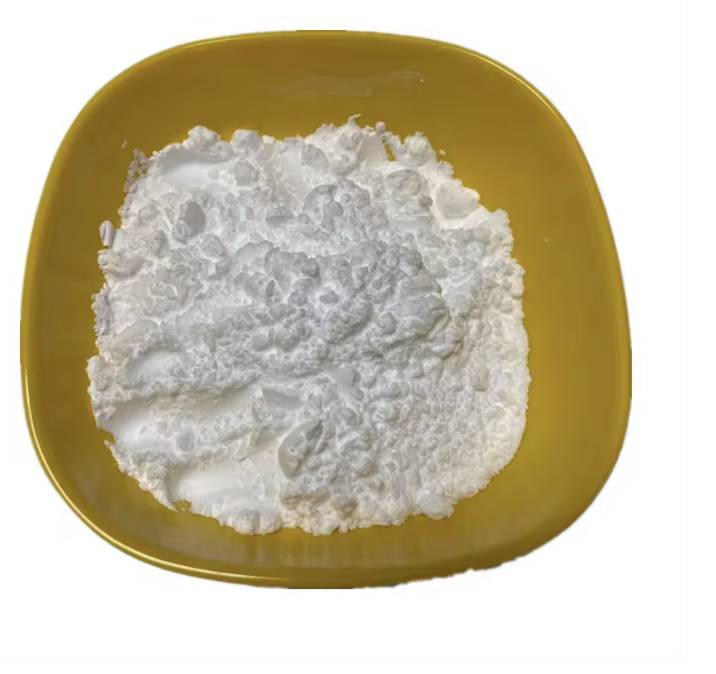
Desalination chemicals are used in water treatment systems onboard ships to produce fresh water from seawater. These chemicals prevent scale formation and control microbial growth, ensuring the efficiency and longevity of desalination systems.
Benefits:
- Efficiently produce fresh water from seawater
- Prevent scale formation and microbial growth
- Ensure the longevity of desalination systems
Applications:
Antiscalants (e.g., Polyacrylic Acid): Antiscalants prevent the formation of scale deposits in desalination systems, enhancing their efficiency and reducing maintenance requirements. Polyacrylic acid is a common antiscalant used to inhibit the precipitation of scale-forming minerals.
Biocides (e.g., Sodium Hypochlorite): Biocides control microbial growth in desalination processes, preventing biofouling and ensuring the production of safe, clean water. Sodium hypochlorite is widely used as a biocide in desalination systems due to its effectiveness and availability.
8. Coolants and Antifreeze
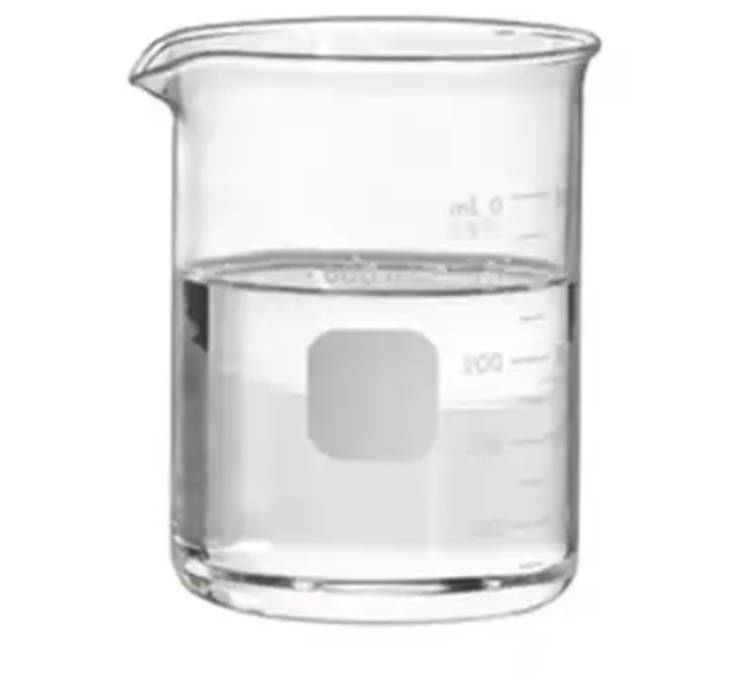
Coolants and antifreeze are essential for maintaining the optimal operating temperature of marine engines. They prevent freezing and overheating, protect against corrosion, and extend the lifespan of engines.
Benefits:
- Protect engine cooling systems from freezing and overheating
- Prevent corrosion within the cooling system
- Extend the lifespan of engines
Applications:
Ethylene Glycol: Ethylene glycol is a primary component in antifreeze formulations. It lowers the freezing point and raises the boiling point of the coolant, providing protection against extreme temperatures. Ethylene glycol-based coolants are commonly used in marine engines to prevent freezing and overheating.
Propylene Glycol: Propylene glycol is an alternative to ethylene glycol, offering similar protective properties with lower toxicity. It is used in cooling systems where environmental and safety considerations are paramount. Propylene glycol is also used in food-grade applications, making it suitable for use in potable water systems onboard ships.
9. Corrosion Inhibitors
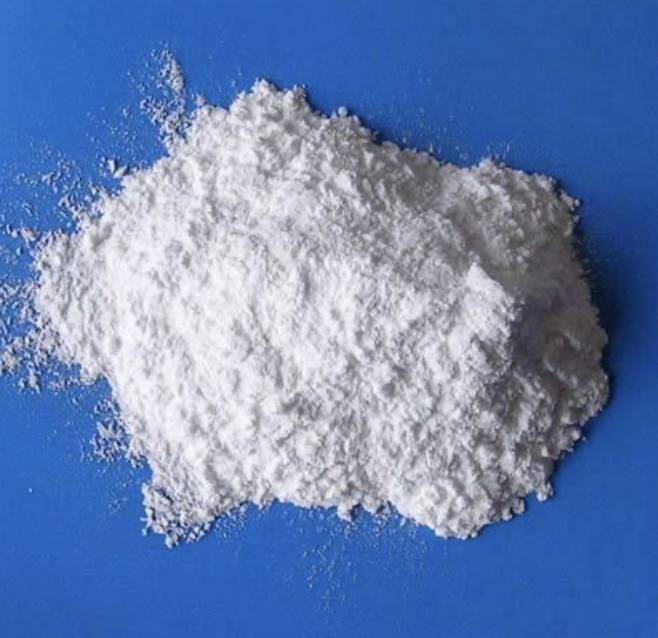
Corrosion inhibitors are crucial for protecting metal parts and structures from rust and corrosion in the marine environment. These chemicals are added to coatings, coolants, and other formulations to enhance their protective properties.
Benefits:
- Prevent rust and corrosion
- Extend the life of metal parts and structures
- Enhance the durability of coatings
Applications:
Zinc Phosphate: Zinc phosphate is used in primers and coatings to prevent corrosion on metal surfaces. It forms a protective layer that inhibits the reaction between metal and corrosive elements. Zinc phosphate-based primers are widely used in shipbuilding to protect steel structures from rust.
Sodium Nitrite: Sodium nitrite is added to cooling systems and coatings to inhibit corrosion and protect metal components. It acts as an oxygen scavenger, preventing the formation of rust and extending the lifespan of metal parts. Sodium nitrite is commonly used in closed-loop cooling systems and antifreeze formulations.
10. Cleaning Agents
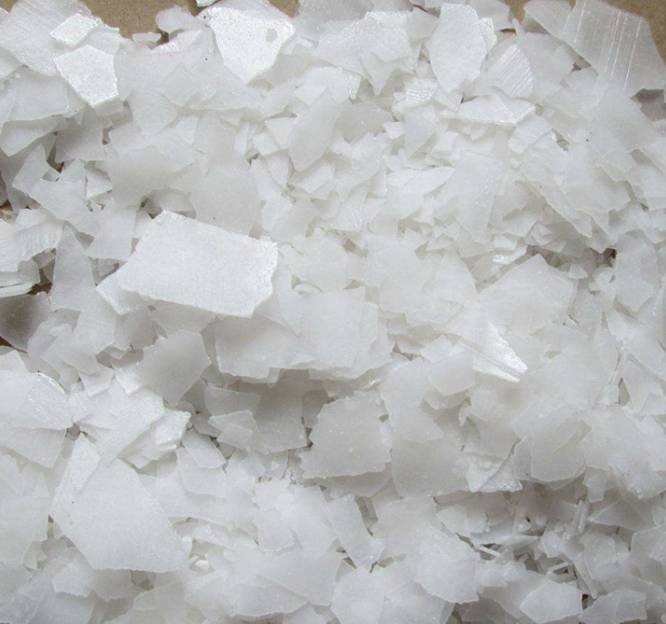
Cleaning agents are essential for maintaining the cleanliness and hygiene of ships. They remove dirt, grease, and contaminants, ensuring that surfaces are clean and functional. Various types of cleaning agents are used in different areas of the ship
Benefits:
- Maintain cleanliness and hygiene
- Remove dirt, grease, and contaminants
- Enhance the appearance and functionality of surfaces
Applications:.
Alkaline Cleaners (e.g., Sodium Hydroxide): Alkaline cleaners are used for heavy-duty cleaning and degreasing of ship surfaces and equipment. Sodium hydroxide is a powerful alkaline cleaner that effectively removes grease, oils, and other contaminants. It is commonly used in engine rooms, decks, and other areas where heavy cleaning is required.
Surfactants (e.g., Sodium Lauryl Sulfate): Surfactants are used in detergents for general cleaning purposes. Sodium lauryl sulfate is a common surfactant that helps in the emulsification and removal of dirt and grime. It is used in various cleaning formulations to ensure the cleanliness and hygiene of ship interiors and exteriors.
Conclusion - Top 10 Chemicals in Marine & Shipbuilding

The marine and shipbuilding industry relies on a diverse array of chemicals to ensure the construction, maintenance, and operational efficiency of vessels. From protective coatings and antifouling paints to lubricants, fuel additives, and cleaning agents, these chemicals play a vital role in maintaining the structural integrity and performance of ships.
By understanding the benefits and applications of these top 10 chemicals, industry professionals can make informed decisions to enhance the durability, safety, and efficiency of their vessels. Whether it's protecting against corrosion, improving fuel efficiency, or maintaining cleanliness, the right chemicals are essential for the successful operation of marine and shipbuilding activities.
How can we help you with your chemical requirements?
✅ Are you a company of 11 - 50 people?
✅ Do you use more than 1000 tons of industrial chemicals per year?
✅ Do you spend too much time finding the right chemical manufacturers?
✅ Are you unsure each time whether you will get the right grade of chemical?
If your answer is YES, Reduce Your Chemical Sourcing Headaches, Contact Us Now for a FREE Consultation and Samples Offer
✅Camachem: Quality Chemicals. Every Single Time✅
-
What is the Difference Between Caustic Soda Pearls and Caustic Soda Flakes? (2026 Update)
June 8, 2026
-
Top 10 Caustic Soda Suppliers in Australia [2026]
 June 8, 2026
 -
Frequently Asked Question about Phosphoric Acid
June 8, 2026
-
Zinc Chloride: 5 Hazards and Safety Measures You Need To Know
June 4, 2026
-
10 Things I Need To Know About Zinc Chloride (2026 Update)
June 4, 2026