
 Arabic
 English
 French
 Indonesia
 Portuguese
 Russian
 Vietnamese
 +86-157-2476-6919
Top 10 Chemicals Used In Personal Care
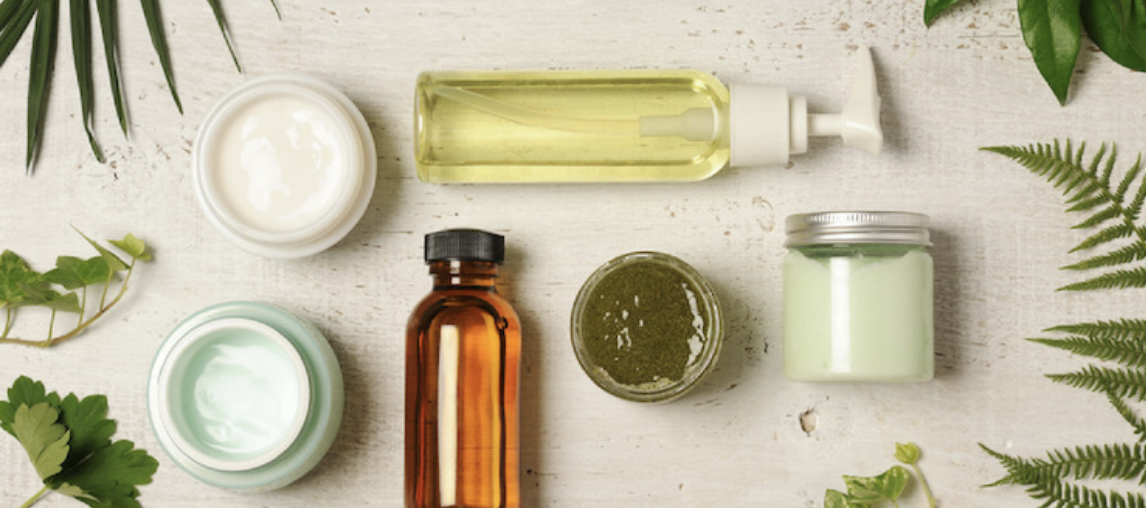
The personal care products encompasses a wide range of products designed to improve hygiene, appearance, and overall well-being. The effectiveness and safety of these products are largely due to the various chemicals they contain.
Each ingredient plays a crucial role, from providing hydration to offering protection from the sun. This comprehensive exploration explains the top 10 chemicals used in personal care products, detailing their functions, properties, and contributions to the industry.
Top 10 Chemicals In Personal Care:
- Water (Agua)
- Sodium Lauryl Sulfate (SLS) / Sodium Laureth Sulfate (SLES)
- Glycerin
- Propylene Glycol
- Parabens (e.g., Methylparaben, Propylparaben)
- Benzoyl Peroxide
- Retinol (Vitamin A)
- Hyaluronic Acid
- Salicylic Acid
- Titanium Dioxide / Zinc Oxide
Here’s a more detailed look at the top 10 chemicals personal care product manufacturers use and we will dive into depth about their benefits and uses.
1) Water (Aqua)

Water, often listed as "aqua" on ingredient labels, is the most common ingredient in personal care products. Most personal care kits contain water. It acts as a solvent, dissolving other ingredients and forming the base for many formulations. Water is more than just a base ingredient; it plays a critical role in ensuring the efficacy of other components. In skincare, the hydration provided by water helps to plump up the skin, reducing the appearance of fine lines and wrinkles. In hair care, water helps to activate surfactants and other cleansing agents, ensuring that they spread evenly and work effectively.
Uses
- Cleansers and Shampoos: Water helps to dilute surfactants, making them less irritating to the skin and hair while aiding in the removal of dirt and oils.
- Lotions and Creams: It hydrates the skin and helps in the delivery of active ingredients.
- Serums and Gels: Acts as a carrier for other ingredients, ensuring they are evenly distributed across the skin.
Properties
- Hydration: Water is a natural hydrator, essential for maintaining skin's moisture balance.
- Solvent: It dissolves a variety of substances, enabling the formulation of complex personal care products.
2) Sodium Lauryl Sulfate (SLS) / Sodium Laureth Sulfate (SLES)

Sodium Lauryl Sulfate (SLS) and Sodium Laureth Sulfate (SLES) are surfactants, meaning they lower the surface tension between ingredients, allowing for better mixing and effective cleaning.
Uses
- Shampoos: These surfactants help to create a rich lather, which lifts dirt and oils from the hair and scalp.
- Body Washes and Soaps: They enable the formation of bubbles, enhancing the cleansing experience.
- Toothpastes: Help to disperse ingredients, allowing for thorough cleaning of the teeth and gums.

Properties
- Lather Production: SLS and SLES are known for their ability to produce a rich and creamy lather.
- Oil Removal: They effectively remove oils and dirt from surfaces, making them excellent cleansing agents.
3) Glycerin
Glycerin, also known as glycerol, is a humectant, meaning it attracts moisture to the skin. Glycerin's ability to retain moisture makes it invaluable in personal care formulations, providing long-lasting hydration. Glycerin's ability to draw moisture into the skin makes it a cornerstone in moisturizing products.
Its compatibility with other ingredients and its non-irritating nature make it suitable for a wide range of products, from hand creams to facial moisturizers. Additionally, glycerin's role in soap making goes beyond just hydration; it also contributes to the transparency and smooth texture of glycerin soaps, which are highly valued for their gentle cleansing properties.

Uses
- Moisturizers: Glycerin is a common ingredient in lotions and creams, where it helps to keep the skin hydrated.
- Soaps: It is used to prevent soaps from drying out, ensuring they remain soft and effective.
- Hair Care Products: In shampoos and conditioners, glycerin helps to maintain moisture balance in the hair.
Properties
- Humectant: Glycerin draws water from the environment into the skin, enhancing hydration.
- Non-Irritating: It is gentle on the skin, making it suitable for sensitive skin types.
4) Propylene Glycol

Propylene Glycol's multifunctional nature makes it a valuable ingredient in personal care. Beyond its humectant properties, it also serves as a stabilizer and carrier for active ingredients, ensuring they remain effective throughout the product's shelf life. Its ability to enhance the penetration of active ingredients into the skin further amplifies the efficacy of treatments and serums, making it a key ingredient in many advanced skincare formulations.
Uses
- Creams and Lotions: It helps to keep these products from drying out and enhances their texture.
- Deodorants: Propylene Glycol is used to dissolve active ingredients and improve application.
- Hair Care: In shampoos and conditioners, it prevents the product from becoming too thick or stiff.
Properties
- Humectant: Like glycerin, propylene glycol attracts moisture, helping to keep the skin hydrated.
- Solvent: It enhances the efficacy of active ingredients by improving their solubility.
5) Parabens (e.g., Methylparaben, Propylparaben)

Parabens are a group of synthetic compounds commonly used as preservatives in personal care products. The use of parabens has been controversial due to concerns about their potential endocrine-disrupting effects. This has led to a surge in the development of alternative preservatives, such as phenoxyethanol, ethylhexylglycerin, and caprylyl glycol.
These alternatives aim to provide the same antimicrobial protection without the associated risks, ensuring that personal care products remain safe and effective for consumers. Parabens ingredients are often checked as ingredients to avoid in skincare for kids under a certain age.
Uses
- Cosmetics: Found in makeup products to prevent microbial growth and extend shelf life.
- Lotions and Shampoos: Prevent the growth of bacteria and fungi, ensuring product safety.
Properties
- Antimicrobial: Parabens are effective against a broad spectrum of microorganisms.
- Stability: They are stable over a wide range of temperatures and pH levels.
6) Benzoyl Peroxide

As a gold standard in acne treatment, Benzoyl Peroxide's effectiveness is well-documented. Its ability to rapidly kill bacteria and reduce inflammation makes it a go-to ingredient for over-the-counter and prescription acne treatments. Benzoyl Peroxide's dual action of killing bacteria and promoting exfoliation makes it a staple in acne treatment products.
Uses
- Acne Creams and Gels: Benzoyl Peroxide kills acne-causing bacteria and reduces inflammation.
- Face Washes: It is used to prevent breakouts and control excess oil.
Properties
- Antibacterial: Benzoyl Peroxide effectively kills Propionibacterium acnes, the bacteria responsible for acne.
- Kerolytic: It helps to shed dead skin cells, preventing clogged pores.
7) Retinol (Vitamin A)
Retinol's transformative effects on the skin are widely recognized. Its ability to promote cell turnover and stimulate collagen production makes it a key ingredient in anti-aging products. However, retinol can be irritating, especially for those with sensitive skin. To mitigate this, many formulations include soothing and hydrating ingredients, such as niacinamide and ceramides, to enhance tolerability while maximizing benefits.
Retinol, a derivative of vitamin A, is widely used in anti-aging products for its ability to promote skin renewal. Retinol is highly effective in reversing signs of aging and improving skin texture, making it a key ingredient in many skincare regimens.
Uses
- Anti-Aging Creams and Serums: Reduces the appearance of fine lines, wrinkles, and age spots.
- Acne Treatments: Helps to unclog pores and reduce the formation of new acne lesions.
Properties
- Cell Turnover: Retinol speeds up the rate of cell turnover, promoting the production of new skin cells.
- Collagen Production: It stimulates collagen synthesis, improving skin elasticity and firmness.
8) Hyaluronic Acid

Hyaluronic Acid is a naturally occurring substance in the skin, known for its incredible ability to retain moisture. The ability of Hyaluronic Acid to retain moisture and enhance skin's natural barrier makes it a prized ingredient in skincare.
Uses
- Moisturizers and Serums: Provides intense hydration and plumping effects.
- Anti-Aging Products: Helps to reduce the appearance of fine lines and wrinkles by keeping the skin hydrated.
Properties
- Humectant: Hyaluronic Acid can hold up to 1,000 times its weight in water, making it an excellent hydrating agent.
- Non-Irritating: It is suitable for all skin types, including sensitive skin.
9) Salicylic Acid
Salicylic Acid is a beta hydroxy acid (BHA) known for its exfoliating properties. Salicylic Acid's role in acne treatment extends beyond its exfoliating properties. Its ability to penetrate deep into the pores makes it effective in preventing and treating acne at its source.
Additionally, its anti-inflammatory properties help to calm irritated skin, making it suitable for use in products targeting both acne and sensitive skin. Combining salicylic acid with other active ingredients, such as niacinamide and tea tree oil, further enhances its efficacy in comprehensive acne treatment regimens.
Uses
- Acne Treatments: Helps to unclog pores and reduce inflammation.
- Exfoliants: Found in peels and exfoliating cleansers to remove dead skin cells.
Properties
- Keratolytic: Salicylic Acid softens and dissolves keratin, allowing for the exfoliation of dead skin cells.
- Anti-Inflammatory: It reduces redness and inflammation, making it effective in treating acne.
10) Titanium Dioxide / Zinc Oxide
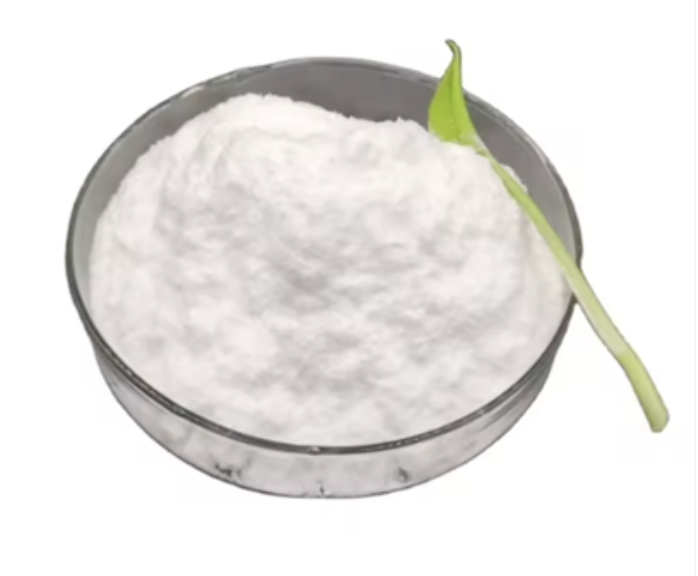
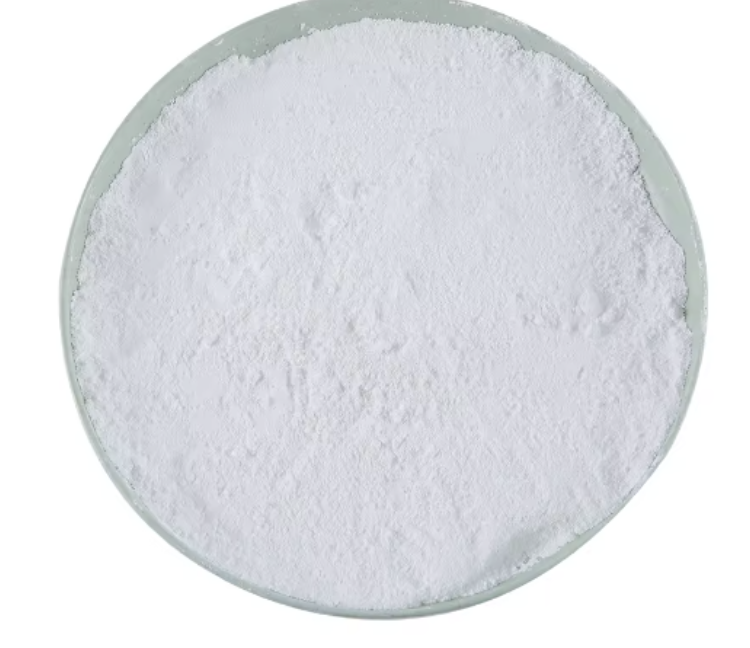
Titanium Dioxide and Zinc Oxide are mineral compounds used primarily in sunscreens. Pharmaceutical grade titanium dioxide is used in making personal care products. The importance of sun protection cannot be overstated, and Titanium Dioxide and Zinc Oxide provide reliable, broad-spectrum protection.
These cosmetic chemicals provide an ability to reflect and scatter UV rays without penetrating the skin, making them ideal for sensitive skin and for use in products designed for children. Innovations in formulation technology have improved the texture and feel of mineral sunscreens, reducing the white cast traditionally associated with these ingredients and enhancing their aesthetic appeal.
Uses
- Sunscreens: Provide broad-spectrum protection against UVA and UVB rays.
- Foundations: Often included in makeup products to provide sun protection.
Properties
- Physical Barrier: These minerals sit on top of the skin, reflecting and scattering UV rays.
- Non-Irritating: They are gentle and suitable for sensitive skin.
Conclusion - Top 10 Chemicals Used in Personal Care

The personal care industry relies on a diverse array of chemicals to create products that are not only effective but also safe and pleasant to use. From the fundamental role of water to the specialized functions of active ingredients like retinol and benzoyl peroxide, each chemical contributes to the overall performance and consumer satisfaction of personal care products.
As the industry continues to evolve, ongoing research and innovation will ensure that these chemicals meet the highest standards of safety and efficacy, addressing the ever-changing needs and preferences of consumers.
How can we help you with your chemical requirements?
✅ Are you a company of 11 - 50 people?
✅ Do you use more than 1000 tons of industrial chemicals per year?
✅ Do you spend too much time finding the right chemical manufacturers?
✅ Are you unsure each time whether you will get the right grade of chemical?
If your answer is YES, Reduce Your Chemical Sourcing Headaches, Contact Us Now for a FREE Consultation and Samples Offer
✅Camachem: Quality Chemicals. Every Single Time✅
-
What is the Difference Between Caustic Soda Pearls and Caustic Soda Flakes? (2026 Update)
June 8, 2026
-
Top 10 Caustic Soda Suppliers in Australia [2026]
 June 8, 2026
 -
Frequently Asked Question about Phosphoric Acid
June 8, 2026
-
Zinc Chloride: 5 Hazards and Safety Measures You Need To Know
June 4, 2026
-
10 Things I Need To Know About Zinc Chloride (2026 Update)
June 4, 2026