
 Arabic
 English
 French
 Indonesia
 Portuguese
 Russian
 Vietnamese
 +86-157-2476-6919
Top 10 Chemicals Used in Textiles

The textile industry is a vast and intricate sector that relies heavily on chemistry to produce high-quality fabrics with desired properties. Chemicals play a crucial role in various stages of textile manufacturing, from dyeing and finishing to enhancing fabric performance. This article delves into the top chemicals used in textiles and their applications, highlighting the importance of chemistry in this industry.
Here’s a more detailed look at the top 10 chemicals personal care product manufacturers use and we will dive into depth about their benefits and uses.
1. Dyes and Pigments

Dyes and pigments are organic and inorganic compounds that impart color to textile fibers. They can be derived from natural sources, such as plants and minerals, or synthesized artificially. The choice of dye or pigment depends on the type of fabric and the desired color properties, including brightness and fastness.
- Benefits: Dyes and pigments are essential for imparting vibrant colors to textiles. They provide a wide range of hues and shades that cater to fashion trends and consumer preferences. The chemical structure of dyes allows for strong binding to fabric fibers, ensuring colorfastness and durability. Additionally, dyes can be engineered to resist fading from light and washing, maintaining the fabric's aesthetic appeal over time.
- Applications:Dyes and pigments are utilized in various dyeing processes, such as direct, reactive, disperse, and vat dyeing, to achieve durable and long-lasting colors on different types of fabrics. Chemicals like hydrochloric acid are often used in the dyeing process to adjust pH levels and ensure optimal dye uptake. The application of dyes and pigments is crucial in creating visually appealing textiles that meet consumer preferences. For example, reactive dyes form a covalent bond with cellulose fibers, making them ideal for cotton fabrics, while disperse dyes are suitable for synthetic fibers like polyester.
2. Formaldehyde

Formaldehyde is a colorless, pungent-smelling gas used in various industrial applications. In textiles, it is often applied as a formaldehyde resin, which reacts with the fibers to create durable bonds. This chemical is valued for its ability to improve the mechanical properties of fabrics, making them more resilient and long-lasting.
- Benefits: Formaldehyde is widely used in the textile industry to enhance fabric durability and wrinkle resistance. This chemical treatment allows fabrics to retain their shape and appearance even after multiple washes, providing convenience and longevity to the end-users. Formaldehyde-based finishes also improve fabric strength, reducing wear and tear, and extending the life of garments.
- Applications:Formaldehyde is employed in finishing processes to impart wrinkle-free and durable press properties to garments. It is often used in the production of dress shirts, trousers, and other apparel that benefit from a crisp, wrinkle-resistant finish. The chemical forms cross-links with cellulose fibers in the fabric, creating a permanent press effect that eliminates the need for ironing.
3. Bleaching Agents (e.g., Sodium Hypochlorite, Hydrogen Peroxide)

Bleaching agents are chemicals used to decolorize fabrics by breaking down the natural pigments in fibers. These agents are crucial in preparing textiles for dyeing and printing by providing a consistent white base. Common bleaching agents include chlorine-based compounds and peroxides, each with specific properties suited to different fabric types.
- Benefits:Bleaching agents, such as sodium hypochlorite and hydrogen peroxide, are used to remove the natural color from fibers, providing a white base for dyeing. These chemicals effectively break down color pigments in natural fibers, resulting in a clean and bright white fabric. This process is essential for producing uniform and vibrant colored textiles, as a white base ensures that the dye colors are not distorted.
- Applications: Bleaching agents are employed in the bleaching process to achieve uniform and bright white fabrics, which are essential for further coloration and patterning. The use of bleaching agents ensures that the textiles have a consistent and clean appearance, ready for subsequent manufacturing steps. In addition to apparel, bleached fabrics are used in home textiles, medical textiles, and industrial applications where a bright white appearance is desired.
4. Acids (Acetic Acid)

Acids are substances that can donate protons (H+) or accept electron pairs in chemical reactions. In textile processing, they are used to control the pH levels during various stages, particularly in dyeing. The correct pH is crucial for the stability and solubility of dyes, as well as for the interaction between dyes and fibers.
- Benefits: Acids, including acetic acid, play a vital role in the dyeing process by adjusting the pH levels of dye baths. Maintaining the desired pH level is crucial for proper dye uptake and color fastness. Acids help ensure that the dyes bond effectively with the fabric fibers, resulting in vibrant and long-lasting colors. Proper pH adjustment also prevents dye wastage and improves the efficiency of the dyeing process..
- Applications: Acids are used to maintain the desired pH level during dyeing to ensure proper dye uptake and color fastness. For example, acetic acid is commonly used to neutralize the alkaline conditions in the dye bath, optimizing the environment for acid dyes to react with nylon and wool fibers. This chemical adjustment is a key step in achieving high-quality dyed textiles, ensuring that the colors are consistent and durable.
5. Surfactants

Surfactants are compounds that reduce surface tension between two liquids or a liquid and a solid. They consist of a hydrophobic (water-repelling) tail and a hydrophilic (water-attracting) head. This unique structure allows surfactants to enhance the spreading and penetration of liquids, making them essential in various textile processes.
- Benefits:Surfactants are used in textile manufacturing to improve the wetting and dispersing properties of dyes and chemicals. They lower the surface tension of water, allowing chemicals to spread more evenly and penetrate the fabric fibers more effectively. This ensures uniform application of dyes and finishes, resulting in high-quality and consistent textiles.
- Applications: Surfactants are utilized in processes such as scouring, bleaching, and dyeing to enhance the penetration and distribution of chemicals within the fabric. For instance, during scouring, surfactants help remove natural oils and impurities from the fibers, preparing them for subsequent chemical treatments. In dyeing, surfactants aid in the even dispersion of dyes, preventing patchy or uneven coloring.
6. Enzymes

Enzymes are biological catalysts that speed up chemical reactions in living organisms. In textiles, enzymes are used to perform specific functions at lower temperatures and pH levels compared to traditional chemicals. This eco-friendly approach not only reduces energy consumption but also minimizes the environmental impact of textile processing.

- Benefits: Enzymes provide eco-friendly alternatives for various textile processes. They offer a sustainable option for achieving desired textile properties without the need for harsh chemicals. Enzymes are biodegradable and operate under mild conditions, reducing the environmental impact of textile manufacturing. They also enhance the efficiency of processes, leading to energy and water savings.
- Applications: Enzymes are used in bio-polishing to remove fuzz, desizing to break down starches, and denim finishing to create a stone-washed effect. In bio-polishing, cellulase enzymes are used to remove protruding fibers from the surface of cotton fabrics, resulting in a smooth and soft finish. In denim finishing, enzymes like amylases and cellulases are used to create a worn and aged look without the use of pumice stones, reducing mechanical damage to the fabric.
7. Softeners

Softeners are chemicals applied to fabrics to improve their tactile properties. They can be cationic, anionic, or nonionic, each type providing different effects. Softeners work by coating the fibers, reducing friction, and enhancing the fabric's flexibility, making it softer and more comfortable to the touch.
- Benefits: Softeners are applied in the finishing stage of textile manufacturing to improve the hand feel and drapability of fabrics. They give textiles a soft and smooth touch, enhancing their overall comfort and appeal. Softeners can also improve the mechanical properties of fabrics, such as flexibility and elasticity, making them more comfortable to wear.
- Applications: Softeners are used in the production of garments, home textiles, and other fabric-based products where a pleasant tactile quality is important. For example, in the manufacturing of bed linens, softeners ensure that the fabric feels soft against the skin, enhancing the user's comfort. In apparel, softeners improve the drape and flow of garments, contributing to their aesthetic and functional qualities.
8. Flame Retardants

Flame retardants are chemicals added to materials to prevent or slow the spread of fire. They work by interrupting the combustion process through various mechanisms, such as creating a protective barrier, releasing flame-inhibiting gasses, or promoting char formation. These chemicals are crucial in enhancing the fire safety of textiles used in various applications.

- Benefits: Flame retardants are incorporated into textiles to reduce their flammability. These chemicals create a barrier that slows down the spread of flames and reduces the risk of fire-related injuries. Flame retardants enhance the safety of textiles, making them suitable for use in environments where fire hazards are a concern.
- Applications: Flame retardants are used in fabrics for protective clothing, upholstery, and curtains to enhance fire safety. For instance, flame retardant treatments are applied to firefighter uniforms, ensuring that they provide adequate protection in high-heat situations. In home furnishings, flame retardants are used in upholstery fabrics to prevent the rapid spread of fire, contributing to overall fire safety in residential settings.
9. Water Repellents

Water repellents are chemicals that create a hydrophobic surface on textiles, preventing water from penetrating the fabric. These treatments can be based on silicones, fluorocarbons, or other hydrophobic materials. Water repellents are essential in producing fabrics that can withstand wet conditions while remaining dry and comfortable.
- Benefits: Water repellents are used to impart water resistance to fabrics, making them suitable for outdoor clothing, tents, and other items that require protection from moisture. These chemicals create a hydrophobic barrier on the fabric surface, preventing water from penetrating the fibers. Water repellents enhance the functionality and performance of textiles, ensuring they remain dry and comfortable in wet conditions.
- Applications: Water repellents are applied to textiles used in outdoor and recreational gear, such as raincoats, umbrellas, and tents. For example, water-repellent treatments are used in the production of hiking jackets, ensuring that they keep the wearer dry during rain showers. In addition, water repellents are used in marine textiles to protect boat covers and sails from water damage.
10. Antimicrobial Agents
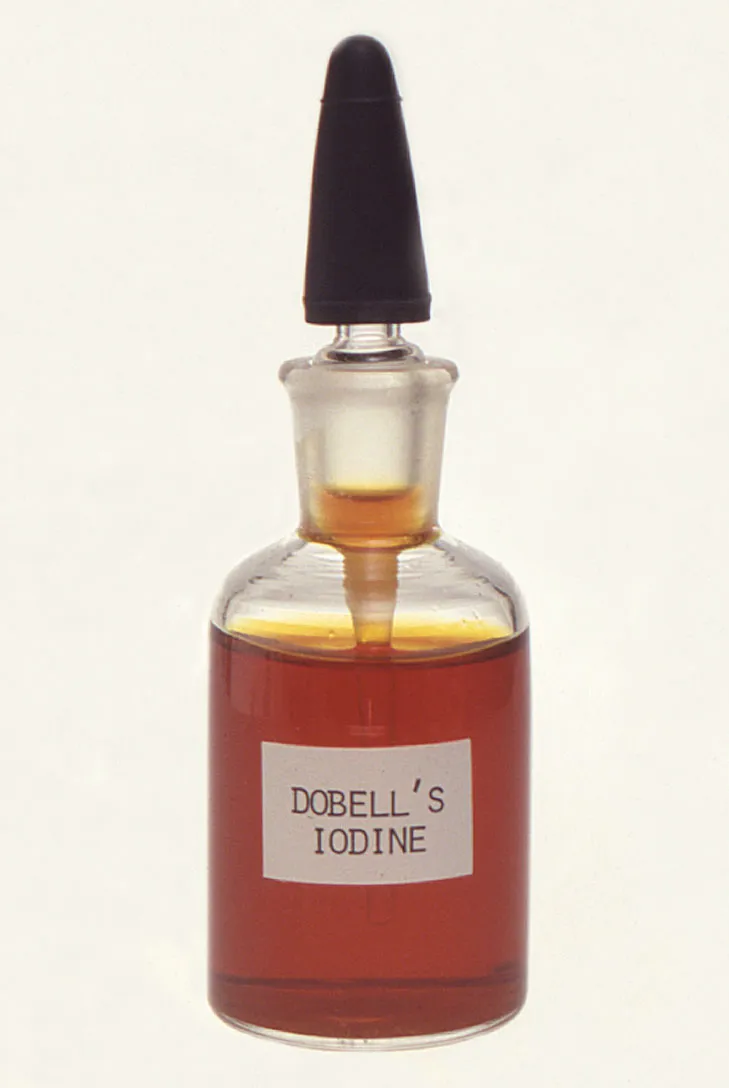
Antimicrobial agents are substances that inhibit the growth of microorganisms, such as bacteria and fungi. These chemicals are used in textiles to enhance hygiene and reduce odors. Antimicrobial treatments can be permanent or durable, depending on the intended use and desired longevity of the antimicrobial effect.
- Benefits: Antimicrobial agents are employed in textiles to prevent the growth of bacteria and fungi, maintaining hygiene and preventing odors. These chemicals inhibit the proliferation of microorganisms, ensuring that the fabrics remain clean and fresh even with prolonged use. Antimicrobial agents enhance the safety and comfort of textiles, making them suitable for use in healthcare and activewear.
- Applications: Antimicrobial agents are used in medical textiles, sportswear, and home textiles to ensure that the fabrics remain hygienic and odor-free. For instance, antimicrobial treatments are applied to hospital bed linens to reduce the risk of infection. In sportswear, antimicrobial agents help prevent the buildup of sweat-related odors, enhancing the wearer's comfort during physical activities.
Conclusion - Top 10 Chemicals Used in Textiles

Chemicals enhance textiles by improving quality and aesthetics. Dyes and pigments add vibrant colors, while agents like formaldehyde maintain fabric shape. Bleaching agents ensure a uniform base for dyeing, and surfactants improve chemical dispersion.
Eco-friendly alternatives like enzymes and softeners add functionality, including fire safety and hygiene. With a focus on sustainability, the industry is evolving to incorporate eco-friendly chemicals, ensuring textiles meet both consumer preferences and environmental standards.
How can we help you with your chemical requirements?
✅ Are you a company of 11 - 50 people?
✅ Do you use more than 1000 tons of industrial chemicals per year?
✅ Do you spend too much time finding the right chemical manufacturers?
✅ Are you unsure each time whether you will get the right grade of chemical?
If your answer is YES, Reduce Your Chemical Sourcing Headaches, Contact Us Now for a FREE Consultation and Samples Offer
✅Camachem: Quality Chemicals. Every Single Time✅
-
What is the Difference Between Caustic Soda Pearls and Caustic Soda Flakes? (2026 Update)
June 8, 2026
-
Top 10 Caustic Soda Suppliers in Australia [2026]
 June 8, 2026
 -
Frequently Asked Question about Phosphoric Acid
June 8, 2026
-
Zinc Chloride: 5 Hazards and Safety Measures You Need To Know
June 4, 2026
-
10 Things I Need To Know About Zinc Chloride (2026 Update)
June 4, 2026