
 Arabic
 English
 French
 Indonesia
 Russian
 Spanish
 Vietnamese
 +86-157-2476-6919
Top 10 Chemicals In Aerospace Manufacturing

The aerospace industry is a marvel of modern engineering, combining cutting-edge technology with sophisticated materials to achieve feats once thought impossible. At the heart of this innovation lies a variety of specialized chemicals, each playing a crucial role in manufacturing, maintaining, and operating aircraft and spacecraft. These chemicals ensure the reliability, performance, and safety of aerospace components under extreme conditions.
In this comprehensive blog, we delve into the top 10 chemicals used in the aerospace industry, exploring their benefits and diverse applications.
Top 10 Chemicals in Aerospace
- Hydrazine
- Titanium Dioxide
- Epoxy Resins
- Polyimides
- Aluminum Alloys
- Silicone Sealants
- Phosphoric Acid
- Boron Fiber
- Fluoropolymers
- Chromic Acid
1. Hydrazine
Hydrazine is an essential chemical in the aerospace industry due to its high energy density and ability to act as a powerful propellant. It is particularly valued for its ability to provide instant and consistent thrust, which is critical for space missions and emergency power systems in aircraft.
Applications:
- Satellite Thrusters: Hydrazine is used as a monopropellant in satellite thrusters, providing the necessary thrust to maintain orbit, adjust positioning, and perform deorbiting maneuvers.
- Space Exploration Vehicles: It serves as a rocket propellant in various space exploration missions, powering spacecraft during critical phases such as launch, orbit insertion, and landing.
- Military Aircraft: Hydrazine is employed in emergency power units (EPUs) of military aircraft, providing a reliable source of power in the event of an engine failure or other emergency situations.
2. Titanium Dioxide
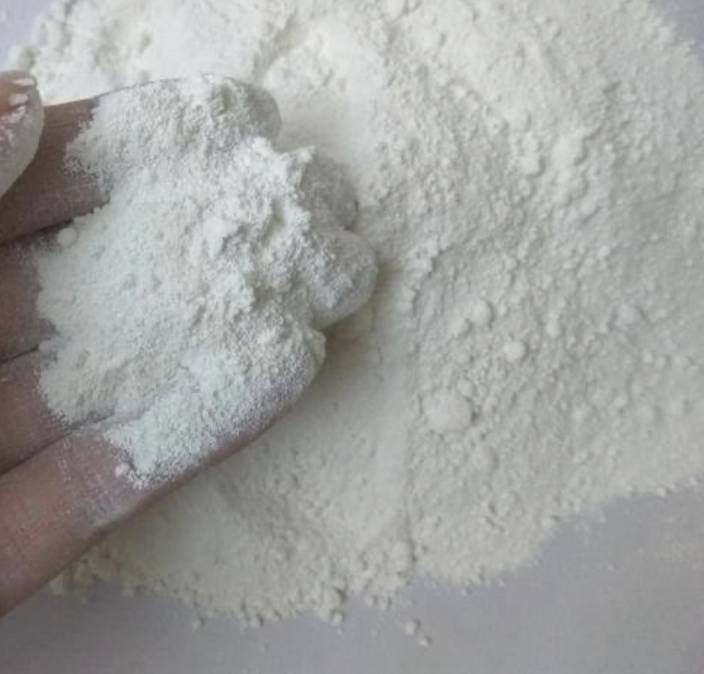
Titanium dioxide (TiO2) is renowned for its excellent UV resistance, durability, and corrosion protection. These properties make it an indispensable component in the aerospace coatings and paints industry, ensuring the longevity and aesthetic appeal of aircraft surfaces.
Applications:
- Exterior Coatings: TiO2 is used in exterior aircraft coatings to protect against UV radiation, extreme weather conditions, and corrosive environments, enhancing the lifespan and appearance of the aircraft.
- Interior Coatings: Inside the aircraft, TiO2 is used in coatings and paints to provide a durable and aesthetically pleasing finish, improving the cabin's appearance and resistance to wear and tear.
3. Epoxy Resins
Epoxy resins are valued for their exceptional mechanical properties, including high strength, rigidity, and resistance to chemicals and heat. They also offer excellent adhesive qualities, making them ideal for bonding various aerospace materials.
Applications:
- Composite Materials: Epoxy resins are used in the fabrication of composite materials for aircraft structures such as fuselage panels, wings, and rotor blades. These composites provide the necessary strength and lightweight properties for efficient flight.
- Adhesives: Epoxy resins are employed as adhesives in assembling aircraft components, ensuring strong and durable bonds that can withstand the stresses of flight.
- Protective Coatings: They are also used in protective coatings for aircraft parts, offering resistance to corrosion, chemicals, and environmental damage.
4. Polyimides
Polyimides possess outstanding thermal stability, mechanical strength, and chemical resistance. They can withstand extreme temperatures, making them suitable for high-performance applications in the aerospace industry.
Applications:
- Flexible Printed Circuits: Polyimides are used in the manufacturing of flexible printed circuits, which are essential for electronic systems in aircraft and spacecraft due to their ability to maintain performance under thermal stress.
- Insulation for Wiring: They provide insulation for wiring and cables, ensuring safety and reliability in high-temperature and high-voltage environments.
- Adhesives and Coatings: Polyimides are used as adhesives and coatings in aerospace components, providing durable protection against heat, chemicals, and mechanical stress.
5. Aluminum Alloys
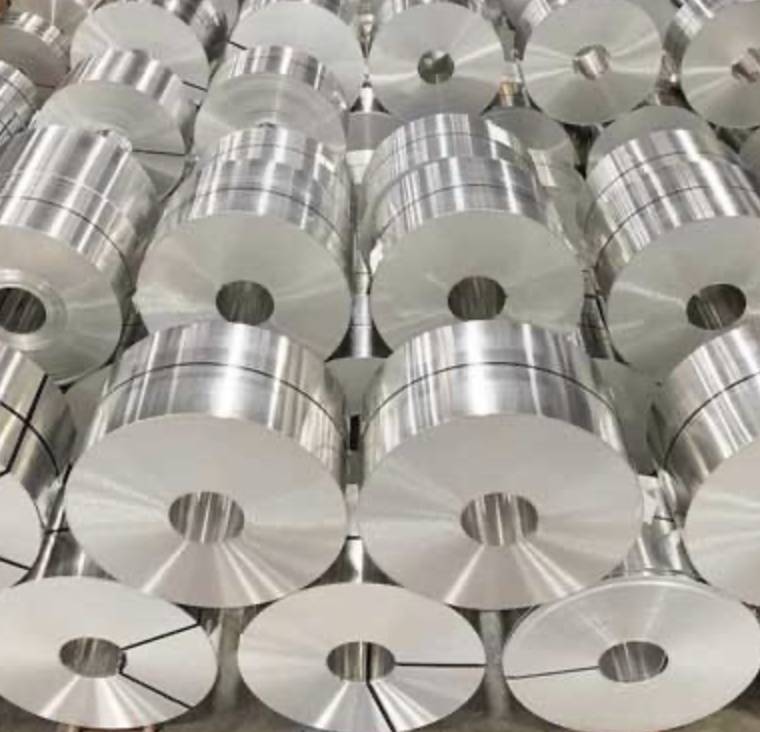
Aluminum alloys are prized in the aerospace industry for their combination of lightweight properties and high strength. This makes them ideal for reducing the overall weight of aircraft, improving fuel efficiency without compromising structural integrity.
Applications:
- Airframes: Aluminum alloys are extensively used in constructing airframes, providing the necessary strength and flexibility to withstand the aerodynamic forces during flight.
- Fuselages: They are also used in the fuselages of aircraft, where their lightweight properties contribute to improved fuel efficiency and performance.
- Wing Structures: Aluminum alloys are employed in the fabrication of wing structures, ensuring they are strong enough to support the weight of the aircraft while providing the necessary lift.
6. Silicone Sealants
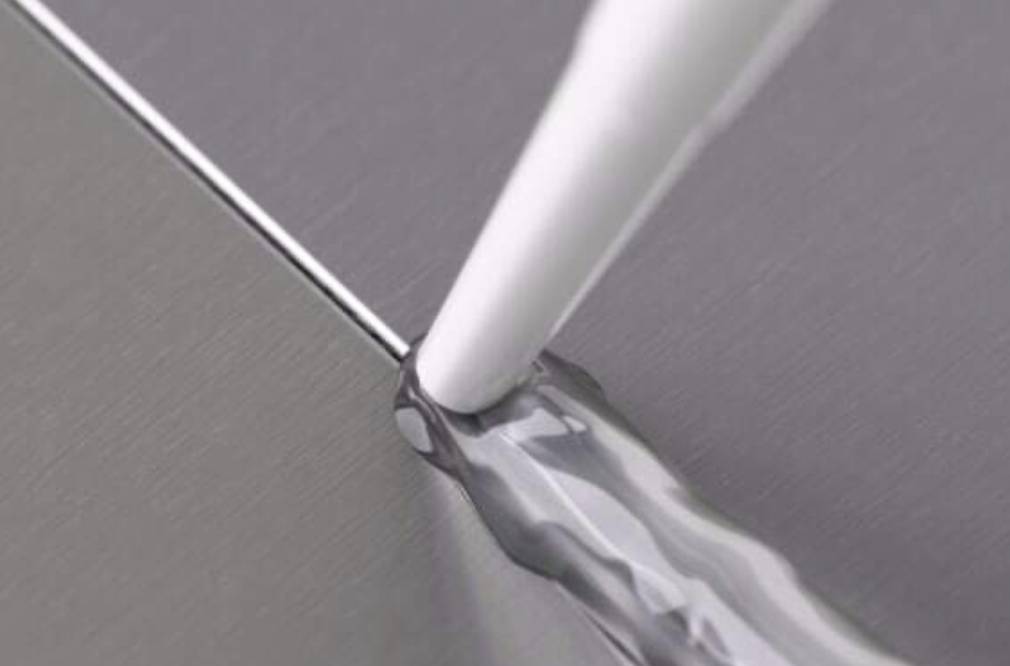
Silicone sealants offer excellent flexibility, temperature resistance, and adhesion to various substrates. They are also resistant to UV light, moisture, and environmental degradation, making them ideal for aerospace applications.
Applications:
- Sealing Joints: Silicone sealants are used to seal joints and seams in aircraft structures, preventing air and water leakage and ensuring cabin pressurization and structural integrity.
- Windows: They are employed in sealing aircraft windows, providing a durable and flexible bond that can withstand pressure changes and environmental stress.
- Critical Components: Silicone sealants are also used in sealing other critical components, such as avionics and electronic systems, to protect them from moisture and contaminants.
7. Phosphoric Acid
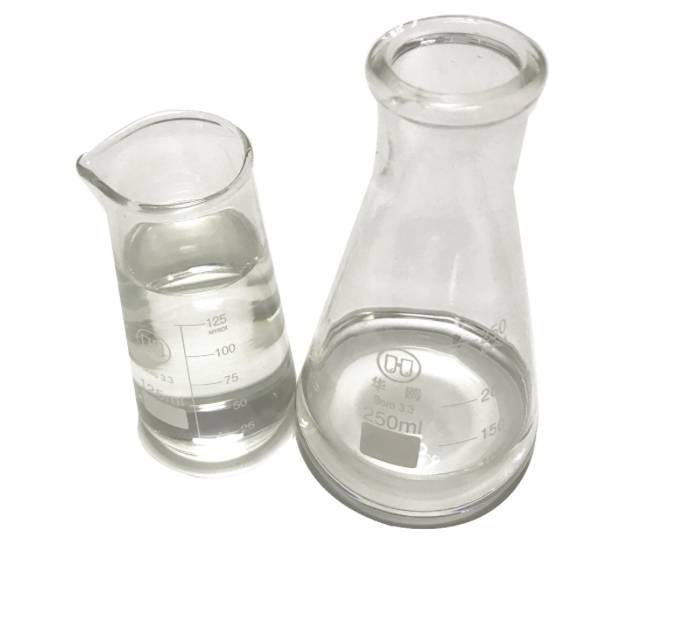
Phosphoric acid is used in metal surface treatments to clean, etch, and prepare surfaces for bonding and coating. It enhances adhesion and provides corrosion resistance, ensuring the longevity and performance of aerospace components.
Applications:
- Anodizing Processes: Phosphoric acid is used in anodizing processes for aluminum parts, creating a protective oxide layer that enhances corrosion resistance and paint adhesion.
- Surface Preparation: It is employed in preparing metal surfaces before painting or coating, ensuring a clean and well-etched surface that improves adhesion and durability.
- Rust Inhibition: Phosphoric acid is used as a rust inhibitor in maintenance operations, preventing the corrosion of metal components and extending their service life.
8. Boron Fiber
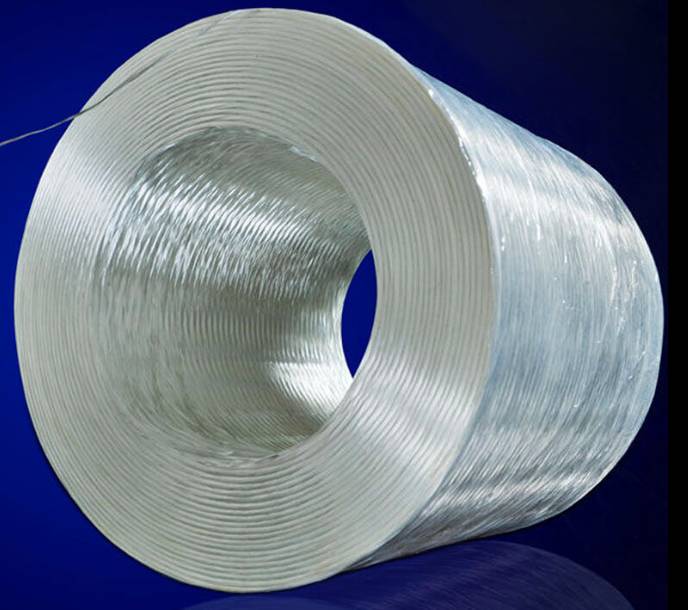
Boron fiber is known for its high stiffness, strength, and lightweight properties. It is used to reinforce composite materials, enhancing their mechanical performance and durability.
Applications:
- Structural Components: Boron fiber is utilized in the manufacturing of structural components such as wings, fuselage sections, and tail assemblies. Its high strength-to-weight ratio contributes to the overall performance and efficiency of aircraft.
- Military Aircraft: Boron fiber is employed in military aircraft to improve the strength and durability of critical components, enhancing their performance in demanding environments.
- Spacecraft: It is also used in the construction of spacecraft, where its lightweight properties are essential for achieving the required performance and fuel efficiency.
9. Fluoropolymers
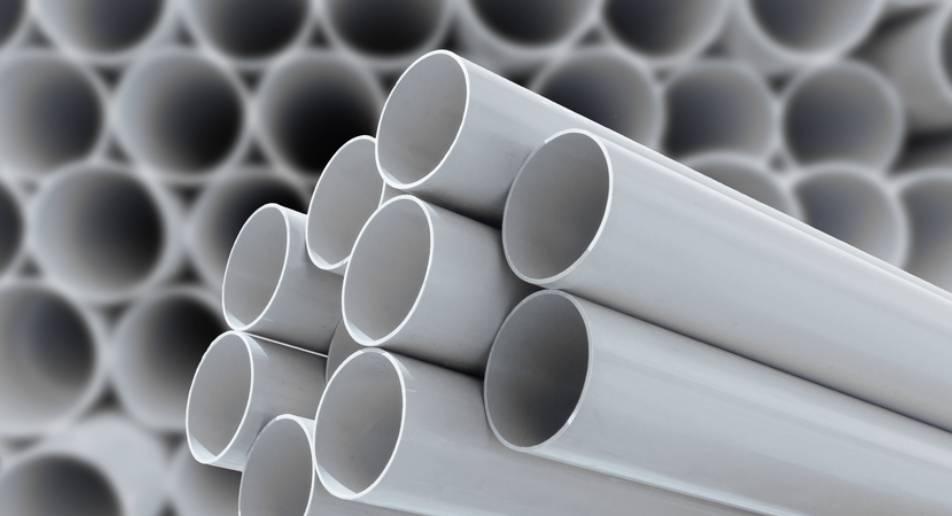
Fluoropolymers offer exceptional chemical resistance, low friction, and thermal stability. They also provide excellent electrical insulation properties, making them ideal for aerospace applications.
Applications:
- Wire Insulation: Fluoropolymers are used in insulating wires and cables, ensuring safety and reliability in high-temperature and high-voltage environments.
- Fuel Hoses: They are employed in the manufacture of fuel hoses, providing chemical resistance and durability needed to handle aerospace fuels and hydraulic fluids.
- Gaskets and Seals: Fluoropolymers are used in gaskets and seals, offering excellent performance under extreme temperatures and chemical exposure, ensuring the reliability of critical systems.
10. Chromic Acid
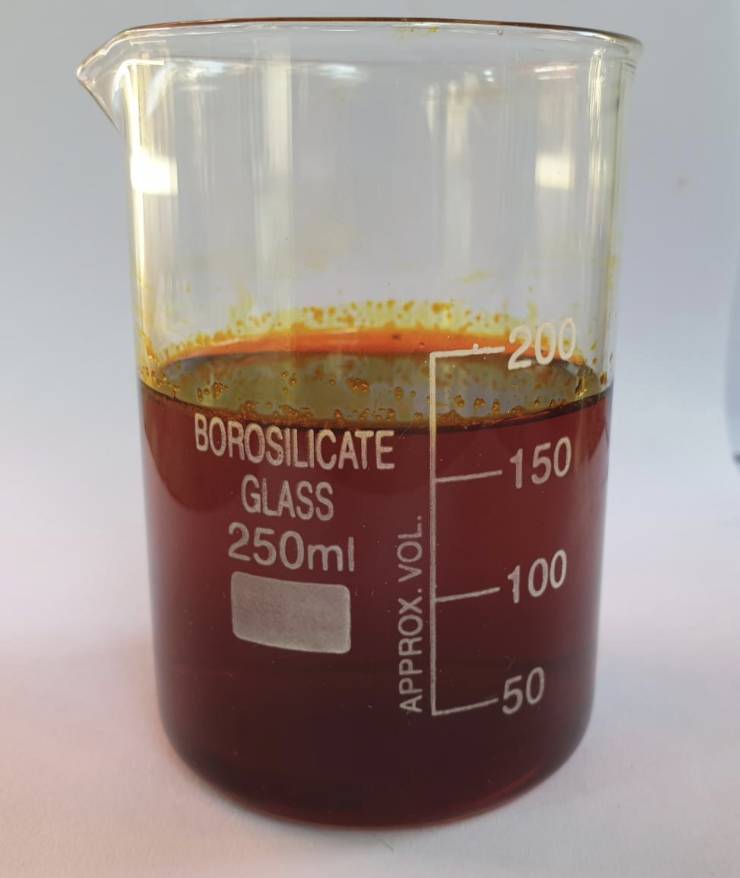
Chromic acid is used in anodizing and electroplating processes to provide corrosion protection, improve paint adhesion, and enhance the wear resistance of metal components. It ensures the longevity and performance of aerospace parts under harsh conditions.
Applications:
- Surface Treatments: Chromic acid is used in surface treatments for aluminum and other metals in aircraft structures, providing a durable and corrosion-resistant finish.
- Landing Gear: It is employed in treating landing gear components, enhancing their wear resistance and longevity.
- Hydraulic Systems: Chromic acid is used in treating hydraulic system components, ensuring their reliability and performance under extreme conditions.
Conclusion - Top 10 Chemicals in Aerospace

The aerospace industry depends on a diverse array of specialized chemicals to ensure the safety, performance, and durability of aircraft and spacecraft. Each of these chemicals plays a vital role in enhancing the properties of materials, protecting surfaces, and ensuring the reliability of aerospace components under extreme conditions.
From propulsion systems and structural materials to protective coatings and adhesives, these chemicals are integral to the advancement of aerospace technology. Understanding the benefits and applications of these top 10 chemicals highlights the complexity and precision required in aerospace manufacturing and maintenance, underscoring the industry's commitment to innovation and excellence.
How can we help you with your chemical requirements?
✅ Are you a company of 11 - 50 people?
✅ Do you use more than 1000 tons of industrial chemicals per year?
✅ Do you spend too much time finding the right chemical manufacturers?
✅ Are you unsure each time whether you will get the right grade of chemical?
If your answer is YES, Reduce Your Chemical Sourcing Headaches, Contact Us Now for a FREE Consultation and Samples Offer
✅Camachem: Quality Chemicals. Every Single Time✅
-
What is the Difference Between Caustic Soda Pearls and Caustic Soda Flakes? (2026 Update)
June 8, 2026
-
Top 10 Caustic Soda Suppliers in Australia [2026]
 June 8, 2026
 -
Frequently Asked Question about Phosphoric Acid
June 8, 2026
-
Zinc Chloride: 5 Hazards and Safety Measures You Need To Know
June 4, 2026
-
10 Things I Need To Know About Zinc Chloride (2026 Update)
June 4, 2026