
 Arabic
 English
 French
 Indonesia
 Portuguese
 Spanish
 Vietnamese
 +86-157-2476-6919
TIPA Chemical 85%? Australian Cement Need Manufacturer Reduced Sourcing Costs with Camachem

Introduction
An Australian cement manufacturer faced persistent challenges sourcing TIPA chemical 85% (triisopropanolamine, CAS 122-20-3), an essential cement additive. With local suppliers offering limited supply and high prices, the company sought a reliable alternative. After partnering with Camachem, they imported a steady, cost-effective supply of TIPA 85%, which led to a significant increase in production output and savings on procurement costs. This case highlights how Camachem solved the cement manufacturer’s supply chain issues with quality products and dependable logistics.
WhatsApp Us for Free a Consultation
What is TIPA Chemical 85%? and Why is it Used in Cement Production?

(Sample triisopropanolamine TIPA Chemical 85% for Australia)
TIPA chemical 85% (CAS Number 122-20-3) is a clear, colorless, ethanolamine-based liquid widely used in cement production globally, including across Australia. As a multifunctional additive, it plays a vital role in improving both efficiency and performance in cement-based systems.
TIPA 85% is primarily used as a cement grinding aid and performance enhancer, providing benefits such as:
- Improved cement particle dispersion for better mix uniformity
- Increased compressive strength, improving final product durability
- Reduced water demand, helping lower energy consumption during mixing
Its versatility makes it a key component in modern cement formulations, especially for manufacturers looking to enhance product quality while optimizing operational costs.
The Role of TIPA 85% in Cement Grinding and Strength Enhancement in Australia

(TIPA 85% is a widely used chemical in cement production in Australia)
In the context of Australian cement production, Triisopropanolamine or TIPA 85% plays a particularly important role due to its efficiency and compatibility with local materials and climate demands. This high-concentration alkanolamine functions on multiple levels within the cement-making process.
Key functional roles of Triisopropanolamine TIPA 85% include:
- Acts as a cement grinding aid, reducing particle agglomeration and improving mill efficiency
- Increases late compressive strength, especially at 28 days, resulting in more durable concrete
- Enhances cement particle dispersion, leading to better mix flow and surface finish
- Reduces water demand, contributing to reduced energy costs during production
- Stabilizes pH, promoting consistent hydration and curing behavior
Used correctly, TIPA 85% contributes to higher-quality cement while lowering production costs — a major advantage for Australian manufacturers in a competitive market.
The Story of the Australian Cement Manufacturer
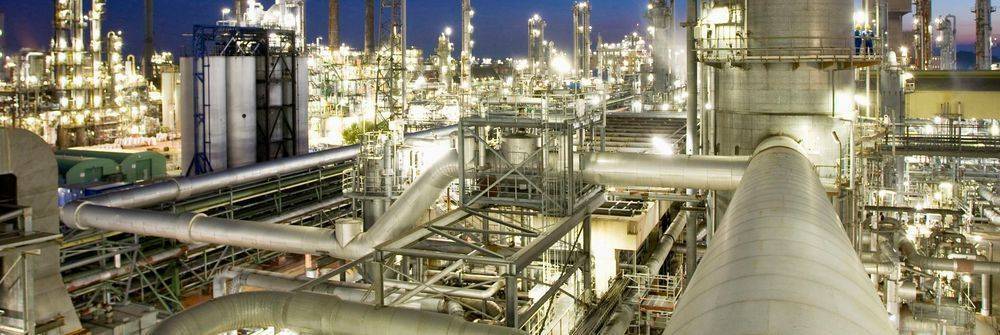
(Australian cement manufacturer working with TIPA chemical 85%)
Operating in a competitive sector, this Australian cement plant relies heavily on TIPA chemical 85% to enhance cement grinding and performance. Cement additives like TIPA improve particle dispersion, increase compressive strength, and reduce water demand, all critical to maintaining product quality and reducing production costs. However, the manufacturer struggled due to Australia's limited supplier market and the high cost of local chemicals.
The Challenge: Limited Local Supply and High Prices for TIPA 85% in Australia

(Limited supply and rising costs of TIPA chemical in Australia affected production efficiency)
Australian manufacturers face a scarcity of Triisopropanolamine TIPA chemical 85% suppliers. Few local companies stock sufficient inventory to meet the demands of large-scale cement production. This shortage results in:
- High prices: The lack of competition drives up the cost of Triisopropanolamine 85% in Australia.
- Supply delays: Frequent incomplete or late orders disrupt production schedules.
- Production impacts: Inability to secure reliable chemical supply forces reduced output or operational delays.
Such challenges hamper manufacturers’ ability to remain competitive and manage production costs efficiently.
WhatsApp Us for Free a Consultation
Why the Cement Manufacturer Chose Camachem

(Camachem offers HIgh-quality TIPA chemical 85% to Australia)
The Australian cement plant discovered Camachem through an online search and made the first contact with the team via Camachem’s email. Several factors influenced their decision:
- Verified suppliers: Camachem sources from carefully vetted Chinese suppliers ensuring consistent TIPA 85% quality.
- Comprehensive documentation: Certificates of Analysis (COA), MSDS, and shipping documents provide transparency and compliance assurance.
- Competitive pricing: Competitive chemical prices of the Chinese manufacturing market without compromising quality.
- Reliable logistics: End-to-end supply chain management ensuring on-time delivery and reliable quality.
- Reliable quality: Consistent and reliable high-quality chemicals every single time.
- Customer support: Timely response and consistent support throughout the process.
These advantages made Camachem the preferred partner to resolve their sourcing issues.
WhatsApp Us for Free a Consultation
How Camachem Responded: From Sample to Bulk Supply
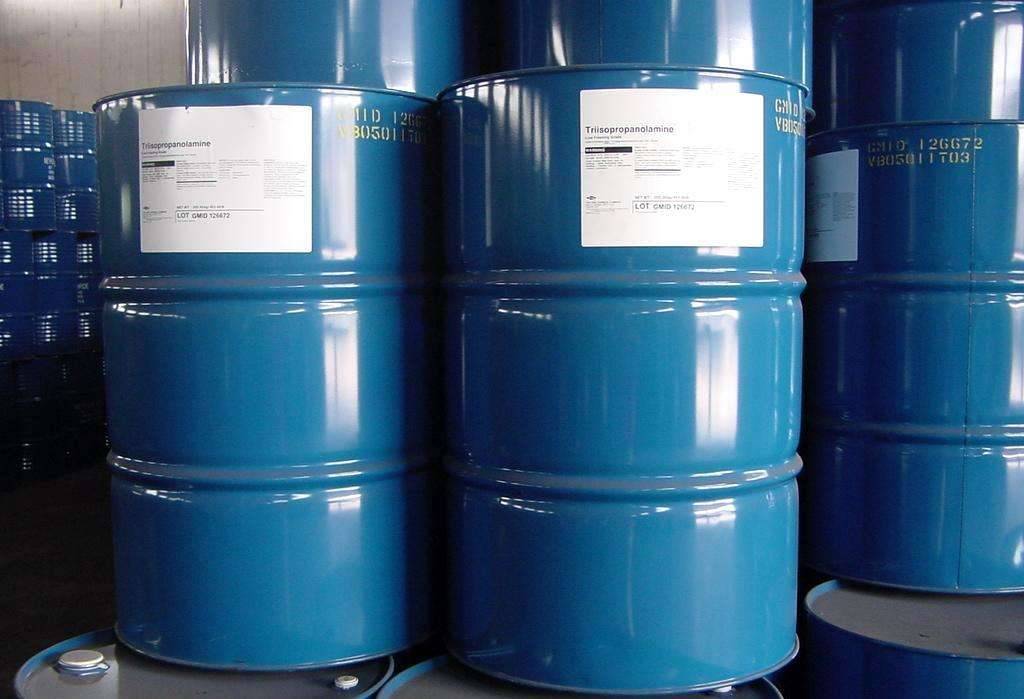
(Bulk TIPA chemical 85% ready for shipment to Australia)
Camachem shipped a Triisopropanolamine TIPA chemical 85% sample within a week from China. The Australian manufacturer tested and approved the sample quickly. Satisfied with the product’s quality and compliance, the company placed their first bulk order.
Camachem’s logistics team ensured:
- Shipping in 1000L IBC containerized packaging for safety and efficiency
- Transit time of approximately 5 weeks to an Australian port
- Secure, sealed packaging to prevent damage during transport
The shipment arrived on time and in excellent condition, enabling uninterrupted production at the cement plant.
Certified Quality and Compliance for Australian Standards
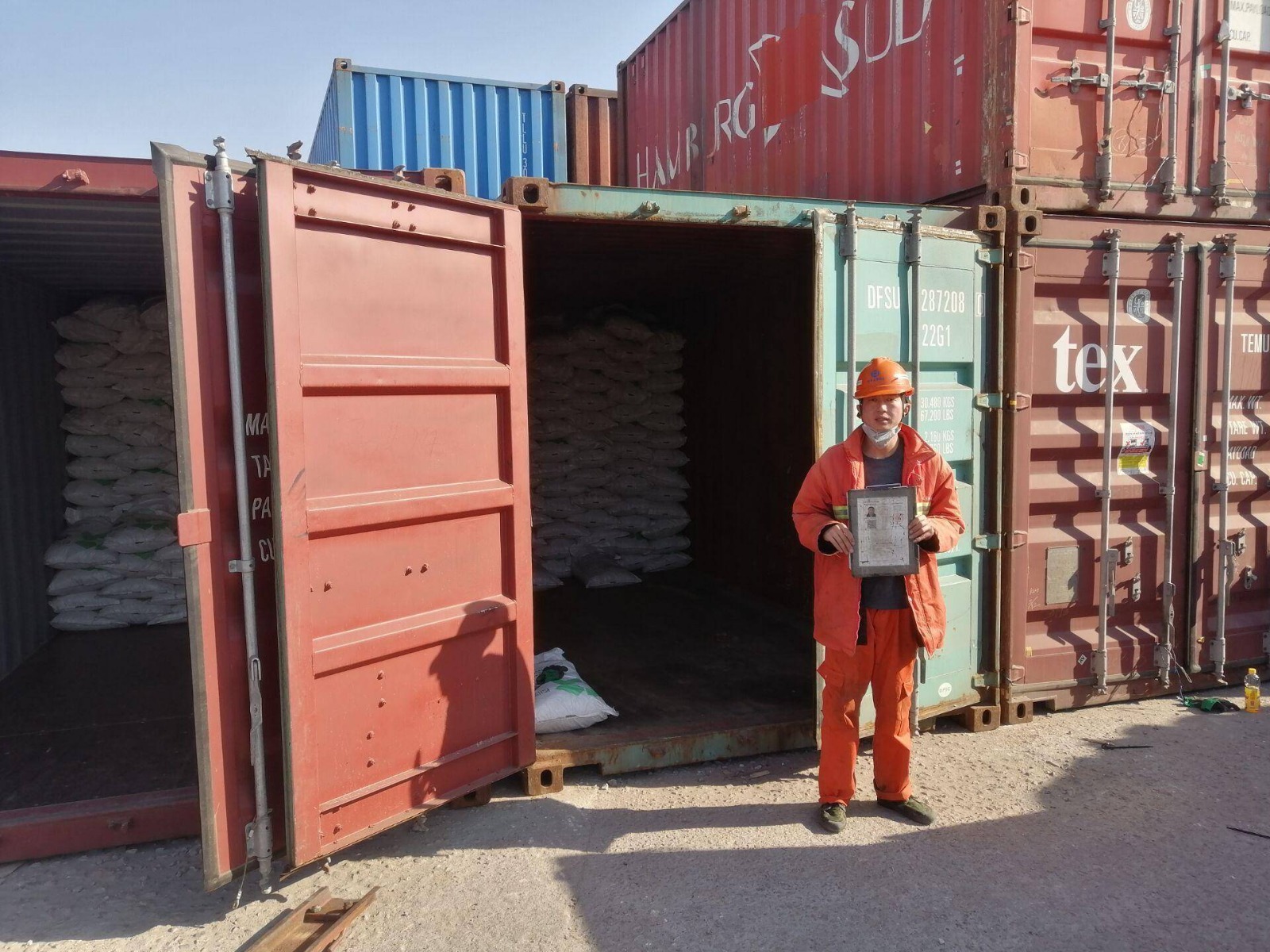
(Certified TIPA chemical 85% being shipped to Australia)
Camachem’s TIPA chemical 85% product passed rigorous Australian lab testing and met global certification standards, including:
- Certificate of Analysis (COA) verifying product purity and concentration
- Material Safety Data Sheets (MSDS) ensuring safe handling and usage
- All necessary shipping and customs documentation for smooth importation
This documentation provided the Australian manufacturer with full confidence to continue placing bulk orders.
The Results: Cost Savings and Increased Production Output

(Reliable TIPA chemical 85% supply saves costs in Australia)
Following the first successful shipment, the Australian cement plant realized significant benefits:
- A significant increase in production output due to uninterrupted, high-quality TIPA supply
- Huge savings on chemical additive procurement compared to local suppliers
- Elimination of production delays caused by supply inconsistencies
The consistent high quality and reliability of TIPA 85% reinforced the cement manufacturer’s confidence in partnering with Camachem. Based on their satisfaction with the initial shipments, they significantly expanded their order volume and began placing repeat purchases.
Their positive feedback emphasized:
- The consistent quality of TIPA 85%
- Reliable, on-time delivery that supported uninterrupted production
- Excellent customer service throughout the procurement process
This strengthened trust has led the company to move even more of their chemical sourcing to Camachem, marking a growing and long-term partnership.
WhatsApp Us for Free a Consultation
Are You Facing Similar TIPA Chemical Supply Challenges in Australia?
Many Australian manufacturers still struggle with:
- Unreliable or delayed TIPA 85% deliveries
- High costs due to limited local suppliers
- Difficulty sourcing bulk volumes for large-scale operations
Camachem offers a dependable alternative with bulk industrial chemicals sourced from trusted suppliers, complete with quality assurance, competitive pricing, and logistics expertise.
Why Choose Camachem for Your TIPA Chemical Needs?
Camachem stands out as Australia’s trusted TIPA 85% chemical supplier by offering:
- Consistent product quality from vetted Chinese manufacturers
- Comprehensive certifications and documentation
- Competitive pricing that reduces procurement costs
- Complete logistics coordination to ensure timely delivery
- Flexible ordering options tailored to Australian business needs
- Responsive customer support focused on Australian market demands
Ready to Improve Your TIPA Chemical 85% Supply in Australia?

(Camachem delivered an on-time shipment of TIPA chemical 85% to the Australian manufacturer)
Australian cement manufacturers no longer need to accept high prices and unreliable supply chains for TIPA chemical 85%. Camachem offers a proven, affordable, and fully supported procurement solution that ensures high-quality product delivery on time and within budget.
Don’t risk production delays or overspending. Partner with Camachem to improve your TIPA chemical supply chain and boost your manufacturing efficiency.
Get a free consultation today and join the many Australian manufacturers benefiting from Camachem’s reliable supply and cost-effective TIPA 85% sourcing.
Visit our website: https://camachem.com
Message us on WhatsApp for a faster response!
WhatsApp Us for Free a Consultation
Camachem — Delivering Chemicals, Cutting Costs, Ensuring Compliance.
If you have other procurement needs from China, please visit Camachem’s parent company, CAMAL Group, where you can explore our industrial equipment and steel procurement services.
How Sourcing Works (CAMACHEM’s Value Chain)

(Camachem’s expert sourcing team ensures high-quality chemical supply of TIPA Chemical 85%)
At Camachem, we have broken down our procurement process into short, easy-to-understand videos. Whether you are sourcing Caustic Soda or any other industrial chemical, these quick clips show you exactly how we handle everything from chemical selection to shipping and after-sales service.
Step 1: Understanding Your Chemical Requirement
Step 2: Initial Offer and Quotation related chemicals you need
Step 3: Balance Payment & Shipping
How Camachem Helps You Get Quality Chemicals from China
✅ Do you spend too much time trying to find quality chemicals in China?
✅ Is it hard to explain your needs to Chinese suppliers?
✅ Do you need customized chemicals that regular suppliers can’t deliver?
✅ Do you want help getting the right chemicals, so you can focus on growing your business?
If your answer is YES, Reduce Your China Sourcing Headaches, WhatsApp Us (Faster) for a FREE Consultation
✅ Camachem: Quality Chemicals. Every Single Time. ✅
WhatsApp Us for Free a Consultation
Triisopropanolamine (TIPA Chemical 85%) – Australia FAQ
1. What is the full form of TIPA chemical?
The full form of TIPA is Triisopropanolamine, a multifunctional organic compound widely used in industrial processes.
It is a tertiary amine and triol (meaning it has three alcohol groups), which gives it the ability to act as a buffering agent, pH stabilizer, and emulsifier. According to Chemical Book and Ataman Chemicals, TIPA is valued for its versatility in several sectors:
- Cement industry – used as a grinding aid to improve production efficiency and concrete performance
- Coatings and adhesives – acts as a pH adjuster and emulsifier to maintain formulation stability
- Cosmetics and personal care – used in low concentrations as a neutralizer to balance acidity in lotions and creams
- Textiles and metalworking fluids – serves as a corrosion inhibitor and chemical intermediate
TIPA is typically produced by reacting ammonia with propylene oxide. It is colorless to pale yellow, with a mild ammonia-like odor, and is soluble in water and alcohols.
According to customer feedback, buyers highlight its cost-efficiency, long shelf-life, and compatibility with various formulation systems as key purchasing factors.
2. What is M TIPA in cement additives?
M TIPA generally refers to a modified or mid-grade version of Triisopropanolamine (TIPA) used specifically as a cement grinding aid and performance enhancer in construction materials like cement, mortar, and concrete.
According to construction chemical manufacturers like Sika and GCP Applied Technologies, M TIPA is engineered for:
- Boosting final compressive strength of cement and concrete
- Improving grinding efficiency by reducing agglomeration of cement particles
- Enhancing workability and flow in concrete formulations
- Reducing energy consumption during cement production
“Modified TIPA” formulations typically combine TIPA with other alkanolamines or surfactants to balance early and late strength development. Industry users report in reviews that M TIPA improves late-stage strength (28 days) better than standard TEA-based aids.
According to a 2023 white paper by an Indian admixture manufacturer, M TIPA enhanced 28-day strength by up to 12% compared to control cement mixtures.
In summary, M TIPA is a specialized formulation of triisopropanolamine optimized for cement applications where both strength gain and grinding efficiency are key procurement priorities.
3. What is the pH of TIPA?
The pH of Triisopropanolamine (TIPA) typically falls within the range of 9.5 to 11 when measured in a 1% aqueous solution at 25°C. This indicates that TIPA is a moderately strong base and is commonly used in formulations that require pH adjustment or buffering.
Key details from technical datasheets (e.g., BASF, Dow Chemical, and Ataman Chemicals):
- 1% aqueous solution: pH ranges from 5 – 11
- High alkalinity: Makes it suitable as a neutralizing agent in emulsions, coatings, and cosmetic products
- Stable buffering properties: Helps maintain formulation pH over time, even in the presence of weak acids
- Widely used in cement admixtures to stabilize mix water pH for more predictable setting times
In a 2022 customer review on ChemicalBook, a procurement engineer from a concrete manufacturing firm noted TIPA's reliable pH range helped improve consistency in batch mixing and hydration behavior.
In summary, TIPA’s alkaline nature plays a critical role in product stability and pH control, especially in formulations where minor pH shifts can lead to product degradation or poor performance.
4. What is triisopropanolamine salt?
Triisopropanolamine salt refers to a neutralized form of triisopropanolamine (TIPA), created when TIPA reacts with an acid such as hydrochloric acid (HCl), sulfuric acid (H₂SO₄), or organic acids like citric acid. The resulting product is a water-soluble ammonium salt, which retains many of TIPA’s functional properties but with enhanced stability, reduced volatility, and milder handling characteristics.
According to technical literature from BASF and Huntsman Corporation:
- The salt form maintains alkaline buffering ability, but is generally less irritating than the free amine
- It is used in water-based coatings, cosmetics, and agrochemical emulsions to stabilize pH and act as a dispersing or emulsifying agent
- Salt formation can also improve solubility in aqueous systems where compatibility with other ionic species is important
- Commonly labeled as TIPA hydrochloride or TIPA citrate depending on the acid used
A 2021 technical brief from a European coatings supplier noted that using the salt form of TIPA in paint formulations helped reduce odor, improved emulsion shelf life, and minimized ammonia-related yellowing.
In summary, triisopropanolamine salt is a chemically neutralized version of TIPA, used for safer handling and more stable performance in formulations where pH control and solubility are critical.
5. What is the use of Triisopropanolamine?
Triisopropanolamine (TIPA) is a highly versatile compound used across multiple industries as an alkaline additive, emulsifier, and performance enhancer. Its structure—containing both hydroxyl (-OH) and amine (-NH) groups—makes it valuable for applications requiring buffering, dispersion, or chemical reactivity.
Common uses include:
- Cement grinding aids – TIPA improves the milling process and enhances final compressive strength in cement and concrete formulations. It's widely used in construction admixtures to optimize hydration and reduce clinker agglomeration.
- Coatings and paints – Acts as a pH stabilizer and emulsifier in water-based paints, helping maintain uniform viscosity and improving shelf life.
- Cosmetics and personal care – Used in low concentrations to neutralize acidic ingredients and stabilize emulsions in products like lotions, gels, and creams.
- Agrochemicals – Serves as a neutralizer for acidic herbicide formulations, helping maintain chemical stability and efficacy during storage and application.
- Metalworking fluids and lubricants – Functions as a corrosion inhibitor and solubilizer, helping protect metal surfaces in high-moisture or reactive environments.
According to a 2023 case study published by the European Coatings Journal, TIPA-based systems in architectural paints showed improved gloss retention and alkali resistance after 6 months of accelerated weathering tests.
In short, TIPA is widely chosen for its multifunctional role in enhancing product performance, stability, and cost-efficiency, especially in construction, coatings, and chemical manufacturing sectors.
6. What is the pKa of Triisopropanolamine?
The pKa of Triisopropanolamine (TIPA) is approximately 8.06 at 25 °C, which classifies it as a moderately weak base. This value represents the dissociation constant of its ammonium ion (TIPA-H⁺) and reflects how readily it can accept or donate protons in a solution.
Based on data from the European Chemicals Agency (ECHA) and various chemical suppliers:
- pKa = 8.06 means TIPA functions effectively as a buffer near neutral to slightly alkaline pH levels
- It is ideal for stabilizing formulations that operate in the pH range of 7.5–10.5, such as coatings, cement admixtures, and agricultural chemicals
- Compared to stronger bases like sodium hydroxide, TIPA offers gentler pH adjustment, making it less corrosive and safer to handle
- It is fully miscible with water, allowing for easy incorporation into water-based systems
According to a 2023 report from CheMondis marketplace, formulators in the agrochemical sector value TIPA for its stable buffering capacity and low volatility, helping ensure consistent pH in tank-mix applications.
In summary, TIPA’s pKa of 8.06 makes it a reliable choice for pH control and buffering in industrial and commercial formulations where maintaining chemical stability is essential.
7. What are the side effects of Triisopropanolamine?
Answer:
While Triisopropanolamine (TIPA) is generally considered safe in controlled industrial and commercial applications, it can present health and safety risks when mishandled or used in concentrated form.
According to Dow Chemical safety data sheets (SDS) and the European Chemicals Agency (ECHA):
- Irritant to skin and eyes: Direct contact with concentrated TIPA can cause redness, irritation, or temporary corneal injury
- Respiratory irritation: Inhalation of mists or vapors may lead to coughing, throat discomfort, or shortness of breath
- Mild to moderate oral toxicity: Ingestion of large amounts may result in nausea, gastrointestinal distress, or central nervous system effects (though such exposure is rare in professional use)
- Allergic reaction risk: Some cosmetic product reviewers on platforms like INCI Decoder and CosDNA report that TIPA, while rare, can cause contact dermatitis or allergic reactions in sensitive individuals when used in personal care items
In a 2022 technical review by the Journal of Occupational Health & Safety (Australia), the compound was classified as a "Category 2 irritant" under GHS guidelines, prompting recommendations for protective eyewear and gloves during handling.
When diluted and used as intended—especially in cement, coatings, and industrial fluids—TIPA poses low health risks, but proper PPE (personal protective equipment) and ventilation are strongly recommended.
-
What is the Difference Between Caustic Soda Pearls and Caustic Soda Flakes? (2026 Update)
June 8, 2026
-
Top 10 Caustic Soda Suppliers in Australia [2026]
 June 8, 2026
 -
Frequently Asked Question about Phosphoric Acid
June 8, 2026
-
Zinc Chloride: 5 Hazards and Safety Measures You Need To Know
June 4, 2026
-
10 Things I Need To Know About Zinc Chloride (2026 Update)
June 4, 2026