
 Arabic
 English
 French
 Indonesia
 Portuguese
 Spanish
 Vietnamese
 +86-157-2476-6919
Top 10 Chemicals Used in Cleaning and Sanitation

Cleaning and sanitation are essential aspects of maintaining hygiene and preventing the spread of diseases. Various chemicals play a crucial role in ensuring effective cleaning and disinfection. This blog will explore the top 10 chemicals used in cleaning and sanitation, highlighting their benefits and applications.
Top 10 Chemicals Used in Cleaning and Sanitation
- Sodium Hypochlorite (Bleach)
- Hydrogen Peroxide
- Quaternary Ammonium Compounds (Quats)
- Ethanol
- Isopropyl Alcohol
- Chlorine Dioxide
- Peracetic Acid
- Ammonia
- Sodium Hydroxide (Caustic Soda)
- Triclosan
Here’s a more detailed look at the top 10 cleaning and sanitation chemicals that manufacturer companies used for their products.
1. Sodium Hypochlorite (Bleach)

Benefits
- Disinfectant: Sodium hypochlorite is a powerful disinfectant effective against bacteria, viruses, and fungi. It destroys pathogens on surfaces and in water, reducing the risk of infection.
- Whitening Agent: It is commonly used as a bleaching agent to whiten clothes and surfaces, restoring their original appearance and removing stains.
- Deodorizing: It helps eliminate odors by breaking down the molecules that cause them, leaving environments smelling fresh.
Applications
- Household Cleaning: Used in cleaning solutions for kitchens, bathrooms, and laundry to disinfect surfaces and remove tough stains.
- Water Treatment: Employed in the disinfection of drinking water and swimming pools to ensure safety and hygiene.
- Industrial Sanitation: Utilized in sanitizing food processing equipment and surfaces to prevent contamination and ensure compliance with health regulations.
- Public Health: Used in disaster response and public health initiatives to disinfect areas contaminated by infectious diseases.
2. Hydrogen Peroxide
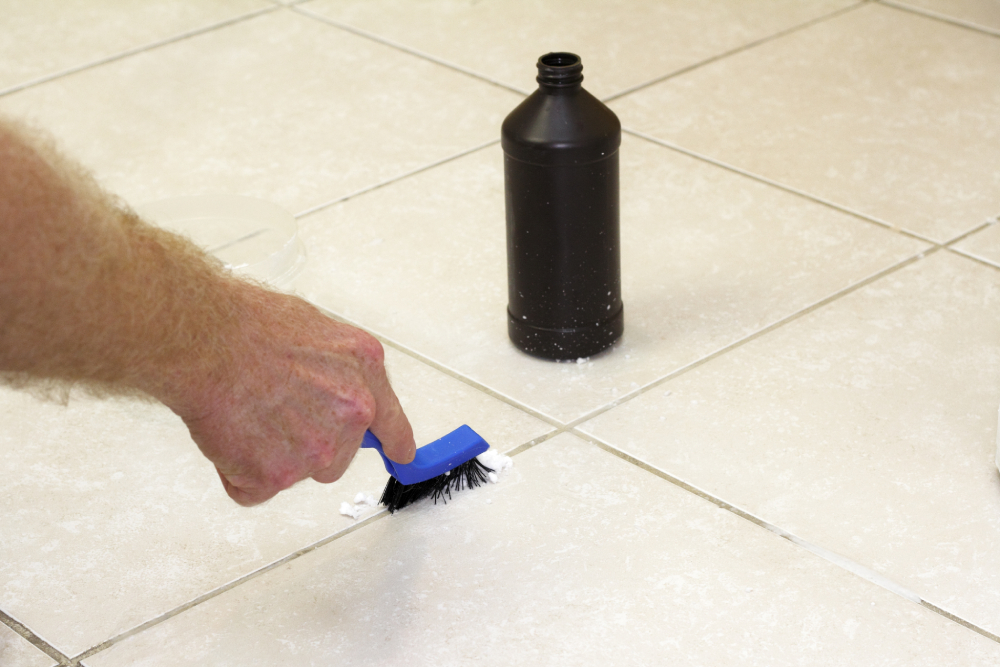
Benefits
- Oxidizing Agent: Hydrogen peroxide is a strong oxidizer that helps in breaking down organic matter, making it effective for deep cleaning.
- Antimicrobial Properties: Effective against a broad spectrum of microorganisms, including bacteria, viruses, and fungi.
- Environmental Friendliness: Decomposes into water and oxygen, leaving no harmful residues.
Applications
- Surface Disinfection: Used for disinfecting surfaces in hospitals, laboratories, and public spaces to maintain hygiene.
- Wound Cleaning: Applied as an antiseptic for minor cuts and abrasions, preventing infection.
- Oral Hygiene: Included in some mouthwashes and teeth whitening products to kill germs and whiten teeth.
- Food Industry: Used for sterilizing packaging and equipment to ensure food safety.
3. Quaternary Ammonium Compounds (Quats)

Benefits
- Broad-spectrum Disinfectant: Effective against bacteria, viruses, and fungi, providing comprehensive disinfection.
- Non-corrosive: Safe for use on a variety of surfaces, including metals and plastics, without causing damage.
- Residual Activity: Continues to provide antimicrobial action after application, offering prolonged protection.
Applications
- Healthcare Settings: Used for disinfecting medical instruments and surfaces to prevent healthcare-associated infections.
- Food Industry: Employed in sanitizing food contact surfaces to maintain hygiene and prevent foodborne illnesses.
- Household Cleaners: Found in many household disinfectant sprays and wipes, offering effective and convenient cleaning solutions.
- Agriculture: Used to disinfect animal housing and equipment, reducing the spread of disease among livestock.
4. Ethanol

Benefits
- Rapid Evaporation: Leaves surfaces dry quickly, making it ideal for electronics and other moisture-sensitive items.
- Antiseptic Properties: Effective against a wide range of pathogens, including bacteria, viruses, and fungi.
- Solvent Capabilities: Efficiently dissolves oils, resins, and other substances, aiding in cleaning and formulation processes.
Applications
- Hand Sanitizers: Widely used in alcohol-based hand sanitizers, providing a convenient and effective means of hand hygiene.
- Surface Disinfection: Employed for cleaning and disinfecting surfaces in healthcare and laboratory settings.
- Personal Care Products: Used in some personal care products for its antimicrobial properties and as a solvent.
- Cosmetics Manufacturing: Acts as a solvent and preservative in the production of cosmetics and personal care items.
5. Isopropyl Alcohol

Benefits
- Effective Disinfectant: Strong antimicrobial properties against bacteria, viruses, and fungi, ensuring thorough disinfection.
- Evaporates Quickly: Leaves no residue, making it suitable for cleaning electronics and optical devices.
- Degreasing Agent: Efficiently removes oils and greases, making it ideal for industrial and mechanical cleaning.
Applications
- Medical Use: Used to disinfect skin before injections and surgical procedures.
- Household Cleaning: Found in cleaning solutions for glass, electronics, and other household items.
- Industrial Cleaning: Employed in cleaning and sanitizing manufacturing equipment and workspaces.
- Automotive Industry: Used for cleaning and degreasing automotive parts and tools.
6. Chlorine Dioxide

Benefits
- Strong Oxidizer: Breaks down and destroys harmful microorganisms, providing effective disinfection.
- Less Corrosive: Compared to other chlorine compounds, it is less damaging to surfaces, extending the life of equipment.
- Effective at Low Concentrations: Provides strong disinfection at low concentrations, reducing chemical usage and cost.
Applications
- Water Treatment: Used for disinfecting drinking water and wastewater, ensuring it is safe for consumption and release.
- Food Processing: Applied in sanitizing equipment and surfaces in food processing plants to prevent contamination.
- Air Disinfection: Used in HVAC systems to control microbial contamination and improve air quality.
- Paper and Pulp Industry: Employed in the bleaching and disinfection processes to produce clean, bright paper products.
7. Peracetic Acid

Benefits
- Broad-spectrum Biocide: Effective against bacteria, viruses, fungi, and spores, providing comprehensive microbial control.
- Biodegradable: Breaks down into harmless byproducts, reducing environmental impact and making it a green choice.
- No Residue: Leaves no harmful residues, ensuring safety for food and beverage applications.
Applications
- Healthcare: Used for sterilizing medical and surgical instruments, ensuring they are free from harmful microorganisms.
- Food Industry: Employed in sanitizing surfaces and equipment to maintain hygiene standards.
- Agriculture: Applied in disinfecting animal housing and equipment to prevent disease outbreaks.
- Pharmaceutical Manufacturing: Used for equipment sterilization to ensure the purity of pharmaceutical products.
8. Ammonia

Benefits
- Effective Cleaner: Cuts through grease and grime effectively, providing deep cleaning.
- Non-abrasive: Safe for use on many surfaces without causing damage, preserving the integrity of materials.
- Cost-effective: Widely available and affordable, making it a popular choice for various cleaning needs.
Applications
- Household Cleaning: Found in glass cleaners and multi-surface cleaning products, providing streak-free cleaning.
- Industrial Cleaning: Used for cleaning equipment and surfaces in various industries, including manufacturing and food processing.
- Agriculture: Employed in cleaning and disinfecting livestock areas, helping to maintain animal health and hygiene.
- Textile Industry: Used in textile processing to clean and condition fabrics.
9. Sodium Hydroxide (Caustic Soda)

Benefits
- Strong Alkaline Cleaner: Effective at breaking down organic matter, fats, and grease, providing powerful cleaning.
- Versatile: Can be used in various concentrations for different cleaning tasks, from heavy-duty industrial cleaning to household use.
- Reactivity: Participates in chemical reactions that help neutralize acids and saponify fats, enhancing its cleaning effectiveness.
Applications
- Drain Cleaning: Used in drain cleaners to remove clogs and blockages, maintaining plumbing systems.
- Industrial Cleaning: Employed in cleaning heavy-duty equipment and machinery, ensuring optimal performance.
- Food Processing: Used to clean and sanitize food processing equipment, preventing contamination and ensuring food safety.
- Soap Making: Essential in the production of soaps and detergents, contributing to the saponification process.
10. Triclosan
Benefits
- Antibacterial: Effective against a wide range of bacteria, providing thorough disinfection.
- Stable: Maintains its efficacy over time in various formulations, ensuring long-lasting protection.
- Compatibility: Works well with other ingredients, enhancing the overall effectiveness of cleaning products.
Applications
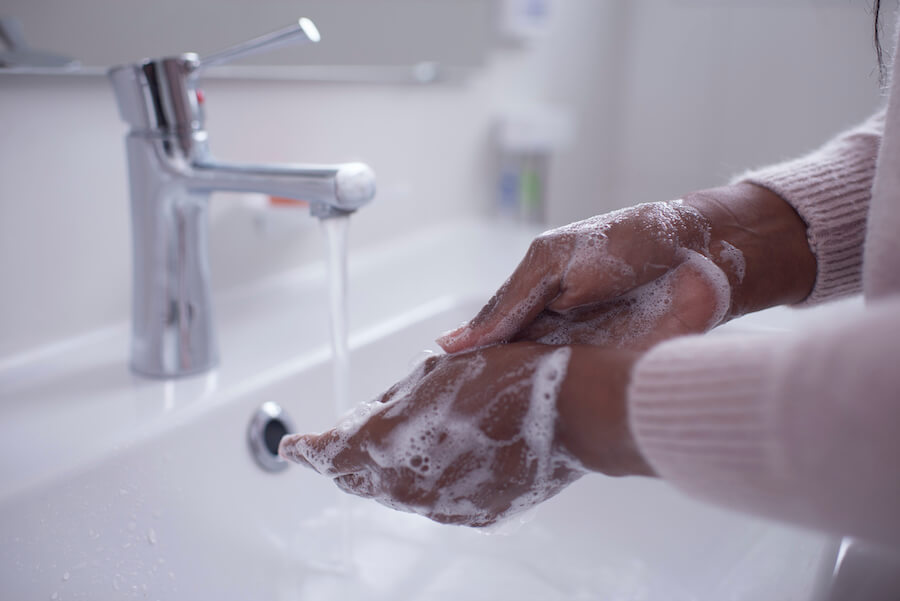
- Personal Care Products: Found in antibacterial soaps, toothpaste, and deodorants, providing additional hygiene benefits.
- Household Cleaners: Included in some household cleaning products for its antimicrobial properties, ensuring cleaner living spaces.
- Medical Applications: Used in surgical scrubs and disinfectants to maintain sterile conditions in healthcare settings.
- Textiles: Applied in antimicrobial treatments for textiles, reducing the growth of odor-causing bacteria.
Conclusion - Top 10 Chemicals Used in Cleaning & Sanitation

The top 10 chemicals in cleaning and sanitation are indispensable in maintaining hygiene and preventing the spread of diseases. Each chemical has unique properties that make it suitable for specific applications, ranging from household cleaning to industrial sanitation. As the demand for effective cleaning solutions continues to grow, these chemicals will remain at the forefront of hygiene and sanitation efforts, ensuring safe and clean environments.
How can we help you with your chemical requirements?
✅ Are you a company of 11 - 50 people?
✅ Do you use more than 1000 tons of industrial chemicals per year?
✅ Do you spend too much time finding the right chemical manufacturers?
✅ Are you unsure each time whether you will get the right grade of chemical?
If your answer is YES, Reduce Your Chemical Sourcing Headaches, Contact Us Now for a FREE Consultation and Samples Offer
✅Camachem: Quality Chemicals. Every Single Time✅
-
What is the Difference Between Caustic Soda Pearls and Caustic Soda Flakes? (2026 Update)
June 8, 2026
-
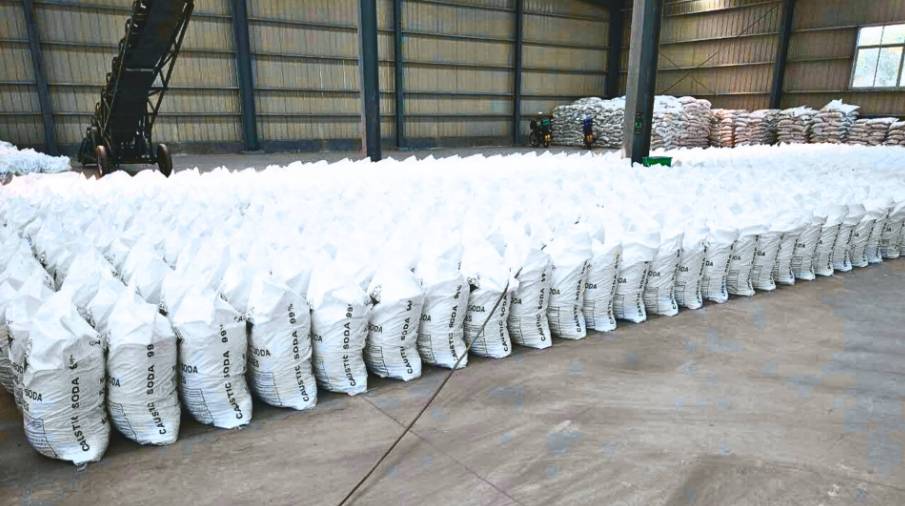
Top 10 Caustic Soda Suppliers in Australia [2026]
 June 8, 2026
 -
Frequently Asked Question about Phosphoric Acid
June 8, 2026
-
Zinc Chloride: 5 Hazards and Safety Measures You Need To Know
June 4, 2026
-
10 Things I Need To Know About Zinc Chloride (2026 Update)
June 4, 2026