
 Arabic
 English
 French
 Indonesia
 Portuguese
 Russian
 Spanish
 +86-157-2476-6919
14% Caustic Soda Cost Reduction in Australia’s Procurement by Camachem

Overview: Caustic Soda Cost Efficiency Through Smarter Sourcing from China

Caustic Soda shipment from China to Australia
We are pleased to present a case study highlighting how our Australian client successfully achieved a significant reduction in caustic soda cost through our optimized procurement strategies.
A leading manufacturer of industrial and household cleaning products based in Australia faced growing challenges sourcing essential raw materials—particularly caustic soda pearls, a critical component in many of their formulations. With international shipping costs surging and quality standards tightening, they were in search of a reliable global partner who could provide both:
- Technical guidance on caustic soda grades
- Logistical efficiency to manage supply chain risks
Their primary goal wasn’t just caustic soda cost reduction—it was identifying the correct grade of caustic soda to ensure consistent, high-quality production. Limited in-house technical knowledge and an inefficient procurement process had been causing delays and quality mismatches.
After evaluating several suppliers, they chose Camachem, a global distributor of industrial chemicals, for their ability to:
- Deliver the right grade of caustic soda pearls at a competitive price
- Implement a tailored logistics strategy that reduces risks and ensures compliance
While the focus was on accuracy and reliability, the company also achieved a 14% reduction in shipping costs—ultimately improving their overall caustic soda cost structure without compromising product quality or delivery timelines.
This case shows how strategic sourcing of caustic soda can drive both operational excellence and cost efficiencies.
Message us on WhatsApp for Caustic Soda!
WhatsApp Us for Free a Consultation
The Story of Australian Cleaning Products Supplier
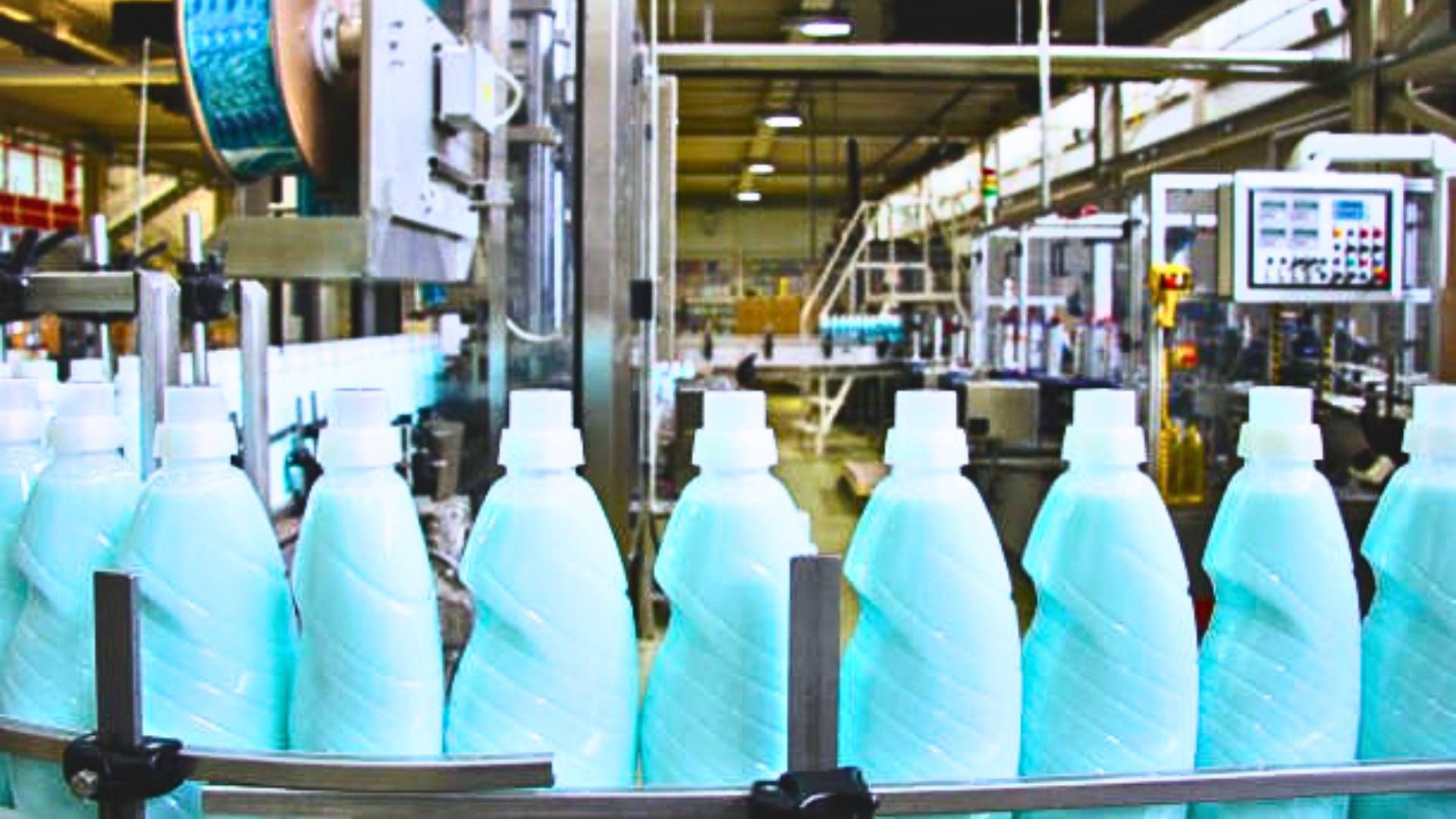
Caustic Soda being used in cleaning products factory
Cleaning Products Supplier has built a strong reputation in Australia for manufacturing high-quality, effective, and eco-conscious cleaning solutions for industrial and commercial use. Their product line includes:
- Degreasers
- Surface disinfectants
- Floor cleaners
- Specialty chemical blends tailored for the food, hospitality, and healthcare sectors
As their business expanded nationally, the company's reliance on high-purity raw materials, especially caustic soda, became increasingly critical. Among these materials, caustic soda pearls (sodium hydroxide, NaOH) play a vital role in:
- Saponification
- pH regulation
- Grease breakdown
Since caustic soda cost impacts overall production expenses, maintaining a steady and affordable supply is essential. Any disruption in the availability of caustic soda could significantly affect:
- Production schedules
- Customer satisfaction
The Challenge of Sourcing and Shipping Caustic Soda
When Cleaning Products Supplier began seeking alternatives to their local caustic soda vendors, two major challenges emerged:
1. Identifying the Correct Grade of Caustic Soda
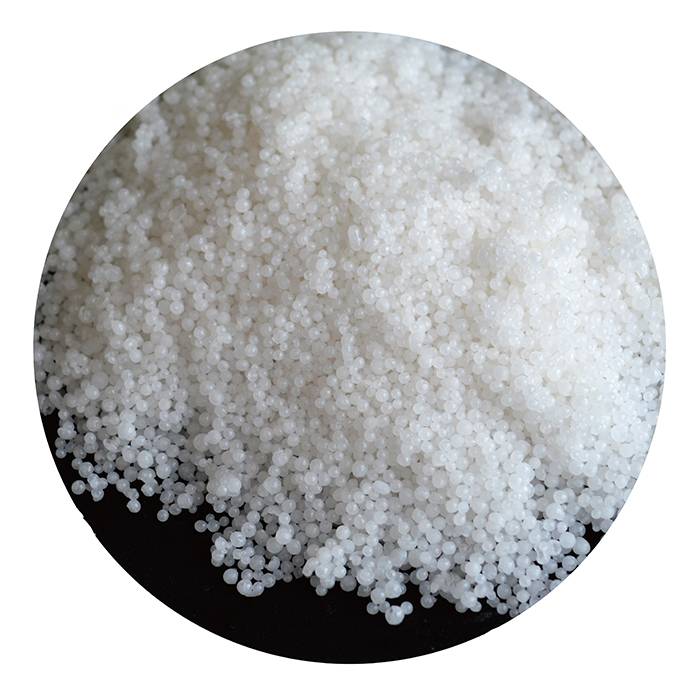
Caustic Soda pearls sample
Not all caustic soda is created equal. Different industrial applications require specific grades and purities, and even slight deviations can affect the performance of the final product. The company lacked in-house chemical engineering support to assess and select the right grade of caustic soda pearls, increasing the risk of ordering a suboptimal or incompatible product.
A misjudgment in chemical quality would not only result in product inefficiency but could also lead to potential safety concerns, equipment corrosion, or compromised customer trust.
Learn more about Caustic Soda Grades on our YouTube channel
https://www.youtube.com/shorts/HUWtCsXTKvo
2. Rising Caustic Soda Costs and Export Complications
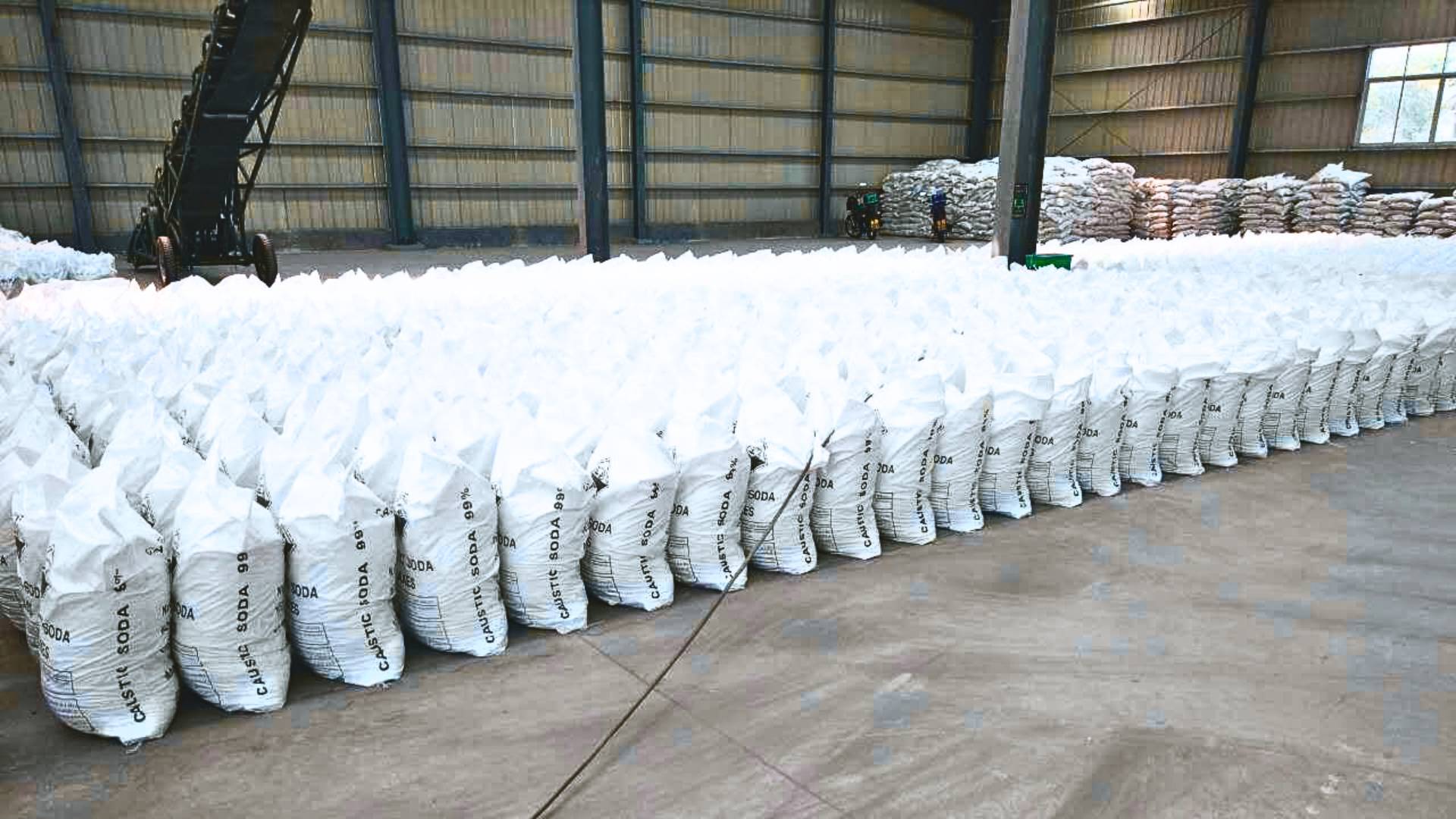
Caustic Soda in bulk quantity ready for shipment
Even after identifying overseas manufacturers, Cleaning Products Supplier encountered a more difficult obstacle: managing the high costs and complex regulations involved in importing hazardous materials like anhydrous caustic soda. This class of chemicals, designated under hazard class 8 (corrosive), is subject to stringent handling and documentation requirements, both in the country of origin and upon entry to Australia.
Improper handling, spills, or container breaches would not only result in regulatory fines but could also escalate shipping costs or cause product losses. Additionally, fluctuations in global freight rates due to supply chain disruptions made budgeting unpredictable, and the company needed a partner who could both source the product and streamline the import process.
Why did the Australian Company Choose Camachem?
Camachem - high quality chemical supplier
The procurement team at Cleaning Products Supplier turned to online sourcing platforms and global supplier directories to find a solution. After evaluating several chemical exporters, Camachem quickly stood out.
Here’s why:
- Specialized Chemical Knowledge: Camachem demonstrated in-depth knowledge of chemical sourcing, especially for industries involving hazardous materials. Their team could confidently recommend the right form and grade of caustic soda pearls based on CleanTech’s intended applications.
- Transparent Pricing and Consultation: Camachem provided clear quotations and free technical consultations, which helped Cleaning Products understand the cost breakdown—including shipping, insurance, packaging, and compliance fees.
- Proven Track Record: With a global client base across more than 50 countries, Camachem had prior experience exporting chemicals to countries with similarly strict regulatory environments. Their familiarity with international documentation (MSDS, COA, Dangerous Goods Declarations) made them a low-risk partner.
- Comprehensive Logistics Support: Unlike many vendors who only sell chemicals, Camachem also manages shipping, packaging, and customs preparation—reducing the burden on the buyer and avoiding costly mistakes.
Message us on WhatsApp for Caustic Soda!
WhatsApp Us for Free a Consultation
How Camachem Responded
Once engaged, Camachem moved quickly and efficiently:
1. Technical Assessment

Caustic Soda technical assessment
Camachem’s team conducted a detailed review of Cleaning Products’ manufacturing processes. By understanding the exact cleaning applications and chemical reactions involved, they identified the most appropriate grade of anhydrous caustic soda pearls that offered the desired pH balance and solubility without excessive heat release or instability.
2. Custom Packaging & Safe Transport
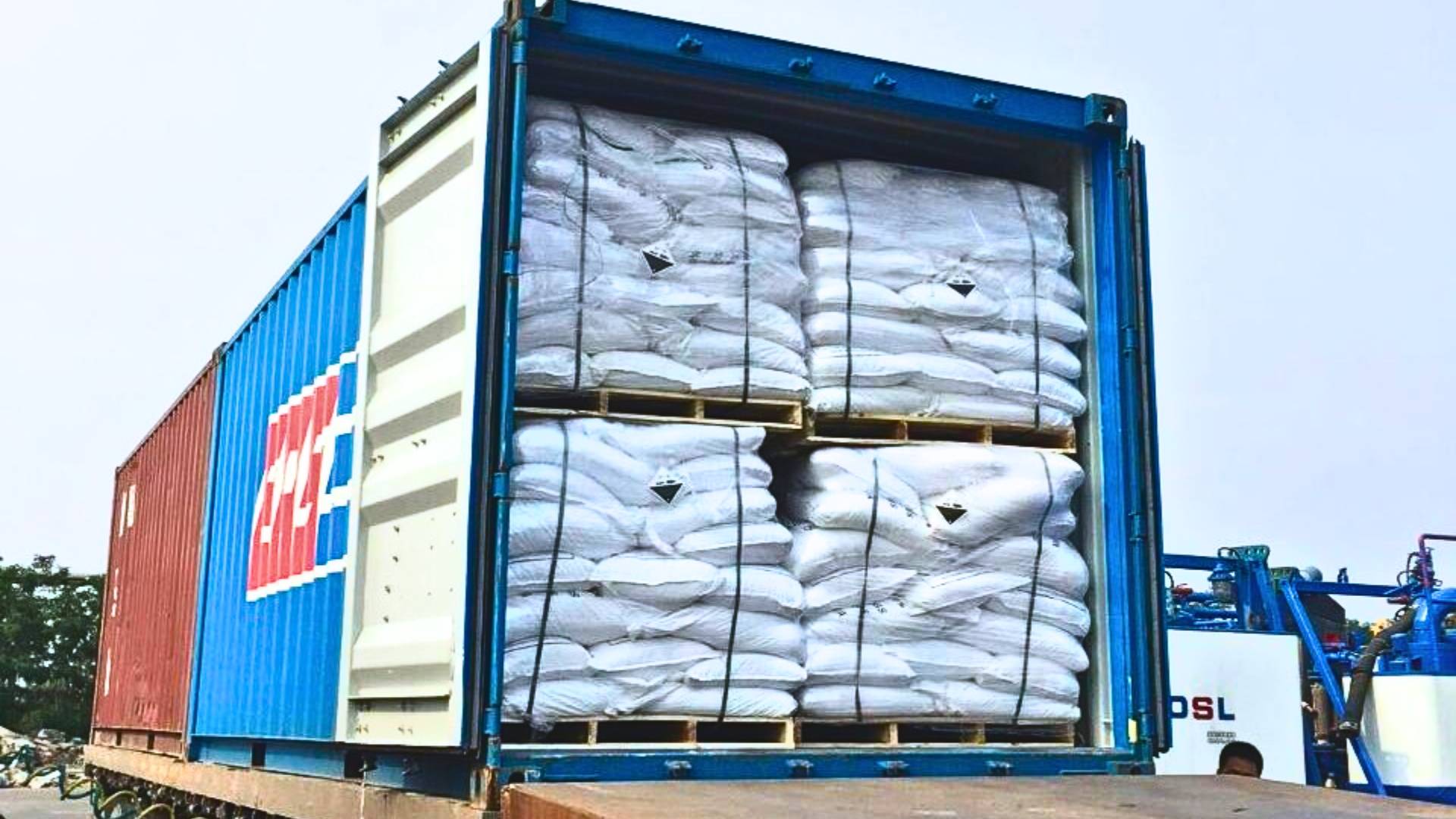
Caustic Soda being shipped to Australia
To reduce spill risks and comply with hazard class 8 shipping regulations, Camachem packaged the caustic soda in 25kg woven bags with PE liners. These containers offered durability, corrosion resistance, and easy handling, making them ideal for sea freight. This also prevented product loss or contamination during transport.
3. Logistics Optimization
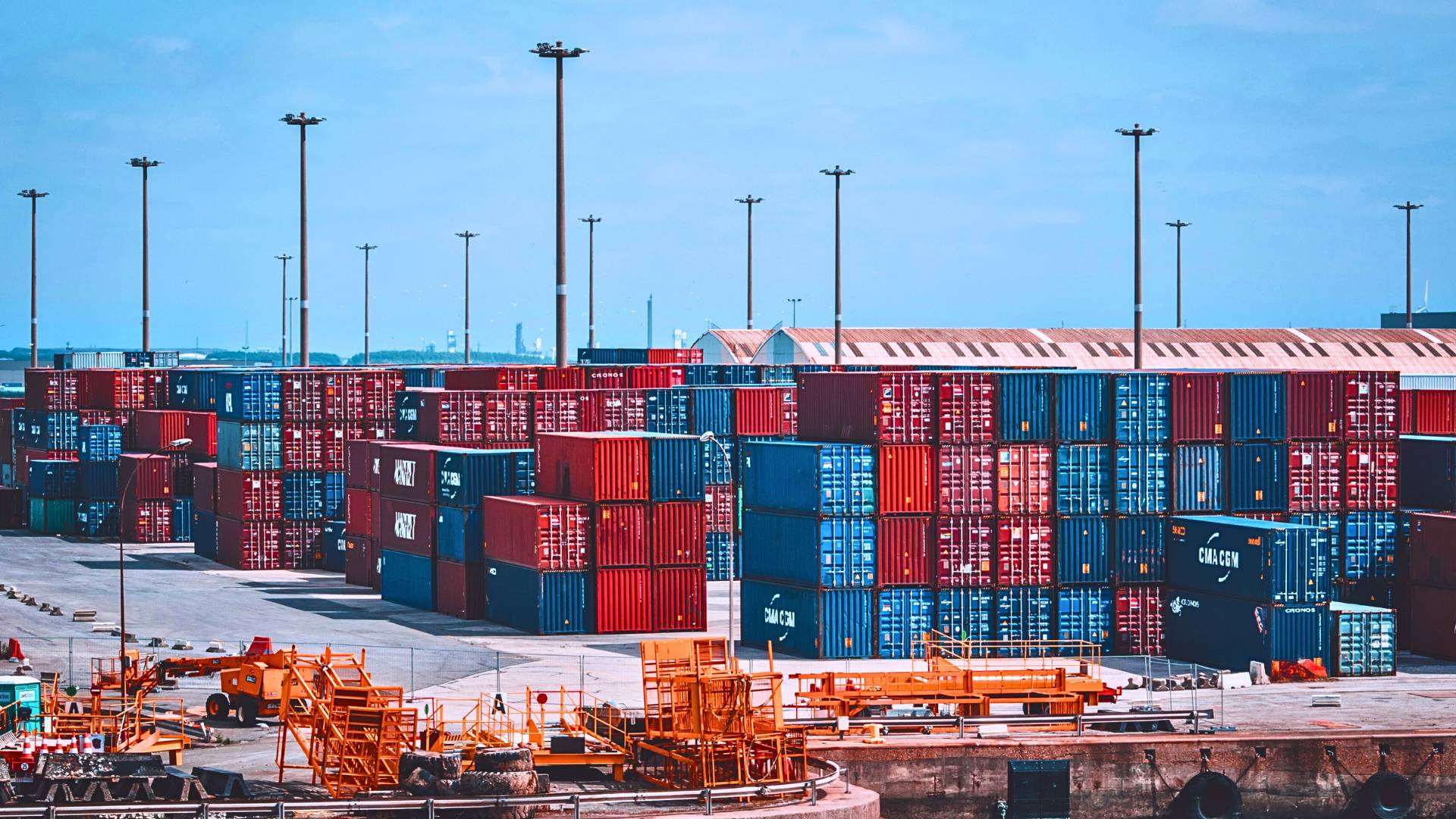
Logistic optimization for Caustic Soda export to Australia
Camachem consolidated the shipment through their international freight partners, selecting a cost-effective and reliable route from China to Australia. By shipping the product in anhydrous form, which is less bulky and more stable than hydrated variants, they were able to reduce the weight and volume of the shipment—cutting shipping expenses by 14% compared to standard methods.
4. Transparent Communication

Caustic Soda supply needs and challenges being communicated
Throughout the procurement process, Camachem maintained consistent communication—sharing shipment tracking, export documentation, and customs clearance updates in real-time. The Cleaning Products team appreciated this high-touch approach, especially when dealing with international compliance requirements.
Check out our Successful Chemical Manufacturer Case Study in Norway — where we helped a top salmon producer overcome logistics and quality challenges when sourcing caustic soda from China.
The Results:
The partnership delivered measurable and immediate benefits for Cleaning Products Supplier:
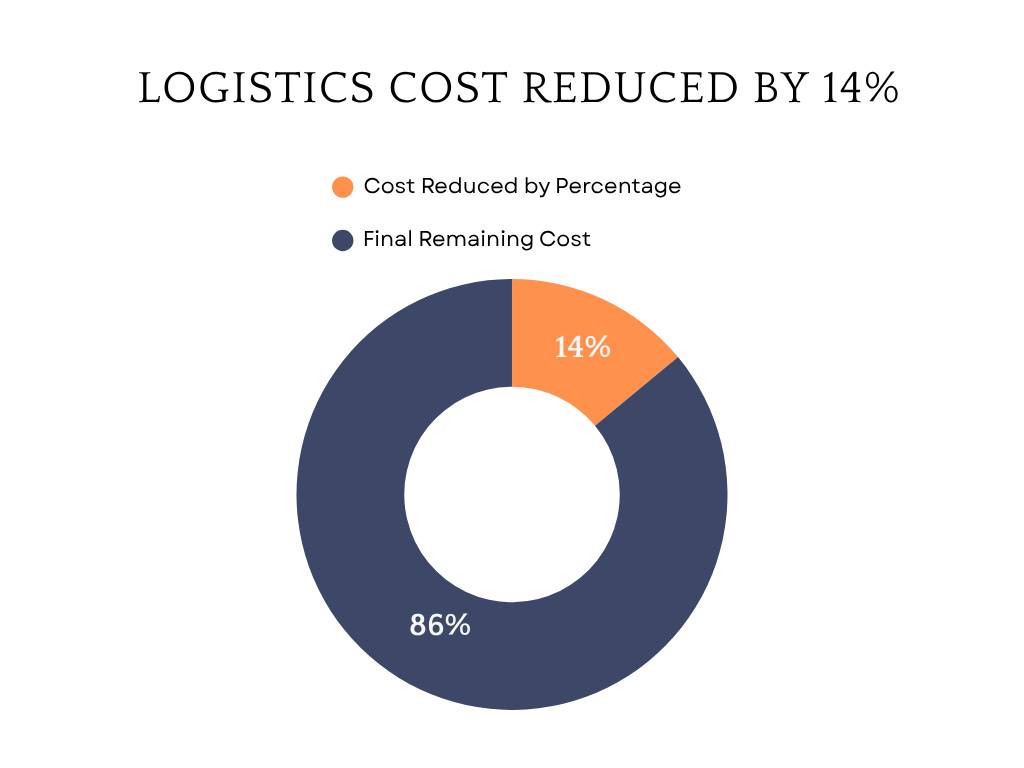
Caustic Soda logistics costs reduced by 14% saving money for the business
- ✅ Correct Chemical Grade Sourced: Camachem’s expert guidance ensured that the exact grade of caustic soda pearls was sourced, tested, and matched to Cleaning Products’ production requirements.
- ✅ Safe and On-Time Delivery: The entire shipment arrived in Australia on schedule and in excellent condition, with no reported quality issues or packaging failures.
- ✅ 14% Reduction in Shipping Costs: By optimizing packaging, shipment size, and export logistics, Camachem successfully helped lower the overall caustic soda cost for the client by 14%.
- ✅ Improved Supply Chain Confidence: With a dependable global partner now in place, Cleaning Products was able to scale production more confidently—knowing that future chemical needs could be met reliably and affordably.
Ready to Save on Caustic Soda Like This Australian Firm?

Hassle free reliable Caustic Soda procurement setup
If you’re a manufacturer or distributor facing similar challenges in sourcing or importing caustic soda or other industrial chemicals, Camachem can help.
- Get a FREE consultation and quotation tailored to your business needs
- Access high-quality chemicals at globally competitive prices
- Reduce your caustic soda cost through smart packaging and optimized logistics
- Ensure full regulatory compliance with all international chemical shipping laws
Visit our website: https://camachem.com
Message us on WhatsApp for a faster response!
WhatsApp Us for Free a Consultation
Camachem — Delivering Chemicals, Cutting Costs, Ensuring Compliance.
If you have other procurement needs from China, please visit Camachem’s parent company, CAMAL Group, where you can explore our industrial equipment and steel procurement services.
How Sourcing Works (CAMACHEM’s Value Chain)

Camachem’s expert sourcing team ensures end-to-end chemical procurement—vetting Caustic Soda suppliers, managing quality control, and overseeing global delivery.
At Camachem, we’ve broken down our procurement process into short, easy-to-understand videos. Whether you're sourcing Caustic Soda or any other industrial chemical, these quick clips show you exactly how we handle everything from chemical selection to shipping and after-sales service.
Step 1: Understanding Your Chemical Requirement
Step 2: Initial Offer and Quotation related chemicals you need
Step 3: Balance Payment & Shipping
How Camachem Helps You Get Quality Chemicals from China
✅ Do you spend too much time trying to find quality chemicals in China?
✅ Is it hard to explain your needs to Chinese suppliers?
✅ Do you need customized chemicals that regular suppliers can’t deliver?
✅ Do you want help getting the right chemicals, so you can focus on growing your business?
If your answer is YES, Reduce Your China Sourcing Headaches, WhatsApp Us (Faster) for a FREE Consultation
✅ Camachem: Quality Chemicals. Every Single Time. ✅
WhatsApp Us for Free a Consultation
Frequently Asked Questions About Caustic Soda
Below are answers to common questions about caustic soda (sodium hydroxide), covering what it is, how it’s used, differences in forms, pricing, and production worldwide.
1. What is Caustic Soda?
Caustic soda, also known as sodium hydroxide (NaOH) or lye, is a powerful alkaline compound widely used in industry and manufacturing. It is known for its highly corrosive nature and strong reactivity, especially with water and acids.
Chemical Identity
Formula: NaOH
Appearance: White, crystalline solid
Solubility: Easily dissolves in water, releasing heat (exothermic reaction)
How It’s Made
Caustic soda is primarily produced through the chlor-alkali process, where electricity is used to split saltwater (sodium chloride solution) into sodium hydroxide, chlorine gas, and hydrogen gas.
Common Uses
Caustic soda is a key ingredient across many industries:
- Paper & Pulp: Used in the chemical pulping process
- Textiles: Involved in dyeing and fabric processing
- Soap & Detergents: Essential for saponification, the process of turning fats into soap
- Water Treatment: Helps control pH levels and remove heavy metals
- Chemical Manufacturing: Used as a base in the production of various chemicals
- Cleaning Agents: Found in industrial and household drain cleaners and degreasers
Safety Considerations
Due to its strong corrosiveness:
- Skin/Eye Contact: Can cause severe burns
- Inhalation: May irritate respiratory passages
- Handling: Requires protective gear and careful storage
2. What Is Caustic Soda Used For?
Caustic soda, or sodium hydroxide (NaOH), is a highly versatile and widely used chemical compound. Its strong alkalinity and reactivity make it essential in a broad range of industrial, commercial, and even household applications.
Key Applications of Caustic Soda
1. Cleaning and Sanitation
- Industrial Cleaner: Caustic soda is used to break down grease, oils, fats, and proteins, making it effective in cleaning equipment, tanks, and surfaces in industrial settings.
- Drain and Oven Cleaners: Found in many commercial drain openers and oven cleaners due to its ability to dissolve organic material and blockages.
2. Soap and Detergent Manufacturing
- Used in the saponification process, where it reacts with fats and oils to create soaps.
- Essential in producing various household and industrial detergents.
3. Pulp and Paper Industry
- Plays a crucial role in the kraft process, where it removes lignin from wood, freeing cellulose fibers used to make paper.
- Also used in bleaching and de-inking recycled paper.
4. Textile Processing
- Used in mercerization, a treatment that strengthens and adds luster to cotton fabrics.
- Assists in bleaching, dyeing, and scouring
5. Water and Wastewater Treatment
- pH Control: Used to neutralize acidic water in municipal and industrial systems.
- Contaminant Removal: Helps precipitate heavy metals and other impurities from water.
- Disinfection: Used in the production of sodium hypochlorite, a widely used disinfectant.
6. Food Processing
- Regulated use in food-grade applications:
- Peeling fruits and vegetables (e.g., tomatoes, potatoes)
- Processing cocoa, chocolate, and olives
- Traditional recipes like pretzels, where it contributes to texture and color
- Peeling fruits and vegetables (e.g., tomatoes, potatoes)
7. Pharmaceutical Industry
- Used as a raw material in the production of medications, including:
- Blood thinners
- Cholesterol-lowering drugs
- Certain pain relievers and antibiotics
- Blood thinners
8. Chemical Manufacturing
- Acts as a reactant or intermediate in the production of:
- Plastics
- Solvents
- Dyes
- Petrochemicals
- Plastics
9. Aluminum Production
- Essential in the Bayer process, where it dissolves bauxite ore to extract alumina (aluminum oxide), a key step in aluminum refining.
10. Energy and Electronics
- Used in the production of fuel cells and batteries, where its conductive and reactive properties support energy generation and storage.
Safety Considerations
Caustic soda is highly corrosive and must be handled with caution:
- Can cause severe burns on skin or eyes
- May release harmful vapors if mixed improperly
- Always use protective gear (gloves, goggles, face shields)
- Store securely, away from children, pets, and incompatible substances
Conclusion
From manufacturing to household use, caustic soda plays a central role in countless processes. Its effectiveness comes with risks, so responsible handling is essential. Whether you're in industry, science, or sanitation, sodium hydroxide is likely behind the scenes helping get the job done.
3. What Is the Difference Between Caustic Soda Pearls and Flakes?
Caustic soda pearls and flakes are two solid forms of sodium hydroxide (NaOH), a strong, highly alkaline compound used across many industries. While their chemical composition is identical, they differ in physical form, handling characteristics, and some application preferences.
Key Differences Between Pearls and Flakes
|
Feature |
Caustic Soda Pearls |
Caustic Soda Flakes |
|
Shape & Appearance |
Small, round, bead-like granules (like tiny pearls or caviar); usually white or translucent |
Thin, flat, irregular flakes; white and crystalline |
|
Handling |
Easier to handle due to uniform size and low dust generation; more flowable and easier to measure |
Slightly more difficult to handle; can produce more dust and may have sharp edges |
|
Storage |
Packaged in moisture-resistant bags to prevent clumping or degradation |
Same moisture-sensitive packaging needed; similar storage precautions |
|
Production Method |
Made by cooling and solidifying liquid sodium hydroxide into spherical beads |
Produced by drying and flattening liquid sodium hydroxide into flakes |
|
Preferred Uses |
Often used in applications requiring precise dosing or minimal dust: alumina refining (Bayer process), chemical manufacturing, pharmaceuticals |
Common in soap and detergent production, pulp and paper processing, and general chemical industry use |
Which Should You Use?
- Pearls are preferred when dust control, accurate dosing, or ease of handling is a priority.
- Flakes are often chosen for more traditional industrial applications where shape and dust control are less critical.
Conclusion
While caustic soda pearls and flakes serve many of the same functions, their physical form affects storage, handling, and application efficiency. The right choice depends on your specific industrial or operational needs.
4. What Are Caustic Soda Pearls Used For?
Caustic soda pearls—the solid, spherical form of sodium hydroxide (NaOH)—are a highly concentrated, easy-to-handle alkaline substance with broad applications across many industries. Their uniform size, low dust generation, and high purity make them ideal for both large-scale industrial operations and specialized chemical processes.
Main Applications of Caustic Soda Pearls
1. Paper and Pulp Industry
- Pulping Agent: Used to break down wood chips into cellulose fibers by removing lignin during the kraft pulping process.
- Bleaching: Helps produce bright, white paper by purifying pulp.
- De-inking Recycled Paper: Removes ink and other contaminants in the recycling process.
2. Soap and Detergent Manufacturing
- Saponification: Reacts with fats and oils to produce soap.
- Detergents and Cleaners: Used in manufacturing various industrial and household cleaning products due to its strong degreasing and disinfecting properties.
3. Textile Industry
- Fabric Processing: Used in scouring, bleaching, and mercerizing cotton to improve strength, luster, and dye uptake.
- Dye Production: Plays a role in the synthesis of dyes for synthetic and natural fabrics.
4. Chemical Manufacturing
- Key Reactant: Serves as a foundational chemical in the production of numerous compounds, including:
- Sodium salts
- Solvents
- Plastics
- Adhesives
- Pharmaceuticals
- Sodium salts
- pH Regulation: Used to neutralize acids and control pH in chemical reactions.
5. Petroleum Refining
- Desulfurization: Removes acidic impurities (like hydrogen sulfide) from crude oil fractions.
- Grease and Oil Removal: Cleans equipment and storage tanks in refineries.
6. Food Processing (Regulated Use)
- Used under strict food-grade standards for:
- Peeling fruits and vegetables (e.g., tomatoes, potatoes)
- Curing olives
- Chocolate and cocoa processing
- Creating the characteristic crust in lye-treated baked goods (e.g., pretzels)
- Peeling fruits and vegetables (e.g., tomatoes, potatoes)
7. Water Treatment
- pH Adjustment: Neutralizes acidic water in municipal and industrial systems.
- Contaminant Removal: Precipitates heavy metals and assists in purifying wastewater.
8. Construction and Other Applications
- Cement Additive: Acts as a plasticizer to improve workability and reduce water use in concrete mixes.
- Industrial Cleaning: Found in high-strength cleaners for drains, ovens, and industrial surfaces.
Why Use Pearls Over Flakes?
Caustic soda pearls are often preferred over flakes due to:
- Lower dust generation
- More consistent dosing
- Better flowability in automated systems
- Improved storage stability
Conclusion
Caustic soda pearls are an essential chemical with wide-reaching utility—from refining metals and treating water to making soap, textiles, and paper. Their clean, bead-like form makes them particularly well-suited for environments that demand precision, safety, and efficiency.
5. What is the Caustic Soda Cost? (Price of Caustic Soda Pearls)
Price Overview: Caustic Soda Pearls (Sodium Hydroxide Granules)
Caustic soda cost varies depending on purity, volume, supplier, and market conditions. Below is a detailed overview of current pricing trends for caustic soda pearls (sodium hydroxide granules):
1. Typical Caustic Soda Cost Range (USD per Metric Ton)
Based on recent market data and supplier quotes, the cost of caustic soda pearls (industrial grade, ~98–99% purity) generally falls within:
- US $350 to $650 per metric ton,
with most common pricing around US $450 to $530 per ton.
Additional pricing insights:
- Many suppliers list prices between US $430 and $510 per ton.
- Textile and dye-grade pearls usually cost US $450 to $530 per ton.
- Bulk or factory-direct purchases with large minimum order quantities (MOQs) often range from US $500 to $650 per ton.
2. Factors Influencing Caustic Soda Cost
Several key factors impact the final caustic soda cost:
- Purity and Grade:
Higher-purity pearls (≥99%), such as pharmaceutical or food-grade, are more expensive. - Order Volume:
Larger orders (usually 10–25 tons minimum) tend to reduce the unit cost. - Location and Shipping:
Costs can increase due to transportation from manufacturing hubs like China, including import duties. - Market Supply and Demand:
Fluctuations in raw material prices, energy costs, and global demand affect caustic soda cost.
3. Approximate Price per Kilogram
|
Price per Ton (USD) |
Caustic Soda Cost per Kg (USD) |
|
$500 |
$0.50 |
|
$450 |
$0.45 |
|
$350 |
$0.35 |
4. Price Summary by Purity Grade
|
Purity / Grade |
Caustic Soda Cost (USD/ton) |
Cost per Kg (USD) |
Notes |
|
Industrial (98–99%) |
$450 – $530 |
$0.45 – $0.53 |
Typical pricing for textiles and chemicals |
|
Bulk / Large Volume |
$350 – $400 |
$0.35 – $0.40 |
Discounts for large orders |
|
Premium (≥99%) |
$550 – $650 |
$0.55 – $0.65 |
Food-grade and pharmaceutical use |
Note: These prices are typically ex-factory or FOB, excluding shipping, insurance, handling fees, and taxes. The final caustic soda cost delivered may vary depending on logistics and local import duties.
Summary
- The caustic soda cost for industrial-grade pearls typically ranges from US $450 to $530 per ton.
- Lower-purity or bulk purchases can reduce cost to around US $350 to $450 per ton.
- Higher-grade pearls for food or pharma applications command a premium, costing between US $550 and $650 per ton.
- Final costs fluctuate based on volume, purity, supplier, shipping, and market trends.
6. Which country is the largest producer of caustic soda?
China is the world’s largest producer of caustic soda (sodium hydroxide, NaOH)—accounting for a significant share of global production capacity.
Why China Leads in Caustic Soda Production:
1. Abundant Raw Materials:
- China has extensive reserves of salt (sodium chloride), the primary raw material used in the chlor-alkali process, which produces both caustic soda and chlorine.
2. Large-Scale Industrial Infrastructure:
- The country hosts some of the largest chlor-alkali plants in the world, supported by well-developed supply chains for energy and raw materials.
3. Cost Advantages:
- Lower labor and energy costs give China a competitive edge in producing basic industrial chemicals like caustic soda.
4. Government Support:
- The Chinese government has historically supported the expansion of its chemical industry through infrastructure investment, export incentives, and favorable industrial policies.
5. Strong Domestic Demand:
- China’s large paper, textile, aluminum, and chemical manufacturing sectors drive high domestic consumption, making large-scale production economically viable.
Global Context:
While China leads, other major producers include:
- United States – home to large chemical companies like OxyChem and Westlake
- India – with growing demand and expanding production capacity
- European Union – particularly Germany, with advanced chemical manufacturing
Conclusion:
China dominates global caustic soda production due to its resource availability, industrial scale, and cost efficiency. This leadership position is expected to continue as China expands its chemical manufacturing capacity to support both domestic and export markets.
7. Why Is Caustic Soda So Expensive?
Caustic soda (sodium hydroxide) is relatively costly due to a complex mix of production challenges, market dynamics, and external factors affecting supply and demand. Below is a detailed explanation:
1. High Production Costs
- Energy-Intensive Manufacturing:
Caustic soda is produced primarily via the chlor-alkali process, which consumes large amounts of electricity. Fluctuations in energy prices, especially electricity, have a direct impact on production costs. Higher energy prices translate into higher caustic soda prices. - Raw Material Expenses:
While salt (sodium chloride) is abundant and inexpensive, the overall cost of raw materials including purified salt solutions and chemicals used in the process adds to the cost. - Regulatory Compliance:
Strict environmental and safety regulations require investments in pollution control, waste management, and worker safety. Compliance raises operational costs, especially in developed regions with stringent standards.
2. Market Volatility
- Supply and Demand Imbalances:
Interruptions caused by natural disasters, geopolitical tensions, or maintenance shutdowns at manufacturing plants can reduce supply abruptly, leading to price spikes. - Rising Industrial Demand:
Growing needs from sectors such as alumina refining, water treatment, soap and detergent manufacturing, and emerging industries like battery recycling put extra pressure on supply. - Global Trade Factors:
Tariffs, trade restrictions, and import-export policies in major producing countries affect availability and cost. Political issues can disrupt the smooth flow of caustic soda in global markets.
3. Specific External Events
- Geopolitical Conflicts:
For instance, the Russia-Ukraine conflict has disrupted energy supplies in key regions, increasing production costs for energy-intensive industries like caustic soda manufacturing. - Plant Outages and Maintenance:
Scheduled maintenance or unforeseen plant shutdowns reduce production capacity temporarily, tightening supply and pushing prices higher. - Economic Conditions:
Inflation, slowdowns in manufacturing sectors, and changing demand for related products (like paper, plastics, and chemicals) influence caustic soda pricing.
4. Additional Cost Drivers
- Transportation and Handling:
Classified as hazardous, caustic soda requires special handling, packaging, and shipping protocols, all of which increase logistics costs. - Packaging Requirements:
To maintain purity and prevent moisture absorption (which can cause caking or degradation), specialized moisture-proof packaging is necessary, adding to the price.
Summary:
The price of caustic soda reflects its energy-heavy production process, raw material and regulatory costs, fluctuating market demand and supply, geopolitical and economic events, plus the expenses related to safe handling and transportation. These factors together keep the price of caustic soda relatively high and sensitive to global trends.
-
What is the Difference Between Caustic Soda Pearls and Caustic Soda Flakes? (2026 Update)
June 8, 2026
-
Top 10 Caustic Soda Suppliers in Australia [2026]
 June 8, 2026
 -
Frequently Asked Question about Phosphoric Acid
June 8, 2026
-
Zinc Chloride: 5 Hazards and Safety Measures You Need To Know
June 4, 2026
-
10 Things I Need To Know About Zinc Chloride (2026 Update)
June 4, 2026