
 Arabic
 English
 French
 Indonesia
 Portuguese
 Russian
 Spanish
 +86-157-2476-6919
Top 10 Chemicals Used in Animal Feed Industry
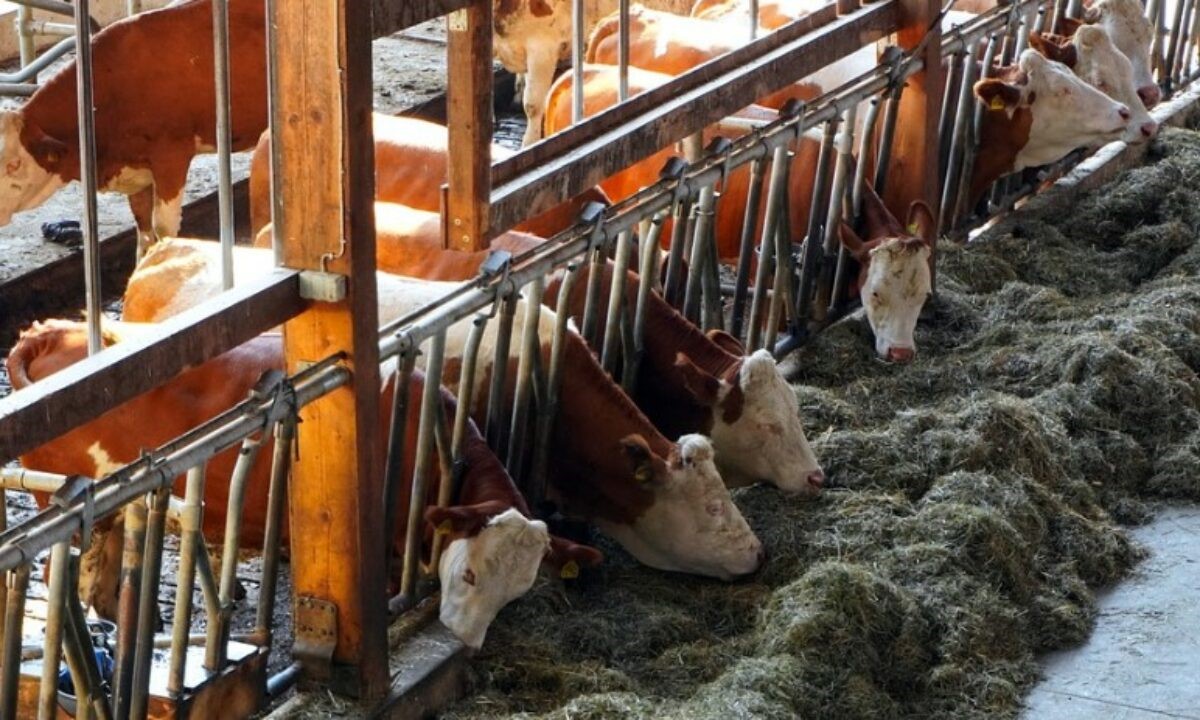
The animal feed industry plays a vital role in ensuring the health and productivity of livestock. Various chemicals are added to animal feeds to enhance their nutritional value, improve animal health, and increase feed efficiency.
Top 10 Chemicals Used in Animal Feed Industry
| 1 | Cement Additives |
| 2 | Epoxy Resins |
| 3 | Polyurethane |
| 4 | Silicones |
| 5 | Acrylics |
| 6 | Bitumen |
| 7 | Fly Ash |
| 8 | Superplasticizers |
| 9 | Polyvinyl Chloride (PVC) |
| 10 | Fire Retardants |
Here’s a detailed look at the top 10 chemicals used in the animal feed industry and their benefits.
1. Vitamins
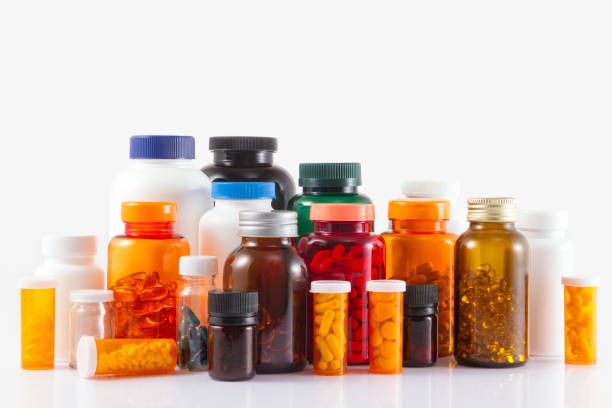
Vitamins are crucial for the overall health and development of animals. They support vital bodily functions such as growth, immune response, and reproduction. Ensuring animals receive adequate vitamins helps maintain their well-being and promotes optimal physiological processes, contributing to their overall health and productivity.
- Vitamin A: Essential for vision, immune function, and skin health.
- Vitamin D: Crucial for calcium absorption and bone health.
- Vitamin E: Acts as an antioxidant, protecting cells from damage.
- B Vitamins: Support energy metabolism and neurological functions.
2. Minerals

Minerals are essential for many physiological processes in animals. They are frequently added to feeds to prevent deficiencies and ensure optimal health, supporting functions such as bone development, muscle function, and overall well-being.
- Calcium: Important for bone development and muscle function.
- Phosphorus: Works with calcium to form bones and teeth.
- Magnesium: Involved in muscle and nerve function.
- Zinc, Copper, and Selenium: Essential for enzyme function and immune health.
3. Amino Acids
Amino acids are the building blocks of proteins, crucial for growth and maintenance in animals. They play a vital role in protein synthesis, ensuring proper development, repair, and overall health, supporting essential bodily functions and promoting optimal performance.
- Lysine: Important for protein synthesis and growth.
- Methionine: Essential for metabolism and overall health.
- Threonine and Tryptophan: Crucial for protein balance and immune function.
4. Enzymes
Enzymes are added to animal feeds to enhance digestion and nutrient absorption. By breaking down complex feed components, they ensure animals can more efficiently utilize nutrients, promoting better growth, health, and overall productivity.
- Phytase: Enhances the breakdown of phytic acid, increasing phosphorus availability.
- Protease: Improves protein digestion.
- Amylase: Aids in the digestion of starches.
5. Probiotics
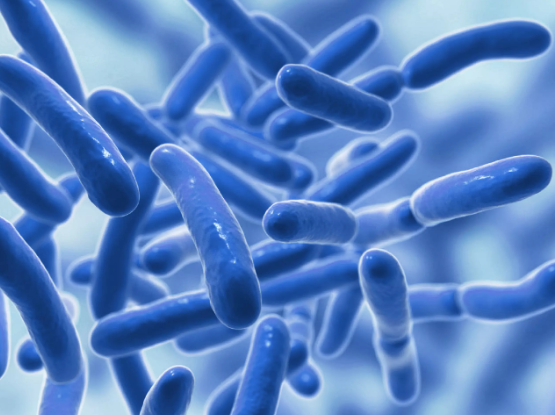
Probiotics are beneficial bacteria that support gut health and enhance digestion. They promote a balanced gut microbiome, improve nutrient absorption, and boost immune function, contributing to the overall well-being and health of animals.
- Lactobacillus: Promotes a healthy gut microbiome and improves digestion.
- Bifidobacterium: Supports immune function and intestinal health.
6. Prebiotics
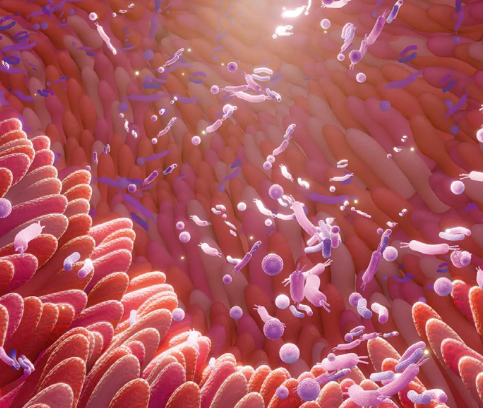
Prebiotics are non-digestible food ingredients that promote the growth of beneficial bacteria in the gut. They enhance gut health by providing nutrients for probiotics, leading to improved digestion, nutrient absorption, and overall well-being in animals.
- Fructooligosaccharides (FOS): Stimulate the growth of beneficial bacteria.
- Mannan Oligosaccharides (MOS): Enhance gut health and immune function.
7. Antibiotics
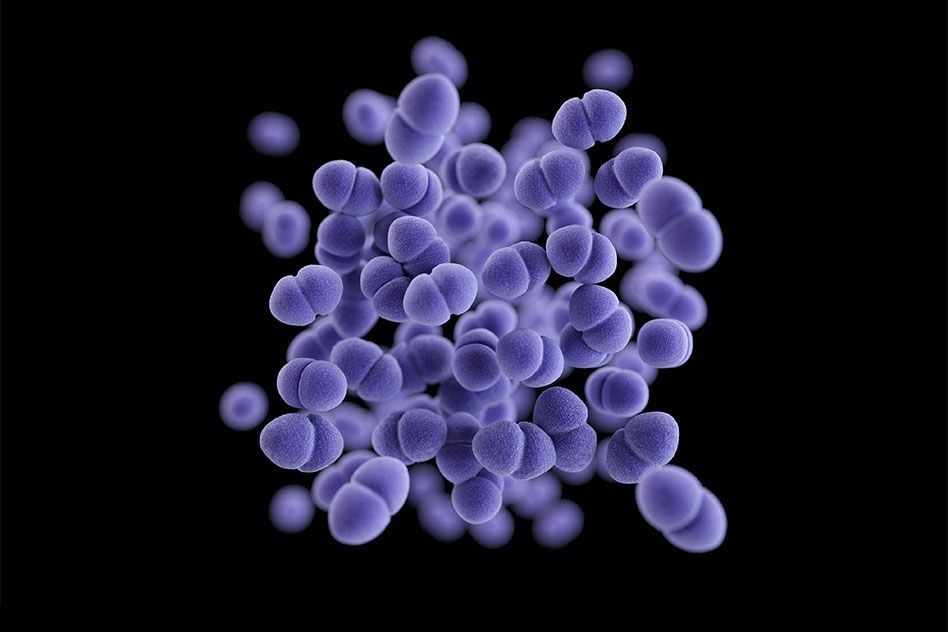
Antibiotics are crucial for preventing and treating bacterial infections in livestock. Regulatory measures control their use to mitigate antibiotic resistance, a growing concern globally. Responsible administration ensures effective treatment while safeguarding public health and maintaining the efficacy of antibiotics for both veterinary and human medical purposes.
- Tetracyclines: Commonly used to treat respiratory and intestinal infections.
- Penicillins: Effective against a broad range of bacterial infections.
8. Antioxidants
Antioxidants are incorporated into animal feeds to prevent the oxidation of fats and other nutrients, preserving their nutritional value. By inhibiting oxidative reactions, antioxidants maintain feed quality and stability, ensuring animals receive optimal nutrition. This helps enhance animal health, growth, and overall performance in agricultural and livestock production systems.
- Vitamin E: A natural antioxidant that protects cells from oxidative damage.
- Butylated Hydroxytoluene (BHT): A synthetic antioxidant used to preserve feed.
9. Mycotoxin Binders
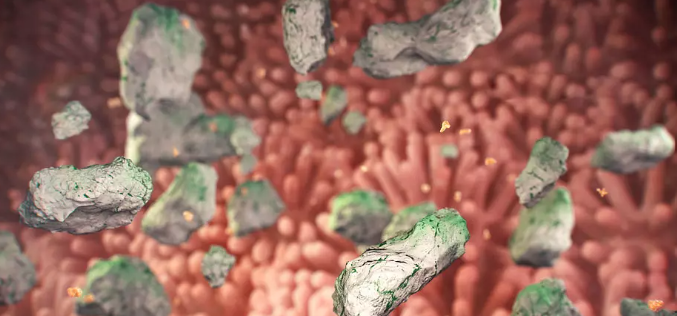
Mycotoxin binders are utilized in animal feed to counteract mycotoxins, toxic compounds produced by molds. These binders prevent mycotoxins from being absorbed in the digestive tract, safeguarding animal health and preventing adverse effects. By effectively neutralizing mycotoxins, binders help maintain feed safety and ensure the well-being of livestock in agricultural practices.
- Bentonite: A clay that binds to mycotoxins, reducing their absorption in the gut.
- Activated Charcoal: Absorbs toxins and prevents their absorption.
10. Flavor Enhancers

Flavor enhancers are incorporated into animal feeds to enhance palatability, stimulating increased consumption by animals. By improving taste and aroma, these additives encourage higher feed intake, ensuring animals receive adequate nutrition. This promotes overall health and performance, supporting optimal growth and productivity in agricultural and livestock management practices.
- Molasses: Adds sweetness and increases feed intake.
- Artificial Flavors: Improve the taste and smell of feed, making it more appealing.
Conclusion - Top 10 Chemicals Used in Animal Feed Industry
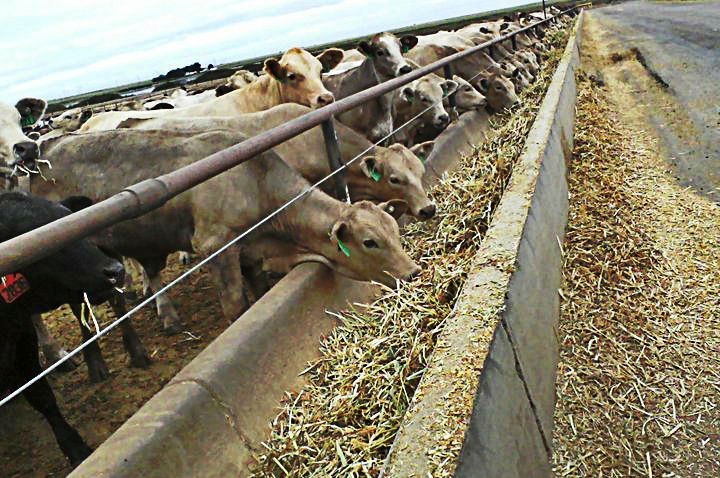
The use of these top 10 chemicals in the animal feed industry is essential for enhancing the nutritional quality, safety, and palatability of animal feeds. By carefully selecting and incorporating these chemicals, feed manufacturers can ensure that livestock receive balanced and nutritious diets, leading to improved animal health, productivity, and overall well-being.
Understanding the role of each chemical helps in optimizing feed formulations and meeting the specific needs of different animal species. If you have any questions let us know in the comments.
How can we help you with your chemical requirements?
✅ Are you a company of 11 - 50 people?
✅ Do you use more than 1000 tons of industrial chemicals per year?
✅ Do you spend too much time finding the right chemical manufacturers?
✅ Are you unsure each time whether you will get the right grade of chemical?
If your answer is YES, Reduce Your Chemical Sourcing Headaches, Contact Us Now for a FREE Consultation and Samples Offer
✅Camachem: Quality Chemicals. Every Single Time✅
-
Bulk SMBS for Sale: 5 Key Applications for Australian Factories
 January 7, 2026
 -
Top 5 Xanthates Every Australian Mining Operation Should Source in Bulk
 January 6, 2026
 -
Top 7 Industrial Chemicals You Can Import from China to Australia in Bulk
 January 5, 2026
 -
5 Mining Reagents You Should Source in Bulk for Australian Operations
 December 31, 2025
 -
6 Chemicals Australian Water Treatment Plants Must Stock in Bulk
 December 30, 2025