
 English
 French
 Indonesia
 Portuguese
 Russian
 Spanish
 Vietnamese
 +86-157-2476-6919
How does Camachem Find our Chemical Suppliers

At Camachem, sourcing top-quality chemical suppliers is key to our success. With a global customer base relying on us, we carefully analyze, evaluate, and collaborate with suppliers who exceed industry standards.
Our comprehensive sourcing strategy ensures we partner with reliable suppliers committed to excellence, enabling us to deliver superior products and services. This blog explores the detailed process we follow to ensure our customers receive the best chemical solutions.
1. Needs Identification
The journey to finding the right supplier begins with understanding our requirements. At this stage, we determine the specific chemical needs of our clients and evaluate the availability of these products in the market.
This involves:
1. Description of Available Products
Each product in our catalog is thoroughly described, detailing its chemical properties, applications, and safety considerations. This helps us ensure that we select suppliers capable of meeting our specific product requirements.
2. Existing Supplier Analysis
Before seeking new suppliers, Camachem conducts a thorough review of its existing suppliers. This involves evaluating their performance across four key areas: cost-effectiveness, quality consistency, delivery reliability, and overall strengths and weaknesses. Such analysis provides valuable insights into whether current suppliers can continue to meet our standards or if there’s a need to re-source.
We evaluate them based on:
- Cost: Are their pricing structures competitive?
- Quality Assessment: Do their products meet our stringent quality criteria consistently?
- Delivery Situation: How reliable are their delivery schedules?
- Strengths and Weaknesses: What are their unique selling points, and where do they need improvement?
3. New Sourcing Requirements

When the decision is made to source new suppliers, we establish clear criteria that must be met. These include specific product attributes, compliance with international standards, and the ability to meet high-volume demands.
Reasons for re-sourcing often include:
- Suppliers fail to meet evolving standards or demands.
- We require new or improved products to remain competitive.
- Diversification of the supplier base to mitigate risks.
2. Paths and Methods of Sourcing

Camachem utilizes multiple channels to identify potential suppliers:
- Alibaba International Site: A global marketplace for finding suppliers with competitive pricing and user reviews.
- Google Searches: Quick access to a variety of supplier websites and product information.
- Supplier Official Websites: Direct communication with suppliers to review products and request quotes.
- Exhibitions and Trade Fairs: Face-to-face meetings at industry events to evaluate suppliers and negotiate deals.
To establish contact, we send professionally crafted development letters introducing our company and specifying our needs. These letters are concise, well-structured, and designed to elicit a prompt response.
1. First Development Letter to an Unfamiliar Supplier

The first development letter is crucial for starting a business relationship. Here's a concise guide:
1. Introduce Camachem and Express Interest:
Begin by introducing Camachem and explaining why you’re reaching out. Mention your interest in their specific products and how you discovered them.
Example: “We are Camachem, a global leader in chemical supply, and we’re particularly interested in your [specific product] as it aligns with our portfolio and client needs.”
2. Specify Product Requirements:
Clearly outline your product needs, including specifications like purity levels, packaging, or delivery requirements. Request detailed product information.
Example: “We require [chemical name] with a purity of 99% in 500g containers. Could you provide detailed specifications, pricing, and availability?”
3. Propose Next Steps:
Conclude by suggesting a follow-up call, meeting, or further discussion to explore potential collaboration.
Example: “We’d like to discuss this further. Could we schedule a call next week to explore how we might work together?”
This approach ensures clarity, professionalism, and momentum in building a strong supplier relationship.
2. Making the First Call to an Unfamiliar Supplier

The first call to a new supplier is crucial for establishing a productive relationship. Here’s how to approach it:
1. Contact Analysis
- Clarify the Position of the Contact Person: Understand the role of the person you are speaking to. Tailor your conversation based on whether they focus on technical details, pricing, or long-term partnerships.
2. Simple Phone Script
- Introduce Yourself:
"Hi, this is [Your Name] from Camachem." - Explain the Purpose:
"We’re interested in your [specific product] and would like to learn more." - Request Feedback or Next Steps:
"Could you share details on your products and pricing? Would it be possible to schedule a follow-up meeting?"
3. Other Important Notes
- Call at the Right Time:
Ensure you call during business hours, avoiding peak times for a more productive conversation. - Know the Product:
Be prepared with detailed product knowledge to ask informed questions.
By keeping the call clear, concise, and professional, you’ll set the foundation for a successful supplier relationship.
3. Supplier Background Checks

Supplier Background Checks: A Quick Guide
Supplier background checks are vital for ensuring the reliability, credibility, and capacity of potential partners. Here’s a breakdown of the process:
1. Content of Background Checks
- Supplier Info: Company ownership, history, and industry reputation.
- Financial Stability: Revenue, debts, and profitability.
- Factory & Product Info: Manufacturing capabilities and product quality.
- Sales Channels: Domestic and international sales methods.
- Marketing Status: Brand visibility and marketing strategies.
- Customer Data: Existing customer base, testimonials, and reviews.
- Other Aspects: Sustainability, innovation, and customer service.
2. Background Check Tools
- Supplier’s Website: Verify product offerings and certifications.
- National Enterprise Credit Info Platform: Check legal status and financial reports.
- Google Maps: Verify factory location.
- Sales Channels: Platforms like Alibaba provide insights into credibility.
- Social Media: Platforms like LinkedIn and WeChat offer customer feedback.
- Export Data: Review customs data for international operations.
3. How to Conduct a Background Check
- Business Model: Determine whether they are a manufacturer, wholesaler, or trader.
- Product Lines: Ensure their products align with your needs.
- Certifications: Verify factory and product certifications.
- Customer & Market Info: Research markets served and customer data.
- Financial Status: Evaluate their revenue and growth potential.
- Other Factors: Delivery times, pricing, and customer service.
4. Preparation Before Visiting Suppliers
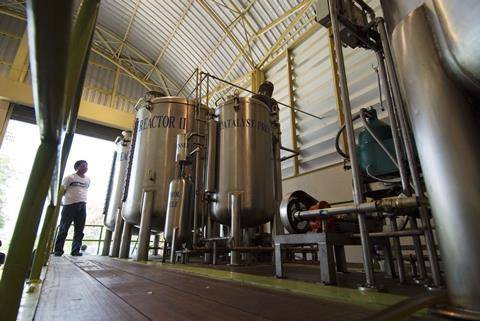
Preparing for a visit to a supplier is essential to make the most out of the interaction and ensure that all relevant aspects are covered. Here's how to prepare for and conduct an effective supplier factory visit
Pre-Visit Information:
- Clarify the Purpose: Define the goals of your visit (e.g., quality inspection, production capacity assessment).
- Composition of Both Parties: Confirm who will attend from both sides, such as technical or sales staff.
- Make an Appointment: Schedule the visit in advance and confirm the date, time, and location.
- Communicate About Areas to Be Visited: Specify which parts of the factory (e.g., production, packaging) you wish to inspect.
- Communicate Reception Details: Confirm logistics like transportation, safety protocols, and visitor requirements.
How to Visit a Supplier’s Factory?
- Visit According to the Production Process: Walk through the factory from raw materials to finished products to understand the entire flow.
- Understand Changes in the Industry/Factory: Ask about any recent changes in operations or technology that may affect quality or efficiency
Proper preparation ensures an efficient and productive supplier visit, helping you assess their capabilities and align expectations.
5. Negotiation

Negotiation with suppliers is a crucial step in securing favorable terms for both parties. The process requires careful preparation and structured discussions to ensure that all key factors are addressed. Here’s a breakdown:
1. Notes Before Negotiation
- Clarify the Bottom Line: Define your minimum acceptable terms (e.g., price, quantity).
- Clarify Goals: Set clear objectives for the negotiation (e.g., price reduction, timely delivery).
- Feasibility Analysis: Assess the supplier’s capabilities and the feasibility of your goals.
- Develop Multiple Plans: Prepare backup strategies for different scenarios.
2. Negotiation Checklist
The following factors should be thoroughly reviewed during the negotiation process:
- Sales Analysis: Review the supplier’s sales history, best/worst-selling products, and customer feedback.
- Profit Negotiation: Discuss purchase quantity for price reductions, mold fees, and free parts.
- Supply Situation: Confirm stock availability, order timeliness, and prioritization during full orders.
- Quality Status: Ensure the supplier meets your quality control standards.
- Business Terms: Agree on payment methods, deposit ratios, and price communication.
Effective negotiations help secure favorable terms and ensure a reliable long-term partnership with suppliers.
Conclusion - How Camachem Find our Suppliers
In conclusion, Camachem’s supplier sourcing process is based on thorough research, clear communication, and strategic planning. By identifying our needs, conducting detailed background checks, and preparing for negotiations, we ensure partnerships with reliable suppliers that meet our evolving business requirements.
The multi-step approach of finding chemical suppliers helps us build long-term relationships that align with our values, enabling us to deliver top-quality products and achieve sustainable growth.
Visit our website to learn more about our services. High-Quality Chemical and Reagents for Sale | Camachem
How can we help you with your chemical requirements?
✅ Are you a company of 11 - 50 people?
✅ Do you use more than 1000 tons of industrial chemicals per year?
✅ Do you spend too much time finding the right chemical manufacturers?
✅ Are you unsure each time whether you will get the right grade of chemical?
If your answer is YES, Reduce Your Chemical Sourcing Headaches, Contact Us Now for a FREE Consultation and Samples Offer
✅Camachem: Quality Chemicals. Every Single Time✅
-
What is the Difference Between Caustic Soda Pearls and Caustic Soda Flakes? (2026 Update)
June 8, 2026
-
Top 10 Caustic Soda Suppliers in Australia [2026]
 June 8, 2026
 -
Frequently Asked Question about Phosphoric Acid
June 8, 2026
-
Zinc Chloride: 5 Hazards and Safety Measures You Need To Know
June 4, 2026
-
10 Things I Need To Know About Zinc Chloride (2026 Update)
June 4, 2026