
 English
 French
 Indonesia
 Portuguese
 Russian
 Spanish
 Vietnamese
 +86-157-2476-6919
Top 10 Chemicals Used in Polymers

Polymers are essential materials in a wide range of applications, from everyday household items to advanced industrial uses. Understanding the key chemicals involved in polymer production and modification is crucial for anyone working in or studying this field. Here are the top 10 chemicals commonly used in polymer production, along with their benefits and applications.
Top 10 Chemicals Used in Polymers
- Ethylene
- Propylene
- Styrene
- Vinyl Chloride
- Acrylonitrile
- Butadiene
- Terephthalic Acid
- Formaldehyde
- Bisphenol A (BPA)
- Caprolactam
Here’s a detailed look at the top 10 chemicals used in polymers and we will discuss their benefits and applications.
1. Ethylene
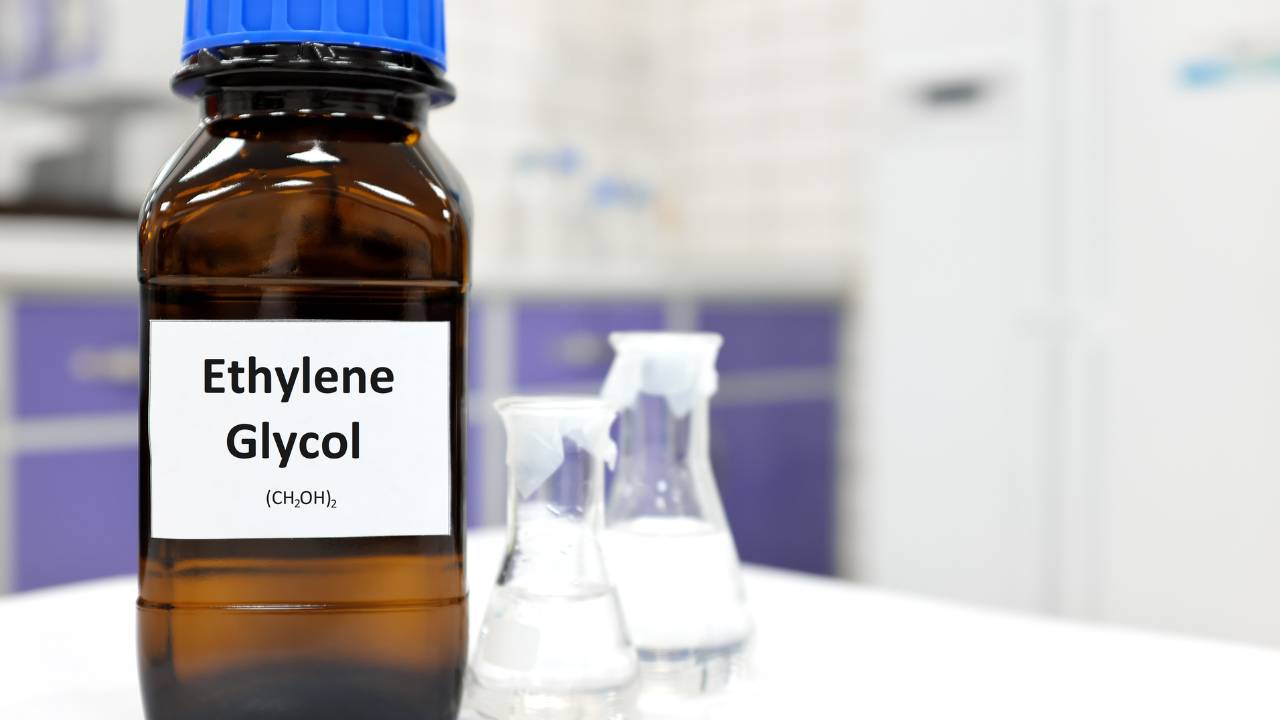
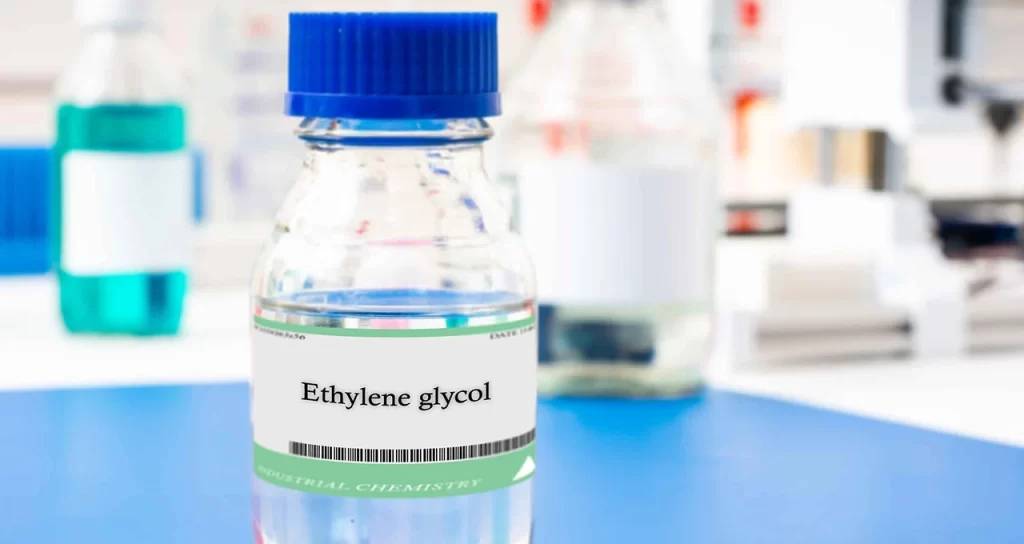
Ethylene is the primary building block for polyethylene, the most widely used plastic in the world. Polyethylene is known for its versatility, ranging from flexible films to rigid containers. Ethylene, being a small and highly reactive molecule, is also a precursor for many other important chemicals and polymers. Its derivatives include ethylene oxide, ethylene dichloride, and ethylbenzene, which are used to produce a range of products such as antifreeze, PVC, and polystyrene.
Benefits:
- Versatility: Ethylene can be polymerized into various forms of polyethylene, such as low-density polyethylene (LDPE) and high-density polyethylene (HDPE), each with unique properties.
- Cost-Effective: Ethylene is relatively inexpensive, making polyethylene a cost-effective material for a wide range of applications.
Applications:
- Packaging: LDPE is used for plastic bags, film wrap, and squeeze bottles, while HDPE is used for containers, pipes, and plastic lumber.
- Consumer Goods: Polyethylene is used in toys, household goods, and personal care products.
- Construction: HDPE is used in geomembranes for lining landfills and other containment systems.
2. Propylene

Propylene is the precursor to polypropylene, a versatile polymer with applications ranging from packaging to automotive components. Propylene is also a key monomer in the production of other important polymers and chemicals such as acrylonitrile, cumene, and propylene oxide. Acrylonitrile is used in acrylic fibers and ABS plastic, while cumene is a precursor to phenol and acetone. Propylene oxide is used in the production of polyurethane foams, which are used in furniture, bedding, and insulation.
Benefits:
- High Impact Resistance: Polypropylene is tough and can withstand heavy impacts, making it ideal for automotive parts and packaging.
- Chemical Resistance: It is resistant to many chemicals, making it suitable for containers and piping systems that handle aggressive substances.
Applications:
- Automotive: Used in bumpers, interior trim, and battery cases.
- Textiles: Polypropylene fibers are used in carpets, ropes, and upholstery.
- Packaging: Widely used for food containers, caps, and closures.
3. Styrene
Styrene is the monomer used to produce polystyrene, a clear, hard plastic, and its variants like acrylonitrile butadiene styrene (ABS). Styrene is also used in the production of various copolymers, such as styrene-butadiene rubber (SBR) and styrene-acrylonitrile (SAN). SBR is widely used in tires and other automotive applications due to its excellent abrasion resistance and aging stability. SAN is used in products that require clarity and toughness, such as food containers, battery cases, and household goods.
Benefits:
- Clarity and Rigidity: Polystyrene is transparent and rigid, making it ideal for packaging and disposable cutlery.
- Versatility: ABS combines the strength and rigidity of acrylonitrile and styrene with the toughness of polybutadiene.
Applications:
- Packaging: Used for clear plastic containers, lids, and CD cases.
- Consumer Electronics: ABS is used in the housing of electronics like computers and TVs.
- Automotive: Used for components like dashboards, wheel covers, and other high-impact applications.
4. Vinyl Chloride
Vinyl chloride is the monomer for polyvinyl chloride (PVC), a plastic known for its durability and versatility. PVC can be modified with various additives to enhance its properties. Plasticizers are added to make flexible PVC, which is used in products like hoses, cables, and soft tubing. Stabilizers and impact modifiers are added to rigid PVC to improve its durability and performance in applications like piping, profiles, and fittings.
Benefits:
- Durability: PVC is resistant to weathering, chemicals, and abrasion.
- Versatility: Can be made flexible or rigid, allowing for a wide range of applications.

Applications:
- Construction: Used for pipes, siding, and window frames.
- Healthcare: Used in medical devices such as IV bags and tubing.
- Consumer Goods: Used for vinyl flooring, synthetic leather, and inflatable products.
5. Acrylonitrile
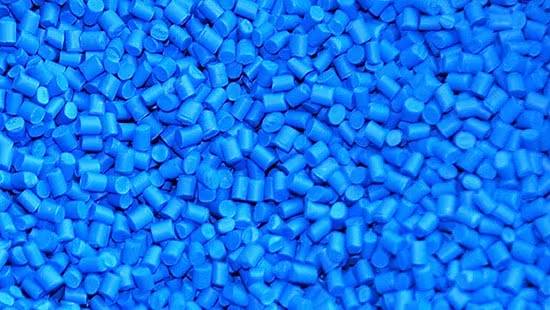
Acrylonitrile is a key component in the production of acrylonitrile butadiene styrene (ABS) and acrylic fibers. Acrylonitrile is also used in the production of nitrile rubber (NBR), which is known for its excellent resistance to oils and chemicals. NBR is used in a variety of applications, including automotive seals, gaskets, hoses, and gloves. Additionally, acrylonitrile is used to produce adiponitrile, a precursor to nylon 6,6, which is used in fibers, engineering plastics, and automotive components.
Benefits:
- Strength and Durability: Acrylonitrile contributes to the strength and durability of ABS plastics.
- Thermal Stability: Provides thermal stability to polymers, making them suitable for high-temperature applications.
Applications:
- Automotive: Used in exterior and interior components.
- Textiles: Acrylic fibers are used in clothing, upholstery, and carpets.
- Consumer Goods: Used in the manufacturing of sports equipment and toys.
6. Butadiene

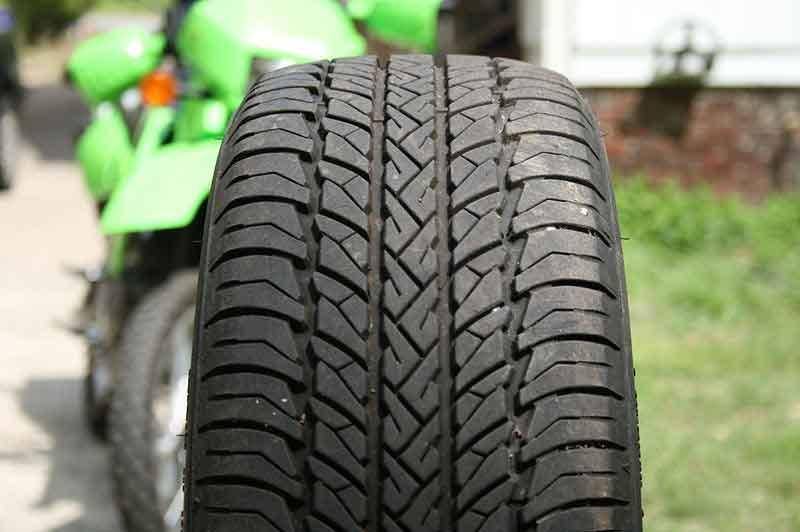
Butadiene is essential for the production of synthetic rubber and plastics such as styrene-butadiene rubber (SBR) and acrylonitrile butadiene styrene (ABS). Butadiene is also a key monomer in the production of polybutadiene rubber (PBR), which is used in tires, golf balls, and other applications requiring excellent abrasion resistance and low-temperature performance. Butadiene is also used to produce nitrile rubber (NBR), which is widely used in automotive and industrial applications due to its oil and chemical resistance.
Benefits:
- Elasticity: Butadiene contributes to the elasticity of synthetic rubbers.
- Impact Resistance: Enhances the impact resistance of ABS plastics.
Applications:
- Automotive: Used in tires, hoses, and gaskets.
- Footwear: Synthetic rubber is used in the soles of shoes.
- Consumer Goods: Found in various plastic products and sporting goods.
7. Terephthalic Acid
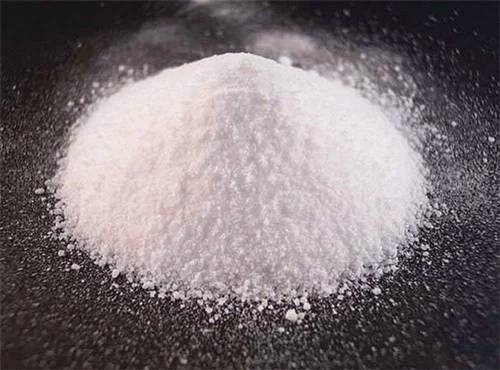
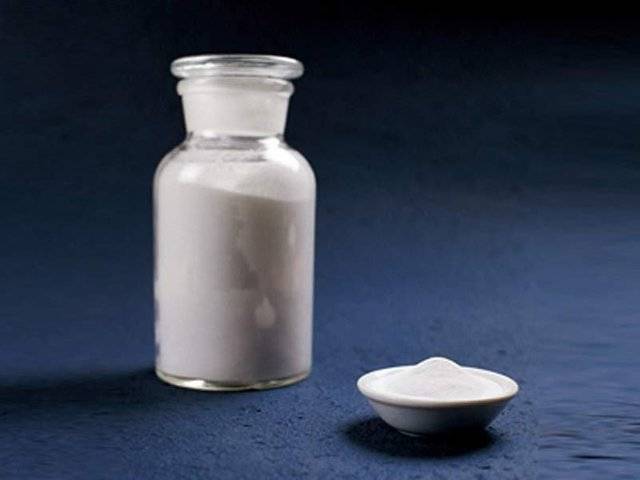
Terephthalic acid is a primary component in the production of polyethylene terephthalate (PET), commonly used in fibers and beverage bottles. PET is also used in the production of PETG (glycol-modified PET), which is known for its clarity, toughness, and ease of thermoforming. PETG is used in applications such as medical device packaging, point-of-purchase displays, and 3D printing.
Benefits:
- Clarity and Strength: PET provides excellent clarity and strength, making it ideal for packaging.
- Recyclability: PET is highly recyclable, contributing to its environmental benefits.
Applications:
- Packaging: Used for beverage bottles, food containers, and packaging films.
- Textiles: PET fibers are used in clothing, upholstery, and carpets.
- Industrial Applications: Used in the production of engineering plastics and films.ms to remove volatile organic compounds (VOCs), odors, and airborne contaminants.
8. Formaldehyde
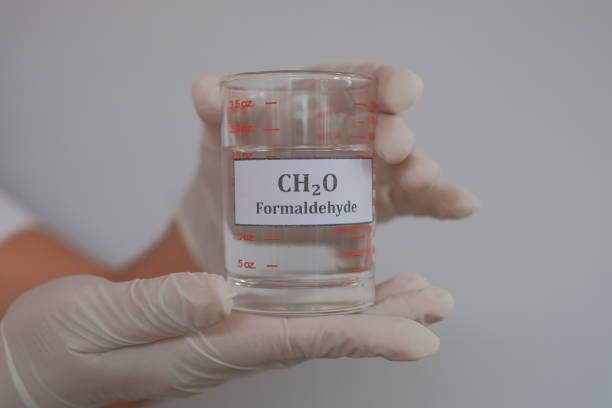
Formaldehyde is a precursor to various resins, including urea-formaldehyde and phenol-formaldehyde, used in wood products and adhesives. Formaldehyde is also used to produce melamine-formaldehyde resins, which are known for their hardness, scratch resistance, and durability. These resins are used in high-pressure laminates, kitchen countertops, and automotive coatings. Additionally, formaldehyde is used in the production of pentaerythritol, a key ingredient in alkyd resins, which are used in paints, coatings, and inks.
Benefits:
- Adhesive Properties: Formaldehyde resins provide strong adhesive properties, making them essential in wood products.
- Thermal Stability: Phenol-formaldehyde resins offer excellent thermal stability and chemical resistance.
Applications:
- Construction: Used in plywood, particleboard, and medium-density fiberboard (MDF).
- Automotive: Used in brake linings, insulation, and molding compounds.
- Consumer Goods: Found in coatings, textiles, and laminates.
9. Bisphenol A (BPA)
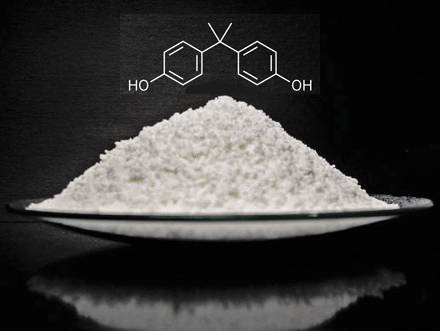
Bisphenol A is a key building block for polycarbonate plastics and epoxy resins, known for their durability and clarity. BPA is also used to produce epoxy resins, which are known for their excellent adhesion, chemical resistance, and thermal stability. Epoxy resins are used in a wide range of applications, including coatings, adhesives, composites, and electronics. They are also used in the production of wind turbine blades, automotive parts, and aerospace components.
Benefits:
- Strength and Durability: Polycarbonate is extremely strong and resistant to impact.
- Clarity: Provides excellent optical clarity, making it suitable for eyewear and optical discs.
Applications:
- Consumer Electronics: Used in cases for phones, computers, and other electronic devices.
- Construction: Used in glazing, roofing, and safety equipment.
- Medical Devices: Found in dental sealants, medical equipment, and water bottles.
10. Caprolactam
Caprolactam is used to produce nylon 6, a versatile synthetic polymer known for its strength and elasticity. Caprolactam is also used in the production of engineering plastics, which are used in high-performance applications such as gears, bearings, and electrical connectors. Nylon 6,6, produced from hexamethylenediamine and adipic acid, is another important nylon polymer with similar properties to nylon 6 but with higher melting point and strength.
Benefits:
- Strength and Elasticity: Nylon 6 provides excellent mechanical properties and resistance to wear and abrasion.
- Chemical Resistance: Resistant to many chemicals, making it suitable for a wide range of applications.
Applications:
- Textiles: Used in clothing, carpets, and industrial fabrics.
- Automotive: Found in under-the-hood components, airbags, and tires.
- Consumer Goods: Used in sports equipment, kitchen utensils, and fishing lines.
Conclusion - Top 10 Chemicals Used in Polymers
The effective treatment of water involves a combination of chemical processes aimed at ensuring its safety, quality, and compliance with regulatory standards. Each chemical used in water treatment plays a specific role, whether it's disinfection, coagulation, pH adjustment, oxidation, or removal of contaminants. These processes work synergistically to eliminate pathogens, neutralize harmful substances, and improve the overall aesthetic qualities of water, such as taste and clarity.
By meticulously controlling the dosage and application of these chemicals, water treatment facilities can consistently produce water that meets stringent health and safety guidelines.
By employing the right chemicals and treatment strategies, water treatment professionals can address diverse water quality challenges and ensure access to clean, safe, and sustainable water resources for communities worldwide. This not only safeguards public health but also supports economic development and environmental protection.
As the demand for potable water continues to grow, ongoing research and innovation in chemical treatment methods will be crucial in overcoming emerging contaminants and adapting to changing water quality conditions. Ultimately, effective water treatment is essential for maintaining the well-being of populations and preserving the planet's vital water resources for future generations.
How can we help you with your chemical requirements?
✅ Are you a company of 11 - 50 people?
✅ Do you use more than 1000 tons of industrial chemicals per year?
✅ Do you spend too much time finding the right chemical manufacturers?
✅ Are you unsure each time whether you will get the right grade of chemical?
If your answer is YES, Reduce Your Chemical Sourcing Headaches, Contact Us Now for a FREE Consultation and Samples Offer
✅Camachem: Quality Chemicals. Every Single Time✅
-
What is the Difference Between Caustic Soda Pearls and Caustic Soda Flakes? (2026 Update)
June 8, 2026
-
Top 10 Caustic Soda Suppliers in Australia [2026]
 June 8, 2026
 -
Frequently Asked Question about Phosphoric Acid
June 8, 2026
-
Zinc Chloride: 5 Hazards and Safety Measures You Need To Know
June 4, 2026
-
10 Things I Need To Know About Zinc Chloride (2026 Update)
June 4, 2026