
 English
 French
 Indonesia
 Portuguese
 Russian
 Spanish
 Vietnamese
 +86-157-2476-6919
Top 10 Chemicals Used in Automotives

The automotive industry utilizes a broad range of industrial chemicals for various applications, from manufacturing to maintenance. These chemicals are essential in ensuring the production of high-quality, durable, and efficient vehicles. They contribute to various aspects of vehicle performance, including structural integrity, engine efficiency, safety, and longevity.
Each chemical serves a unique purpose, from enhancing comfort and durability to providing critical protection against environmental and operational stresses. Here are the top 10 industrial chemicals commonly used in the automotive industry.
Top 10 Chemicals in Automotives
- Polyurethane
- Ethylene Propylene Diene Monomer rubber
- Ethylene Glycol
- Glycol Ethers
- Engine Oils (Lubricants)
- Epoxy Resins
- Polypropylene
- Silicone
- Phosphoric Acid
- Zinc Dialkyldithiophosphates
Here’s a detailed look at the top 10 chemicals used in water treatment and we will discuss their benefits and applications.
1) Polyurethane

Polyurethane is a versatile polymer used across various industries due to its unique combination of properties, such as flexibility, durability, and excellent abrasion resistance. This material plays a significant role in enhancing the functionality and longevity of a wide range of products.
Benefits:
- Flexibility: Polyurethane's inherent flexibility allows it to be molded into various shapes and forms, catering to diverse manufacturing needs.
- Durability: Known for its long-lasting nature, polyurethane withstands wear and tear, extending the life of products made from it.
- Abrasion Resistance: Its excellent resistance to abrasion makes polyurethane an ideal choice for applications requiring robust material performance.

Applications:
- Seating Foam: Polyurethane is commonly used in furniture and automotive industries to produce comfortable and durable seating foam, providing support and resilience.
- Interior Trim: In the automotive sector, polyurethane is used for interior trim components, offering a combination of aesthetic appeal and durability.
- Coatings: It serves as a protective coating for various surfaces, enhancing their resistance to corrosion, weathering, and wear.
- Adhesives: Polyurethane adhesives are employed in various bonding applications due to their strong adhesive properties and flexibility, ensuring reliable and long-lasting bonds.
2) Ethylene Propylene Diene Monomer Rubber

EPDM (Ethylene Propylene Diene Monomer) is a synthetic rubber made from ethylene, propylene, and a diene comonomer that enables crosslinking via sulfur vulcanization. Known for its excellent resistance to heat, weather, and a range of chemicals, EPDM is widely used in various industries for applications requiring robust performance in challenging environments.
Benefits:
- Heat Resistance: EPDM maintains its integrity and performance under high temperatures, making it suitable for applications exposed to heat.
- Weather Resistance: Its excellent resistance to UV radiation, ozone, and other weathering factors ensures long-term durability in outdoor applications.
- Durability: EPDM's robust physical properties provide high durability and longevity, even under harsh conditions.

Applications:
- Seals: Used extensively in automotive and industrial applications for gaskets and seals, ensuring leak-proof and reliable performance.
- Hoses: EPDM hoses are utilized in various systems, including automotive cooling systems and industrial fluid transfer, due to their flexibility and resistance to heat and chemicals.
- Weather Stripping: Commonly used in construction and automotive industries for weather stripping, EPDM provides a reliable barrier against moisture, dust, and noise.
- Insulation: EPDM is used for thermal and electrical insulation, leveraging its excellent resistance to temperature extremes and electrical conductivity.
3) Ethylene Glycol
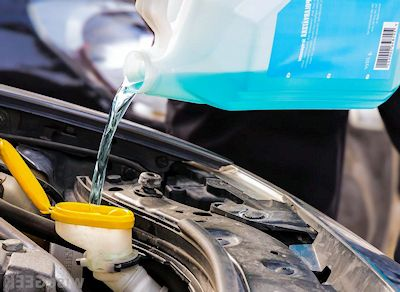
Ethylene Glycol is a widely used chemical compound known for its effective temperature regulation properties. It plays a crucial role in various industrial and automotive applications by preventing both overheating and freezing, ensuring the smooth operation of engines and other systems.
Benefits:
- Effective Temperature Regulation: Ethylene Glycol helps maintain optimal temperature levels, preventing engines and systems from overheating.
- Prevents Freezing: By lowering the freezing point of liquids, Ethylene Glycol ensures that systems continue to operate efficiently in cold temperatures.

Applications:
- Antifreeze: Ethylene Glycol is a key component in antifreeze formulations, protecting automotive and industrial engines from freezing and ensuring reliable performance in cold weather.
- Engine Coolant: Used in engine coolants, Ethylene Glycol helps regulate engine temperatures, preventing overheating and maintaining efficient operation across a range of temperatures.
4) Glycol Ethers
Glycol Ethers are a group of solvents known for their versatility and effectiveness in various industrial applications. They provide excellent moisture resistance and are particularly effective in hydraulic systems, making them a valuable component in numerous formulations.
Benefits:
- Moisture Resistance: Glycol Ethers offer superior resistance to moisture, ensuring the stability and effectiveness of products in which they are used.
- Effective in Hydraulic Systems: Their properties make them highly effective in hydraulic systems, providing reliable performance and protection.

Applications:
- Brake Fluids: Glycol Ethers are commonly used in brake fluids due to their excellent moisture resistance and ability to maintain stability under high temperatures and pressures.
- Solvents: Widely used as solvents in various industrial applications, Glycol Ethers are valued for their ability to dissolve a range of substances, making them essential in the production of coatings, cleaners, and other products.
5) Engine Oils (Lubricants)
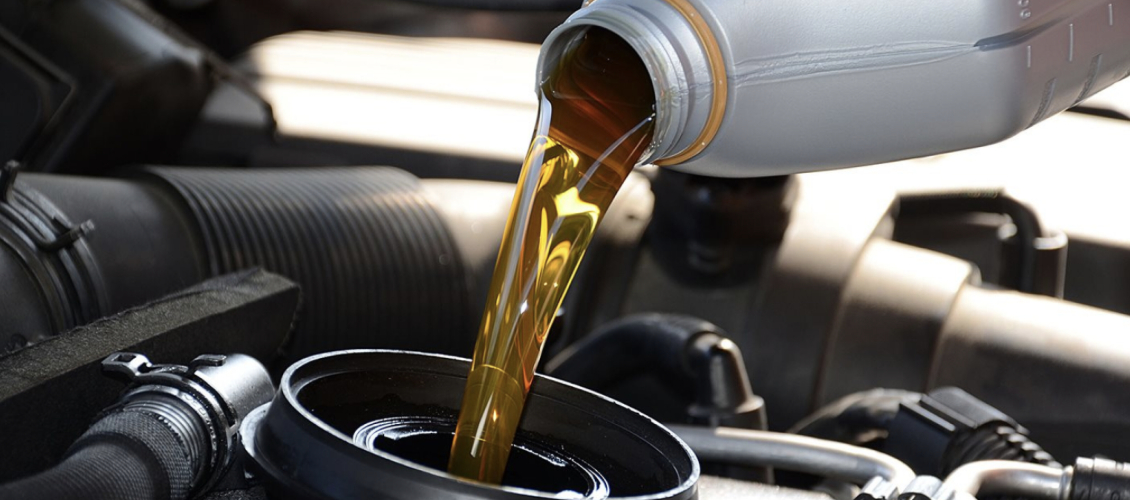
Engine oils, also known as lubricants, are essential for the proper functioning and longevity of engines. These oils are primarily composed of base oils, which can be derived from either mineral oils, refined from crude oil, or synthetic oils, chemically engineered for superior performance.
Benefits:
- Reduces Friction: Engine oils minimize friction between moving parts, ensuring smoother operation and reducing the risk of damage.
- Prevents Wear: By providing a protective layer, these oils prevent wear and tear on engine components, extending the engine's lifespan.
- Enhances Performance: Engine oils help maintain optimal engine performance by ensuring efficient operation and reducing the risk of overheating.
Applications:
- Engine Lubrication: Engine oils are primarily used to lubricate internal combustion engines, ensuring smooth and efficient operation.
- Transmission Fluids: These oils are used in transmission systems to provide lubrication, cooling, and protection to the components, ensuring seamless gear shifts and operation.
- Gear Oils: In gearboxes and differentials, engine oils provide essential lubrication to reduce friction and wear, enhancing the performance and durability of the gear mechanisms.
6) Epoxy Resins:

Epoxy Resins are versatile polymers derived from the reaction of epichlorohydrin (ECH) with bisphenol A. Known for their strong bonding capabilities and excellent mechanical properties, epoxy resins are widely used in various industrial and commercial applications.
Benefits:
- Strong Bonding: Epoxy resins provide exceptional adhesion, making them ideal for applications requiring strong and durable bonds.
- Chemical Resistance: These resins offer high resistance to chemicals, ensuring the longevity and stability of products in harsh environments.
- Excellent Mechanical Properties: Epoxy resins possess superior mechanical properties, such as high tensile strength and rigidity, enhancing the performance of the materials they are used in.

Applications:
- Adhesives: Epoxy resins are commonly used in adhesives for their strong bonding properties, ensuring reliable and long-lasting connections in various materials.
- Coatings: Used in protective coatings, epoxy resins provide excellent resistance to corrosion, chemicals, and wear, making them suitable for a wide range of surfaces.
- Composites: In the production of composites, epoxy resins contribute to the creation of high-strength, lightweight materials used in industries such as aerospace, automotive, and construction.
7) Polypropylene (PP):

Polypropylene (PP) is a widely used thermoplastic polymer known for its lightweight properties, high impact resistance, and versatility. Its adaptability makes it an essential material in various industries, particularly in automotive and consumer goods.
Benefits:
- Lightweight: Polypropylene is a lightweight material, contributing to reduced weight in products and enhancing fuel efficiency in automotive applications.
- High Impact Resistance: PP offers excellent impact resistance, ensuring durability and resilience in demanding applications.
- Versatile: Its versatility allows for a broad range of uses, from automotive components to consumer goods and packaging.

Applications:
- Interior and Exterior Components: In the automotive industry, polypropylene is used for various interior and exterior components, providing durability and aesthetic appeal.
- Bumpers: PP's high impact resistance makes it an ideal material for manufacturing car bumpers, offering protection and durability.
- Dashboards: Polypropylene is used in the production of dashboards, providing a balance of lightweight construction and high durability, essential for vehicle interiors.
8) Silicone:

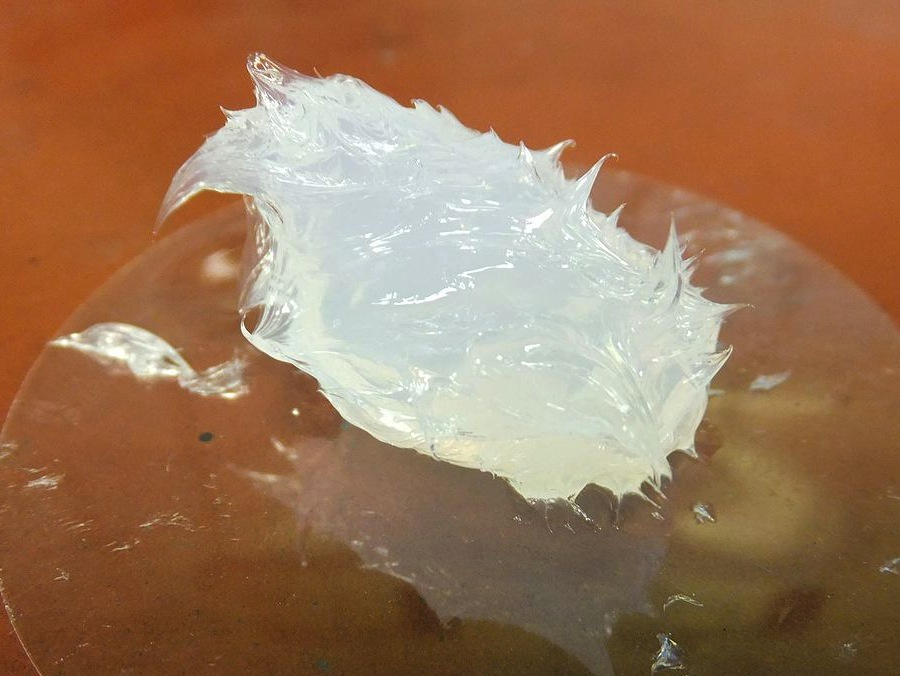
Silicone is a highly versatile material known for its exceptional heat resistance, flexibility, and durability. Its unique properties make it suitable for a wide range of applications across various industries, including automotive, construction, and electronics.
Benefits:
- Heat Resistance: Silicone can withstand high temperatures without degrading, making it ideal for applications exposed to extreme heat.
- Flexible: Its flexibility allows silicone to be molded into various shapes and forms, adapting to different design requirements.
- Durable: Silicone's durability ensures long-lasting performance, even in challenging environments.
Applications:
- Gaskets: Silicone is used to create gaskets that provide reliable seals in engines, appliances, and industrial equipment, ensuring leak-proof performance.
- Seals: In automotive and industrial applications, silicone seals prevent the ingress of dust, water, and other contaminants, maintaining the integrity of systems.
- Lubricants: Silicone-based lubricants reduce friction and wear in mechanical systems, enhancing efficiency and extending the lifespan of components.
- Adhesives: Silicone adhesives are used in various bonding applications, offering strong adhesion and flexibility, suitable for both permanent and temporary fixes.
9) Phosphoric Acid:

Phosphoric Acid is a versatile inorganic acid known for its excellent corrosion resistance and effectiveness in surface treatment processes. It is widely used in various industrial applications, particularly in metal cleaning and preparation.
Benefits:
- Excellent Corrosion Resistance: Phosphoric acid provides strong resistance to corrosion, protecting metals and extending their lifespan.
- Effective in Surface Treatment: It is highly effective in treating and preparing surfaces, ensuring optimal conditions for subsequent processes like painting or coating.
Applications:
- Metal Cleaning: Phosphoric acid is used to clean metals, removing oxides and impurities, and leaving a clean surface ready for further processing.
- Rust Removal: It is effective in removing rust from metal surfaces, restoring them to their original condition and preventing further corrosion.
- Phosphate Coatings: Phosphoric acid is used in the application of phosphate coatings, which enhance the adhesion of paints and coatings, and provide additional corrosion resistance to metal surfaces.
10) Zinc Dialkyldithiophosphates (ZDDP):
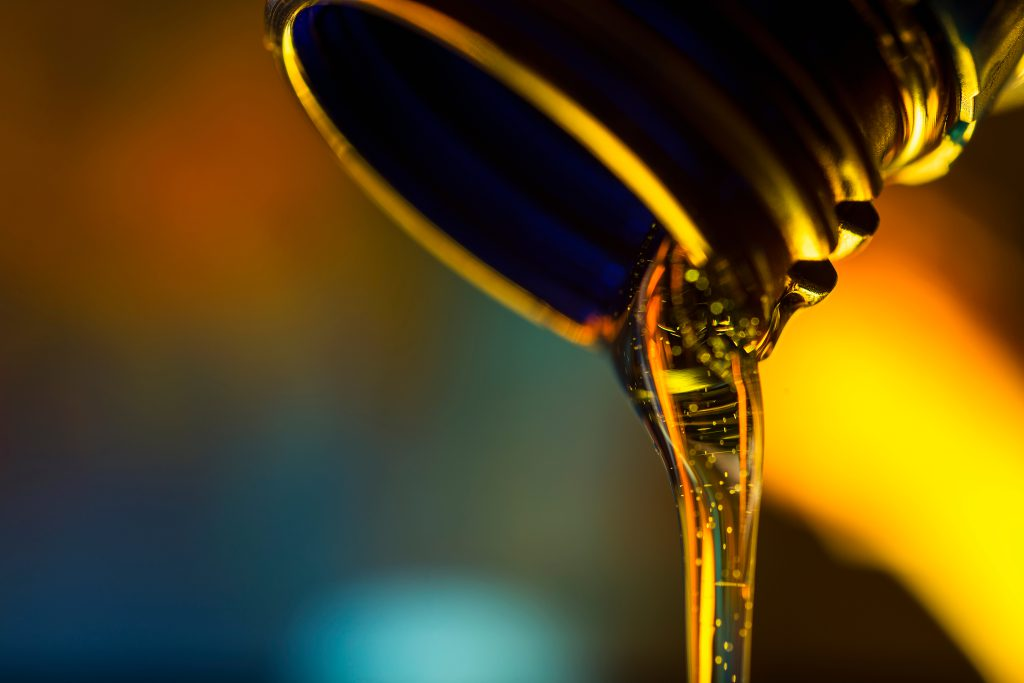
Zinc Dialkyldithiophosphates (ZDDP) are widely used as additives in engine oils due to their exceptional anti-wear, oxidation resistance, and corrosion protection properties. These additives play a crucial role in enhancing the performance and longevity of engines.
Benefits:
- Anti-Wear: ZDDP provides a protective layer on metal surfaces, reducing friction and wear, which extends the life of engine components.
- Oxidation Resistance: It helps prevent the oxidation of engine oils, maintaining their stability and effectiveness over time.
- Corrosion Protection: ZDDP offers excellent corrosion protection, safeguarding engine parts from rust and other forms of corrosion.
Applications:
- Engine Oil Additives: ZDDP is primarily used as an additive in engine oils, enhancing their protective properties and ensuring the smooth and efficient operation of engines.
Conclusion - Top 10 Chemicals in Automotive Industry

The automotive industry relies heavily on a diverse range of industrial chemicals that are crucial for the manufacturing, protection, and maintenance of vehicles. These chemicals each offer unique properties that contribute significantly to the safety, performance, and longevity of modern automobiles, underscoring the complexity and innovation inherent in automotive engineering.
Chemicals like polyurethane, EPDM, ethylene glycol, and glycol ethers play pivotal roles in enhancing comfort, durability, and reliability. They ensure that components can withstand various environmental and operational stresses, from extreme temperatures to chemical exposures. Engine oils and their additives, such as Zinc Dialkyldithiophosphates (ZDDP), are indispensable for maintaining engine health and efficiency, reducing friction, and preventing wear and corrosion.
Furthermore, epoxy resins, polypropylene, and silicone materials provide essential bonding, structural integrity, and flexibility needed for various automotive parts and assemblies. Phosphoric acid and other surface treatment chemicals are integral to metal preparation and protection, ensuring that vehicles remain resistant to rust and corrosion over time.
How can we help you with your chemical requirements?
✅ Are you a company of 11 - 50 people?
✅ Do you use more than 1000 tons of industrial chemicals per year?
✅ Do you spend too much time finding the right chemical manufacturers?
✅ Are you unsure each time whether you will get the right grade of chemical?
If your answer is YES, Reduce Your Chemical Sourcing Headaches, Contact Us Now for a FREE Consultation and Samples Offer
✅Camachem: Quality Chemicals. Every Single Time✅
-
What is the Difference Between Caustic Soda Pearls and Caustic Soda Flakes? (2026 Update)
June 8, 2026
-
Top 10 Caustic Soda Suppliers in Australia [2026]
 June 8, 2026
 -
Frequently Asked Question about Phosphoric Acid
June 8, 2026
-
Zinc Chloride: 5 Hazards and Safety Measures You Need To Know
June 4, 2026
-
10 Things I Need To Know About Zinc Chloride (2026 Update)
June 4, 2026