
 English
 French
 Indonesia
 Portuguese
 Russian
 Spanish
 Vietnamese
 +86-157-2476-6919
Top 10 Chemicals Used in Industrial Gases
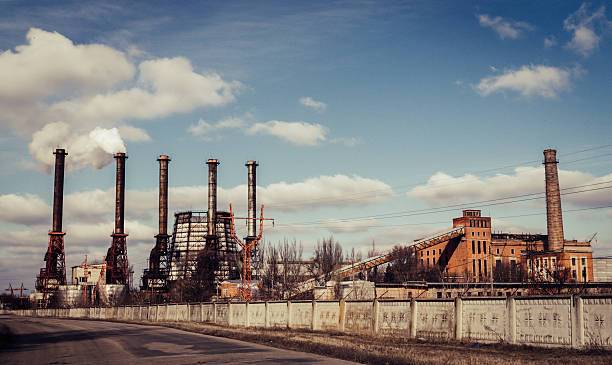
Industrial gasses play a critical role across many industries, from healthcare to manufacturing. Whether you're looking for industrial gasses or exploring the manufacture of industrial gasses, it’s important to understand the key chemicals involved. In this blog, we will explore the top 10 chemicals used in industrial gasses, their applications, and how they are essential to various industries. From oxygen to hydrogen, these chemicals form the core of the industrial gas sector.
Top 10 Chemicals Used in Industrial Gases
What are Industrial Gases?
- Oxygen (O2)
- Nitrogen (N2)
- Hydrogen (H2)
- Argon (Ar)
- Carbon Dioxide (CO2)
- Helium (He)
- Acetylene (C2H2)
- Ammonia (NH3)
- Methane (CH4)
- Propane (C3H8)

What are Industrial Gases?
Industrial gasses are a critical group of gasses produced specifically for industrial purposes, spanning sectors like energy, medicine, and manufacturing.
Companies such as Nippon Gases Industrial SRL, Air Products Middle East Industrial Gases LLC, and Arabian Industrial Gases play a pivotal role in this field. These glasses are manufactured in specialized facilities that adhere to strict safety and purity standards, ensuring their reliability across industries.
Common uses include welding, refrigeration, food packaging, and medical applications, reflecting their broad impact.
The production of industrial gasses involves compressing, liquefying, and separating glasses, which are then utilized in various forms across these sectors. Chemical Scams: Why you should be Careful.
Now, let’s explore the top 10 chemicals that drive the industrial gasses industry and their essential roles in global operations.
1. Oxygen (O2)

Oxygen is a highly reactive element that supports combustion and is vital for respiration. It is one of the most abundant gasses in the Earth's atmosphere.
● Applications:
- Welding and Metal Cutting: Oxygen is essential in oxy-fuel welding and cutting, where it supports combustion to reach the high temperatures needed to cut or melt metals.
- Medical Use: Oxygen is critical for respiratory support in healthcare, helping patients with breathing difficulties.
- Water Treatment: Oxygen is used to improve wastewater treatment by enhancing the breakdown of pollutants.
● Importance in Industries:
Oxygen is a critical component in industries such as healthcare, metal fabrication, and environmental services. It helps ensure efficient processing and safety, especially in healthcare and manufacturing environments. Leading suppliers like Air Liquide Al Khafrah Industrial Gases and Praxair Industrial Gases provide high-purity oxygen for various applications.
2. Nitrogen (N2)
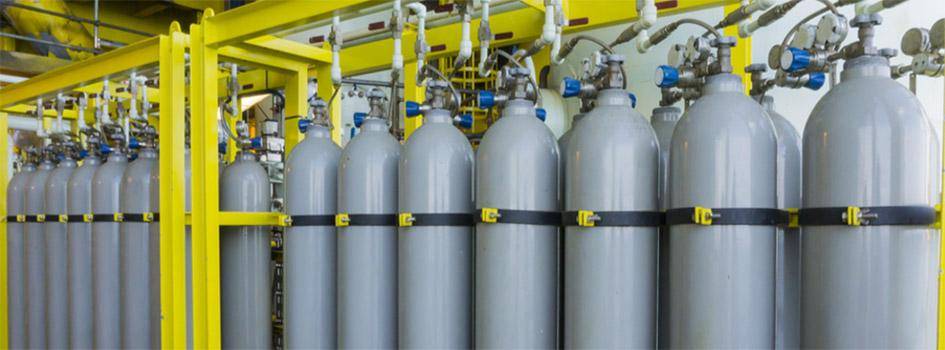
Nitrogen is an inert, non-reactive gas that makes up about 78% of the Earth’s atmosphere. It does not easily react with other substances, which makes it useful for creating non-reactive environments.
● Applications:
- Inerting Environments: Nitrogen is used to displace oxygen in environments to prevent combustion or spoilage, particularly in chemical storage, pharmaceuticals, and oil industries.
- Food Packaging: It’s used to extend the shelf life of packaged foods by replacing oxygen and preventing oxidation.
- Electronics Manufacturing: In semiconductor production, nitrogen is used to create a clean, inert environment that ensures product quality.
● Importance in Industries:
Nitrogen is crucial in food preservation, chemical processing, and electronics manufacturing. It improves safety by reducing flammability risks and helps maintain product integrity. Suppliers like Shakti Industrial Gases and Southern Industrial Gases are key producers.
3. Hydrogen (H2)
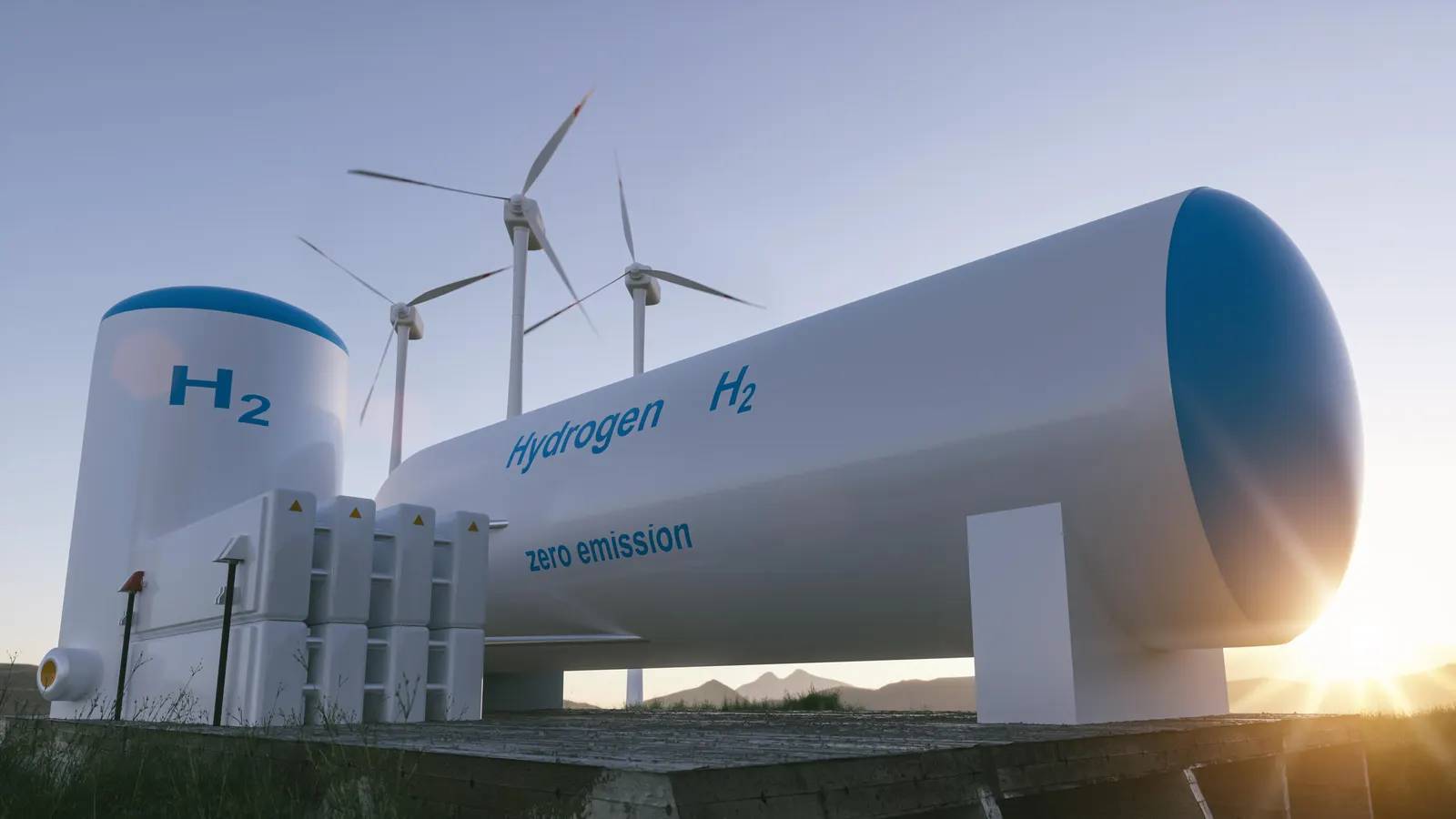
Hydrogen is the lightest and most abundant element in the universe. It is highly reactive and is often used as a fuel source and in chemical reactions.
● Applications:
- Chemical Processing: Hydrogen is used to remove impurities from fuel in the refining process and is involved in various chemical syntheses.
- Fuel Source: Hydrogen is gaining popularity as a clean fuel for vehicles and power generation, producing only water as a byproduct.
- Hydrogenation: It’s commonly used in the food industry to hydrogenate oils, turning them into solid fats like margarine.
● Importance in Industries:
Hydrogen is critical for chemical manufacturing, energy production, and food processing. As a clean energy source, it is seen as a future solution for reducing carbon emissions. Companies like Arabian Industrial Gases and Excel Industrial Gases supply hydrogen for these uses.
4. Argon (Ar)
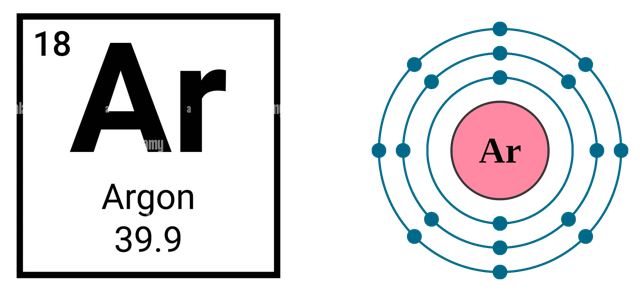
Argon is an inert noble gas that does not react with most substances. It is commonly found in the Earth's atmosphere and is used in situations where non-reactivity is crucial.
● Applications:
- Welding: Argon is used as a shielding gas in welding to protect the metal from oxidation during high-temperature processes.
- Metal Fabrication: It helps maintain the purity of metals during production and processing by creating an inert atmosphere.
- Lighting: Argon is also used in incandescent and fluorescent lighting to prevent the oxidation of the filament.
● Importance in Industries:
Argon is vital in metal fabrication, lighting, and manufacturing. Its inert nature prevents unwanted reactions, ensuring product quality and longevity. Key suppliers include Airco Industrial Gases and Core Industrial Gases.
5. Carbon Dioxide (CO2)
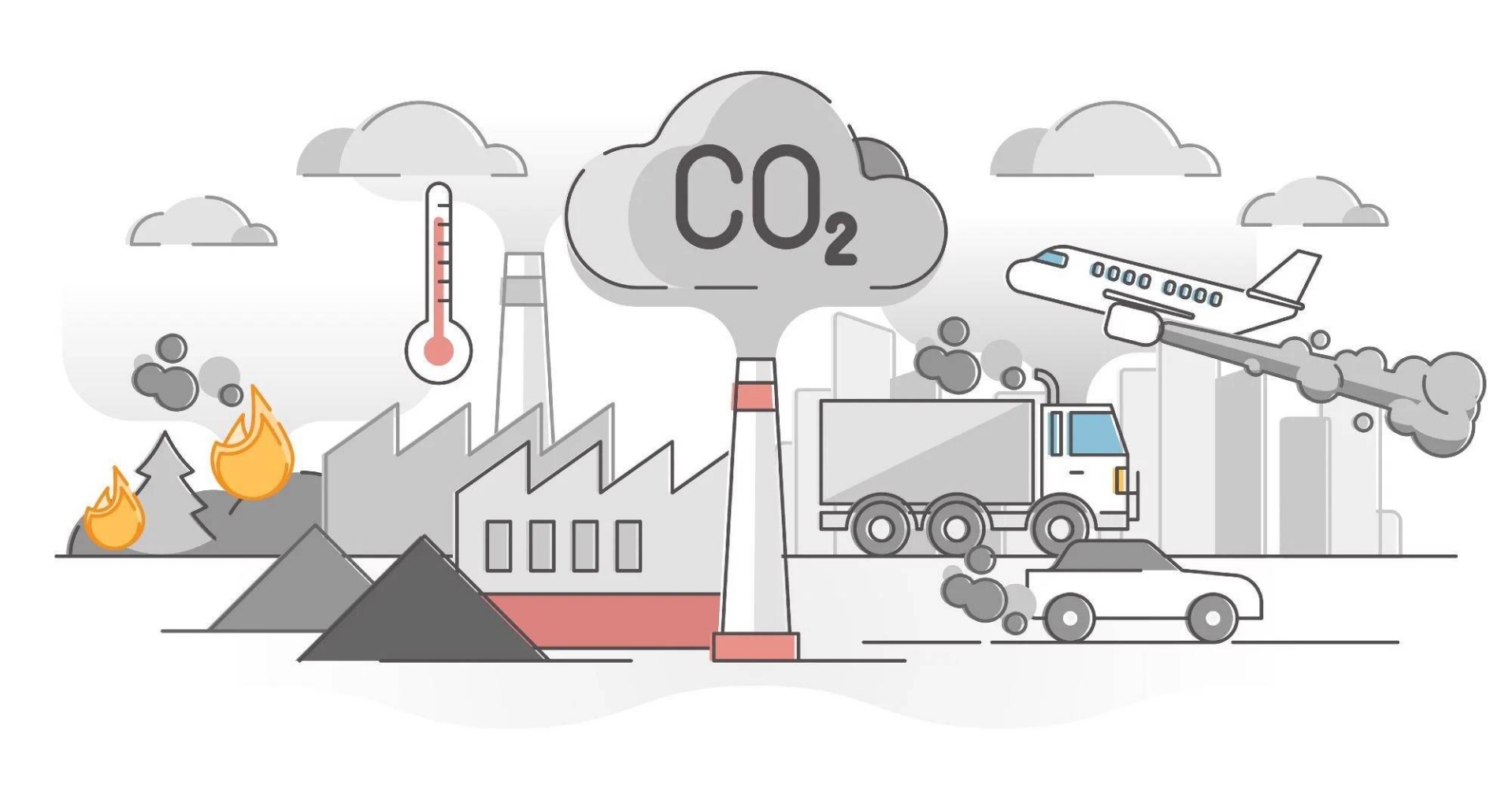
Carbon dioxide is a naturally occurring gas produced by respiration and combustion. It is also captured from industrial processes for various uses.
● Applications:
- Food and Beverage: CO2 is used to carbonate beverages like soda and beer.
- Fire Extinguishers: They act as a fire suppressant by displacing oxygen, making them ideal for electrical and liquid fires.
- Enhanced Oil Recovery: In oil fields, CO2 is injected into wells to increase oil extraction efficiency.
● Importance in Industries:
Carbon dioxide is essential in food processing, fire safety, and oil recovery. It is versatile and widely used in both everyday products and industrial applications. Companies like Bee Hua Industrial Gases and Chehab Industrial and Medical Gases are known for supplying CO2.
6. Helium (He)

Helium is a noble gas known for its low boiling point and inert properties. It is the second lightest element in the universe.
● Applications:
- Cryogenics: Helium is essential for cooling superconducting magnets in MRI machines due to its extremely low boiling point.
- Welding: It’s used as a shielding gas in certain welding processes, particularly for materials that need high precision.
- Lifting Gas: Helium is used in balloons and airships because it is lighter than air and non-flammable.
● Importance in Industries:
Helium is critical for medical technology, aerospace, and welding. Its unique properties make it indispensable for cryogenic applications and lifting purposes. Nova Air Industrial Gases is a major supplier of helium.
7. Acetylene (C2H2)

Acetylene is a colorless, flammable gas often used in welding and cutting due to its high flame temperature when combined with oxygen.
● Applications:
- Welding and Cutting: Acetylene is widely used in oxy-acetylene welding and cutting for its high-temperature flame.
- Chemical Synthesis: It serves as a building block in the production of chemicals like plastics and solvents.
● Importance in Industries:
Acetylene’s high flame temperature makes it indispensable in metalworking and chemical synthesis. Suppliers like Devi Industrial Gases and Gaslink Industrial Gases are key players in the acetylene market.
8. Ammonia (NH3)
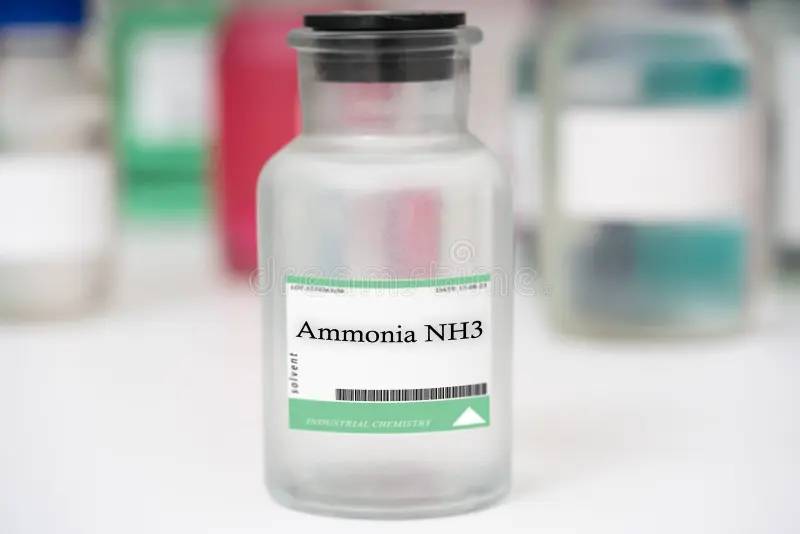
Ammonia is a compound of nitrogen and hydrogen, commonly found as a colorless gas with a pungent smell. It is primarily used in refrigeration and fertilizer production.
● Applications:
- Refrigeration: Ammonia is used as a refrigerant in industrial systems, particularly for food preservation.
- Fertilizer Production: It is a key ingredient in the production of fertilizers for agriculture.
- Water Purification: Ammonia is used to neutralize acids and stabilize pH in water treatment processes.
● Importance in Industries:
Ammonia is crucial in agriculture, refrigeration, and water treatment. Its efficiency in cooling and its role in producing fertilizers make it essential for food production and safety. Air Products Industrial Gases is a notable supplier of ammonia.
9. Methane (CH4)
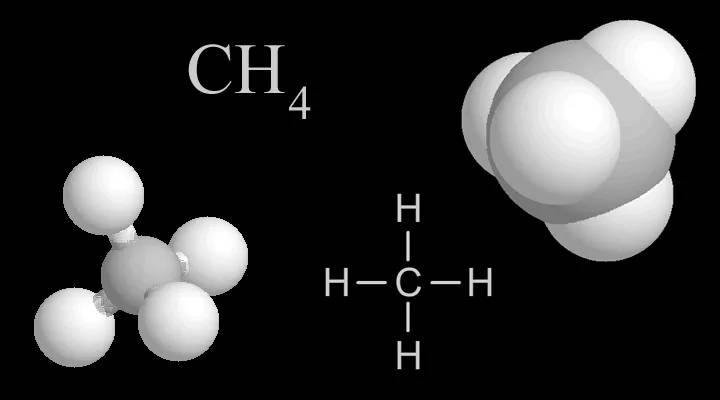
Methane is a simple hydrocarbon and a primary component of natural gas. It is widely used as a fuel and in chemical manufacturing.
● Applications:
- Energy Production: Methane is a significant fuel source for electricity generation and heating.
- Chemical Manufacturing: It is used as a raw material in producing chemicals like methanol and ammonia.
● Importance in Industries:
Methane is vital for energy generation and chemical production, playing a key role in fueling industries and homes worldwide. Companies like Rapid Industrial Gases Ltd are involved in supplying methane for industrial use.
10. Propane (C3H8)
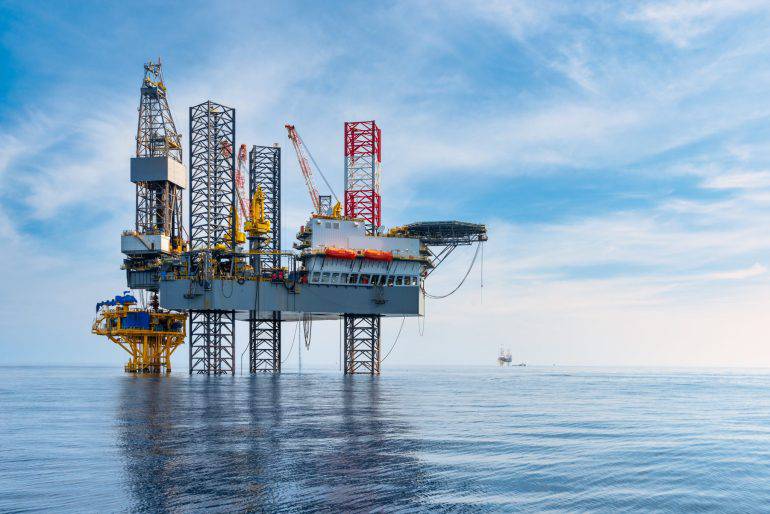
Propane is a flammable hydrocarbon gas commonly used as a fuel for heating and cooking. It is also a byproduct of natural gas processing and petroleum refining.
● Applications:
- Heating and Cooking: Propane is widely used as a fuel for heating homes and powering appliances like stoves and grills.
- Petrochemical Industry: Propane is used as a feedstock in petrochemical processes to produce various chemicals.
- Metal Processing: It’s used as a fuel in metal processing industries.
● Importance in Industries:
Propane is essential for energy production, petrochemical manufacturing, and metalworking. Suppliers like LB Industrial Gases Sdn Bhd and Truair Industrial Gases specialize in distributing propane for various industrial applications.
How are Industrial Gasses Manufactured?

The manufacture of industrial gasses involves several processes. These glasses are produced through:
- Fractional distillation of air (for oxygen, nitrogen, and argon)
- Steam reforming (for hydrogen production)
- Cryogenic distillation (used in helium production)
Industrial gas production is a highly technical field, involving complex machinery and careful monitoring to ensure safety and purity. Companies like Air Products Middle East Industrial Gases LLC and Nippon Gases Industrial are leaders in this area, known for their advanced production facilities.
What are the applications of Industrial Gases?

Industrial gasses are used in a wide range of applications, including:
- Healthcare: Oxygen and nitrous oxide are used in hospitals.
- Manufacturing: Nitrogen, hydrogen, and argon are used in welding and cutting processes.
- Food and Beverage: Carbon dioxide is essential for carbonation in drinks.
- Energy: Hydrogen and methane are used in clean energy and fuel production.
Is LPG an industrial gas?
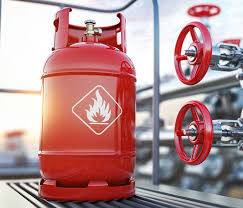
Yes, LPG (Liquefied Petroleum Gas) is considered an industrial gas, although it is most commonly associated with domestic use, like cooking and heating. In industrial settings, LPG is used as a fuel for processes such as metal cutting, welding, and heating due to its high energy efficiency. It is also utilized in industries such as petrochemical production and agriculture, where it serves as a fuel source for machinery and equipment.
- Energy Efficiency: According to a review by Industrial Heating Magazine, LPG provides a high calorific value, making it an efficient fuel for industrial processes.
- Versatility: A customer review on Trustpilot highlighted that LPG is versatile enough for both domestic and industrial applications, making it a preferred choice for small to medium-scale industries.
- Cleaner Alternative: Professionals from Gas World pointed out that LPG is a cleaner alternative to other fossil fuels, reducing emissions in industrial applications.
Which is better, LPG or LNG?
Here’s a clear comparison between LPG (Liquefied Petroleum Gas) and LNG (Liquefied Natural Gas) across key aspects:
|
Aspect |
LPG (Liquefied Petroleum Gas) |
LNG (Liquefied Natural Gas) |
|
Primary Use |
Residential (heating, cooking), small-scale commercial use |
Industrial, large-scale energy production (power plants) |
|
Energy Density |
Higher energy density, useful for small-scale, portable applications |
Lower energy density but efficient for large-scale use |
|
Cost |
More expensive, especially in regions without local production |
Cheaper in regions with abundant natural gas supply |
|
Storage & Transport |
Easy to store and transport in smaller quantities (cylinders) |
Requires special cryogenic tanks for transport and storage |
|
Environmental Impact |
Emits more CO₂ than LNG but is cleaner than coal or oil |
Lower carbon emissions compared to LPG when burned |
|
Infrastructure |
Does not require pipeline infrastructure, can be used off-grid |
Requires extensive pipeline or LNG terminal infrastructure |
|
Customer Preference |
Preferred by residential and rural users (Energy Efficiency Review) |
Preferred by industrial and large-scale energy consumers |
|
Availability |
Readily available in rural and off-grid areas |
Widely used in industrial and urban areas with gas pipelines |
This table highlights key differences between LPG and LNG, helping to decide which fuel is better suited to specific needs.
What are the 5 most common industrial chemicals?
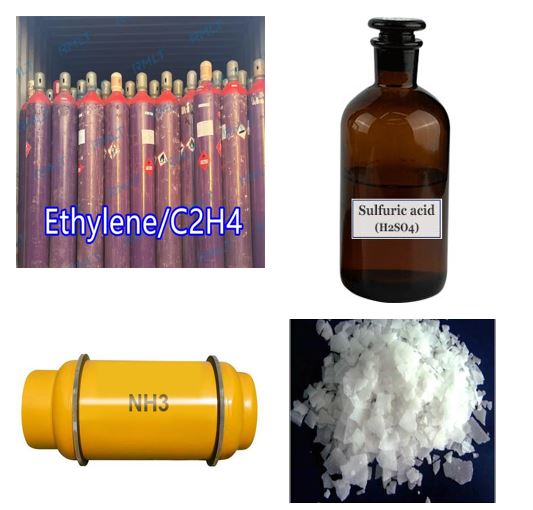
The five most common industrial chemicals are widely used across various industries due to their versatility and large-scale applications.
- Sulfuric Acid (H₂SO₄): According to Chemical Engineering News, sulfuric acid is one of the most important chemicals in industrial manufacturing, especially in fertilizers, petroleum refining, and chemical synthesis. Its widespread use in these sectors makes it essential to global production chains.
- Ethylene (C₂H₄): Plastics Today reports that ethylene is a key raw material in the production of plastics, particularly polyethylene, which is used in packaging and consumer goods. It is also used in the production of other chemicals like ethylene oxide.
- Sodium Hydroxide (NaOH): Commonly known as caustic soda, this chemical is highly demanded in industries like paper production, textiles, and water treatment. According to reviews from industrial users (Water Treatment Professionals Magazine), it’s valued for its effectiveness in pH regulation and cleaning processes.
- Ammonia (NH₃): Chlorine is heavily used in the production of disinfectants, PVC plastics, and solvents. Chemical Week mentions that industries prioritize chlorine for its effectiveness in killing bacteria and purifying water, making it critical in water treatment and sanitation processes.
These chemicals are essential to many industrial processes, reflecting their importance in modern manufacturing and infrastructure.
What are industrial chemicals?

Industrial chemicals are substances produced in large quantities for use in various industries, serving as raw materials for manufacturing products or aiding in processes. These chemicals are crucial to sectors like agriculture, pharmaceuticals, construction, and textiles. Examples include solvents, acids, bases, and gasses used to create plastics, fertilizers, cleaning agents, and even fuels.
- Definition and Role: According to Industrial Chemical Magazine, industrial chemicals include basic chemicals like sulfuric acid and ammonia, used for large-scale production and manufacturing of goods such as plastics, pharmaceuticals, and agricultural products.
- Types and Uses: As noted by professionals in Chemical Engineering Today, industrial chemicals range from basic inorganic compounds to complex organic substances. These are involved in creating end products or as intermediates in chemical reactions.
- Environmental Impact: Reviews from Environmental Protection Reports highlight concerns about the potential harmful effects of industrial chemicals when not managed properly, especially in terms of pollution and worker safety. Many regulations focus on ensuring that these chemicals are handled responsibly.
Conclusion - Top 10 Chemicals Used in Industrial Gases
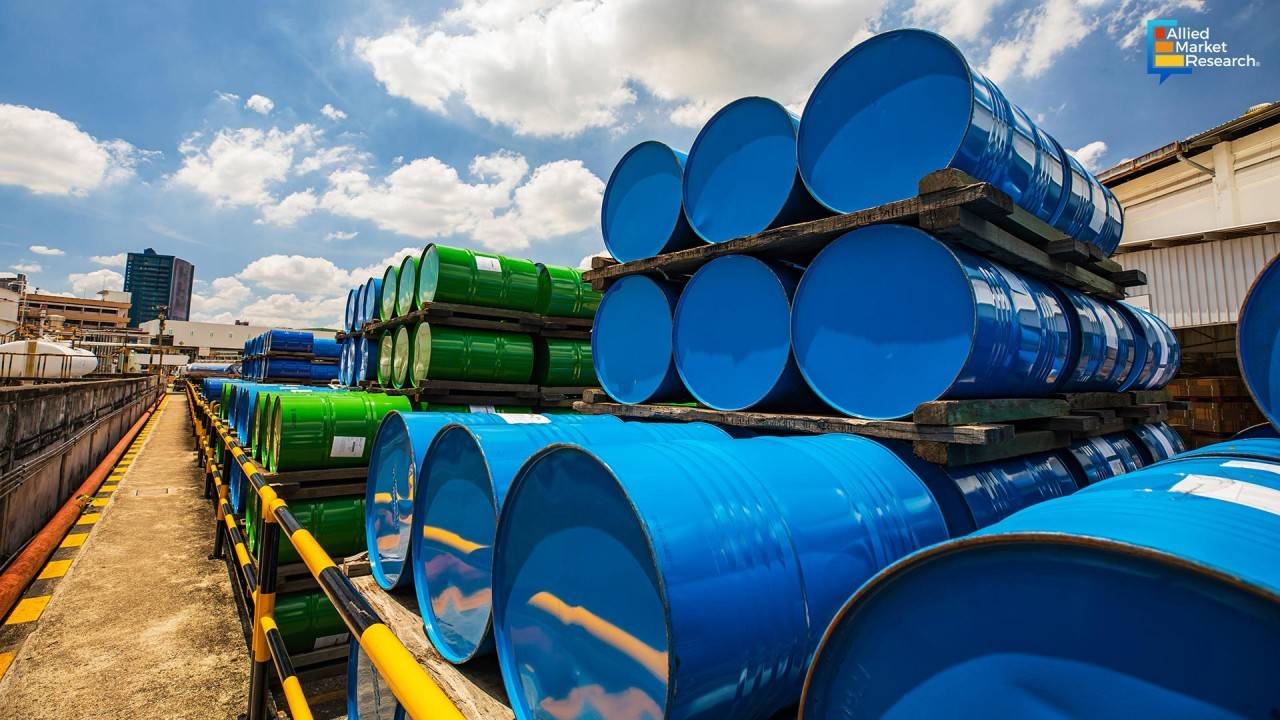
Industrial gasses play a crucial role in modern industries by enabling essential processes such as manufacturing, energy production, and healthcare. These glasses, including oxygen, nitrogen, hydrogen, carbon dioxide, and argon, support everything from steel production and food preservation to medical treatments and advanced technologies.
Their unique properties such as supporting combustion, providing cooling, and offering inert atmospheres make them indispensable across various sectors. As industries continue to evolve, the demand for these gasses will remain critical to driving innovation, efficiency, and sustainability.
Check Our Latest Article: Chemical Scams: Why you should be Careful.
How can we help you with your chemical requirements?
✅ Are you a company of 11 - 50 people?
✅ Do you use more than 1000 tons of industrial chemicals per year?
✅ Do you spend too much time finding the right chemical manufacturers?
✅ Are you unsure each time whether you will get the right grade of chemical?
If your answer is YES, Reduce Your Chemical Sourcing Headaches, Contact Us Now for a FREE Consultation and Samples Offer
✅Camachem: Quality Chemicals. Every Single Time✅
-
Bulk SMBS for Sale: 5 Key Applications for Australian Factories
 January 7, 2026
 -
Top 5 Xanthates Every Australian Mining Operation Should Source in Bulk
 January 6, 2026
 -
Top 7 Industrial Chemicals You Can Import from China to Australia in Bulk
 January 5, 2026
 -
5 Mining Reagents You Should Source in Bulk for Australian Operations
 December 31, 2025
 -
6 Chemicals Australian Water Treatment Plants Must Stock in Bulk
 December 30, 2025