
 English
 French
 Indonesia
 Portuguese
 Russian
 Spanish
 Vietnamese
 +86-157-2476-6919
Top 10 Chemicals Used in Fishing Industry

The fishing industry relies heavily on a variety of chemicals to ensure the quality, safety, and preservation of fish and seafood products. These chemicals play crucial roles in everything from processing and sanitation to preservation and storage, helping to maintain the freshness and appeal of seafood while meeting stringent health and safety standards.
Understanding the key chemicals involved in the fishing industry is essential for anyone working in or studying this field. Here are the top 10 chemicals commonly used in the fishing industry, along with their benefits and applications.
Top 10 Chemicals Used in Polymers
- Sodium Tripolyphosphate (STPP)
- Chlorine and Chlorine Dioxide
- Formalin (Formaldehyde Solution)
- Sodium Metabisulfite
- Citric Acid
- Sodium Benzoate and Potassium Sorbate
- Acetic Acid (Vinegar)
- Sodium Erythorbate
- Hydrogen Peroxide
- Calcium Chloride
Here’s a detailed look at the top 10 chemicals used in the fishing industry and we will discuss their benefits and applications.
1. Sodium Tripolyphosphate (STPP)
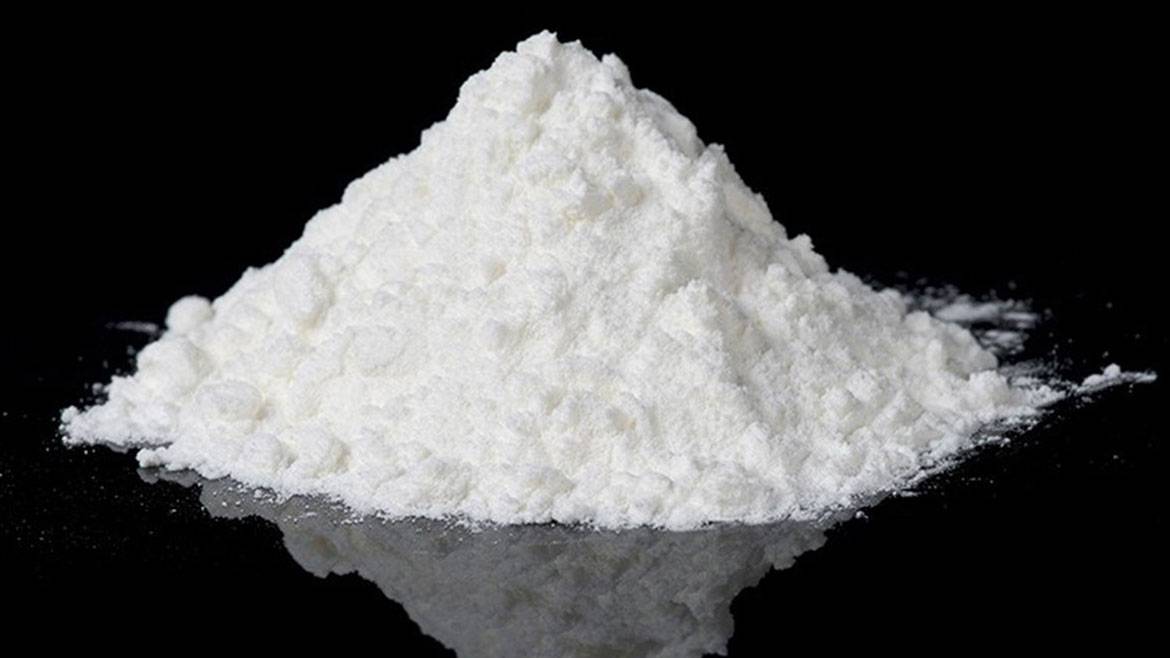
Sodium tripolyphosphate (STPP) is a commonly used chemical in the fishing industry, known for its ability to preserve moisture and improve the texture of fish and seafood products. This white, crystalline powder is widely used as a preservative and texturizer, helping to maintain the quality and freshness of seafood during processing and storage.
Benefits:
- Preserves Moisture: STPP helps to retain moisture in fish and seafood products, preventing them from drying out during processing and storage. This preservation is crucial for maintaining the texture and succulence of the products.
- Improves Texture: It enhances the texture of seafood, making it firmer and more appealing to consumers. This improvement in texture helps in delivering a better culinary experience.
- Extends Shelf Life: By preserving moisture and texture, STPP extends the shelf life of seafood products, reducing waste and ensuring that products remain fresh for longer periods.
Applications:
- Fish Processing: STPP is used in the processing of various fish products to retain moisture and improve texture. This application is essential for ensuring high-quality seafood products.
- Seafood Preservation: It is widely used in preserving different types of seafood, such as shrimp, scallops, and crab, maintaining their freshness and quality.
- Frozen Seafood: STPP is used in frozen seafood products to prevent freezer burn and maintain quality during long-term storage.
- Canned Fish: It is also used in the canning process to retain the moisture and texture of fish products, ensuring they remain appetizing and fresh.
2. Chlorine and Chlorine Dioxide

Chlorine and chlorine dioxide are disinfectants used extensively in the fishing industry to sanitize processing equipment and facilities. These chemicals help in maintaining high standards of cleanliness and hygiene, preventing contamination and ensuring the safety of seafood products.
Benefits:
- Effective Disinfection: Chlorine and chlorine dioxide are highly effective in killing bacteria, viruses, and other pathogens, ensuring that processing environments remain sanitary.
- Prevents Contamination: By disinfecting equipment and facilities, these chemicals help to prevent cross-contamination, ensuring the safety and quality of seafood products.
- Regulatory Compliance: The use of chlorine and chlorine dioxide helps processing facilities comply with hygiene and safety regulations, which is essential for maintaining market access and consumer trust.
Applications:
- Processing Equipment: Used to disinfect processing equipment, such as cutting boards, knives, and conveyor belts, ensuring they are free from pathogens.
- Facility Sanitation: Chlorine and chlorine dioxide are used to sanitize processing facilities, including floors, walls, and surfaces, maintaining a clean environment.
- Water Treatment: These chemicals are used in water treatment processes to ensure that the water used in seafood processing is free from contaminants.
- Ice Production: Used in the production of ice that is used to preserve fish and seafood during transport and storage, ensuring it remains safe and clean.
3. Formalin (Formaldehyde Solution)
Formalin, a solution of formaldehyde in water, is used in the fishing industry for preserving fish specimens and in certain aquaculture applications. Due to its potent preservation properties, formalin is regulated and must be used under strict guidelines to ensure safety.

Benefits:
- Effective Preservation: Formalin is highly effective in preserving fish specimens, preventing decomposition and maintaining their integrity for research and display purposes.
- Aquaculture Applications: It is used in aquaculture to treat fish diseases and control parasites, contributing to healthier fish populations.
- Long-Lasting Preservation: Formalin-treated specimens can be preserved for extended periods, making it a valuable tool in research and education.
Applications:
- Specimen Preservation: Used to preserve fish specimens for scientific research, educational displays, and museum collections.
- Disease Treatment: Employed in aquaculture to treat fish diseases and control parasites, ensuring the health and productivity of fish populations.
- Regulated Use: Due to its potency, formalin is used under strict regulations to ensure safety and compliance with health standards.
- Fish Storage: In some instances, formalin is used to preserve fish during transport and storage, though its use in food products is highly regulated and restricted.
4. Sodium Metabisulfite
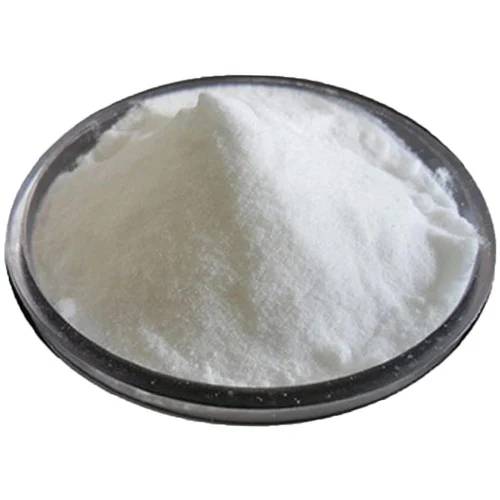
Sodium metabisulfite is a preservative used in the fishing industry to prevent melanosis, commonly known as black spots, in shrimp and other crustaceans. This chemical helps in maintaining the aesthetic quality and freshness of seafood products.
Benefits:
- Prevents Melanosis: Sodium metabisulfite effectively prevents the development of black spots in shrimp and crustaceans, ensuring they remain visually appealing to consumers.
- Preserves Freshness: By preventing melanosis, it helps in preserving the freshness and quality of seafood products, extending their shelf life.
- Safe for Consumption: When used in regulated amounts, sodium metabisulfite is safe for consumption and helps maintain the quality of seafood products.
Applications:
- Shrimp Processing: Used extensively in the processing of shrimp to prevent the formation of black spots, ensuring they remain marketable and appealing.
- Crustacean Preservation: Employed in preserving various crustaceans, such as crabs and lobsters, maintaining their quality and freshness.
- Seafood Storage: Used during the storage of seafood to prevent melanosis and preserve the visual quality of the products.
- Frozen Seafood: Incorporated into frozen seafood products to maintain their appearance and quality during long-term storage.
5. Citric Acid

Citric acid is a natural preservative and pH control agent used in the fishing industry. It helps in preserving the quality of seafood products by controlling the pH levels during processing.
Benefits:
- pH Control: Citric acid effectively controls the pH levels in seafood products, preventing spoilage and extending shelf life.
- Natural Preservative: As a natural preservative, citric acid is preferred for its safety and minimal impact on the flavor of seafood products.
- Prevents Discoloration: It helps in preventing discoloration and maintaining the visual appeal of seafood products.
Applications:
- Processing: Used during the processing of fish and seafood to control pH levels and preserve quality.
- Marination: Incorporated into marinades for seafood to enhance flavor and prevent spoilage.
- Canning: Used in the canning process to maintain the pH balance and extend the shelf life of canned seafood products.
- Pickling: Employed in the pickling of fish and seafood to preserve freshness and quality.
6. Sodium Benzoate and Potassium Sorbate
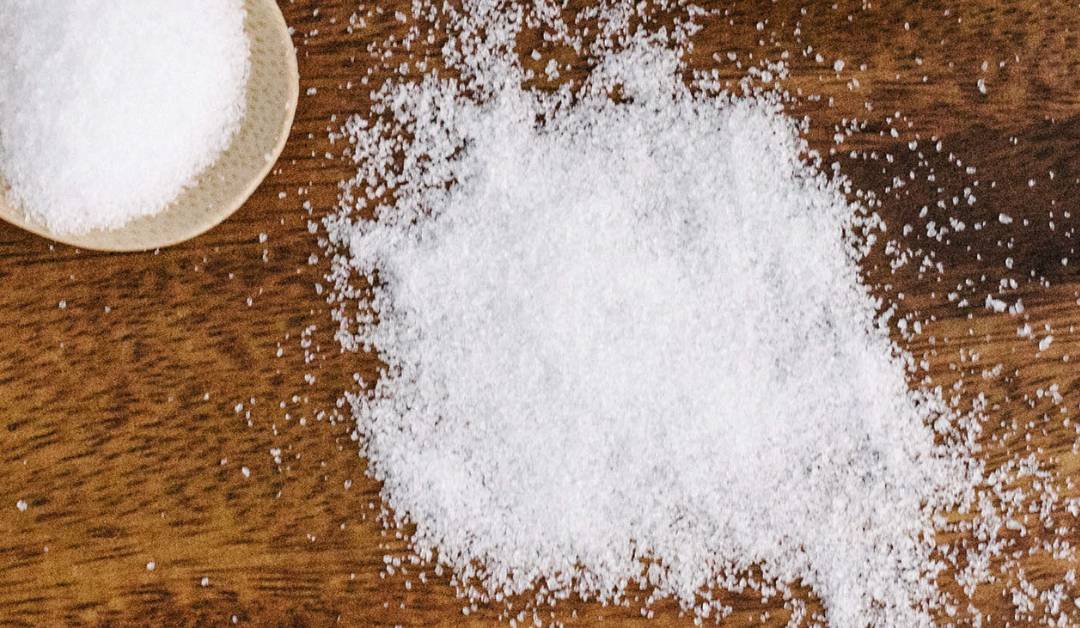
Sodium benzoate and potassium sorbate are preservatives used in the fishing industry to inhibit microbial growth in fish products. These chemicals help in maintaining the quality and safety of seafood during storage and distribution.
Benefits:
- Inhibits Microbial Growth: Both sodium benzoate and potassium sorbate are effective in inhibiting the growth of bacteria, yeast, and molds, ensuring the safety of seafood products.
- Extends Shelf Life: By preventing microbial growth, these preservatives extend the shelf life of fish products, reducing waste and ensuring products remain fresh for longer.
- Maintains Quality: They help in maintaining the quality and integrity of seafood products, ensuring they remain safe and appealing to consumers.
Applications:
- Fish Processing: Used in the processing of fish products to prevent microbial growth and extend shelf life.
- Preservation: Employed in the preservation of various seafood products, ensuring they remain fresh and safe for consumption.
- Packaging: Incorporated into packaging materials for seafood to inhibit microbial growth during storage and distribution.
- Ready-to-Eat Products: Used in ready-to-eat fish and seafood products to maintain quality and safety.
7. Acetic Acid (Vinegar)

Acetic acid, commonly known as vinegar, is used in the fishing industry for pickling and pH adjustment processes. It is known for its preservative properties and its ability to enhance the flavor of seafood products.
Benefits:
- Preservative: Acetic acid acts as a natural preservative, extending the shelf life of seafood products by inhibiting microbial growth.
- Flavor Enhancement: It enhances the flavor of seafood products, adding a tangy taste that is popular in many culinary applications.
- pH Adjustment: Acetic acid helps in adjusting the pH levels during processing, ensuring the optimal preservation and quality of seafood.
Applications:
- Pickling: Used in the pickling process for various seafood products, enhancing flavor and preserving quality.
- Marination: Incorporated into marinades for fish and seafood to add flavor and preserve freshness.
- Canning: Employed in the canning process to adjust pH levels and extend the shelf life of canned seafood products.
- pH Control: Used during processing to maintain the desired pH levels, ensuring the safety and quality of seafood.
8. Sodium Erythorbate
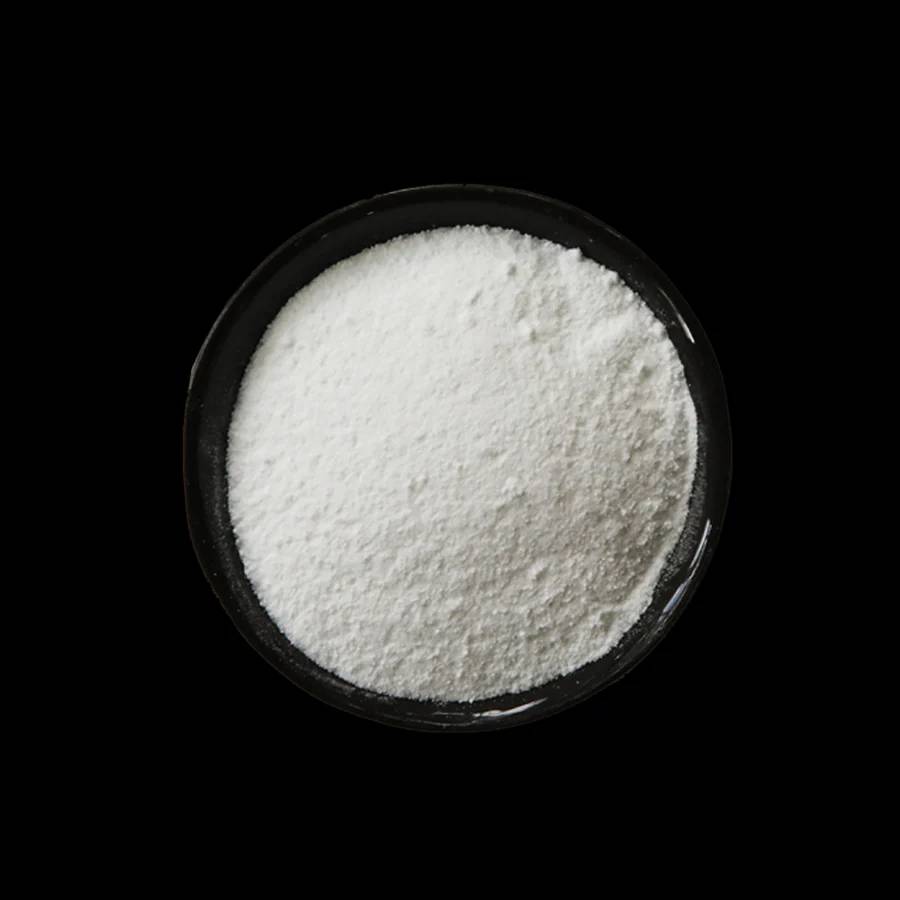
Sodium erythorbate is an antioxidant used in the fishing industry to maintain the color and freshness of fish products. It helps prevent oxidation, which can lead to discoloration and spoilage, ensuring that seafood retains its appealing appearance and quality over time.
Benefits:
- Maintains Color: Sodium erythorbate effectively maintains the natural color of fish products, preventing them from turning brown or gray due to oxidation. This preservation of color ensures that seafood remains visually appealing to consumers.
- Prevents Oxidation: As an antioxidant, sodium erythorbate inhibits the oxidation process, which can cause spoilage and off-flavors in seafood. This prevention helps extend the shelf life and maintain the quality of fish products.
- Enhances Freshness: By preventing oxidation and preserving color, sodium erythorbate helps maintain the freshness of seafood, ensuring that it remains flavorful and appealing during storage and distribution.
Applications:
- Fish Processing: Used in the processing of various fish products to prevent oxidation and maintain color. This application is essential for ensuring high-quality seafood products that meet consumer expectations.
- Seafood Packaging: Included in packaging materials to enhance the freshness and appearance of seafood during storage and transportation. This use helps extend the shelf life of seafood products.
- Canned Fish: Used in canned fish products to maintain their color and freshness, ensuring that they remain appetizing and of high quality.
- Frozen Seafood: Incorporated into frozen seafood products to prevent oxidation during long-term storage, maintaining their visual appeal and quality.
9. Hydrogen Peroxide
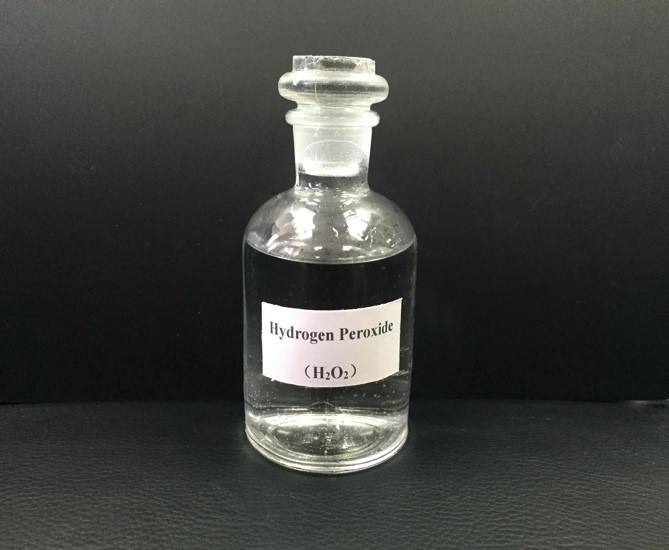
Hydrogen peroxide is used in the fishing industry as a disinfectant and bleaching agent. Its powerful oxidizing properties make it effective in sanitizing processing facilities and equipment, ensuring a clean and safe environment for seafood processing.
Benefits:
- Effective Disinfectant: Hydrogen peroxide is highly effective in killing bacteria, viruses, and other pathogens, ensuring that processing environments remain sanitary and free from contamination.
- Bleaching Agent: It acts as a bleaching agent, helping to remove stains and discolorations from processing equipment and facilities. This bleaching property helps maintain a clean and professional appearance.
- Environmentally Friendly: Hydrogen peroxide breaks down into water and oxygen, making it an environmentally friendly option for disinfection and cleaning. Its use helps reduce the environmental impact of sanitation processes.
Applications:
- Processing Equipment: Used to disinfect and bleach processing equipment, such as cutting boards, knives, and conveyor belts, ensuring they are free from pathogens and contaminants.
- Facility Sanitation: Employed in the sanitation of processing facilities, including floors, walls, and surfaces, maintaining a clean and hygienic environment.
- Water Treatment: Used in water treatment processes to ensure that the water used in seafood processing is free from contaminants. This application is crucial for maintaining the quality and safety of seafood products.
- Ice Production: Used in the production of ice that is used to preserve fish and seafood during transport and storage, ensuring it remains safe and clean.
10. Calcium Chloride
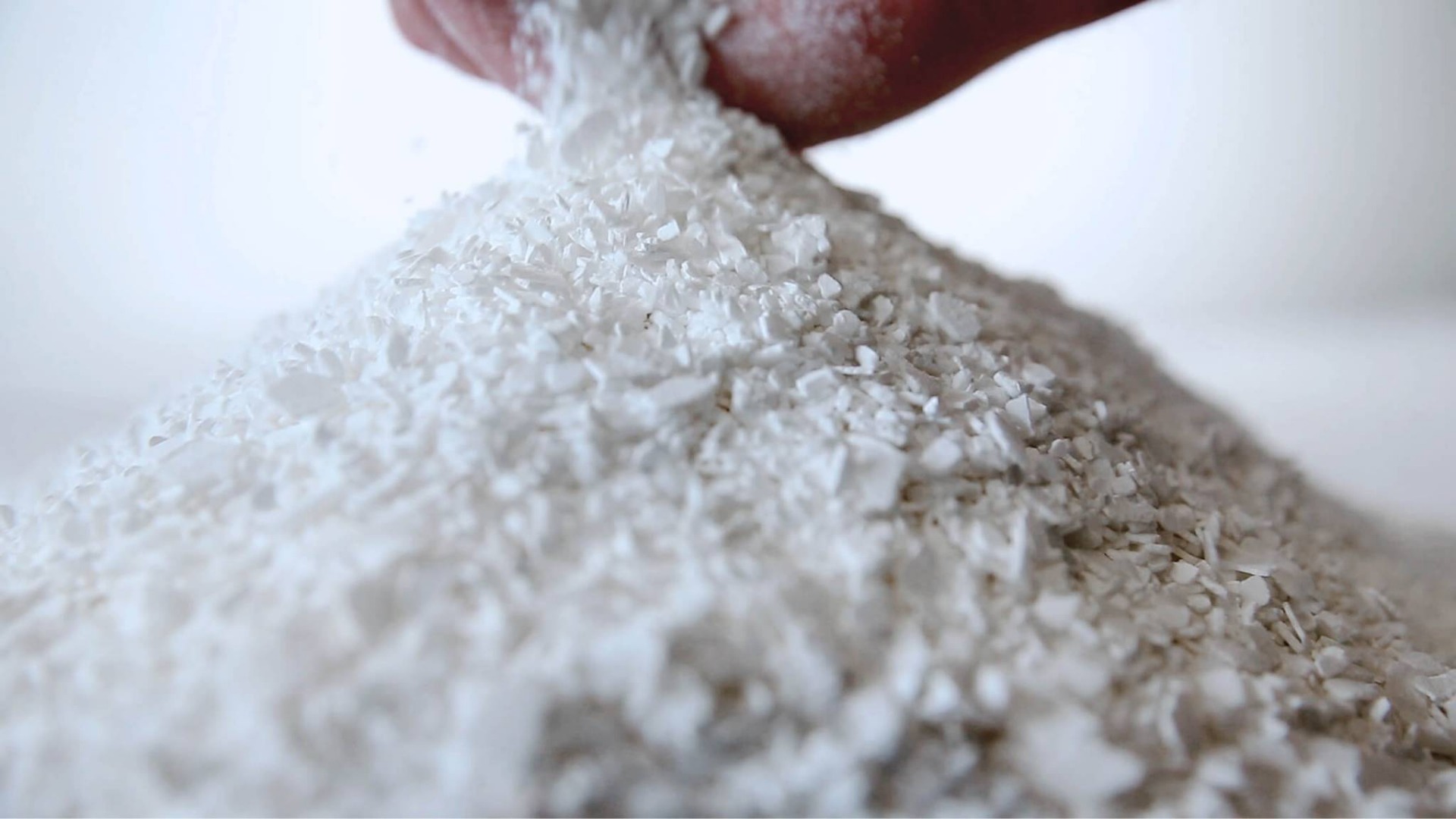
Calcium chloride is used in the fishing industry for various purposes, including brine solutions for freezing and preserving fish. This chemical helps maintain the quality and texture of seafood during processing and storage, ensuring that it remains fresh and appealing.
Benefits:
- Preserves Texture: Calcium chloride helps preserve the texture of fish and seafood products, preventing them from becoming mushy during freezing and storage. This preservation ensures that seafood remains firm and appealing to consumers.
- Enhances Freezing: It enhances the freezing process by lowering the freezing point of water, which helps prevent the formation of large ice crystals that can damage the texture of seafood. This enhancement ensures that seafood remains in optimal condition during long-term storage.
- Maintains Quality: By preserving texture and enhancing freezing, calcium chloride helps maintain the overall quality of seafood products, ensuring that they remain fresh and marketable.
Applications:
- Brine Solutions: Used in brine solutions for freezing and preserving fish, ensuring that seafood remains firm and high-quality during storage and transportation. This application is crucial for maintaining the texture and appeal of frozen seafood products.
- Fish Processing: Employed in the processing of various fish products to enhance their quality and preserve their texture. This use ensures that seafood products meet consumer expectations and market standards.
- Seafood Storage: Used during the storage of seafood to maintain its quality and prevent texture degradation. This application helps extend the shelf life and marketability of seafood products.
- Canning: Incorporated into the canning process to maintain the quality and texture of canned fish products, ensuring they remain appealing and of high quality.
Conclusion - Top 10 Chemicals Used in Fishing Industry
The effective management and preservation of fish and seafood products in the fishing industry involve a combination of chemical processes aimed at ensuring safety, quality, and regulatory compliance.
Each chemical used in the industry plays a specific role, whether it's disinfection, preservation, pH control, or the prevention of spoilage and melanosis. These processes work synergistically to maintain the freshness, appearance, and safety of seafood, from processing to storage and distribution.
By meticulously controlling the usage and application of these chemicals, the fishing industry can consistently deliver high-quality seafood that meets stringent health and safety standards.
How can we help you with your chemical requirements?
✅ Are you a company of 11 - 50 people?
✅ Do you use more than 1000 tons of industrial chemicals per year?
✅ Do you spend too much time finding the right chemical manufacturers?
✅ Are you unsure each time whether you will get the right grade of chemical?
If your answer is YES, Reduce Your Chemical Sourcing Headaches, Contact Us Now for a FREE Consultation and Samples Offer
✅Camachem: Quality Chemicals. Every Single Time✅
-
Bulk SMBS for Sale: 5 Key Applications for Australian Factories
 January 7, 2026
 -
Top 5 Xanthates Every Australian Mining Operation Should Source in Bulk
 January 6, 2026
 -
Top 7 Industrial Chemicals You Can Import from China to Australia in Bulk
 January 5, 2026
 -
5 Mining Reagents You Should Source in Bulk for Australian Operations
 December 31, 2025
 -
6 Chemicals Australian Water Treatment Plants Must Stock in Bulk
 December 30, 2025