
 English
 French
 Indonesia
 Portuguese
 Russian
 Spanish
 Vietnamese
 +86-157-2476-6919
Top 5 Sodium Lauryl Ether Sulfate (SLES) Uses
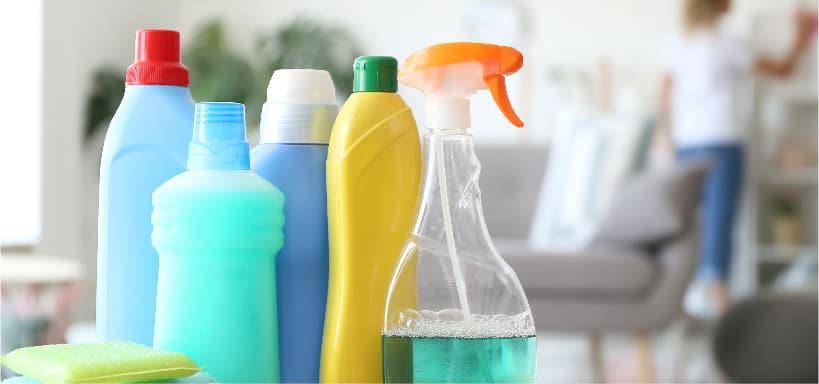
Introduction to Sodium Lauryl Ether Sulfate (SLES)
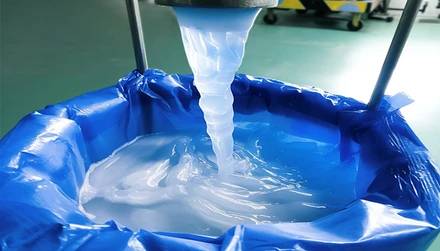
(High-viscosity sodium lauryl ether sulfate (SLES) being processed and filled in bulk drums for industrial applications)
Sodium Lauryl Ether Sulfate (SLES), also known as Sodium Laureth Sulfate, is a widely used anionic surfactant found in both personal care and industrial cleaning products. It is derived from ethoxylated lauryl alcohol and is valued for its affordability, high performance, and compatibility with a wide range of formulations. Commonly used in shampoos, body washes, dishwashing liquids, and detergents, SLES is essential for creating effective and appealing cleaning products.
To learn more about Sodium Laureth Sulfate (SLES), read our in-depth blog post.
SLES functions by lowering the surface tension between substances such as oil and water, allowing dirt and grease to be lifted and rinsed away. Its strong foaming ability enhances the perception of cleaning power, while its emulsifying properties help disperse oils evenly in water-based solutions. These characteristics make it a preferred choice for manufacturers looking to achieve both functionality and sensory appeal in their formulations.
In this article, we explain the top 5 applications of Sodium Laureth Sulfate in daily and industrial life. We also explore the chemical’s mechanism, benefits, and its relevance across industries.
1. SLES in Personal Care Products
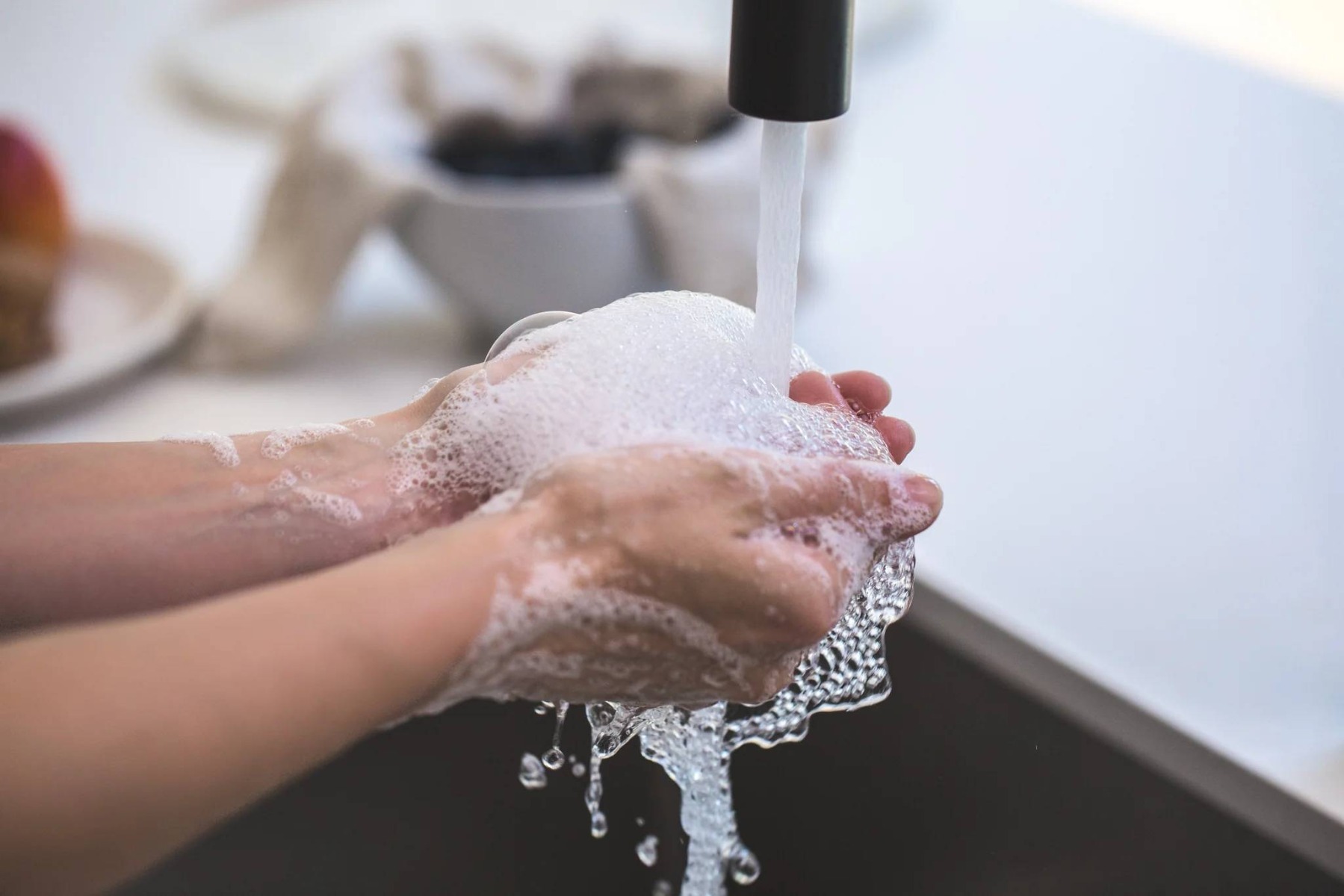
(Foaming hand soap with SLES)
SLES is most commonly used in personal hygiene and cosmetic formulations. This sector accounts for the majority of global SLES demand. Its mildness compared to SLS, combined with high foaming capacity, makes it ideal for products that come into direct contact with human skin. Consumers value sensory cues like foam, and manufacturers value safety and affordability—this synergy keeps SLES indispensable in this sector.
For a deeper dive into the formulation and effectiveness of ingredients in soaps and personal care items, explore the top 10 chemicals used in soap and detergent products.
How SLES Works in Cosmetics and Personal Care
- Cleansing Power: SLES reduces the surface tension of water, helping it mix with oil and impurities so they can be rinsed away effectively.
- Foaming Action: It creates a rich, stable lather that enhances the sensory experience of cleansing.
- Widespread Use: Found in shampoos, facial cleansers, and body washes, SLES delivers the “clean” feel consumers expect from personal care products.
• Mildness: Compared to SLS, SLES is gentler on the skin and less likely to cause irritation when used in properly formulated products.
Key Cosmetics and Personal Care Products That Contain SLES
• Shampoos

(Hair stylist rinsing a client’s hair with shampoo containing Sodium Lauryl Ether Sulfate)
Typically formulated with SLES to boost foaming and thoroughly remove oil, dirt, and product buildup from the scalp. Many volumizing or deep-cleansing shampoos rely on this ingredient to deliver that “squeaky clean” feel.
• Body Washes & Shower Gels
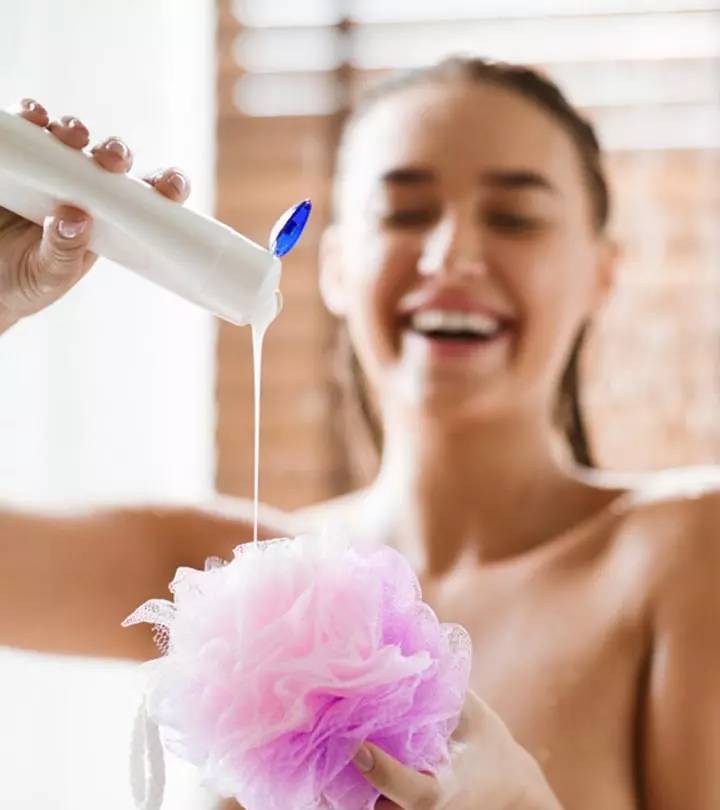
(Woman dispensing body wash with Sodium Lauryl Ether Sulfate (SLES) onto a bath sponge)
These products often include SLES to produce a rich, creamy lather that spreads easily over the skin. The ingredient also helps emulsify oils and rinse away impurities, leaving the skin feeling fresh and smooth.
• Facial Cleansers
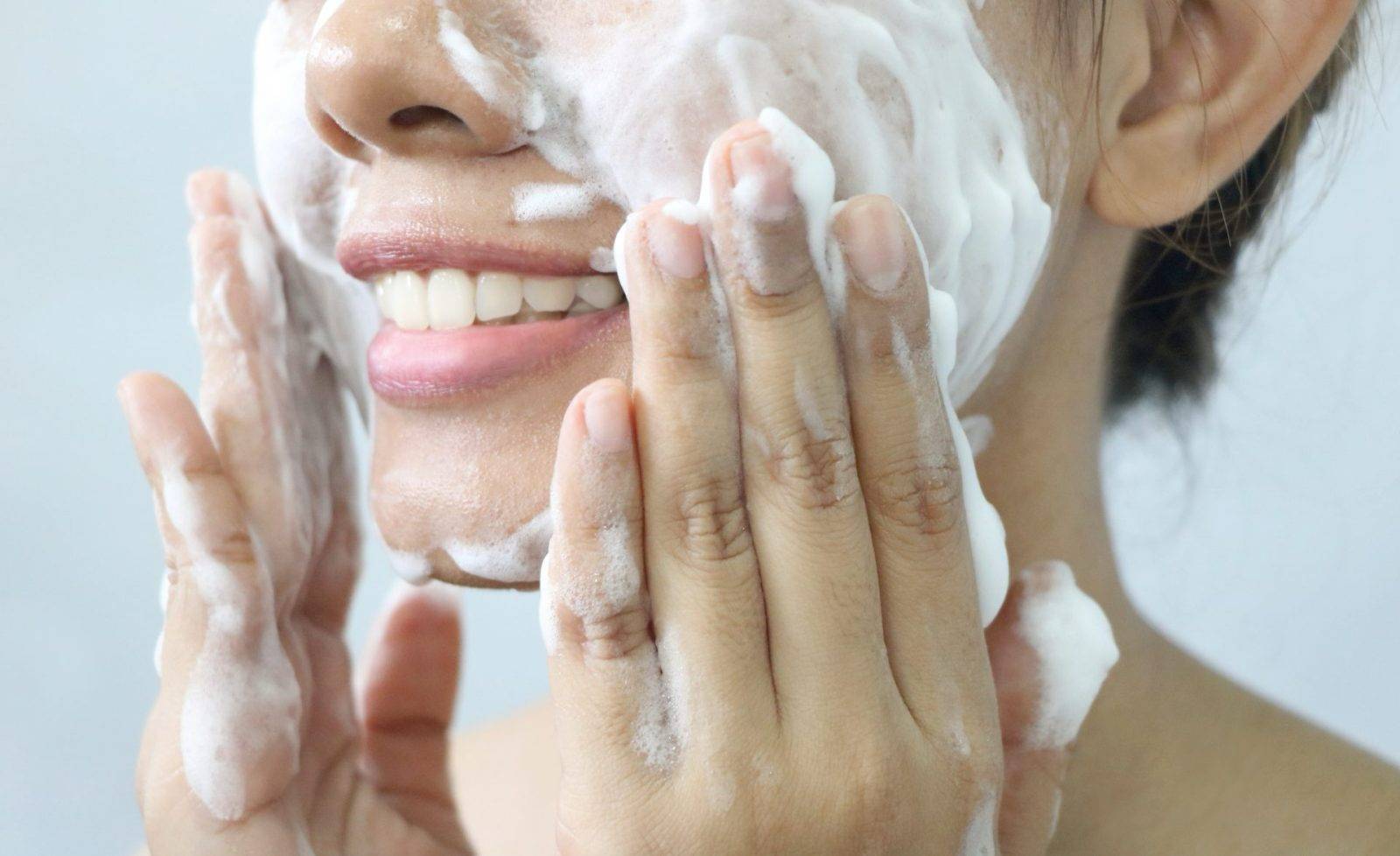
(Woman cleansing her face with a foaming facial wash containing Sodium Lauryl Ether Sulfate)
Gentle foaming cleansers, especially those targeting combination or oily skin, frequently contain SLES to effectively remove excess sebum and makeup without requiring harsh scrubbing.
• Hand Soaps

(SLES in Hand Soaps)
Liquid hand soaps use SLES for its quick-lathering action and efficient removal of germs, dirt, and residue—especially important for frequent handwashing routines.
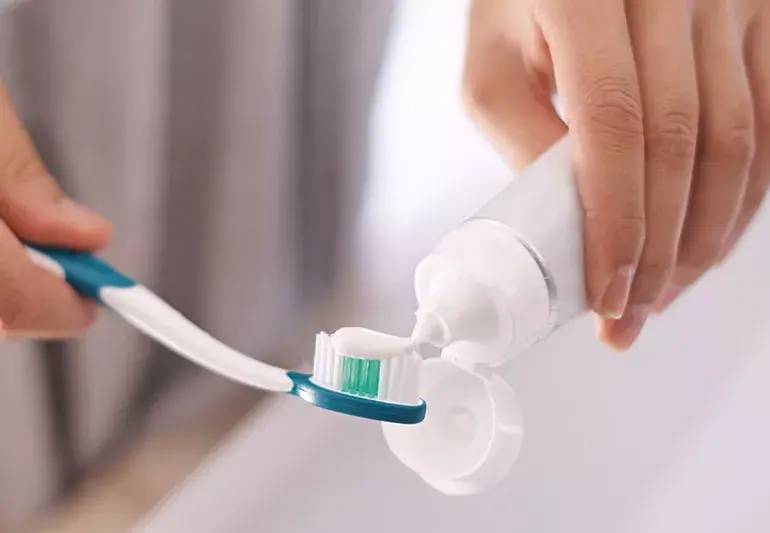
• Toothpastes
(Person lathering hands with foaming hand soap formulated with Sodium Lauryl Ether Sulfate)
In oral care, SLES acts as a foaming agent that helps distribute the paste evenly in the mouth, enhancing the overall cleaning experience.
• Bubble Baths & Bath Foams

(Mother and baby enjoying a foamy bubble bath created with Sodium Lauryl Ether Sulfate)
Many bath products aimed at both children and adults contain SLES for its excellent foam production and smooth dispersion in water.
• Exfoliating Scrubs & Shaving Products
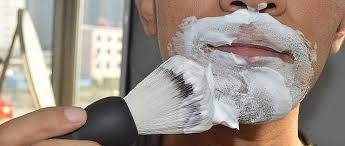
(Man applying shaving foam with brush containing Sodium Lauryl Ether Sulfate)
SLES is also found in exfoliators and shaving gels, where its emulsifying and foaming properties help soften the skin and prepare it for a smooth shave or gentle exfoliation.
WhatsApp Us for Free a Consultation
2. SLES in Household and Industrial Detergents

(SLES using in different detergent products)
SLES is an essential ingredient in household cleaning products, due to its excellent ability to remove grease, soil, and oil. Its effectiveness in breaking down oils and lifting dirt gives SLES a dominant place in laundry detergents, dishwashing liquids, and industrial cleaners. With the global cleaning product market expanding rapidly, the demand for reliable, high-foaming, rinse-friendly surfactants has only increased. SLES provides the right combination of performance and price.
To better understand how surfactants like SLES work in home cleaning products, read this blog on the top 10 chemicals in household products.
How SLES Contributes to Cleaning Performance
- Breaks Down Grease and Oils: As an effective surfactant, SLES reduces surface tension and emulsifies oily and greasy residues, making them easier to lift and rinse away.
- Creates Stable Foam for Deep Cleaning: The dense foam generated by SLES helps penetrate fibers and dislodge dirt, enhancing mechanical agitation during washing.
- Supports Detergent Efficiency: SLES helps maintain detergent solution stability, enabling better stain removal performance across a wide range of temperatures and pH levels.
Common Detergent Products Containing SLES
- Liquid Laundry Detergents: Helps remove stains and dirt by reducing water's surface tension. SLES also enhances foam formation, improving the user's perception of cleaning effectiveness.
- Dishwashing Liquids: Breaks down grease and grime with ease, making dishes sparkle. Its ability to rinse cleanly ensures no residue is left behind.
- Multi-purpose Surface Cleaners: Used in floor and bathroom cleaners to dissolve oils and lift away dirt. SLES also stabilizes formulas when mixed with other ingredients.
3. SLES in Textile and Leather Processing Industry
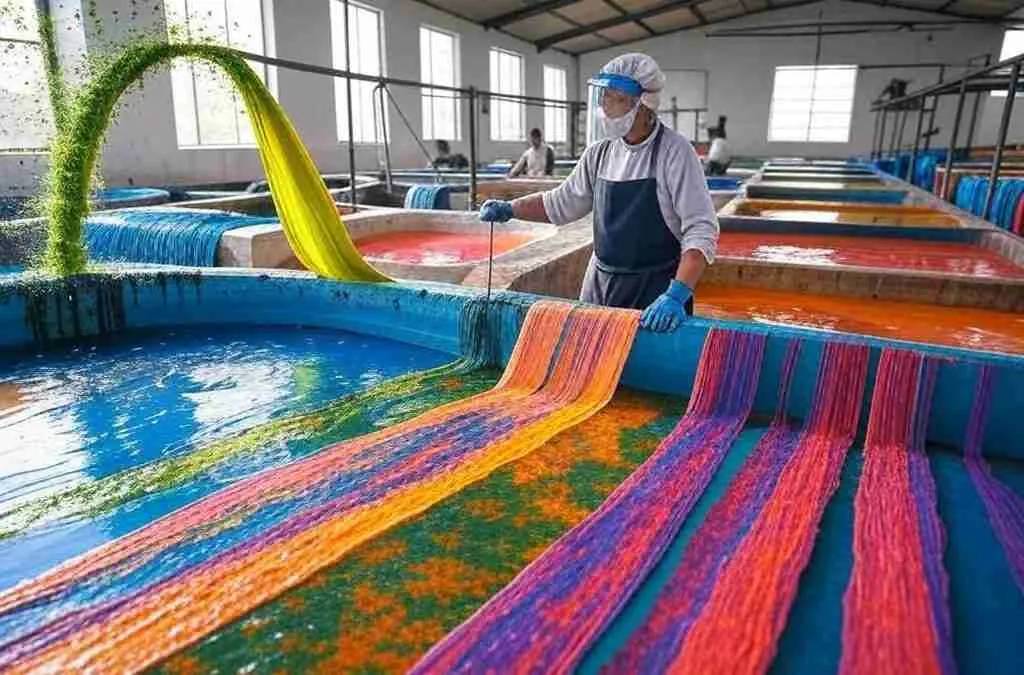
(Fabric dyeing using SLES)
While not as visible to consumers, SLES plays a crucial role in industrial sectors like textiles and leather manufacturing. It acts as a wetting agent and helps improve the uniformity of chemical treatments. For manufacturers focused on colorfastness, softness, and finish, SLES offers technical advantages during both pre-treatment and finishing stages.
Surfactants play a key role in the textile sector as well. For more insights, check out the top 10 chemicals used in textiles.
Advantages of Using SLES in Fabric and Leather Processing
- Improved Dye Penetration:SLES enhances the effectiveness of dyeing processes by allowing colorants to reach deeper into fibers and hides, reducing uneven patches or blotching.
- Enhanced Chemical Dispersion:Its surfactant properties help evenly distribute treatment chemicals such as softeners, bleaches, or anti-shrink agents.
- Lower Water and Energy Use:Because SLES improves wetting and rinsing efficiency, less water and energy are needed for each treatment cycle, making the process more sustainable.
- Better Product Quality:Treated fabrics and leather show improved softness, color brightness, and durability—qualities that appeal to both manufacturers and consumers.
- Compatibility with Eco-Friendly Systems:SLES can be incorporated into environmentally conscious formulations, supporting textile and leather producers who aim for greener production standards.
Common Uses of SLES in Textiles
• Fabric Cleaning and Preparation
SLES is used to remove oils, wax, and dirt from fabrics before dyeing. It acts as a strong yet gentle detergent in the scouring stage, helping to clean the fabric surface and prepare it for further processing like bleaching and dyeing.
• Dyeing Assistance
SLES helps dyes spread and absorb evenly into fabric. By improving wetting and penetration, SLES ensures that dye reaches all parts of the fabric, which results in brighter, more even colors.
• Fabric Softening
SLES supports softeners in making fabric smooth and comfortable. It enhances the action of softening agents in the finishing process, helping the product feel softer and reducing static electricity in synthetic fabrics.
Common Uses of SLES in Leather Processing Industries
• Hide Cleaning (Degreasing)
SLES helps remove natural fats and dirt from raw hides. In the soaking and degreasing stage, it allows better penetration of water and helps clean the hides thoroughly without damaging them.
• Tanning Preparation
SLES improves the absorption of tanning agents. By cleaning the surface and opening up the leather fibers, SLES ensures that tanning chemicals and colorants can enter the hide more evenly, which results in higher-quality leather.
• Eco-Friendly Processing
SLES is biodegradable and safer for the environment. Compared to harsher surfactants, SLES breaks down more easily in wastewater, helping the industry follow environmental regulations.
4. SLES in Construction Industry: Use in Aerated Concrete

(SLES in aerated concrete production)
Not all surfactants make it to the construction site — but SLES is an exception. It serves as an additive in lightweight concrete production. And its ability to create stable air bubbles makes concrete lighter, more insulating, and easier to handle. With growing interest in sustainable and cost-effective building materials, this use case is becoming increasingly relevant in emerging markets.
Key Benefits of Using SLES in Concrete Applications
Sodium Laureth Sulfate (SLES) offers multiple benefits in concrete production, particularly in lightweight and aerated concrete formulations:
- Stable Foam Generation: Produces uniform air-entraining foam, making concrete lighter and more thermally insulating.
• Improved Workability: Enhances the ease of pouring, shaping, and handling concrete mixtures.
• Durability in Harsh Climates: Increases frost resistance, contributing to longer structural life in cold or variable environments.
• Material and Cost Efficiency: Reduces the overall density of concrete, lowering material consumption and transportation costs.
• Energy and Environmental Gains: Improves thermal performance for better energy efficiency, supports recyclable construction materials, and aligns with green building certifications such as LEED.
• Fire and Sound Insulation: The porous structure of aerated concrete enhances fire resistance and acoustic insulation, adding extra value in modern building design.
Product Examples in Construction
- Autoclaved Aerated Concrete (AAC) blocks: Lightweight, insulating building materials widely used in residential and commercial construction.
- Foamed concrete panels: Applied in prefabricated walls and flooring systems for thermal insulation and reduced structural load.
- Lightweight precast elements: Used in bridges, partitions, and roofing for easier transport and installation.
- Insulating concrete forms (ICFs): Combined with SLES-enhanced foaming agents for eco-friendly, energy-efficient building envelopes.
5. SLES in Agriculture and Petroleum Industries

(SLES boosts herbicide absorption)
SLES is also valuable in sectors like agriculture and oil processing, where it serves as a surfactant or degreasing agent. In agriculture, it ensures that herbicides and pesticides are distributed more evenly and absorbed more effectively. In petroleum industries, it aids in cleaning and drilling processes by functioning as a degreasing and emulsifying agent. These applications show SLES’s adaptability beyond consumer goods.
SLES in Agriculture
Sodium Laureth Sulfate (SLES) is widely used in agricultural applications, particularly as an adjuvant in pesticide and herbicide formulations. Its surfactant properties help reduce the surface tension of spray solutions, allowing better coverage on plant surfaces and enhanced penetration into leaves and soil. This improves the efficiency and absorption of active ingredients, maximizing crop protection.
Advantages of SLES in Agriculture
- Improved Spray Uniformity: SLES ensures more consistent distribution of agrochemicals on crop surfaces.
• Enhanced Penetration: Facilitates deeper absorption of herbicides into plant tissue, increasing effectiveness.
• Cost-Efficient: Reduces chemical runoff and waste, lowering the quantity of active ingredients required.
• Eco-Friendly Application: Helps minimize environmental contamination by promoting targeted delivery.
Product Examples in Agriculture
- Herbicide Sprays (e.g., glyphosate-based formulations with SLES as adjuvant)
• Fungicide and Pesticide Solutions
• Foliar Nutrient Sprays for improved uptake
• Soil Wetting Agents in drip irrigation systems
SLES in Petroleum
SLES is commonly used in oilfield formulations for its surface-active properties, especially in cleaning and emulsion control. It helps lower surface tension, enhances emulsification, and supports equipment maintenance in oil processing.
Want to learn more about essential chemicals used in the oil and gas industry? Watch this helpful video below to see how surfactants like SLES fit into a broader chemical toolkit used in the petroleum sector:
Advantages of SLES in Petroleum
- Effective Degreasing: Dissolves and lifts oil residues from metal surfaces during equipment maintenance.
• Enhanced Oil Recovery: Improves mobility of crude oil in reservoirs by reducing interfacial tension.
• Stabilizes Emulsions: Ensures better control in processes like demulsification or separation.
• Improved System Longevity: Keeps equipment clean, reducing downtime and extending operational life.
Product Examples in Petroleum
- Drilling Fluids with surfactants for better flow and emulsion control
• Rig and Tank Cleaners used in upstream and midstream facilities
• Pipeline Maintenance Agents
• Oil-Water Separators using SLES-based surfactants
WhatsApp Us for Free a Consultation
Conclusion – Top 5 Uses of SLES Across Industries
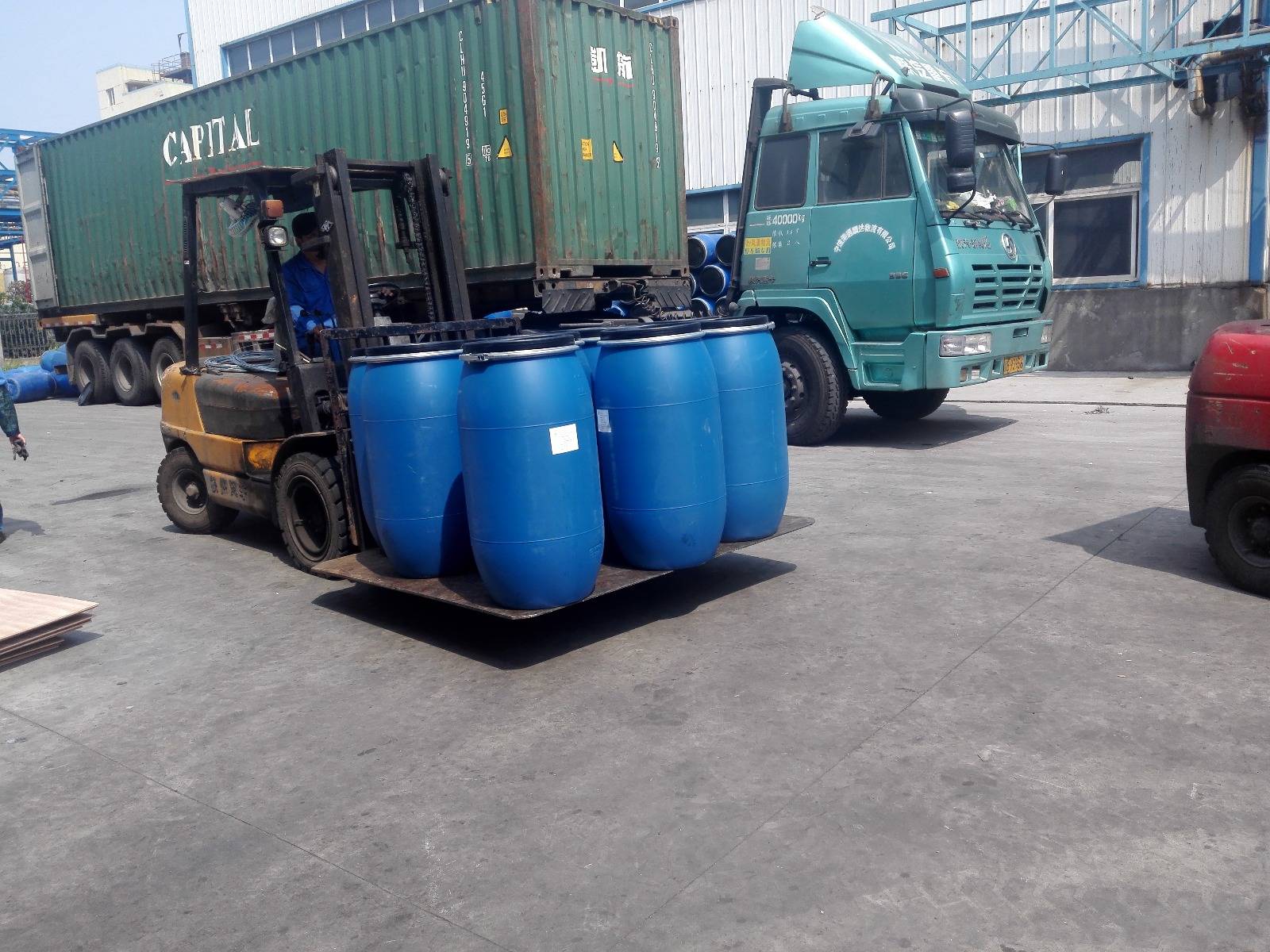
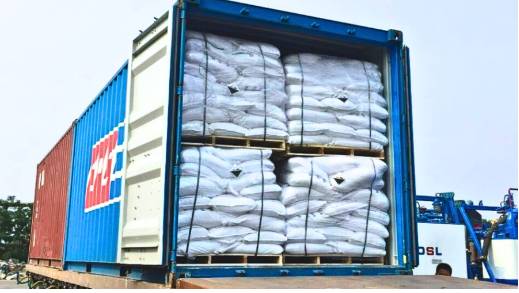
(Bulk Sodium Lauryl Ether Sulfate (SLES) being loaded into containers for global shipment from manufacturing site)
Sodium Laureth Sulfate (SLES) is a cost-effective, high-performing surfactant used in both daily products and industrial systems. It is valued for its strong foaming, cleansing, and emulsifying properties. From personal hygiene to construction materials, SLES delivers consistent performance and wide-ranging benefits.
In personal care, SLES creates rich lather and deep cleansing in shampoos, facial cleansers, and toothpastes. In detergents, it removes grease and dirt in both households and industrial cleaning. In textiles and leather processing, it improves dye penetration and chemical dispersion, ensuring uniform treatment. In construction, SLES makes concrete lighter and better insulated by forming stable air bubbles. In agriculture and petroleum, it enhances herbicide absorption and supports degreasing and emulsification during oil operations.
These top five uses highlight the flexibility and impact of SLES across modern industries. It supports better hygiene, higher efficiency, and more sustainable outcomes. Sodium Laureth Sulfate (SLES) is not only used in formulations worldwide but is also actively traded across borders—as seen in our successful SLES export case study to South Africa.
As demand for multi-functional and affordable ingredients grows, SLES remains a trusted and essential choice for global manufacturers. To explore available supply options, visit our Sodium Laureth Sulfate (SLES) 70% product page for detailed specifications and bulk pricing.
Frequently Asked Questions (FAQs)
A. What is SLES (Sodium Lauryl Ether Sulfate)?
SLES is a widely used anionic surfactant with excellent foaming, wetting, and cleaning abilities. It is found in personal care products, household detergents, textile and leather treatments, aerated concrete, and agrochemical formulations.
Learn more details in this guide: SLES – 10 Facts I Need To Know
B. What’s the Difference: SLES vs. SLS?
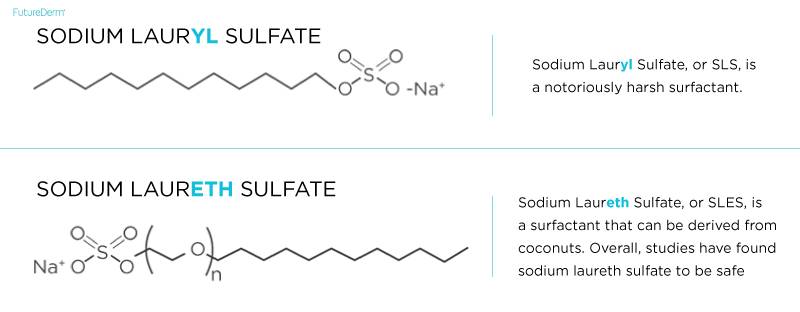
(SLES vs SLS Different Chemical Structure)
Is Sodium Lauryl Ether Sulfate the same as Sodium Lauryl Sulfate?
No. While these two surfactants share a similar name and function, they have distinct chemical structures and properties. Understanding the difference between SLES and SLS helps manufacturers and consumers choose the right ingredient for specific applications.
Key differences:
- Mildness: Sodium Lauryl Ether Sulfate (SLES) is generally milder and less irritating to skin and eyes compared to Sodium Lauryl Sulfate (SLS). This makes SLES more suitable for personal care products like shampoos and facial cleansers.
- Foaming Ability: SLES produces richer and more stable foam. Both SLES and SLS are effective cleansers, but SLES is often preferred in products that require a gentler lather.
- Chemical Structure: SLES contains an added ethoxylation step (the “ether” part), which differentiates it chemically from SLS and reduces its harshness.
Different Applications:
SLES: Used widely in cosmetics, detergents, industrial products
SLS: Often used in toothpastes, soap bars, and industrial degreasers
C. Can SLES Be Used with Other Surfactants?
Absolutely! SLES is highly compatible with other surfactants such as:
- Cocamidopropyl Betaine (CAPB) – for increased foam and mildness
- Cocamide DEA (CDEA) – for better thickening and stability
This combination is common in shampoos, hand soaps, and cleaners.
D. What Is the Recommended Concentration of SLES in Different Products?
The ideal concentration of Sodium Lauryl Ether Sulfate (SLES) varies depending on the application. While the raw material is typically available as a 70% active concentrate, manufacturers dilute it to suit the specific product type, balancing cleaning power with skin compatibility and safety requirements.
The table below outlines common SLES concentration ranges found in different product categories:
|
Product Type |
Typical SLES Concentration
|
|
Personal Care (e.g., shampoos, cleansers) |
5% – 15%
|
|
Dishwashing Liquids & Household Cleaners |
10% – 20%
|
|
Industrial Cleaners & Textile Applications |
20% – 70%
|
|
Concentrated Industrial Formulas |
Up to 70%
|
E. Is SLES Safe to Use in Different Industries?
Yes, SLES is generally safe when used in correct concentrations. Here's how it's used safely in blog's five industries:
- Personal Care Products: Safe for skin and hair in daily-use items like shampoo and body wash.
- Household and Industrial Detergents: Effective and biodegradable; safe for cleaning surfaces and utensils.
- Textile and Leather Processing: Gently cleans fabric and hides without causing damage.
- Construction Industry: Safe to handle in foam concrete formulations when used with proper protection.
- Agriculture and Petroleum: Used safely in pesticides and oilfield chemicals, with good environmental degradation profiles.
How Camachem Helps You Get Quality Chemicals from China
✅ Do you spend too much time trying to find quality chemicals in China?
✅ Is it hard to explain your needs to Chinese suppliers?
✅ Do you need customized chemicals that regular suppliers can’t deliver?
✅ Do you want help getting the right chemicals, so you can focus on growing your business?
If your answer is YES, Reduce Your China Sourcing Headaches, WhatsApp Us (Faster) for a FREE Consultation
✅Camachem: Quality Chemicals. Every Single Time.✅
-
Bulk SMBS for Sale: 5 Key Applications for Australian Factories
 January 7, 2026
 -
Top 5 Xanthates Every Australian Mining Operation Should Source in Bulk
 January 6, 2026
 -
Top 7 Industrial Chemicals You Can Import from China to Australia in Bulk
 January 5, 2026
 -
5 Mining Reagents You Should Source in Bulk for Australian Operations
 December 31, 2025
 -
6 Chemicals Australian Water Treatment Plants Must Stock in Bulk
 December 30, 2025