
 English
 French
 Indonesia
 Portuguese
 Russian
 Spanish
 Vietnamese
 +86-157-2476-6919
Top 5 Uses of Sodium Selenite and the Easiest Way to Import Sodium Selenite

What Is Sodium Selenite?

Sodium selenite powder with specification card showing CAS number and packaging details.
Sodium Selenite (Na₂SeO₃) is a white, water-soluble compound primarily used as a source of selenium. It's widely applied in industries such as animal nutrition, glass manufacturing, food fortification, agriculture, and pharmaceutical research.
Sodium Selenite (Na₂SeO₃) is a white or colorless crystalline powder that is highly soluble in water (~85 g/100 mL at 20°C). It decomposes at temperatures above 710°C. While it's soluble in water, it is not soluble in organic solvents.
Key Physical Characteristics
Appearance |
White crystalline powder |
Solubility |
85 g/100 mL (Water, 20°C) |
Melting Point |
Decomposes at ~710°C |
Odor |
Odorless |
Stability |
Stable under recommended storage conditions |
As a business leader managing chemical procurement, you understand the importance of sourcing high-quality chemicals efficiently. However, manually vetting every supplier and managing import risks can be time-consuming and complex. That’s where smart sourcing strategies come in. At Camachem, a subsidiary of CAMAL Group, we specialize in end-to-end chemical procurement, managing everything from sourcing to delivery, so you can focus on running your business.
What is Sodium Selenite used for in industry?
In this guide, we’ll walk you through the top 5 uses of Sodium Selenite across key industries and provide expert tips on how to procure it quickly and efficiently. Whether you're involved in animal feed production, food fortification, or glass manufacturing, we’re here to help you navigate the complexities of Sodium Selenite procurement. Ready to simplify the process and ensure you’re getting the best value? Let’s dive in.
1. Sodium Selenite in Animal Nutrition
Animal nutritionist inspecting mineral feed containing sodium selenite.
Livestock health and productivity are directly tied to mineral balance — and selenium plays a critical role. In regions with selenium-deficient soils, animals can suffer from impaired fertility, poor immunity, and reduced growth. Sodium selenite, a widely used feed additive, delivers essential selenium in a bioavailable, controlled form.
Benefits of Sodium Selenite in Livestock Nutrition
● Supports Immune System Function
Selenium is vital for the activity of antioxidant enzymes like glutathione peroxidase, helping animals combat oxidative stress and infections.
● Enhances Fertility and Reproductive Health
Plays a role in reproductive processes such as sperm motility, embryo viability, and fetal development.
● Boosts Growth and Feed Efficiency
Promotes better nutrient absorption and supports thyroid hormone production, leading to improved metabolic rates.
● Meets Regulatory Requirements
Included in national and international feed additive guidelines in microgram-per-kilogram doses (e.g., EU Regulation 1831/2003, AAFCO).
Key Applications Sodium Selenite in Livestock Nutrition
● Cattle Feed
Sodium selenite improves selenium status in both beef and dairy cattle, which is critical for preventing deficiency-related diseases such as white muscle disease. It supports milk production and reproductive performance, helping maintain overall herd health, especially in regions with selenium-poor soils. Additionally, it enhances disease resistance by boosting antioxidant enzyme activity.
● Swine Nutrition
In swine diets, sodium selenite enhances piglet survival rates and promotes steady growth in breeding sows and finishing pigs. It plays a preventive role against selenium-responsive disorders like mulberry heart disease and exudative diathesis, which can otherwise reduce productivity. Its inclusion in feed premixes helps improve overall reproductive performance and piglet vitality.
● Poultry Diets
Sodium selenite supplementation improves hatchability rates and strengthens the immune response in broilers, layers, and breeder stock. It supports optimal muscle development and enhances meat quality, which is important for both commercial and free-range poultry operations. The mineral also helps birds better cope with environmental stressors and infections.
● Pet Food Supplements
Sodium selenite is commonly included in both dry kibble and wet food formulations for cats and dogs to provide essential trace minerals. It supports immune health, offers antioxidant protection, and contributes to maintaining a healthy, shiny coat. Many veterinary diets incorporate sodium selenite to manage deficiencies and improve overall pet well-being.
● Veterinary Products
Sodium selenite is used in injectable selenium preparations designed for rapid correction of deficiency symptoms in livestock and companion animals. It is also included in medicated mineral blocks or treats that provide sustained supplementation. These products aid in boosting immune function, reproductive health, and recovery from stress or illness.
Looking to buy sodium selenite for feed production? Explore our bulk supply options.
2. Sodium Selenite in Glass and Ceramics Manufacturing

Glass manufacturers use Sodium Selenite to achieve optical clarity and color control.
In the glass and ceramics industry, color control and optical clarity are essential — especially for architectural, container, and specialty glass. Sodium selenite is used to neutralize unwanted green hues caused by iron impurities and to create vibrant red or pink coloration in decorative glass and ceramic products.
Benefits of Sodium Selenite in Industrial Glassmaking
● Improves Optical Clarity
Acts as a decolorizing agent to remove the green tint from glass caused by trace iron, resulting in cleaner and more transparent products.
● Provides Controlled Coloration
Enables the creation of red, pink, and brown hues in both glass and ceramic products by forming selenium-based pigments under controlled firing conditions.
● Enhances Ceramic Glaze Quality
Contributes to the consistency and depth of color in high-performance ceramic glazes and specialty tile finishes.
● Stable Under High Temperatures
Retains chemical stability during high-temperature manufacturing, making it ideal for glass kilns and ceramic furnaces.
Key Applications
● Float glass manufacturing
Sodium selenite is added during the molten glass stage to neutralize unwanted green hues caused by iron impurities, resulting in clearer and more visually appealing glass. This is especially important for architectural and automotive glass where optical clarity and color neutrality are critical. Its use helps manufacturers meet strict quality standards for both functional and aesthetic properties.
● Container and tableware glass
In the production of bottles, jars, and decorative glassware, sodium selenite ensures precise control over coloration and enhances clarity. By balancing the color spectrum, it helps prevent undesirable tints that could affect product appearance or consumer perception. This application is common in food and beverage packaging as well as in household glass items.
● Red and pink glass pigments
Sodium selenite plays a vital role in creating vibrant red and pink hues in glass used for lighting fixtures, ornaments, stained glass, and safety equipment. It forms selenium-based pigments under controlled conditions, allowing manufacturers to produce consistent and durable colors. These pigments are valued for their brilliance and stability during high-temperature processing.
● Ceramic pigments and glazes
Used in ceramic glazes, sodium selenite contributes to rich red and brown tones that are stable during kiln firing. It enhances the depth and consistency of color in tiles, porcelain, and specialty ceramics, making it a preferred additive for high-end decorative applications. Its chemical stability at elevated temperatures ensures high-quality finished products.
● Solar and optical glass
Sodium selenite is used in the manufacture of solar panel glass and specialty optical lenses, where strict control over optical properties is essential. It improves light transmission and color control, enhancing the efficiency of solar panels and the precision of optical instruments. This application requires industrial-grade sodium selenite with high purity and consistency.
Need industrial-grade sodium selenite for sale? Contact today for a FREE expert consultation!
3. Sodium Selenite in Food Fortification & Nutraceuticals
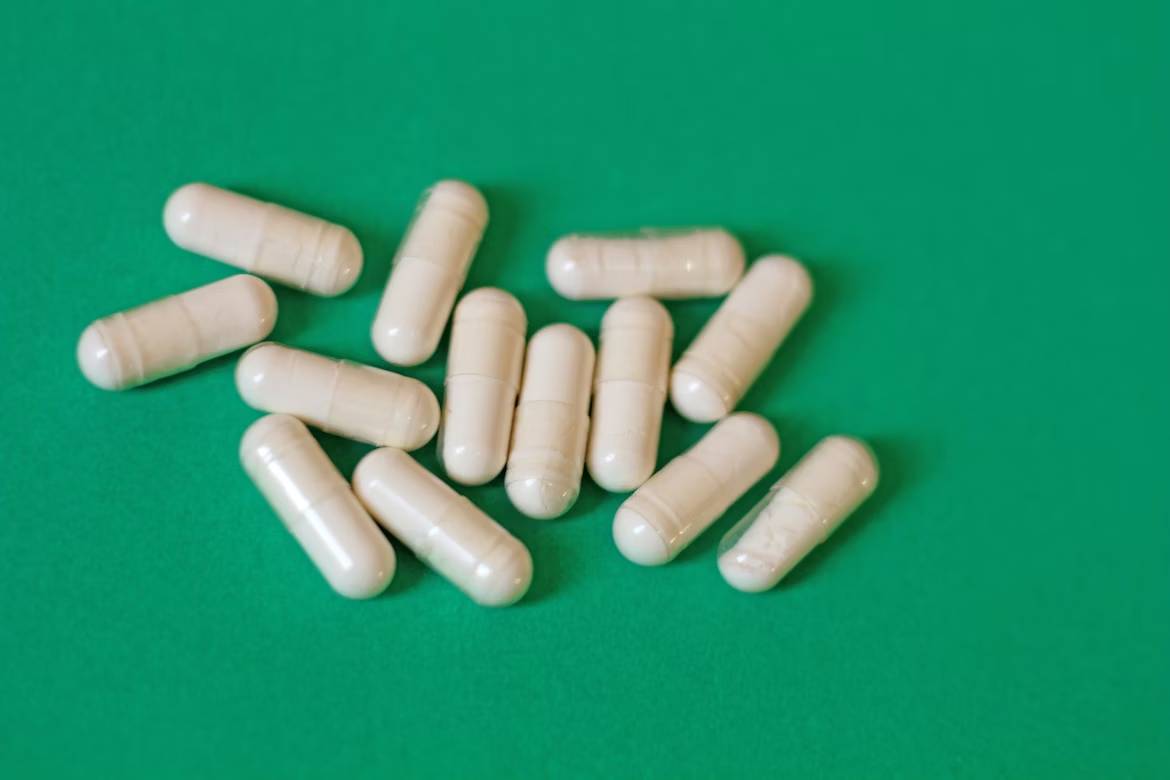
White sodium selenite tablets in blister packaging for pharmaceutical supplements.
Sodium selenite plays a vital role in human health by helping to prevent selenium deficiency, especially in populations with low dietary selenium intake. As a food-grade additive, it is commonly used in multivitamins, fortified foods, infant formulas, and dietary supplements. Its high bioavailability and cost-effectiveness make it a preferred form of selenium in the nutraceutical industry.
Benefits of Sodium Selenite in Human Nutrition
● Prevents Selenium Deficiency
Helps address inadequate selenium intake, which is associated with fatigue, weakened immunity, and cardiovascular issues.
● Supports Antioxidant Activity
Contributes to the function of key antioxidant enzymes like glutathione peroxidase, protecting cells from oxidative damage.
● Improves Thyroid Function
Aids in the conversion of thyroid hormones, supporting metabolic regulation and energy balance.
● Boosts Immune System Health
Plays a critical role in immune response, reducing inflammation and supporting cellular defense mechanisms.
● Available in Multiple Grades
Offered in both food-grade and pharmaceutical-grade forms to meet safety and quality standards across industries.
Key Applications
● Multivitamin Tablets and Selenium Capsules
Sodium selenite is widely used as a trace mineral supplement in multivitamin tablets and selenium capsules, providing a reliable source of bioavailable selenium. These supplements support immune function, antioxidant activity, and metabolic health, making them popular among consumers seeking overall wellness. Its stable and cost-effective form ensures long shelf life and consistent dosing.
● Fortified Foods and Functional Beverages
Added to cereals, protein shakes, fortified drinks, and nutritional bars, sodium selenite helps manufacturers enhance the selenium content of everyday foods. This fortification targets populations with low dietary selenium intake and helps prevent deficiency-related health issues. The compound’s high solubility and stability make it ideal for use in a variety of food and beverage matrices.
● Infant and Geriatric Nutrition
Sodium selenite is included in infant formulas, baby foods, and geriatric nutrition products to support developmental needs and age-related health concerns. Selenium plays a crucial role in immune system maturation in infants and maintaining antioxidant defenses in the elderly. Its inclusion helps these vulnerable groups meet recommended dietary selenium levels safely.
● Therapeutic Supplements and Nutraceuticals
In specialized nutraceutical formulations, sodium selenite is used to target specific health concerns such as thyroid support, fertility enhancement, and immune system optimization. These supplements often combine selenium with other vitamins and minerals for synergistic effects. Pharmaceutical-grade sodium selenite is preferred in these products to ensure purity and efficacy.
Searching for pharma-grade sodium selenite powder? Browse our product page, or send a quick Whatsapp message for a quick response!
4. Sodium Selenite in Agriculture & Soil Enrichment

Farmer applying selenium-enriched fertilizer to crops.
Selenium deficiency in agricultural soils can lead to poor crop selenium content, affecting both human and animal nutrition. Sodium selenite is used to biofortify crops and improve soil selenium levels through direct application or as part of blended fertilizers. This method supports more nutritious harvests and healthier ecosystems.
Benefits of Sodium Selenite in Agriculture
● Improves Nutritional Value of Crops
Raises the selenium content in grains, vegetables, and forage crops, helping address dietary deficiencies in both humans and animals.
● Enhances Plant Resistance to Stress
Strengthens plants' defense systems against oxidative stress, disease, and adverse environmental conditions.
● Supports Higher Yields and Better Quality
Improves overall crop health and vitality, contributing to better yields and more nutrient-dense produce.
● Enables Targeted Selenium Supplementation
Can be precisely applied through foliar sprays or soil treatments, allowing farmers to target selenium-poor regions effectively.
● Compatible with Modern Agricultural Practices
Easily incorporated into integrated fertilization strategies and sustainable soil management programs.
Key Applications
● Soil Enrichment Programs
Sodium selenite is applied to selenium-deficient soils to restore optimal trace mineral levels, improving long-term soil health and fertility. This enrichment helps crops absorb adequate selenium, which benefits both plant resilience and the nutritional quality of harvested produce. These programs are often part of regional efforts to address widespread selenium deficiencies affecting food chains.
● Liquid Fertilizers and Foliar Sprays
Used as an additive in liquid fertilizers and foliar sprays, sodium selenite enables rapid and efficient selenium uptake by plants during critical growth stages. Foliar application bypasses soil limitations, ensuring selenium reaches crops directly to boost their selenium content. This approach enhances biofortification efforts and supports better plant health under environmental stress.
● Biofortification in Staple Crops
Sodium selenite is extensively used to biofortify staple crops such as wheat, corn, rice, and vegetables, increasing their selenium levels for human and animal nutrition. This biofortification strategy helps combat selenium deficiency in populations dependent on these staples for their dietary intake. The enriched crops contribute to improved public health and livestock nutrition.
● Livestock Forage Enhancement
Applied to pastures and forage crops, sodium selenite raises selenium content in grass, hay, and silage fed to grazing animals. This indirect supplementation improves livestock selenium status and overall health, especially in regions where soil selenium is low. Enhanced forage quality supports better weight gain, reproduction, and disease resistance in grazing herds.
● Organic and Precision Agriculture
Sodium selenite can be integrated into organic and precision agriculture systems, using targeted, low-dose applications to minimize environmental impact and optimize selenium use efficiency. This approach aligns with sustainable farming practices by reducing waste and ensuring precise mineral delivery to crops. Farmers benefit from improved yields and nutrient density without compromising soil integrity.
Need a reliable supplier of sodium selenite for agriculture? Get your FREE quotation today!
5. Sodium Selenite in Pharmaceuticals & Scientific Research

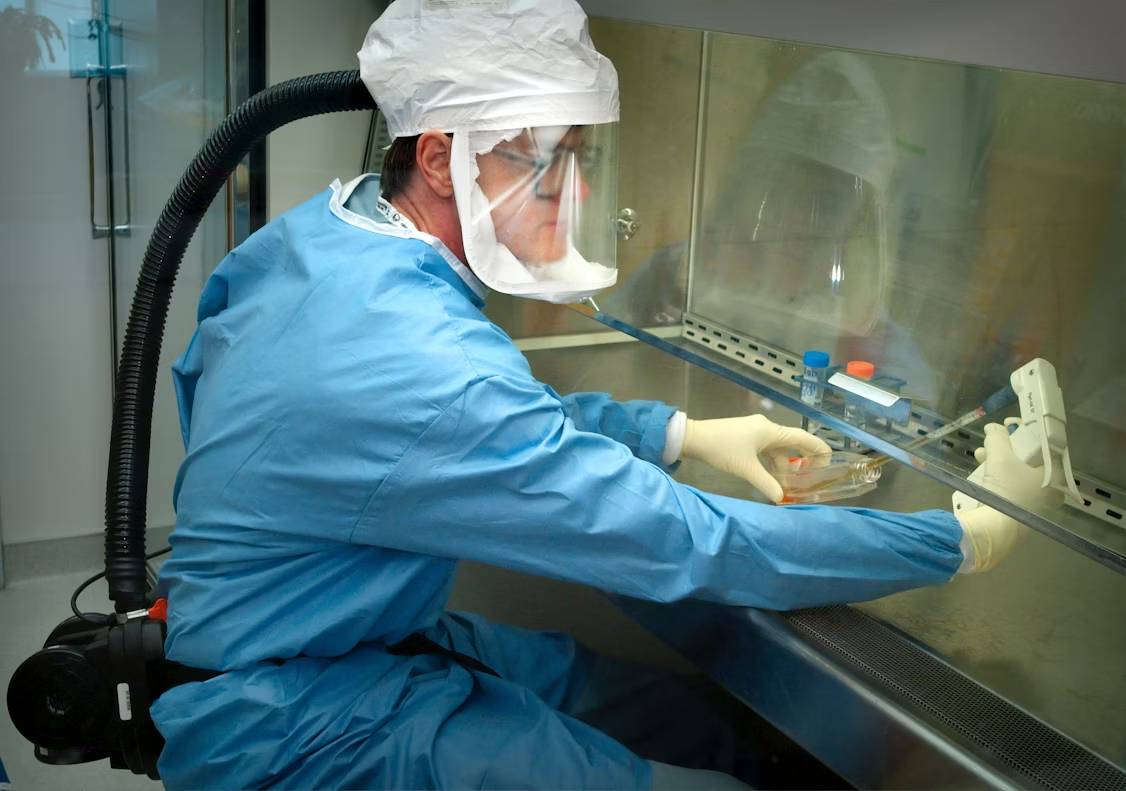
Lab technician handling sodium selenite under sterile conditions.
Sodium selenite is increasingly used in pharmaceutical formulations and biomedical research due to its role in cellular defense, oxidative stress regulation, and endocrine function. It offers a highly controlled and bioavailable source of selenium, essential for targeted therapies, clinical trials, and advanced laboratory studies.
Benefits of Sodium Selenite in Pharmaceutical and Research Use
● Delivers Precisely Controlled Doses of Selenium
Used in microgram-level concentrations, sodium selenite allows for exact dosing in therapeutic and experimental settings.
● Supports Antioxidant and Cellular Defense Mechanisms
Functions as a selenium donor in the production of selenoproteins, including enzymes that protect cells from oxidative stress.
● Plays a Role in Endocrine and Immune Regulation
Linked to thyroid hormone metabolism, fertility, immune response, and inflammation control.
● Studied in Cancer and Chronic Disease Research
Investigated for its potential role in cancer chemoprevention, cell cycle regulation, and modulation of oxidative damage in disease models.
● Meets Stringent Purity Standards
Pharma-grade sodium selenite is manufactured under GMP conditions with high traceability and low heavy metal content.
Key Applications
● Clinical Trials and Therapeutic Formulations
Sodium selenite is extensively used in clinical trials investigating its potential role in cancer prevention, oxidative stress reduction, and immune modulation. Its precise dosing capabilities allow researchers to explore therapeutic effects safely and systematically. Additionally, it is formulated into pharmaceutical supplements designed to support antioxidant defense and manage selenium deficiency.
● Biomedical and Nutritional Research
In laboratory settings, sodium selenite serves as a critical reagent for studying selenium’s role in cellular antioxidant mechanisms, gene expression, and metabolic pathways. Its high purity and consistency make it ideal for in vitro and in vivo research models exploring chronic diseases and endocrine functions. These studies help advance understanding of selenium’s biological importance and therapeutic potential.
● Pharmaceutical Supplements
Sodium selenite is formulated into tablets, capsules, and injectable solutions intended for correcting selenium deficiencies and supporting metabolic health. These pharmaceutical-grade products meet stringent purity standards and are used in both preventive and therapeutic contexts. They are often combined with other micronutrients to enhance efficacy and patient outcomes.
● Thyroid and Fertility Treatments
Targeted supplements containing sodium selenite are developed to support thyroid hormone metabolism and reproductive health. Selenium’s involvement in thyroid function and fertility makes these formulations valuable in managing related disorders. Clinical applications include treating autoimmune thyroid diseases and enhancing sperm quality and embryo development.
● Advanced Laboratory Testing
Sodium selenite is used as a controlled variable or reagent in pharmacological, toxicological, and nutritional biochemistry assays. Its standardized quality ensures reproducibility and accuracy in experimental results. These advanced tests contribute to drug development, safety assessments, and nutritional evaluations.
Looking to buy sodium selenite for scientific research? Contact us for a FREE quotation. Need a faster reply? Message us on Whatsapp now!
Conclusion

Satisfied industrial buyer
If Sodium Selenite plays a role in your production line, whether in feed, glass, food, or pharma; sourcing the right grade, documentation, and packaging is critical. With increasing scrutiny on supply chain traceability, the risk of delays, rejections, or compliance issues is real.
As a busy executive or procurement lead, you need a reliable partner who understands your industry and handles end-to-end chemical sourcing, from factory gate to delivery port.
Need Sodium Selenite in bulk? Camachem sources high-quality Sodium Selenite directly from verified Chinese suppliers. From the factory to your destination, all taken care of.
WhatsApp Us for Free a Consultation
Technical Specifications & Packaging
Parameter |
Typical Value |
|---|---|
Chemical Formula |
Na₂SeO₃ |
Purity (Na₂SeO₃) |
≥ 98.7% |
Selenium Content (Se) |
44.7–45.0% |
Loss on Drying |
≤ 1.0% |
Selenate & Sulfate |
≤ 0.03% |
Lead (Pb) |
≤ 20 ppm |
Arsenic (As) |
≤ 10 ppm |
How Sourcing Works (CAMACHEM’s Value Chain)
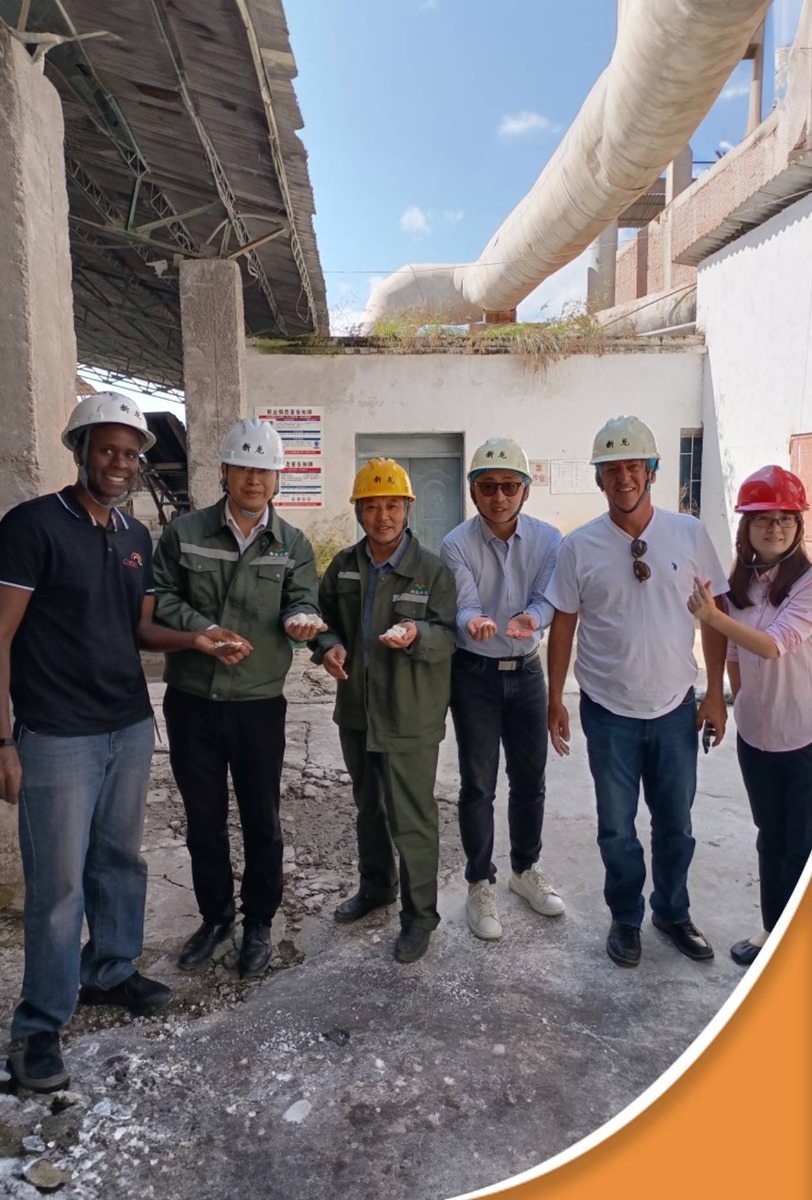
Camachem’s expert sourcing team ensures end-to-end chemical procurement—vetting Sodium Selenite suppliers, managing quality control, and overseeing global delivery.
At Camachem, we’ve broken down our procurement process into short, easy-to-understand videos. Whether you're sourcing Sodium Selenite or any other industrial chemical, these quick clips show you exactly how we handle everything from chemical selection to shipping and after-sales service.
Step 1: Understanding Your Chemical Requirement
Step 2: Initial Offer and Quotation related chemicals you need
Step 3: Balance Payment & Shipping
How Camachem Helps You Get Quality Chemicals from China
✅ Do you spend too much time trying to find quality chemicals in China?
✅ Is it hard to explain your needs to Chinese suppliers?
✅ Do you need customized chemicals that regular suppliers can’t deliver?
✅ Do you want help getting the right chemicals, so you can focus on growing your business?
If your answer is YES, Reduce Your China Sourcing Headaches, WhatsApp Us (Faster) for a FREE Consultation
✅Camachem: Quality Chemicals. Every Single Time.✅
Bulk-packed sodium selenite, ready for shipment to customers in secure, sealed containers.
Frequently Asked Questions (FAQ)
1. What is the function of selenite?
Selenite, particularly in the form of sodium selenite, plays several vital biological and industrial roles due to its selenium content.
- Nutritional Role:
The primary function of selenite is to act as a bioavailable source of selenium, which is essential for the production of antioxidant enzymes like glutathione peroxidase (Journal of Trace Elements in Medicine and Biology).
- Animal & Human Health:
Selenium from selenite supports thyroid function, immune response, and cell protection from oxidative stress. Veterinary publications such as Veterinary Clinics of North America confirm its role in reproductive health and metabolism in livestock.
- Food and Feed Fortification:
Used in fortified foods, animal premixes, and nutraceuticals to combat selenium deficiency in regions with selenium-poor soils.
- Research and Therapeutic Applications:
Selenite is under investigation for potential cancer-inhibiting properties and DNA repair mechanisms (as noted by the American Association for Cancer Research).
- Industrial Use:
In non-biological applications, sodium selenite is used in glass decolorization, pigments, and catalyst production.
A 2021 review in the International Journal of Environmental Research and Public Health states that sodium selenite remains one of the most widely studied and utilized forms of selenium in both health sciences and manufacturing sectors.
2. Is sodium selenite found in China?
Yes, China is a major global producer of sodium selenite and related selenium compounds.
- A 2023 ICIS Chemicals Market Report confirmed that Chinese manufacturers dominate bulk and feed-grade sodium selenite exports.
- The compound is commonly produced in industrial zones where copper smelting and selenium recovery take place.
- Procurement experts from Chemical Week note that Chinese suppliers offer competitive pricing, but buyers must ensure proper documentation (e.g., COA, MSDS).
- Verified suppliers like Camachem (a CAMAL subsidiary) provide sourcing support for international buyers looking for compliant, high-quality Chinese material.
3. Where does sodium selenite come from?
Most industrial-grade sodium selenite is manufactured from selenium recovered during copper refining, then processed into sodium salts.
- China is currently one of the largest producers, accounting for a significant share of global exports (source: ICIS Chemical Business).
- Other notable producers include Germany and India, especially for pharmaceutical-grade variants.
- The selenium feedstock often originates from metal smelting industries, which extract selenium from anode slimes in electrolytic copper refining.
- Sodium selenite is available from verified chemical suppliers worldwide, but quality and pricing often depend on the region of origin and certifications.
4. Is sodium selenite the same as selenium?
No, sodium selenite and selenium are not the same, though they are closely related.
Sodium Selenite Vs Selenium
- Selenium is the essential element, while sodium selenite is an inorganic compound that delivers selenium in a usable form.
- Sodium selenite is more bioavailable than elemental selenium, especially in supplements and feed additives.
- According to the Linus Pauling Institute at Oregon State University, sodium selenite is one of the most common forms used in supplements.
- Other selenium compounds include selenomethionine (organic) and sodium selenate, each with different absorption and safety profiles.
5. What Is the Difference Between Sodium Selenite and Selenium?
Sodium selenite is an inorganic compound that contains selenium, but it is not the same as elemental selenium.
- Selenium (Se) is a chemical element, while sodium selenite (Na₂SeO₃) is a compound containing selenium in its +4 oxidation state.
- Sodium selenite is more bioavailable and often used in food, feed, and pharma as a selenium supplement.
- Elemental selenium is less reactive and used in electronics, pigments, and glass.
- PubChem explains sodium selenite as a preferred selenium donor due to its solubility and stability in aqueous solutions.
Nutritional Outlook states that sodium selenite is one of the most efficient selenium compounds for supplementation purposes.
6. Is sodium selenite safe for humans and animals?
Sodium selenite is generally safe when used within regulated limits; however, it is toxic in large doses.
- For humans:
The U.S. National Institutes of Health (NIH) recommends a tolerable upper intake level of 400 µg/day. Excess can cause selenosis—symptoms include hair loss and gastrointestinal issues.
- For animals:
Safe in controlled amounts; livestock feeds are formulated to meet guidelines by organizations like the National Research Council.
- References:
A Veterinary Medicine Journal review notes that feed-grade sodium selenite has a strong safety record when added according to species-specific recommendations.
- Consumer reviews on platforms like Amazon and Chewy report concerns when it's listed in pet food, but regulatory limits ensure safety.
Still have questions? Explore more FAQs answers on our Sodium Selenite FAQ page to learn more about Sodium Selenite.
-
Bulk SMBS for Sale: 5 Key Applications for Australian Factories
 January 7, 2026
 -
Top 5 Xanthates Every Australian Mining Operation Should Source in Bulk
 January 6, 2026
 -
Top 7 Industrial Chemicals You Can Import from China to Australia in Bulk
 January 5, 2026
 -
5 Mining Reagents You Should Source in Bulk for Australian Operations
 December 31, 2025
 -
6 Chemicals Australian Water Treatment Plants Must Stock in Bulk
 December 30, 2025