
 English
 French
 Indonesia
 Portuguese
 Russian
 Spanish
 Vietnamese
 +86-157-2476-6919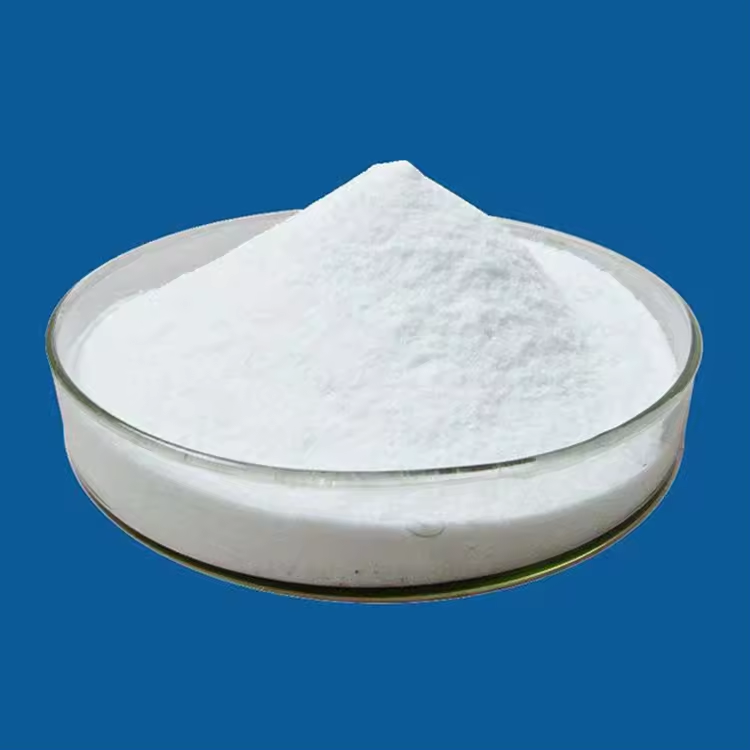
Lactide
Other Trading Names:
- Dioxane
- L-Lactide
CAS Number: 4511-42-6
HS Code: 39079990
Types of Packaging:
- 25 kg/drum
- 25 kg/bag
Inquiry
 100٫00
100٫00
Availability:
In stock
SKU
Lactide
|
Appearance |
White crystalline powder |
|
Purity |
99% |
|
Assay (min) |
99.5% |
|
Melting point |
92-94 °C(lit.) |
|
Boiling point |
255°C |
|
Solubility |
Soluble in chloroform, and methanol. Slightly soluble in benzene. |
Chemical Description:
- Lactide is a cyclic diester derived from lactic acid, primarily utilized in the production of polylactic acid (PLA), a biodegradable polymer widely employed in various industries.
- Chemically, lactide consists of two molecules of lactic acid, where the hydroxyl group (-OH) of one molecule reacts with the carboxyl group (-COOH) of another, leading to the elimination of a water molecule and the formation of a cyclic structure.
- This cyclic structure can exist in three different forms: L-lactide, D-lactide, and meso-lactide, depending on the stereochemistry of the starting lactic acid molecules.
- L-lactide and D-lactide are enantiomers, meaning they are non-superimposable mirror images of each other, while meso-lactide is a diastereomer.
- Lactide typically appears as a white, crystalline solid with a melting point ranging from 95 to 140°C, depending on its stereochemistry and purity.
- Its molecular formula is C₆H₈O₄, and it has a molar mass of approximately 144.12 grams per mole.
- Lactide is commonly produced through the ring-opening polymerization of lactic acid under controlled conditions of temperature and pressure, often catalyzed by metal-based or organic catalysts.
- The polymerization process results in the formation of long chains of repeating lactide units, leading to the synthesis of PLA.
- PLA exhibits several advantageous properties, including biodegradability, biocompatibility, and mechanical strength, making it suitable for applications such as packaging materials, biomedical devices, and 3D printing.
- Furthermore, lactide serves as a crucial intermediate in the synthesis of other biodegradable polymers and copolymers, contributing to the development of environmentally friendly materials.
- Its biodegradability is particularly beneficial in reducing environmental pollution and addressing sustainability concerns associated with traditional petroleum-based plastics.
- Lactide or L Lactide is a white crystalline powder that is used widely for a number of purposes including in the packaging, electronics, adhesives etc.
- Overall, lactide plays a pivotal role in the advancement of green chemistry and the transition towards more sustainable materials in various industrial sectors.
Write Your Own Review
X