
 Arabic
 English
 Indonesia
 Portuguese
 Russian
 Spanish
 Vietnamese
 +86-157-2476-6919
Top 10 Chemicals Used in Glass Manufacturing

Glass manufacturing is a complex process that involves the use of various chemicals to achieve the desired properties and functionalities of the final product.
Here are the top 10 compound chemicals commonly used in glass manufacturing.
Top 10 Chemicals Used in Glass Manufacturing
- Silicon Dioxide (SiO2)
- Sodium Carbonate (Na2CO3)
- Calcium Carbonate (CaCO3)
- Alumina (Al2O3)
- Magnesium Oxide (MgO)
- Boron Oxide (B2O3)
- Lead Oxide (PbO)
- Potassium Carbonate (K2CO3)
- Zinc Oxide (ZnO)
- Barium Oxide (BaO)
1. Silicon Dioxide (SiO2)

Benefits:
- High Melting Point: Silicon dioxide, also known as silica, has a high melting point, making it a fundamental component in the glass-making process. This high melting point ensures that the glass can withstand high temperatures without deforming.
- Transparency: SiO2 provides the essential transparency and durability required in glass products. This transparency is crucial for applications where clarity is important, such as in windows and optical devices.
- Abundance: Silicon dioxide is one of the most abundant minerals on Earth, making it an economical choice for glass production.
Applications:
- Basic Glass Formation: Silicon dioxide is the primary component in most glass types, including window glass, containers, and fiberglass. It forms the backbone of the glass structure, providing strength and transparency.
- Specialty Glasses: Used in the production of optical glasses, laboratory equipment, and high-performance glass. Its high purity and quality are essential for applications requiring precise optical properties and durability.
2. Sodium Carbonate (Na2CO3)
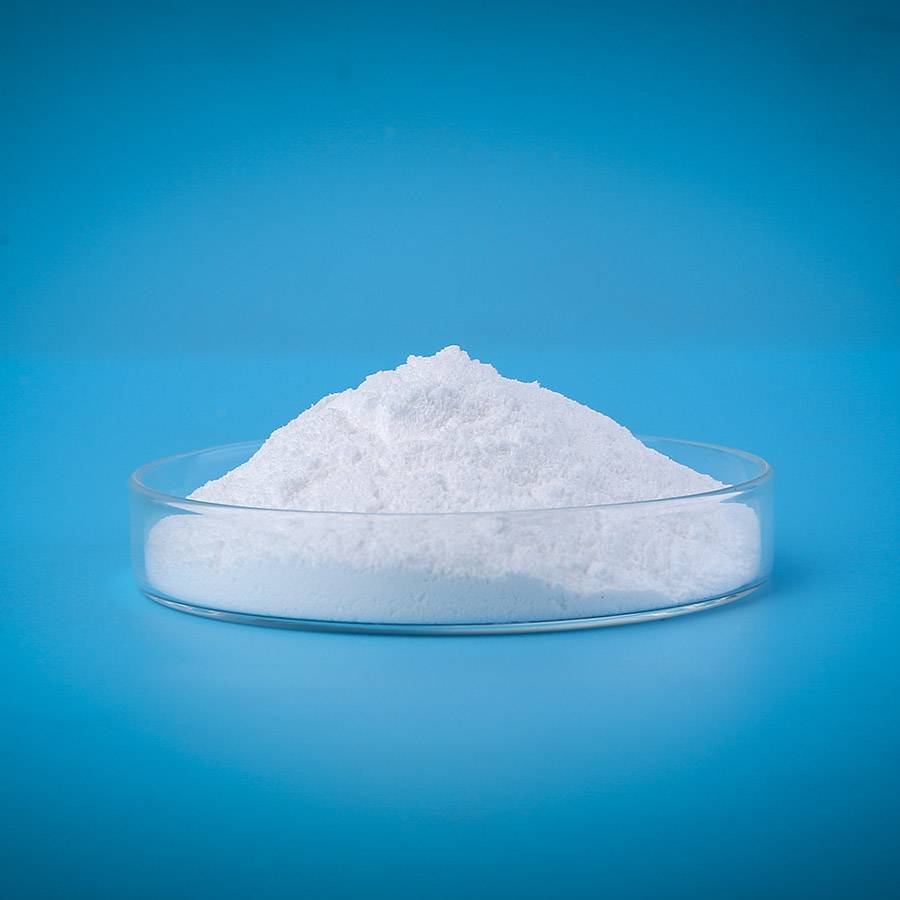
Benefits:
- Lowers Melting Point: Sodium carbonate, also known as soda ash, lowers the melting point of silica, making the glass-making process more energy-efficient. This reduction in melting temperature saves energy and reduces costs.
- Improves Workability: It helps in making the molten glass more workable. This improved workability is essential for shaping and molding the glass into desired forms.
- Fluxing Agent: Sodium carbonate acts as a fluxing agent, helping to dissolve other components and form a homogeneous glass mixture.
Applications:
- Glass Melting: Used in the batch mix for soda-lime glass, the most common type of glass. It facilitates the melting process and ensures a smooth, uniform glass structure.
- Cleaning Agent: Employed to remove impurities and clean glass surfaces. Its alkaline properties help in removing contaminants and preparing the glass for further processing.
3. Calcium Carbonate (CaCO3)
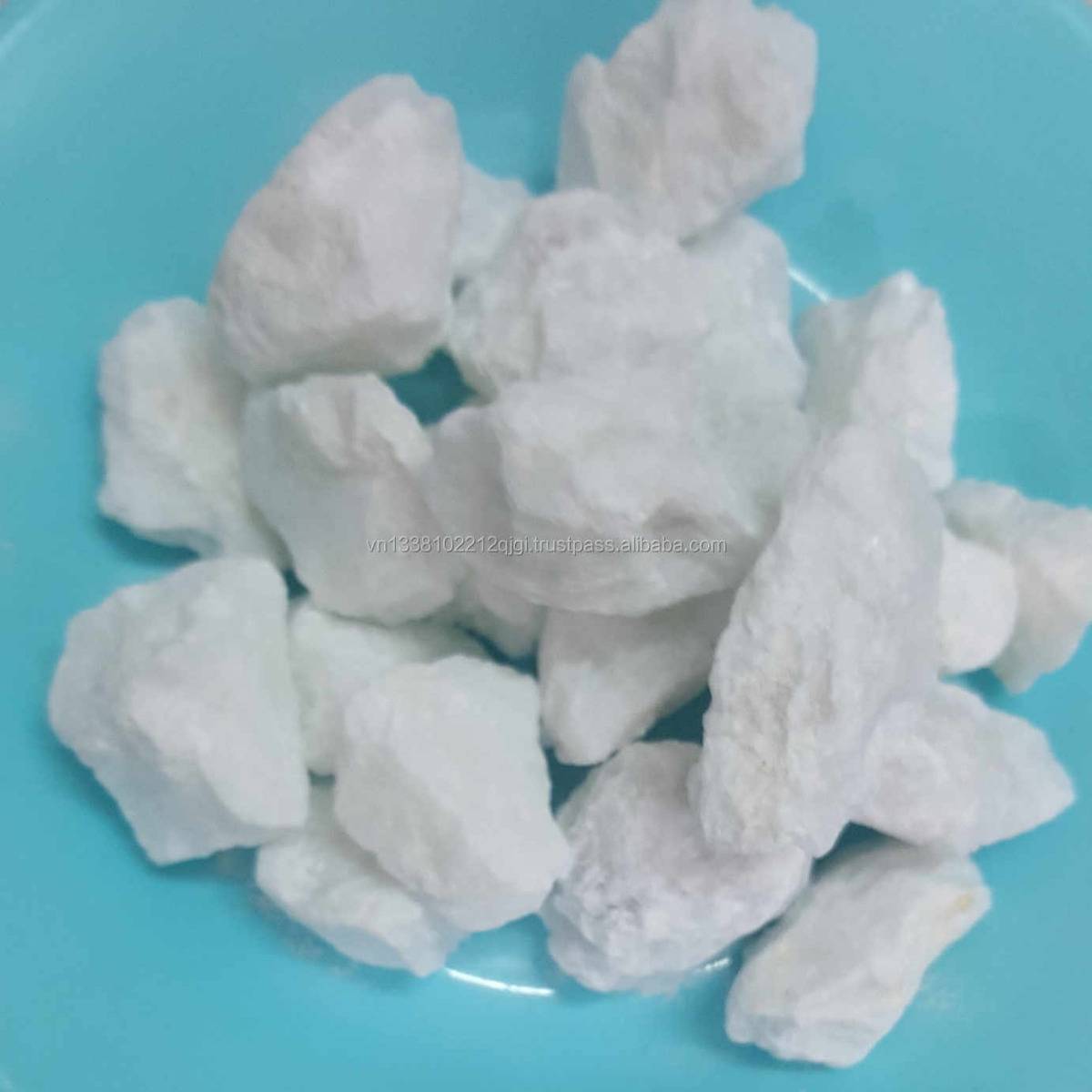
Benefits:
- Stabilizer: Calcium carbonate acts as a stabilizer, preventing the glass from becoming soluble in water. This stabilization is crucial for maintaining the integrity and longevity of the glass.
- Increases Durability: It enhances the durability and chemical resistance of glass. This increased durability ensures that the glass can withstand environmental factors and physical wear.
- Cost-Effective: Calcium carbonate is a cost-effective additive that provides essential properties without significantly increasing production costs.
Applications:
- Soda-Lime Glass: Integral to the production of soda-lime glass, which is used in windows, bottles, and various other everyday items. It ensures that the glass is strong, durable, and suitable for a wide range of applications.
- Glass Strengthening: Used in making glass products more resilient and durable. This includes applications in construction, automotive, and consumer goods where strength and durability are paramount.
4. Alumina (Al2O3)
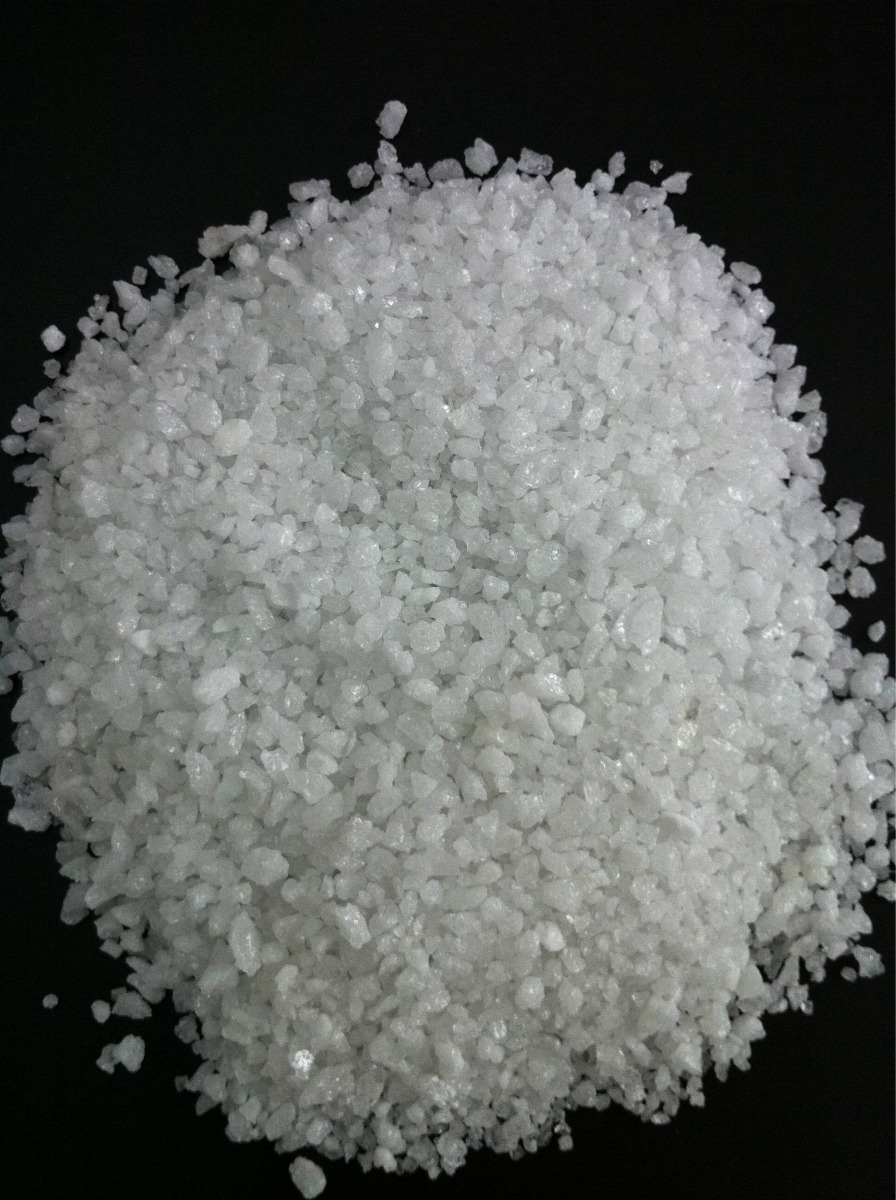
Benefits:
- Increases Hardness: Alumina increases the hardness and mechanical strength of glass. This increased hardness makes the glass resistant to scratches and abrasions.
- Improves Durability: It enhances the resistance of glass to chemical and physical wear. This durability is important for applications where the glass is exposed to harsh conditions.
- Thermal Stability: Alumina provides excellent thermal stability, making the glass suitable for high-temperature applications.
Applications:
- High-Performance Glass: Used in the production of high-strength glass for electronics, such as smartphone screens and scratch-resistant coatings. The increased hardness and durability provided by alumina are essential for these demanding applications.
- Glass Ceramics: Integral in producing glass-ceramic materials with high durability and heat resistance. These materials are used in cookware, laboratory equipment, and other high-temperature applications.
5. Magnesium Oxide (MgO)
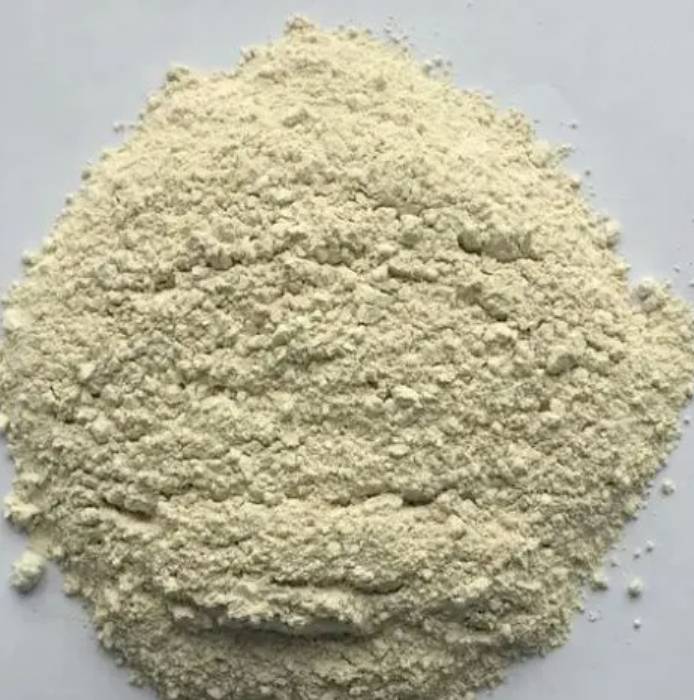
Benefits:
- Reduces Brittleness: Magnesium oxide helps to reduce the brittleness of glass, making it less likely to crack or break. This reduction in brittleness enhances the safety and longevity of glass products.
- Improves Workability: Enhances the glass-making process by making the molten glass easier to handle. This improved workability is essential for complex shaping and molding processes.
- Thermal Stability: MgO provides excellent thermal stability, ensuring that the glass can withstand high temperatures without degradation.
Applications:
- Architectural Glass: Used in the production of construction and architectural glass, providing durability and stability. This includes glass for buildings, windows, and other structural applications.
- Optical Glasses: Integral in manufacturing glasses with specific optical properties, such as lenses and prisms. The clarity and durability provided by magnesium oxide are essential for these high-precision applications.
- Heat-Resistant Glass: Used in producing glass that can withstand high temperatures, such as in oven doors and industrial applications.
6. Boron Oxide (B2O3)
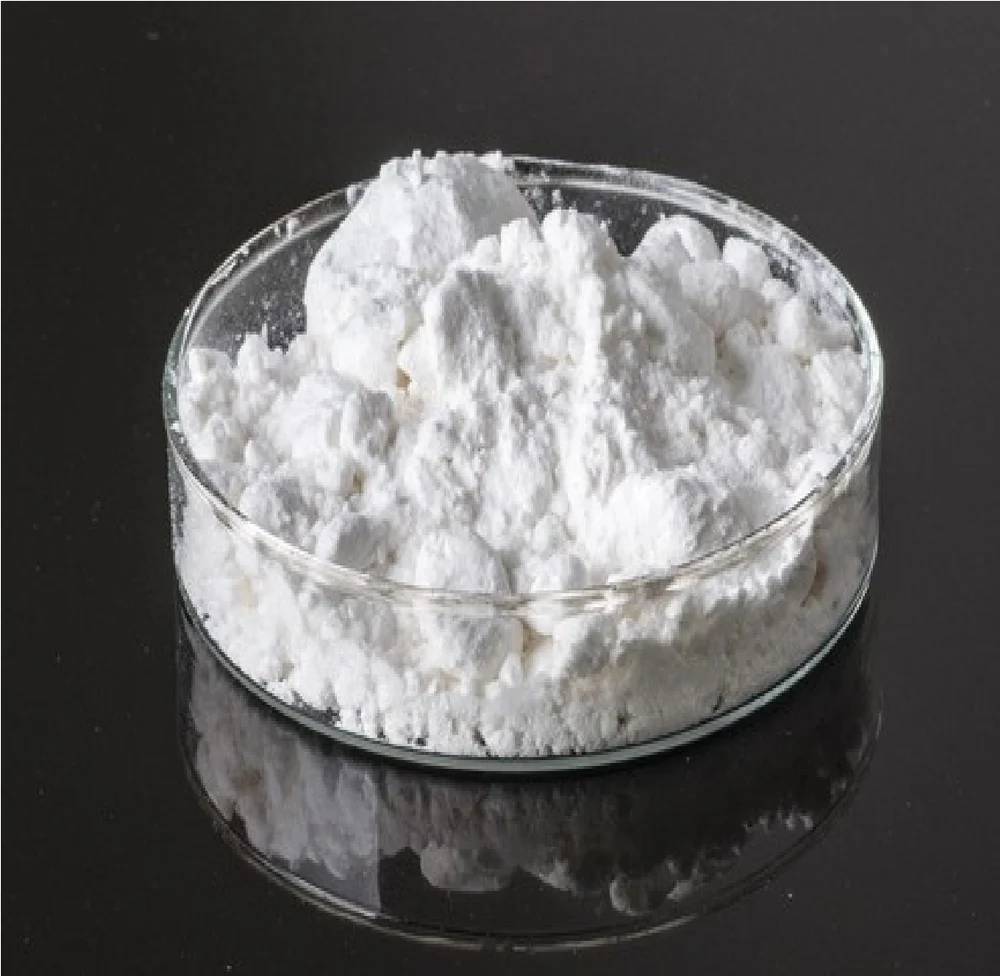
Benefits:
- Thermal Shock Resistance: Boron oxide imparts thermal shock resistance to glass, making it suitable for high-temperature applications. This resistance is crucial for preventing cracking and breaking when the glass undergoes rapid temperature changes.
- Reduces Viscosity: It helps in lowering the viscosity of molten glass, making it easier to work with. This reduction in viscosity is important for producing smooth, uniform glass products.
- Chemical Resistance: Boron oxide enhances the chemical resistance of glass, protecting it from corrosion and degradation.
Applications:
- Borosilicate Glass: Essential in the production of borosilicate glass, which is used in laboratory glassware, cookware, and high-temperature applications. Borosilicate glass is known for its durability and resistance to thermal shock.
- Glass Insulation: Used in the production of insulating materials and fiberglass. Boron oxide helps to create lightweight, durable insulation products that provide excellent thermal and acoustic properties.
- Specialty Glasses: Used in the production of glasses for scientific and industrial applications where high chemical and thermal resistance are required.
7. Lead Oxide (PbO)
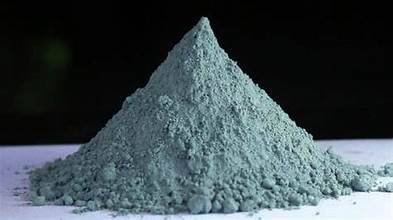
Benefits:
- Increases Density: Lead oxide increases the density of glass, improving its refractive index and brilliance. This increased density is crucial for applications requiring high optical quality and aesthetic appeal.
- Enhances Clarity: Provides superior optical clarity and brilliance to glass. This clarity is essential for producing high-quality optical lenses and decorative glassware.
- Improves Sound Insulation: Lead oxide also enhances the sound insulation properties of glass, making it useful in applications requiring noise reduction.
Applications:
- Crystal Glass: Used in the production of crystal and lead glass, commonly found in fine glassware and optical lenses. The brilliance and clarity provided by lead oxide make these products highly desirable.
- Radiation Shielding: Integral in manufacturing glass for radiation shielding in medical and industrial applications. Leaded glass is used to protect against X-rays and other forms of radiation.
- Optical Instruments: Used in the production of lenses, prisms, and other optical components where high clarity and precision are required.
8. Potassium Carbonate (K2CO3)

Benefits:
- Increases Refractive Index: Potassium carbonate increases the refractive index of glass, enhancing its optical properties. This increased refractive index is important for producing glass with superior optical clarity and brightness.
- Improves Chemical Resistance: Enhances the chemical durability of glass, making it more resistant to corrosion and degradation.
- Fluxing Agent: Acts as a fluxing agent in glass production, helping to lower the melting point and improve the homogeneity of the glass mixture.
Applications:
- Optical Glass: Used in the production of high-quality optical glasses and lenses. The increased refractive index and clarity provided by potassium carbonate are essential for these applications.
- Television and Computer Screens: Integral in manufacturing screens with high clarity and brightness. Potassium carbonate helps to produce glass that meets the demanding visual standards of modern displays.
- Ceramics: Used in the production of ceramic glazes to enhance their appearance and durability.
9. Zinc Oxide (ZnO)
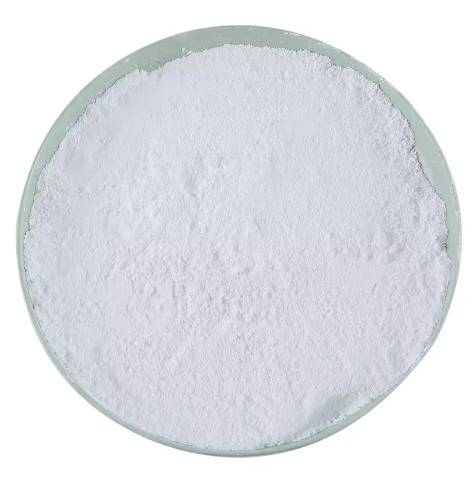
Benefits:
- Improves Transparency: Zinc oxide improves the transparency and brightness of glass. This improved transparency is crucial for applications requiring high optical quality.
- Enhances UV Protection: Provides UV protection to glass products, making them more durable and resistant to ultraviolet radiation.
- Antimicrobial Properties: Zinc oxide has natural antimicrobial properties, which can be beneficial in certain glass applications.
Applications:
- Specialty Glasses: Used in the production of specialty glasses for electronics and UV protection. Zinc oxide enhances the performance and durability of these products.
- Ceramic Glazes: Employed in ceramic glazes to improve their appearance and durability. Zinc oxide helps to produce smooth, bright glazes that are resistant to wear and damage.
- Optical Coatings: Used in coatings for lenses and other optical components to enhance their clarity and protect against UV radiation.
10. Barium Oxide (BaO)
Benefits:
- Increases Brightness: Barium oxide increases the brightness and luster of glass. This increased brightness is important for producing glass with high aesthetic and optical quality.
- Enhances Refractive Index: Improves the refractive index, enhancing the optical properties of glass. This increased refractive index is crucial for applications requiring precise optical performance.
- Reduces Coefficient of Expansion: Barium oxide reduces the coefficient of thermal expansion, making the glass more resistant to temperature changes.
Applications:
- Optical Glass: Used in the production of high-refractive-index
Conclusion - Top 10 Chemicals in Glass Manufacturing
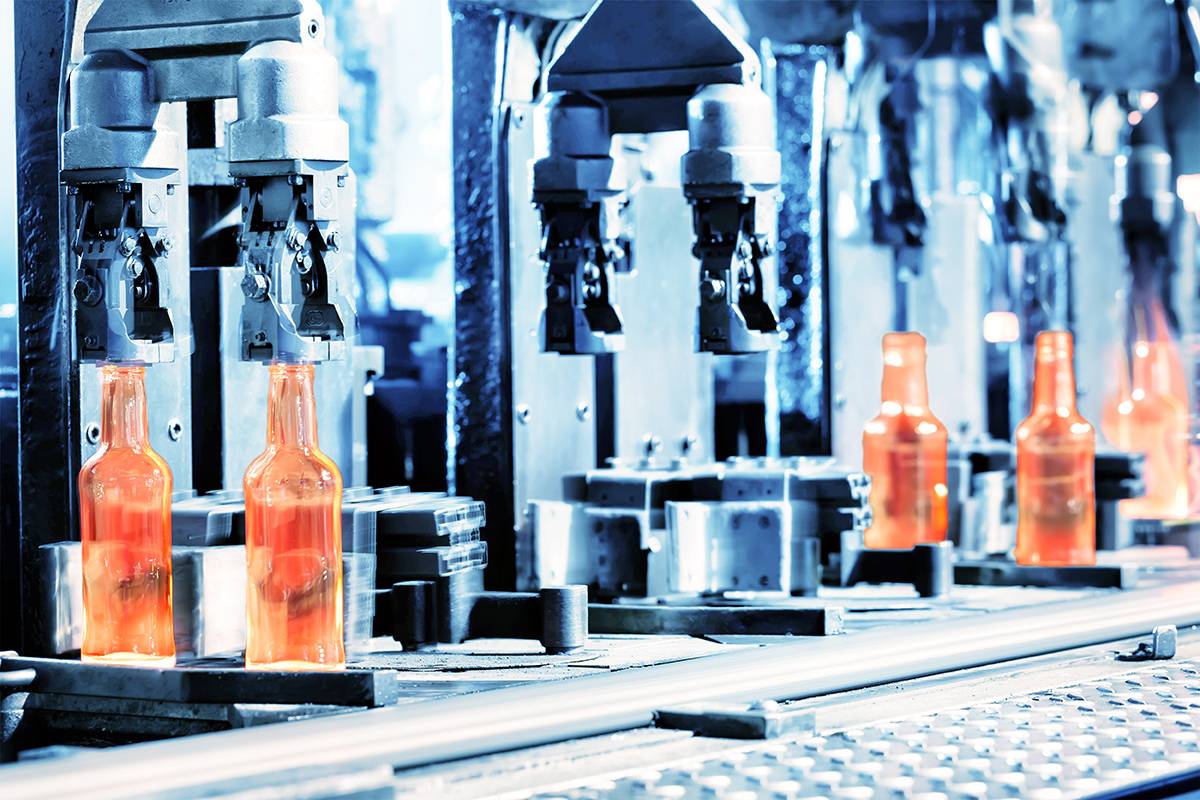
The effective use of these chemicals ensures the production of high-quality glass with desired properties such as transparency, durability, and specific functional characteristics. By employing the right chemicals and processes, the glass industry can meet the diverse needs of consumers and maintain high standards of performance and safety.
How can we help you with your chemical requirements?
✅ Are you a company of 11 - 50 people?
✅ Do you use more than 1000 tons of industrial chemicals per year?
✅ Do you spend too much time finding the right chemical manufacturers?
✅ Are you unsure each time whether you will get the right grade of chemical?
If your answer is YES, Reduce Your Chemical Sourcing Headaches, Contact Us Now for a FREE Consultation and Samples Offer
✅Camachem: Quality Chemicals. Every Single Time✅
-
What is the Difference Between Caustic Soda Pearls and Caustic Soda Flakes? (2026 Update)
June 8, 2026
-
Top 10 Caustic Soda Suppliers in Australia [2026]
 June 8, 2026
 -
Frequently Asked Question about Phosphoric Acid
June 8, 2026
-
Zinc Chloride: 5 Hazards and Safety Measures You Need To Know
June 4, 2026
-
10 Things I Need To Know About Zinc Chloride (2026 Update)
June 4, 2026