
 Arabic
 English
 Indonesia
 Portuguese
 Russian
 Spanish
 Vietnamese
 +86-157-2476-6919
Top 10 Chemicals Used in Water Treatment

Water treatment is a crucial process to ensure the safety and quality of water for drinking, industrial, and environmental uses. Here are the top 10 chemicals commonly used in water treatment, along with their benefits and applications.
Top 10 Chemicals Used in Water Treatment
| 1 | Chlorine |
| 2 | Alum (Aluminum Sulfate) |
| 3 | Sodium Hypochlorite |
| 4 | Lime (Calcium Oxide) |
| 5 | Ferric Chloride |
| 6 | Sodium Hydroxide (Caustic Soda) |
| 7 | Activated Carbon |
| 8 | Polyphosphates |
| 9 | Hydrogen Peroxide |
| 10 | Ozone |
Here’s a detailed look at the top 10 chemicals used in water treatment and we will discuss their benefits and applications.
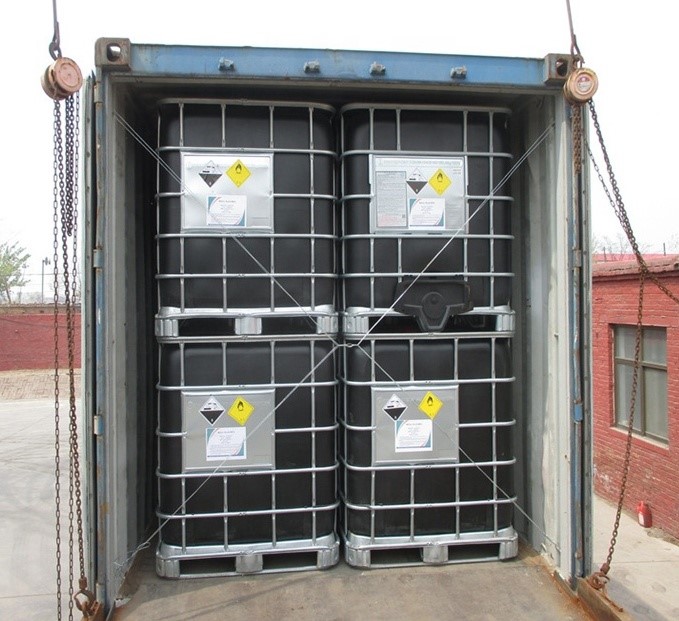
1. Chlorine

Chlorine is one of the most widely used disinfectants in water treatment. It effectively kills a broad spectrum of pathogens, ensuring that water is safe for human consumption and industrial use. In addition to disinfection, chlorine is also used to oxidize iron, manganese, and hydrogen sulfide, facilitating their removal from water.
Benefits:
- Effective Disinfection: Chlorine’s powerful disinfecting properties ensure the elimination of harmful microorganisms, reducing the risk of waterborne diseases.
- Oxidation of Contaminants: Chlorine oxidizes various impurities, making them easier to filter out or precipitate.
Applications:
- Municipal Water Treatment: Chlorine is added to public water supplies to ensure the safety of drinking water by eliminating pathogens and preventing disease outbreaks.
- Swimming Pools: Chlorine is used to maintain clean and safe water in swimming pools by controlling the growth of algae and bacteria.
- Industrial Water Systems: In industrial settings, chlorine is used to control microbial growth in cooling towers and other water systems, ensuring efficient operation and preventing biofouling.
2. Alum (Aluminum Sulfate)
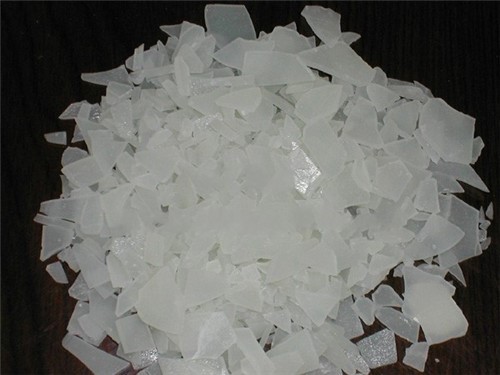
Alum is primarily used as a coagulant in water treatment processes. It helps to aggregate suspended particles, making them larger and easier to remove through sedimentation or filtration.
Benefits:
- Coagulation and Flocculation: Alum helps to coagulate fine particles, improving the clarity of water and making it easier to filter.
- Reduction of Turbidity: By aggregating particles, alum effectively reduces turbidity, resulting in clearer water.
Applications:
- Drinking Water Treatment: Alum is used in the clarification process to remove suspended solids and reduce turbidity, ensuring safe and clean drinking water.
- Wastewater Treatment: Alum aids in the removal of pollutants from industrial and municipal wastewater, enhancing the overall treatment efficiency.
- Paper Manufacturing: In the paper industry, alum is utilized to clarify water used in the production process, ensuring high-quality paper products.
3. Sodium Hypochlorite

Sodium hypochlorite is a versatile chemical used for disinfection and bleaching. It is commonly used to disinfect water and treat wastewater, ensuring the safety and quality of treated water.
Benefits:
- Powerful Disinfection: Sodium hypochlorite is effective in killing bacteria, viruses, and fungi, ensuring the safety of treated water.
- Oxidation of Contaminants: It oxidizes various impurities, facilitating their removal from water.
Applications:
- Drinking Water Treatment: Sodium hypochlorite is used to disinfect potable water, ensuring it is safe for human consumption.
- Wastewater Treatment: It helps in reducing microbial contamination in treated wastewater, ensuring compliance with environmental standards.
- Household Bleach: Sodium hypochlorite is widely used in household cleaning products for its disinfecting and bleaching properties.
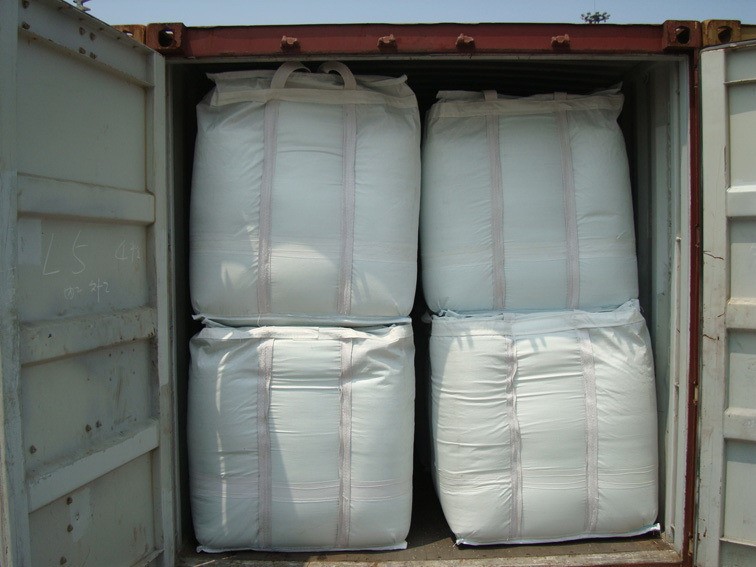
4. Lime (Calcium Oxide)

Lime is used to adjust the pH of water, making it more alkaline. It also aids in water softening by precipitating calcium and magnesium, reducing water hardness.
Benefits:
- pH Adjustment: Lime is used to increase the pH of acidic water, thereby neutralizing acidity and stabilizing the water chemistry. This is essential to ensure that water remains within acceptable pH ranges for various applications.
- Water Softening: In addition to pH adjustment, lime is effective in water softening processes. It precipitates calcium and magnesium ions from hard water, converting them into insoluble forms that can be easily removed through filtration or sedimentation.
Applications:
- Drinking Water Treatment: Lime is commonly used in drinking water treatment plants to raise the pH of acidic water sources. This helps in preventing corrosion of distribution pipes and ensures that the water is less corrosive to plumbing fixtures and appliances.
- Industrial Water Treatment: Industries utilize lime for pH control in process water and wastewater treatment. It is also used in boiler feed water to prevent scaling caused by calcium and magnesium ions.
- Wastewater Treatment: Lime is employed in wastewater treatment to adjust pH levels and facilitate the precipitation of metals and phosphates, aiding in the removal of pollutants from wastewater streams.
5. Ferric Chloride

Ferric chloride is a chemical compound used primarily as a coagulant and flocculant in water treatment processes.
Benefits:
- Coagulation and Flocculation: Ferric chloride is highly effective in coagulating suspended particles and colloids present in water. It destabilizes particles by neutralizing their surface charges, allowing them to agglomerate and form larger, denser flocs.
- Heavy Metal Removal: It facilitates the removal of heavy metals such as arsenic, lead, and chromium from water through precipitation and adsorption mechanisms.
- Odor Control: Ferric chloride also aids in reducing unpleasant odors caused by hydrogen sulfide and organic compounds in water.
Applications:
- Municipal Water Treatment: Ferric chloride is extensively used in municipal water treatment plants for the clarification of raw water, removal of turbidity, and reduction of heavy metal concentrations.
- Industrial Water Treatment: Industries utilize ferric chloride for wastewater treatment, particularly in processes where the removal of specific pollutants like heavy metals is required.
- Potable Water Production: In the production of potable water, ferric chloride ensures that treated water meets regulatory standards by effectively removing contaminants and improving water quality.
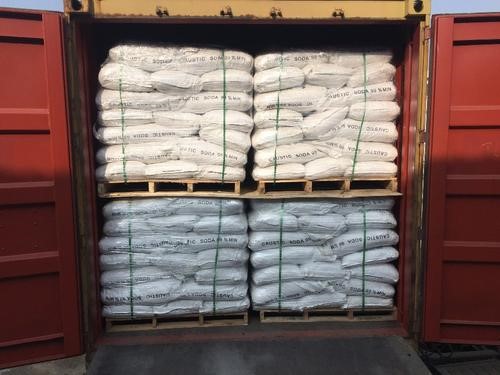
6. Sodium Hydroxide (Caustic Soda)

Sodium hydroxide, commonly known as caustic soda, is a strong base used in water treatment primarily for pH adjustment and chemical precipitation.
Benefits:
- pH Adjustment: Caustic soda is utilized to increase the pH of acidic water and neutralize acidity. This is crucial to maintain proper water chemistry and prevent corrosion of distribution pipes and equipment.
- Chemical Precipitation: It facilitates the precipitation of metals such as iron, manganese, and heavy metals from water, allowing their removal through filtration or sedimentation processes.
- Neutralization: Caustic soda neutralizes acidic wastewater and industrial effluents, making them less harmful to the environment.
Applications:
- Drinking Water Treatment: Sodium hydroxide is employed in drinking water treatment plants to adjust pH levels and control corrosion in distribution systems. It also aids in the removal of dissolved metals and contaminants.
- Industrial Water Treatment: In industrial applications, caustic soda is used for pH control in various processes, including metal finishing, food processing, and chemical manufacturing.
- Wastewater Treatment: Caustic soda is an integral part of wastewater treatment processes, where it helps in the precipitation of phosphates, neutralization of acidic wastewater, and enhancement of biological treatment efficiency.
7. Activated Carbon
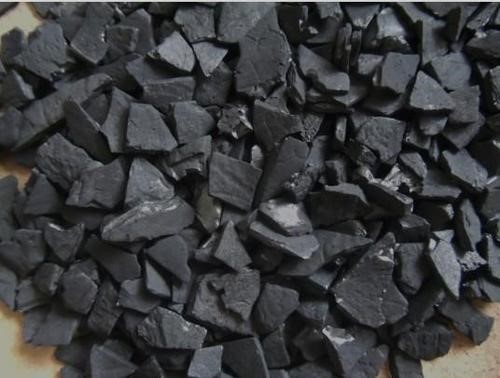
Activated carbon is a versatile adsorbent used in water treatment for the removal of organic contaminants, chlorine, and other impurities.
Benefits:
- Adsorption Capacity: Activated carbon has a high surface area and pore structure that enables it to adsorb a wide range of organic compounds, pesticides, and disinfection by-products from water.
- Taste and Odor Removal: It effectively removes taste, odor, and color-causing compounds, enhancing the aesthetic quality of treated water.
- Chlorine Removal: Activated carbon filters are used to remove chlorine and chloramines from water, making it suitable for drinking and other applications.
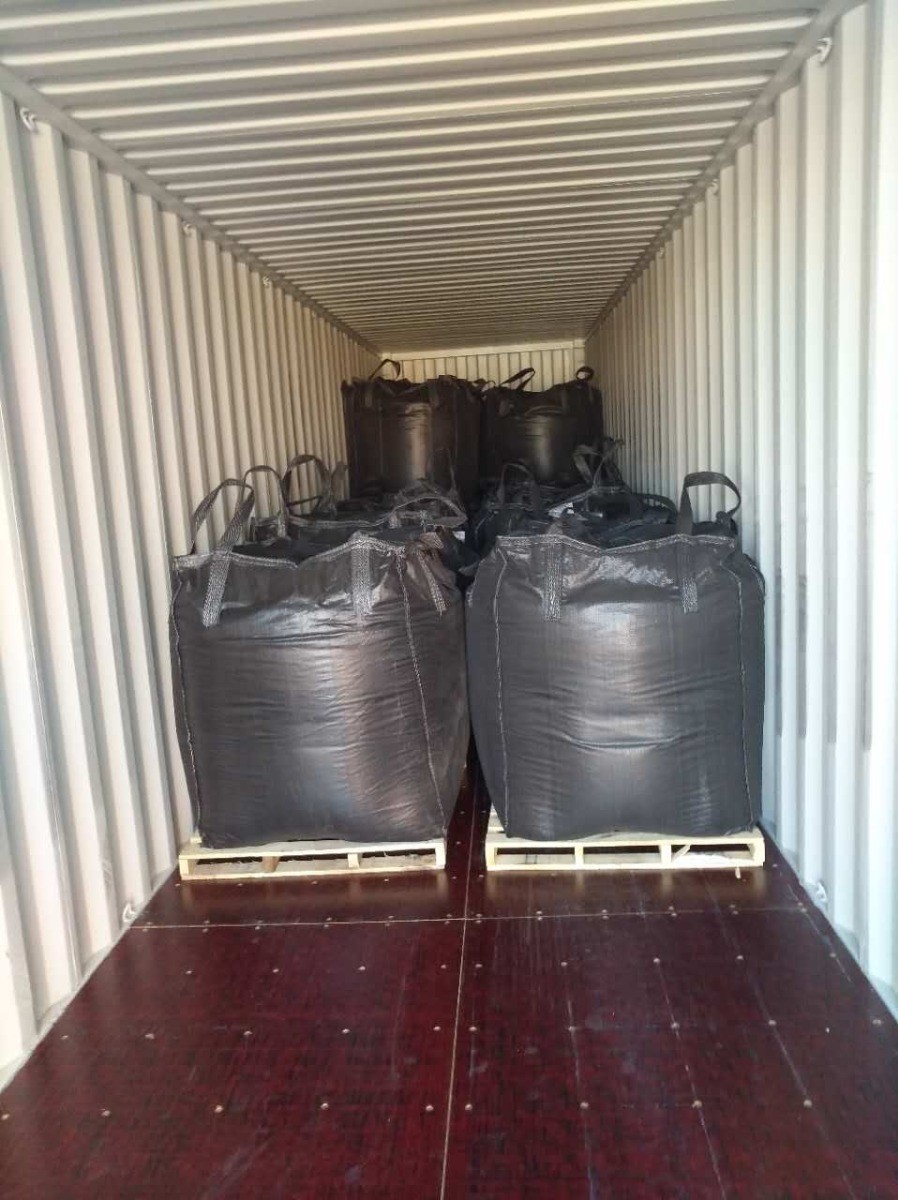
Applications:
- Drinking Water Treatment: Activated carbon is used in point-of-use and point-of-entry water filtration systems to improve taste, odor, and overall water quality. It is also used in municipal water treatment plants for the removal of organic contaminants.
- Wastewater Treatment: Activated carbon plays a critical role in treating industrial wastewater by adsorbing organic pollutants and hazardous chemicals before discharge.
- Air Purification: In addition to water treatment, activated carbon is used in air purification systems to remove volatile organic compounds (VOCs), odors, and airborne contaminants.
8. Polyphosphates
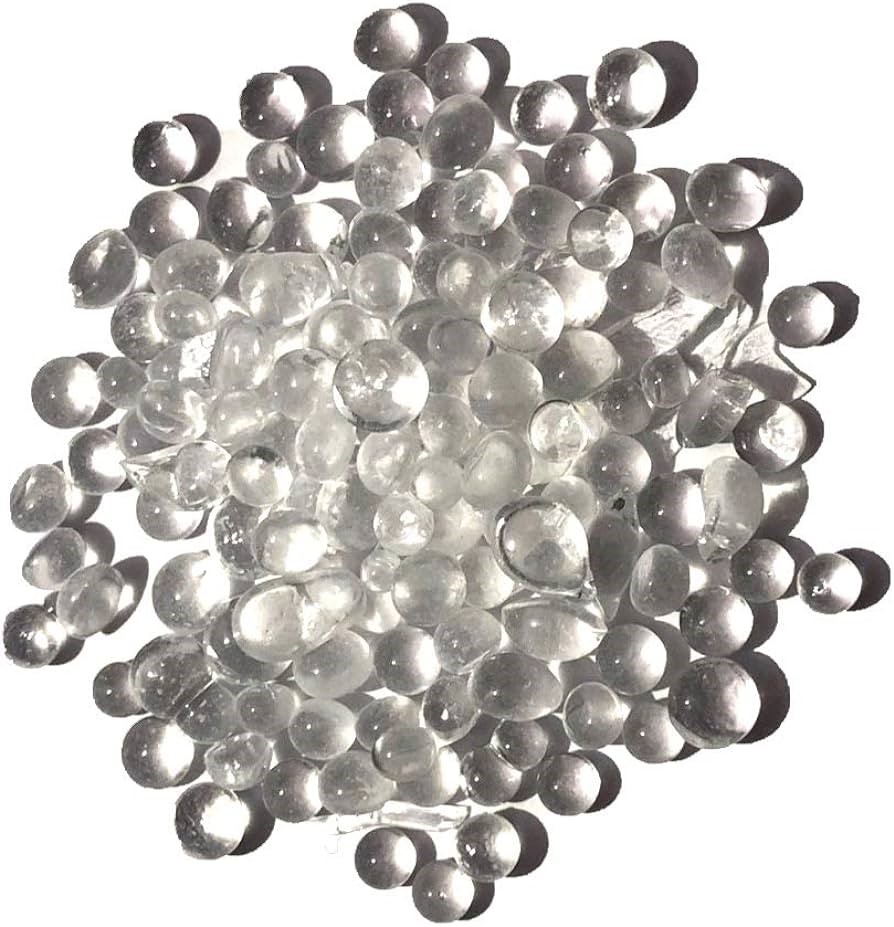
Polyphosphates are a group of chemicals used primarily for scale inhibition and corrosion control in water systems.
Benefits:
- Scale Inhibition: Polyphosphates prevent the formation of scale deposits in pipes, boilers, and heat exchangers by sequestering hardness ions such as calcium and magnesium.
- Corrosion Control: They form a protective film on metal surfaces, inhibiting corrosion caused by dissolved oxygen and acidic conditions in water.
Applications:
- Industrial Water Treatment: Polyphosphates are widely used in industrial settings to prevent scale formation in cooling towers, boilers, and process water systems. They help in maintaining system efficiency and prolonging equipment life.
- Potable Water Treatment: In municipal water treatment, polyphosphates are added to prevent scale buildup in distribution pipes and reduce the potential for corrosion.
- Household Applications: Polyphosphates are used in residential water softeners and water conditioners to protect plumbing fixtures and appliances from scale and corrosion.
9. Hydrogen Peroxide

Hydrogen peroxide is a strong oxidizing agent used for disinfection, oxidation of contaminants, and wastewater treatment.
Benefits:
- Disinfection: Hydrogen peroxide effectively kills bacteria, viruses, and other pathogens in water, making it safe for drinking and recreational use.
- Oxidation: It oxidizes organic and inorganic contaminants such as hydrogen sulfide, iron, and manganese, facilitating their removal from water.
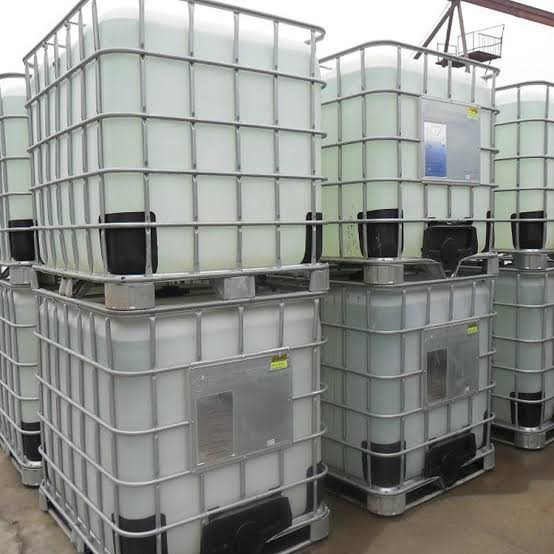
Applications:
- Drinking Water Treatment: Hydrogen peroxide is used as an alternative disinfectant in drinking water treatment plants, particularly where chlorine-resistant pathogens are present. It also aids in oxidizing taste and odor-causing compounds.
- Wastewater Treatment: In wastewater treatment, hydrogen peroxide helps in reducing biochemical oxygen demand (BOD) and chemical oxygen demand (COD) by oxidizing organic pollutants. It also enhances the efficiency of biological treatment processes.
- Industrial Applications: Hydrogen peroxide is utilized in various industrial processes for chemical synthesis, bleaching, and effluent treatment to improve water quality and environmental compliance.
10. Ozone
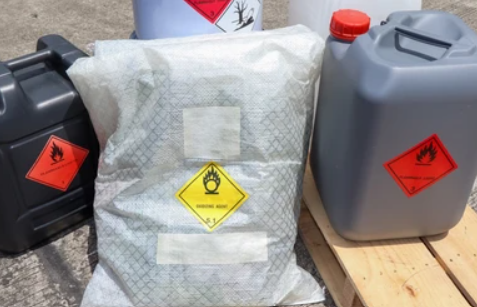
Ozone is a powerful oxidizing agent used for disinfection, oxidation of contaminants, and odor removal in water treatment.
Benefits:
- Disinfection: Ozone is highly effective in killing bacteria, viruses, and other microorganisms in water, providing a reliable barrier against waterborne diseases.
- Oxidation: It oxidizes organic and inorganic compounds, eliminating taste, odor, and color-causing substances from water.
Applications:
- Drinking Water Treatment: Ozone is used as a primary disinfectant or as a secondary disinfection step in drinking water treatment plants. It improves water quality by reducing the concentration of disinfection by-products (DBPs) formed during chlorination.
- Wastewater Treatment: Ozone is applied in wastewater treatment for the removal of organic pollutants, pathogens, and refractory compounds. It enhances the overall treatment efficiency and meets stringent discharge standards.
- Aquaculture: Ozone is used in fish farming and aquaculture to maintain water quality, control pathogens, and improve fish health.
Conclusion - Top 10 Chemicals Used in Water Treatment

The effective treatment of water involves a combination of chemical processes aimed at ensuring its safety, quality, and compliance with regulatory standards. Each chemical used in water treatment plays a specific role, whether it's disinfection, coagulation, pH adjustment, oxidation, or removal of contaminants.
By employing the right chemicals and treatment strategies, water treatment professionals can address diverse water quality challenges and ensure access to clean, safe, and sustainable water resources for communities worldwide.
How can we help you with your chemical requirements?
✅ Are you a company of 11 - 50 people?
✅ Do you use more than 1000 tons of industrial chemicals per year?
✅ Do you spend too much time finding the right chemical manufacturers?
✅ Are you unsure each time whether you will get the right grade of chemical?
If your answer is YES, Reduce Your Chemical Sourcing Headaches, Contact Us Now for a FREE Consultation and Samples Offer
✅Camachem: Quality Chemicals. Every Single Time✅
-
What is the Difference Between Caustic Soda Pearls and Caustic Soda Flakes? (2026 Update)
June 8, 2026
-
Top 10 Caustic Soda Suppliers in Australia [2026]
 June 8, 2026
 -
Frequently Asked Question about Phosphoric Acid
June 8, 2026
-
Zinc Chloride: 5 Hazards and Safety Measures You Need To Know
June 4, 2026
-
10 Things I Need To Know About Zinc Chloride (2026 Update)
June 4, 2026