
 Arabic
 English
 Indonesia
 Portuguese
 Russian
 Spanish
 Vietnamese
 +86-157-2476-6919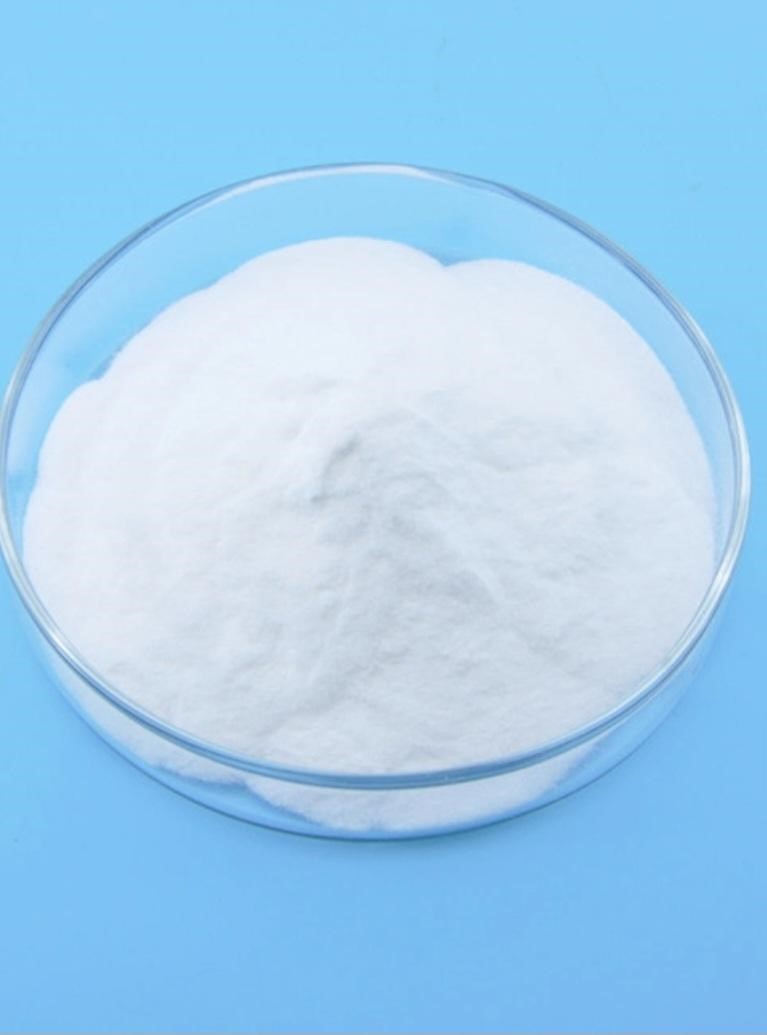
Dihydroxypryimidine
Other Trading Names:
- Pyrimidine-2,4-diol
- 2,4-Dihydroxy-1,3-diazine
CAS Number: 1193-24-4
HS Code: 293359
Types of Packaging:
- 25 Kg PP Woven Bag
- 100 Kg Metal Drum
Inquiry
 $100,00
$100,00
Availability:
In stock
SKU
Dihydroxypryimidine
|
Appearance |
White Powder |
|
Chromaticity |
≤100 |
|
Moisture |
≤0.8 |
|
Assay |
≥99 |
Chemical Description
- Dihydroxypyrimidine, also known as 2,4-dihydroxypyrimidine or dihydropyrimidin-2(1H)-one, is an organic compound with the chemical formula C4H4N2O2.
- It is a colorless crystalline solid that is soluble in water and ethanol.
- The compound consists of a pyrimidine ring with two hydroxyl (-OH) groups attached at the 2 and 4 positions.
- Dihydroxypyrimidine is typically synthesized through the condensation reaction between urea and glyoxylic acid or its derivatives.
- Its versatile chemical properties make it suitable for various industrial applications across multiple sectors.
- In the pharmaceutical industry, dihydroxypyrimidine serves as a key intermediate in the synthesis of pharmaceutical compounds, including antiviral and anticancer agents.
- In the chemical industry, it finds applications as a building block for the synthesis of heterocyclic compounds and specialty chemicals.
- Dihydroxypyrimidine may also be used in cosmetics formulations, where it functions as a skin conditioning agent or an ingredient in hair care products.
- Its role in agriculture includes applications as a plant growth regulator or as a precursor for the synthesis of agrochemicals.
- In food processing, dihydroxypyrimidine may be employed as an additive or flavoring agent in certain food products.
- The compound is also utilized in research laboratories for various scientific investigations and experiments.
- Proper handling and storage of dihydroxypyrimidine is essential to maintain its stability and ensure its efficacy in industrial applications.
- Dihydroxypyrimidine is a valuable chemical compound with diverse industrial applications, contributing to the advancement of various technological and manufacturing processes.
- The compound consists of a pyrimidine ring with two hydroxyl (-OH) groups attached at the 2 and 4 positions, giving it its characteristic structure and chemical properties.
- Dihydroxypyrimidine is typically synthesized through the condensation reaction between urea and glyoxylic acid or its derivatives, resulting in the formation of dihydroxypyrimidine along with water as a by-product.
- Its versatility extends to applications in the pharmaceutical industry, where it serves as a key intermediate in the synthesis of pharmaceutical compounds, including antiviral and anticancer agents.
Write Your Own Review
X