
 Arabic
 English
 Indonesia
 Portuguese
 Russian
 Spanish
 Vietnamese
 +86-157-2476-6919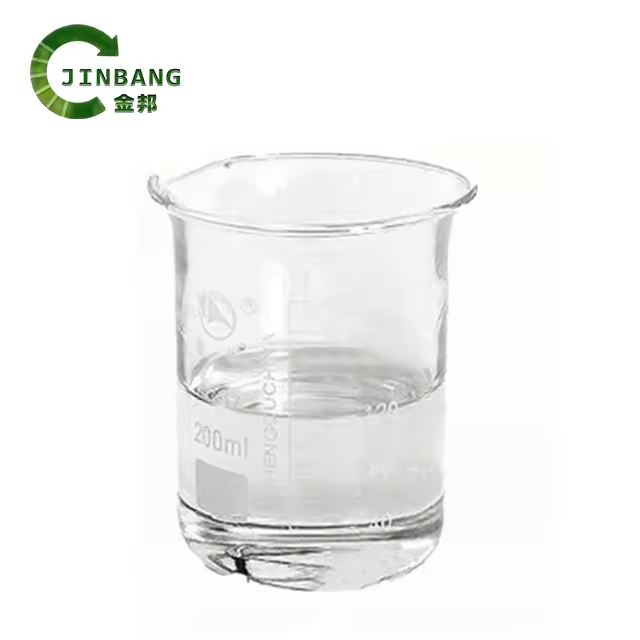
Dioctyl Phthalate
Other Trading Names:
- DOP
CAS Number: 117-84-0
HS Code: 29173200
Types of Packaging:
- 200kg/drum
Inquiry
 $100,00
$100,00
Availability:
In stock
SKU
Dioctyl Phthalate
|
Appearance |
Colorless Clear |
|
Color, Pt-Co |
≤ 30 |
|
Purity |
≥ 99.5 % |
|
Density at 20℃ |
0.982 - 0.988 g/cm³ |
|
Acid Value (by phthalic acid) |
≤ 0.01 % |
|
Flash point |
≥ 196 ℃ |
|
Moisture Content |
≤ 0.1 % |
|
Volume resistivity |
≥ 1.0 |
Chemical Description
- Dioctyl phthalate (DOP) is a colorless, odorless, oily liquid commonly used as a plasticizer.
- The chemical formula of Dioctyl phthalate is C24H38O4.
- It is an ester of phthalic acid and 2-ethylhexanol.
- The molecular weight of Dioctyl phthalate is 390.56 g/mol.
- Its IUPAC name is Bis(2-ethylhexyl) phthalate.
- Dioctyl phthalate has a boiling point of 386°C (727°F).
- The melting point of Dioctyl phthalate is −50°C (−58°F).
- It has a density of approximately 0.98 g/cm³ at 20°C.
- Dioctyl phthalate is insoluble in water but soluble in organic solvents such as ethanol, ether, and benzene.
- This compound is used primarily as a plasticizer for polyvinyl chloride (PVC) to enhance its flexibility and durability.
- It is also utilized in the manufacturing of flooring, wall coverings, cables, and automotive interiors.
- Dioctyl phthalate is added to paints, lacquers, and varnishes to improve their spreadability and resistance to wear.
- It is used in the production of adhesives and sealants to provide flexibility.
- The compound finds applications in the medical industry for making blood bags, IV tubes, and other flexible medical devices.
- Dioctyl phthalate has been used in personal care products, such as nail polish, to increase the durability and flexibility of the product.
- Its use in consumer products has raised health concerns due to potential leaching and exposure.
- Dioctyl phthalate is known to be an endocrine disruptor, potentially affecting hormonal balance in humans and wildlife.
- It has been classified as a probable human carcinogen by several health organizations.
- Regulations on Dioctyl phthalate use have been implemented in various countries to limit exposure and protect health.
- Alternative plasticizers, such as diisononyl phthalate (DINP) and diisodecyl phthalate (DIDP), are being explored and used as substitutes.
- The environmental impact of Dioctyl phthalate is significant due to its persistence and potential bioaccumulation.
- Research is ongoing to develop safer and more environmentally friendly plasticizers for industrial applications.
- Proper handling and disposal of Dioctyl phthalate are crucial to minimize environmental contamination.
- Safety measures include using personal protective equipment (PPE) when handling the chemical to prevent skin contact and inhalation.
- Workers in industries using Dioctyl phthalate should follow guidelines and regulations to ensure occupational safety.
- Despite its widespread use, the push towards sustainable and safer alternatives continues to grow.
Write Your Own Review
X