
 Arabic
 English
 Indonesia
 Portuguese
 Russian
 Spanish
 Vietnamese
 +86-157-2476-6919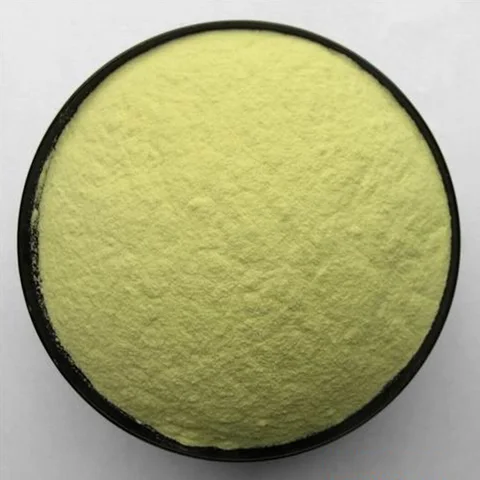
Potassium Ferrocyanide
Other Trading Names:
- Potassium Hexacyanoferrate(II)
- Potassium Hexacyanoferrate
- Potassium Hexacyanoiron(II)
- Yellow Prussiate of Potash
- E536 (European food additive code)
CAS Number: 13943-58-3
HS Code: 28371000
Types of Packaging:
- 25 Kg/ Woven Bag
- 180 Kg/ Fiber Drum
Inquiry
 $100,00
$100,00
Availability:
In stock
SKU
Potassium Ferrocyanide
|
Molecular Formula |
C6N6FeK3 |
|
Color |
Pale yellow |
|
Form |
Crystalline powder |
|
Purity |
99% min |
|
Solubility |
Soluble in water |
|
Molecular Weight |
368.35 g/mol |
|
Density |
1.85 g/cm³ |
|
pH |
6-8 |
|
Moisture |
0.5% max |
|
Iron Content |
0.01% max |
|
Heavy Metals |
0.001% max |
|
Insoluble Matter |
0.01% max |
|
Melting Point |
70-80°C |
Chemical Description
- Potassium Ferrocyanide, known as potassium hexacyanoferrate(II), has the chemical formula C6N6FeK3.
- It's a pale yellow, crystalline solid, odorless and non-toxic, with high water solubility.
- Industrially produced through a reaction between potassium cyanide and ferrous sulfate, followed by oxidation.
- Used as a precursor for other potassium cyanide compounds and as a complexing agent in various chemical processes.
- Also utilized in analytical chemistry to detect iron ions in solution and in the food industry as a food additive (E number E536).
- Considered safe within regulatory limits, but proper handling and storage are essential.
- Potassium Ferrocyanide's coordination chemistry allows stable complexes with various metal ions, finding applications in catalysis, materials science, and bioinorganic chemistry.
- Apart from blue printing, it's used in photography for toning and developing, contributing to dye and pigment formation.
- Electrochemical studies show promise in energy storage, sensors, and electrocatalysis.
- In wastewater treatment, it's used to precipitate heavy metals and optimize metal removal processes.
- While not combustible, cautious handling is necessary to prevent exposure to toxic cyanide gases.
- Its versatility spans industrial sectors, from dyeing and printing to cutting-edge materials science and environmental applications.
- Potassium Ferrocyanide's synthesis involves the reaction between potassium cyanide and ferrous sulfate, followed by oxidation, which was first documented in 1704 by German chemist Johann Conrad Dippel.
- In addition to its use in toning and developing photographs, Potassium Ferrocyanide is also employed in lithography and photoengraving techniques.
- Potassium Ferrocyanide's ability to form insoluble complexes with certain metal ions has led to its use in analytical chemistry for the detection and quantification of metal ions in solution.
- The compound's applications extend beyond traditional industries, with emerging uses in nanotechnology and biomedical research, where its unique properties are harnessed for drug delivery and imaging purposes.
- Research into Potassium Ferrocyanide's potential as a catalyst for organic transformations and green chemistry applications is ongoing, highlighting its importance in sustainable chemical processes.
- Despite its widespread use, efforts are underway to monitor Potassium Ferrocyanide's environmental impact and develop eco-friendly alternatives and improve waste management practices.
Write Your Own Review
X