
 Arabic
 English
 French
 Portuguese
 Russian
 Spanish
 Vietnamese
 +86-157-2476-6919
Top 10 Chemicals in Renewable Energy

Renewable energy is rapidly becoming a cornerstone of sustainable development. Central to this transformation are various compound chemicals that enable the efficient harnessing, storage, and conversion of renewable resources.
Here are the top 10 compound chemicals that play a crucial role in renewable energy technologies.
Top 10 Chemicals in Renewable Energy
- Lithium Cobalt Oxide (LiCoO2)
- Nickel-Manganese-Cobalt (NMC)
- Silicon Carbide (SiC)
- Perovskite (ABX3)
- Cadmium Telluride (CdTe)
- Polyvinylidene Fluoride (PVDF)
- Sulfuric Acid (H2SO4)
- Ammonium Bifluoride (NH4HF2)
- Ethylene Carbonate (C3H4O3)
- Sodium Sulfate (Na2SO4)
1. Lithium Cobalt Oxide (LiCoO2)
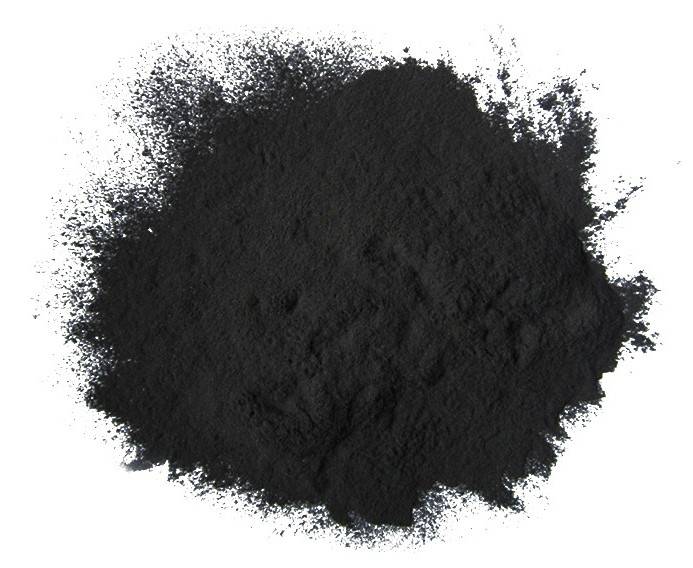
- High Energy Density: Lithium cobalt oxide (LiCoO2) provides a high energy density, meaning it can store a large amount of energy relative to its size and weight. This is crucial for applications where space and weight are limited, such as in portable electronics and electric vehicles.
- Long Cycle Life: LiCoO2 batteries have a long cycle life, meaning they can be charged and discharged many times without significant degradation. This makes them ideal for applications that require frequent cycling, such as in renewable energy storage systems.
Applications:
- Portable Electronics: LiCoO2 is widely used in lithium-ion batteries for devices such as smartphones, laptops, and tablets. The high energy density allows these devices to be lightweight and compact while still providing long battery life.
- Electric Vehicles (EVs): In EVs, the long cycle life of LiCoO2 batteries ensures that they can withstand the demands of daily use over many years, providing reliable and efficient power storage.
- Renewable Energy Storage: LiCoO2 batteries are used in energy storage systems to store excess energy generated by renewable sources such as solar and wind. This stored energy can then be used when production is low, ensuring a stable and reliable supply of renewable energy.
2. Nickel-Manganese-Cobalt (NMC)
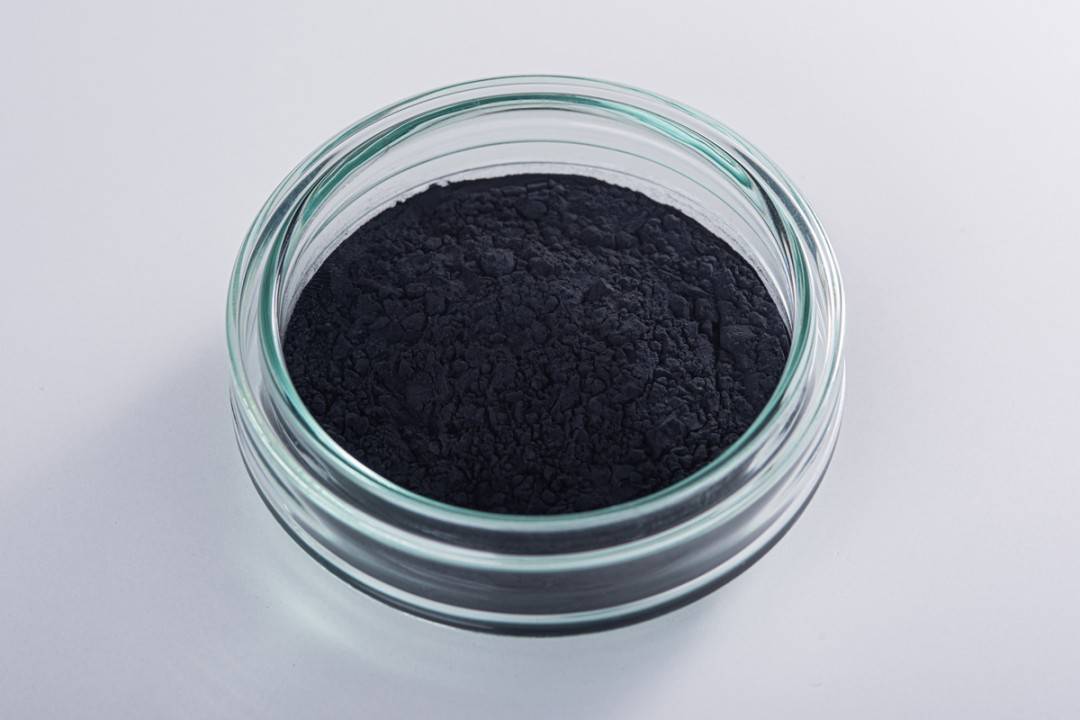
- High Specific Energy: NMC batteries offer high specific energy, which is essential for applications requiring lightweight and compact energy storage solutions, such as electric vehicles and portable electronics.
- Balanced Performance: NMC combines the advantages of nickel, manganese, and cobalt to offer a balance of power, safety, and longevity. This balance makes NMC batteries versatile and suitable for a wide range of applications.
Applications:
- Electric Vehicles: NMC batteries are extensively used in EVs due to their high specific energy and balanced performance. They provide the necessary power and range for electric cars while ensuring safety and longevity.
- Energy Storage Systems: In renewable energy storage systems, NMC batteries store excess energy from solar and wind power for later use. This helps in maintaining a consistent energy supply and reducing reliance on fossil fuels.
- Portable Electronics: The high specific energy of NMC batteries makes them suitable for use in portable electronic devices, providing long battery life and reliable performance.
3. Silicon Carbide (SiC)

- High Thermal Conductivity: Silicon carbide has excellent thermal conductivity, which allows it to efficiently dissipate heat. This property is crucial in power electronics, where high temperatures can reduce efficiency and damage components.
- Low Power Loss: SiC devices exhibit low power loss during operation, making them highly efficient. This efficiency is important for applications in renewable energy systems where maximizing energy conversion is essential.
Applications:
- Power Electronics: SiC is used in power electronics such as inverters and converters, which are essential components in solar and wind energy systems. These devices convert the direct current (DC) generated by solar panels and wind turbines into alternating current (AC) for use in homes and businesses.
- Electric Vehicles: In EVs, SiC power electronics enhance the efficiency of the vehicle's powertrain, increasing the range and reducing the energy consumption of the vehicle.
- Wind Turbine Systems: SiC components are used in wind turbine systems to manage the power generated by the turbines. The high efficiency and thermal conductivity of SiC improve the overall performance and reliability of these systems.
4. Perovskite (ABX3)
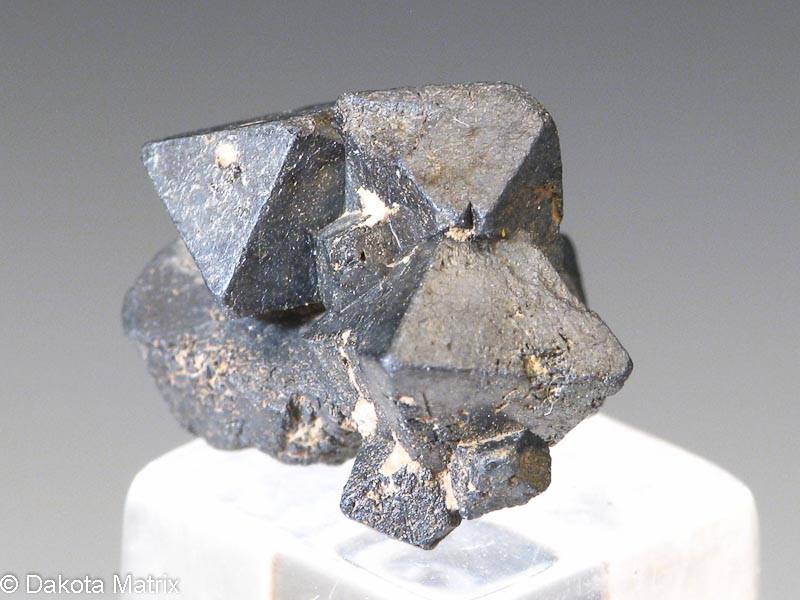
- High Light Absorption: Perovskite materials have excellent light absorption properties, allowing them to efficiently convert sunlight into electricity. This high efficiency is critical for improving the performance of solar cells.
- Versatile Material Properties: Perovskites can be engineered to have various properties, making them suitable for a range of applications beyond solar cells, including light-emitting diodes (LEDs) and sensors.
Applications:
- Solar Cells: Perovskite solar cells are emerging as a highly efficient and cost-effective alternative to traditional silicon-based solar cells. They offer high efficiency and can be produced using simpler and cheaper manufacturing processes.
- LEDs: Perovskite materials are used in the production of LEDs, providing high brightness and efficiency. This application is still in development but has the potential to revolutionize lighting technology.
- Sensors: The versatile properties of perovskites make them suitable for use in various sensors, including those used in renewable energy systems to monitor and optimize performance.
5. Cadmium Telluride (CdTe)
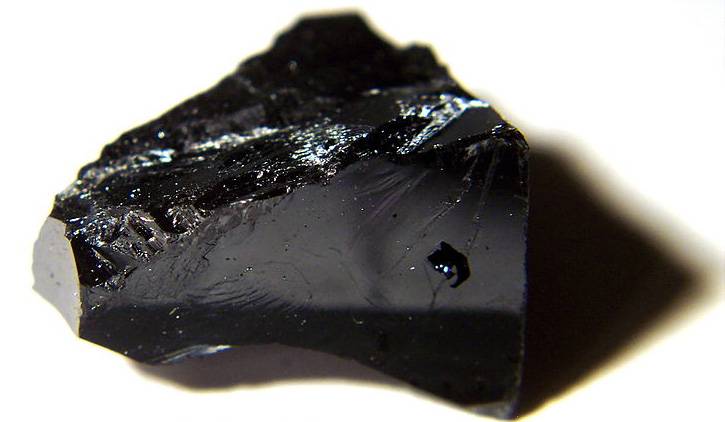
- High Efficiency: Cadmium telluride (CdTe) is known for its high efficiency in converting sunlight into electricity. This efficiency is critical for maximizing the energy output of solar panels.
- Low Production Cost: CdTe solar panels are relatively inexpensive to produce compared to other types of solar panels. This low cost makes solar energy more accessible and affordable.
Applications:
- Thin-Film Solar Panels: CdTe is used in thin-film solar panels, which are lighter and more flexible than traditional silicon solar panels. These panels can be installed on a variety of surfaces, including roofs and walls, making them versatile and easy to deploy.
- Large-Scale Solar Farms: Due to their high efficiency and low cost, CdTe solar panels are often used in large-scale solar farms to generate electricity for the grid. These farms contribute significantly to the renewable energy supply.
- Building-Integrated Photovoltaics (BIPV): CdTe solar panels can be integrated into building materials such as windows and facades, allowing buildings to generate their own electricity and reduce their reliance on the grid.
6. Polyvinylidene Fluoride (PVDF)
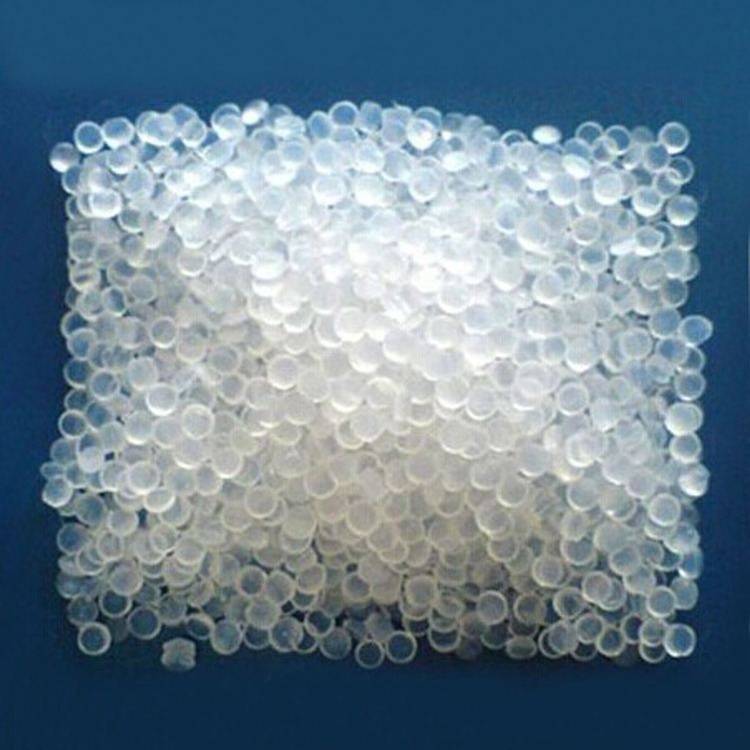
- High Electrochemical Stability: PVDF exhibits high electrochemical stability, making it suitable for use in harsh environments such as those encountered in batteries and energy storage systems.
- Excellent Thermal Properties: PVDF has excellent thermal properties, allowing it to withstand high temperatures without degrading. This makes it ideal for use in applications where thermal stability is crucial.
Applications:
- Battery Separators: PVDF is used as a binder in the production of battery separators, which are critical components in lithium-ion batteries. These separators ensure the safe and efficient operation of the batteries by preventing short circuits.
- Solar Panels: PVDF coatings are applied to solar panels to protect them from environmental factors such as UV radiation, moisture, and temperature fluctuations. This extends the lifespan and improves the performance of the panels.
- Fuel Cells: In fuel cells, PVDF is used as a membrane material, providing excellent chemical and thermal stability. This enhances the efficiency and durability of fuel cells used in renewable energy systems.
7. Sulfuric Acid (H2SO4)
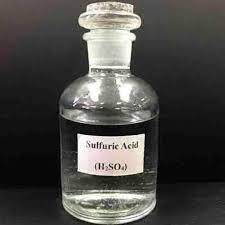
- Strong Acid: Sulfuric acid is a strong acid that can effectively facilitate various chemical reactions. This makes it valuable in numerous industrial processes, including energy storage and production.
- High Conductivity: As an electrolyte, sulfuric acid offers high conductivity, which is essential for the efficient operation of batteries and other electrochemical devices.
Applications:
- Lead-Acid Batteries: Sulfuric acid is used as the electrolyte in lead-acid batteries, which are commonly used in renewable energy storage systems. These batteries store excess energy generated by renewable sources and provide a reliable power supply when needed.
- Hydrogen Production: Sulfuric acid is used in the production of hydrogen through the electrolysis of water. This hydrogen can then be used as a clean fuel in various applications, including fuel cells and energy storage.
- Metal Processing: Sulfuric acid is used in the processing and refining of metals, which are essential components in renewable energy technologies such as wind turbines and solar panels.
8. Ammonium Bifluoride (NH4HF2)
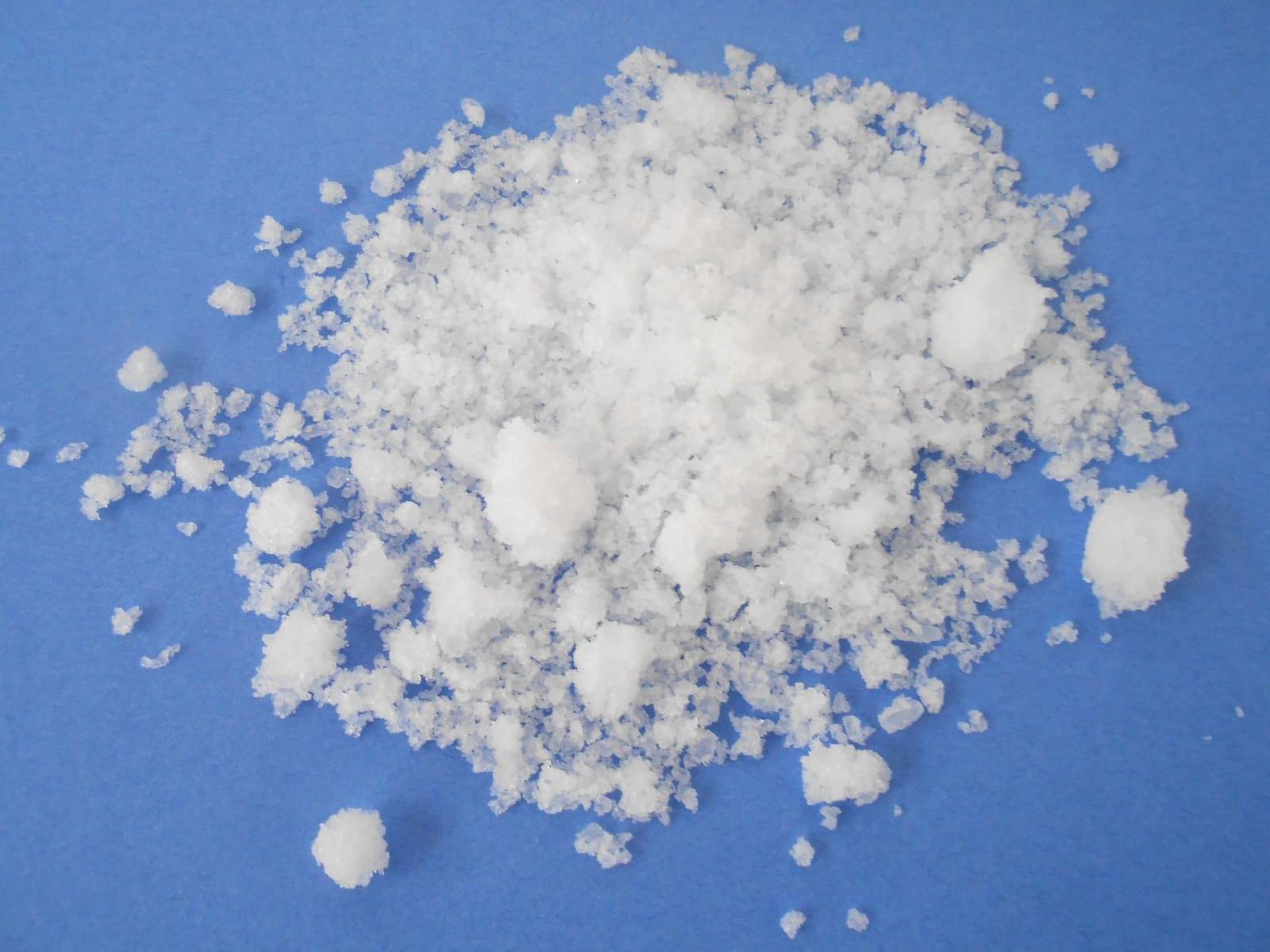
- Effective Etching Agent: Ammonium bifluoride is an effective etching agent used in various industrial processes, including the production of solar panels. It enhances the surface properties of materials, improving their performance and efficiency.
- Enhances Surface Properties: By modifying the surface properties of materials, ammonium bifluoride helps in optimizing their performance in various applications, including energy storage and conversion.
Applications:
- Solar Panel Production: Ammonium bifluoride is used to etch silicon wafers during the production of solar panels. This etching process increases the surface area of the wafers, enhancing their light absorption and overall efficiency.
- Glass Industry: In the glass industry, ammonium bifluoride is used to etch and polish glass surfaces, improving their clarity and quality. This is particularly important for the production of high-quality solar panels and other optical components.
- Metal Treatment: Ammonium bifluoride is used in metal treatment processes to clean and prepare metal surfaces for further processing. This ensures the optimal performance of metal components used in renewable energy systems.
9. Ethylene Carbonate (C3H4O3)
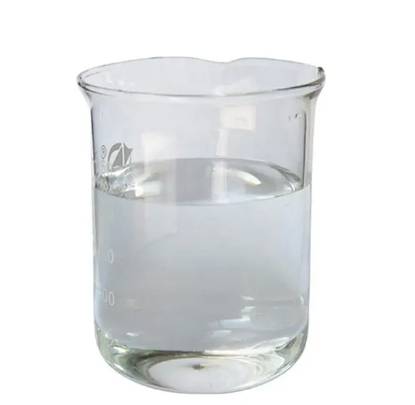
- High Dielectric Constant: Ethylene carbonate has a high dielectric constant, making it an excellent solvent for electrolytes in batteries. This property is crucial for ensuring the efficient transport of ions within the battery.
- Good Solvent for Electrolytes: As a solvent, ethylene carbonate ensures the smooth transport of lithium ions between the anode and cathode in lithium-ion batteries, enhancing their performance and lifespan.
Applications:
- Lithium-Ion Batteries: Ethylene carbonate is a key component in the electrolyte solution used in lithium-ion batteries. It helps to improve the performance and efficiency of the batteries, making them suitable for a wide range of applications, including electric vehicles and energy storage systems.
- Supercapacitors: In supercapacitors, ethylene carbonate is used as a solvent for the electrolyte, enhancing the energy storage capacity and performance of these devices. Supercapacitors are used in various renewable energy applications, including energy harvesting and power management.
- Electrochemical Devices: Ethylene carbonate is used in various electrochemical devices, providing the necessary ionic conductivity and stability for efficient operation. These devices are essential for renewable energy systems, including solar panels and fuel cells.
10. Sodium Sulfate (Na2SO4)

- High Solubility: Sodium sulfate has high solubility in water, making it easy to use in various industrial processes. This property is particularly important for applications in energy storage and thermal management.
- Non-Toxic: Sodium sulfate is non-toxic and environmentally friendly, making it a safe and sustainable choice for various applications in renewable energy systems.
Applications:
- Energy Storage Systems: Sodium sulfate is used in various energy storage systems, including the regeneration of lead-acid batteries. It helps to improve the efficiency and performance of these batteries, ensuring a reliable power supply from renewable energy sources.
- Thermal Energy Storage: In thermal energy storage systems, sodium sulfate is used as a phase change material to store and release thermal energy. This helps to manage and optimize the use of renewable energy for heating and cooling applications.
- Glass Manufacturing: Sodium sulfate is used in the glass manufacturing industry to remove impurities and improve the quality of the glass. High-quality glass is essential for the production of solar panels and other optical components used in renewable energy systems.
Conclusion - Top 10 Chemicals in Renewable Energy

These compound chemicals are instrumental in advancing renewable energy technologies, from solar and wind power to energy storage solutions. Their unique properties and applications enable the efficient capture, conversion, and storage of renewable energy, paving the way for a more sustainable future.
By continuing to innovate and optimize the use of these chemicals, we can further enhance the performance and accessibility of renewable energy sources.
How can we help you with your chemical requirements?
✅ Are you a company of 11 - 50 people?
✅ Do you use more than 1000 tons of industrial chemicals per year?
✅ Do you spend too much time finding the right chemical manufacturers?
✅ Are you unsure each time whether you will get the right grade of chemical?
If your answer is YES, Reduce Your Chemical Sourcing Headaches, Contact Us Now for a FREE Consultation and Samples Offer
✅Camachem: Quality Chemicals. Every Single Time✅
-
What is the Difference Between Caustic Soda Pearls and Caustic Soda Flakes? (2026 Update)
June 8, 2026
-
Top 10 Caustic Soda Suppliers in Australia [2026]
 June 8, 2026
 -
Frequently Asked Question about Phosphoric Acid
June 8, 2026
-
Zinc Chloride: 5 Hazards and Safety Measures You Need To Know
June 4, 2026
-
10 Things I Need To Know About Zinc Chloride (2026 Update)
June 4, 2026