

 Arabic
 French
 Indonesia
 Portuguese
 Russian
 Spanish
 Vietnamese
 +86-157-2476-6919
Overview of the Chemical Industry in Malaysia and How to Buy Chemicals
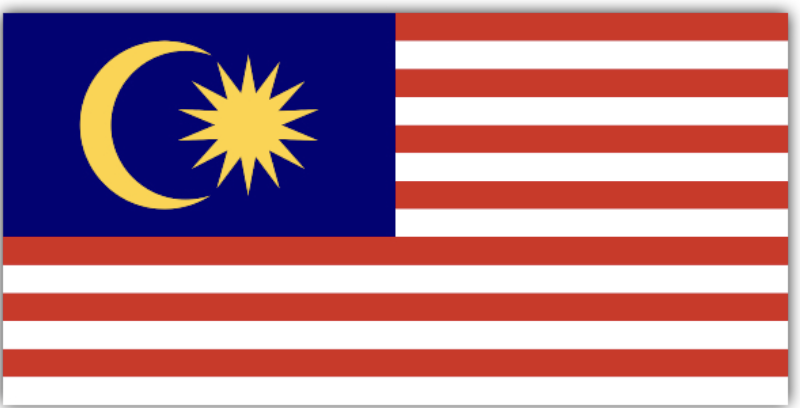
Introduction to Malaysia
- Malaysia has a population of 32.7 million
- Capital: Kuala Lumpur
- Official Language: Malay
- Total Area: 329, 847 km2
- Currency: Malaysian ringgit
Economy of Malaysia
Malaysia has the 39th largest economy with a GDP of $336 billion. Malaysia ranks 60th when it comes to GDP per capita.
The largest industries in Malaysia are Rubber and Palm Oil processing, Manufacturing, Petroleum and Natural Gas.
Economy break down: Rubber and Palm Oil 8%, Manufacturing 23%, Petroleum and Natural Gas 20%.
The main Importers of Malaysia’s goods are:
- China 19%
- Singapore 12%
- EU 10%
- US 8.1%
- Japan 7.8%
The main exporters to Malaysia are:
- Singapore 13.94%
- China 13.91%
- US 9.11%
- Hong Kong 7.47%
- Japan 6.92%
Chemical Uses in Malaysia
Given the economic growth of Malaysia, it is an attractive country for chemicals trade. Malaysia’s chemical industry is diverse and includes chemicals for petrochemicals, natural gas, palm oil, rubber and manufacturing.
The chemical sector contributes 235 million USD to the economy and about 6.9% GDP and about 11% of manufacturing GDP in the UK.
The Petrochemical and Gas industry
Malaysia produces natural gas, petroleum products, and petrochemical products in the oil and gas industry. The country ranks 34th in the world for its proven oil reserves and 21st for its gas reserves. A number of chemicals are in the process, these are Ethylene Glycol, Formic Acid and Phosphoric Acid. These are used in the extraction process and for cleaning the equipment.
Palm Oil
Palm oil is one of Malaysia's primary industries, and Malaysia is the world's second-largest producer of palm oil after Indonesia. Malaysian companies such as IOI and Sime Darby also dominate the global palm oil industry. Palm oil is found in most consumer goods, from cosmetics to confectionery. Palm oil is exported to almost every country worldwide with the USA being a main consumer.
Manufacturing Industry
Malaysia manufactures a wide range of products, the main sectors are: petroleum, chemical, rubber and plastic products. food, beverages and tobacco. electrical and electronic products.

Malaysia is accessible by both land and sea. For international trading the main seaports are:
- Port Klang
- Penang Port
- Johor Port
- Kuantan Port
- Bintulu Port
For importing the goods, Camachem uses Malaysia’s largest port of Port Klang.

What chemicals does Malaysia Import?
According to the latest trade data, Malaysia imports $3.8 billion organic chemicals (1.9%); and other chemical goods account for $3.7 billion
- Ethylene
- Ethylene Glycol
- Tetramethoxypropane
- Butanediol
- Sodium carbonate
- Sodium hydroxide
- Phosphoric acid
- Citric Acid Anhydrous
- Calcium Hypochlorite
What are the Regulations on Importing Chemicals to Malaysia?
A manufacturer or importer is required to prepare an inventory of hazardous chemicals they plan on importing, or supplying in a quantity of 1 ton per year or above for each calendar year.
Malaysia's Occupational Safety and Health (Classification, Labelling and Safety Data Sheet of Hazardous Chemicals) Regulation can be read about here.

Why should Malaysia import chemicals?
- Availability - The local industry has limited capacity and some clients require chemicals in a timely manner.
- High Chemical Cost - Given domestic competition and high production costs, chemicals are more expensive to buy domestically than they are on the world market.
- Chemical Quality - While most international chemical suppliers have good brand reputation and quality, some smaller domestic manufacturers can have variant chemical quality.
Where Can I Buy Chemicals for Malaysia?
Camachem has been exporting chemicals to clients in Malaysia. Feel free to contact us at [email protected] or WhatsApp us at +86-131-2037-9271 for a FREE quotation.