
 Arabic
 English
 French
 Indonesia
 Russian
 Spanish
 Vietnamese
 +86-157-2476-6919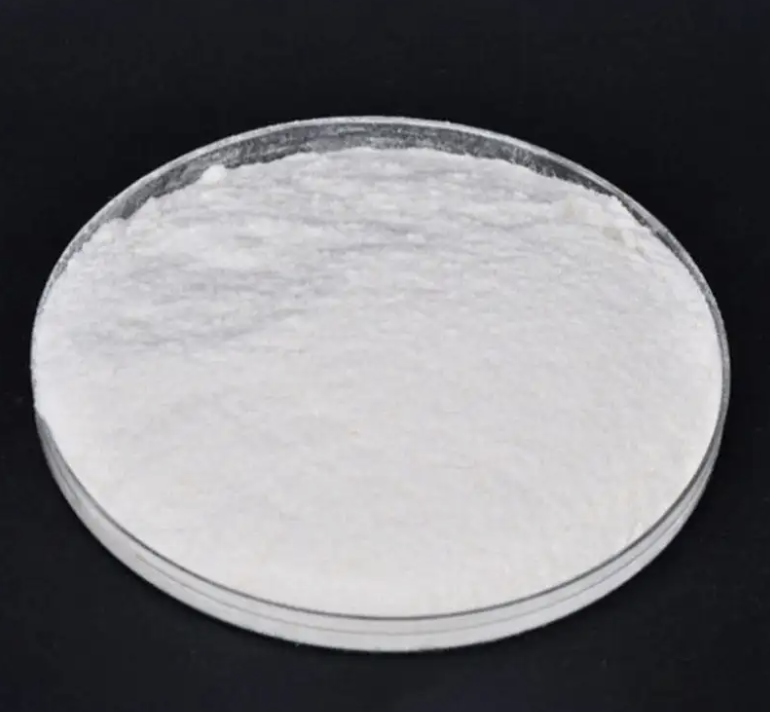
Dodecylpyridinium Chloride
Other Trading Names:
- 1-dodecyl-pyridiniuchloride
- Lauryl Pyridinium chloride
CAS Number: 104-74-5
HS Code: 29333999
Types of Packaging:
- Regular package: 25kg fiber drum
- Small package: 100g bottle
Inquiry
 100,00 US$
100,00 US$
Availability:
In stock
SKU
Dodecylpyridinium Chloride
|
Items |
Specifications |
|
Characteristic |
White to pearl powder |
|
Acidity |
Complies |
|
Moisture |
5.5% ~ 6.5% |
|
Melting point |
86.0~90.0℃ |
|
Purity |
99% |
Chemical Description
- Quaternary ammonium compound with the molecular formula C17H30ClN.
- Comprises a pyridinium ring attached to a dodecyl (12-carbon) alkyl chain.
- Exists as a chloride salt, making it highly soluble in water.
- The pyridinium ring provides aromatic stability and positive charge.
- The dodecyl chain imparts hydrophobic properties, aiding in the interaction with lipid membranes.
- Appears as a white to off-white crystalline powder or solid.
- Has a high melting point and is stable under normal conditions.
- Effective against a broad spectrum of microorganisms, including bacteria, fungi, and viruses.
- Disrupts microbial cell membranes, leading to cell lysis and death.
- Used in mouthwashes, toothpaste, and throat lozenges for its antimicrobial properties.
- Included in shampoos, conditioners, and deodorants for preservation and antimicrobial efficacy.
- Utilized as a preservative and in sanitizing food processing equipment.
- Found in disinfectants, hand sanitizers, and antiseptic solutions.
- Applied in disinfecting animal housing and equipment.
- Sometimes used in crop protection as a fungicide or bactericide.
- Employed as a biocide to control microbial growth in water systems.
- Applied to fabrics to impart antimicrobial properties.
- Used to control microbial contamination in drilling fluids.
- Positively charged pyridinium group interacts with negatively charged microbial cell walls.
- Hydrophobic dodecyl chain integrates into lipid membranes, disrupting integrity.
- Requires careful handling due to its potential irritant properties.
- Proper protective equipment should be used to avoid skin and eye contact.
- Approved for use in various applications by relevant health and safety authorities.
- Subject to regulations governing the use of antimicrobial agents.
- Ongoing studies explore new applications and formulations to enhance efficacy and safety.
- Efforts focus on minimizing environmental impact and developing sustainable production methods.
- Biodegradability and environmental persistence are areas of concern.
- Research is directed towards improving its ecological footprint.
- Dodecylpyridinium chloride has a melting point ranging from 86.0 to 90.0°C and a moisture content of 5.5-6.5%.
- It conforms to standards for acidity, solution clarity, and low heavy metal content (<0.002% Pb).
- Used in precision surface treatment and other industrial applications.
- It should be stored in a cool, dry warehouse away from oxidants, acids, fire, and heat.
- Ongoing studies explore novel synthetic methodologies, including cascade reactions and flow chemistry systems to streamline processes and improve efficiency.
Write Your Own Review
X