
 Arabic
 English
 French
 Indonesia
 Portuguese
 Russian
 Spanish
 +86-157-2476-6919
Camachem Exported Hydrochloric Acid Successfully

Overview of Hydrochloric Acid:
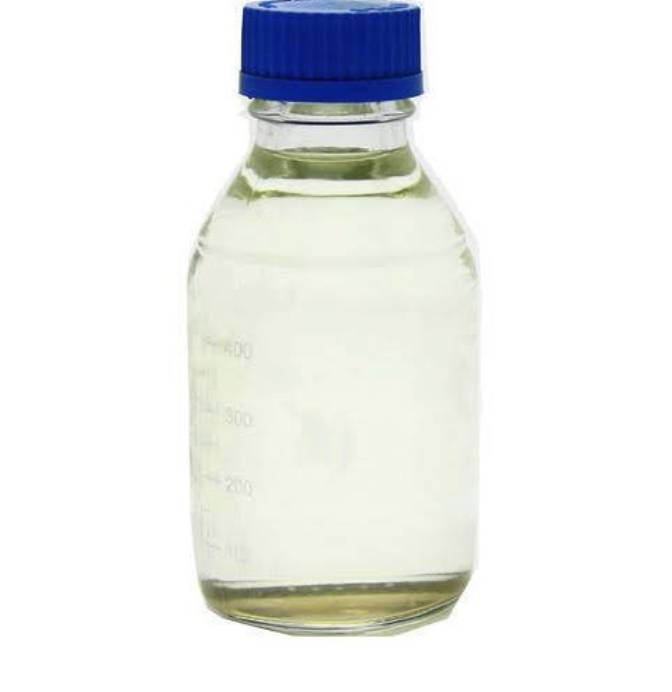
Hydrochloric acid (HCl) is a colorless, highly pungent solution of hydrogen chloride in water. It is classified as a strong acid, capable of fully dissociating in water to release hydrogen ions (H+) and chloride ions (Cl-). Hydrochloric acid is widely used in industrial applications due to its strong acidic nature. Hydrochloric acid (HCl) is one of the most vital and widely used chemicals in the industrial world. It is a highly corrosive strong acid formed by dissolving hydrogen chloride gas in water. Hydrochloric acid is found naturally in gastric acid, which is a part of the digestive fluids in the stomach. Industrially, it is produced primarily by the chlor-alkali process, which also yields chlorine and sodium hydroxide. Its importance spans across numerous industries, making it an indispensable chemical.
Hydrochloric Acid Uses:
Hydrochloric acid has numerous applications across various industries:
1. Chemical Industry: Used in the production of chlorides, fertilizers, and dyes. It's also employed in the production of various organic compounds such as vinyl chloride and dichloroethane for PVC production. In the chemical industry, hydrochloric acid is a crucial raw material for the production of numerous compounds. It is used in the synthesis of inorganic compounds such as iron(III) chloride and polyaluminum chloride (PAC), which are used in water treatment. It also plays a significant role in the production of organic compounds, including vinyl chloride for PVC plastic, dichloroethane, and bisphenol A for polycarbonate plastics.
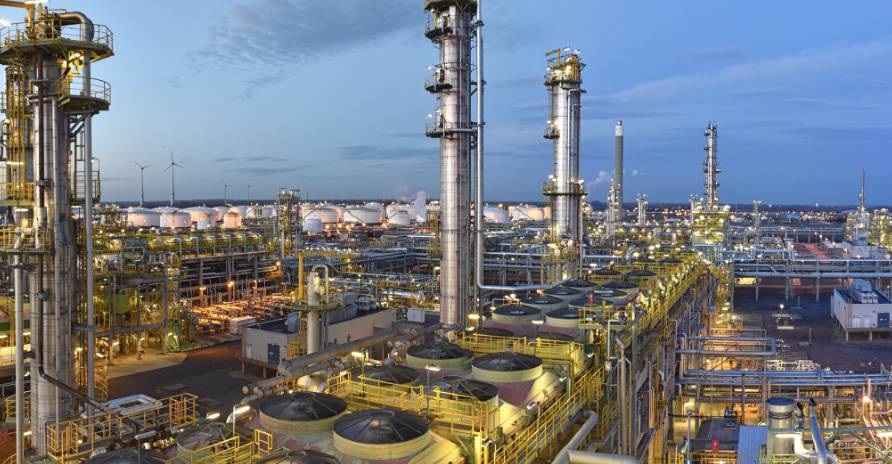
2. Metal Processing: Hydrochloric acid is extensively used in the metal industry for pickling, a process that removes rust or iron oxide scale from steel or iron before further processing such as extrusion, rolling, galvanizing, and other techniques. This process ensures that the metal surfaces are clean and free from oxidation products, which can affect the quality and durability of the final products.
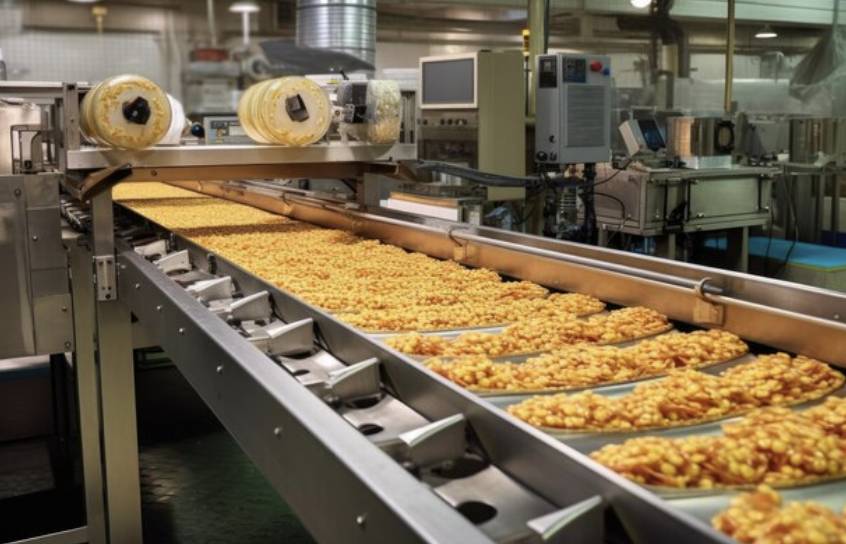
3. Food Industry: Used as an additive (E507) to regulate acidity in products like sauces, canned goods, and vegetable juices. It is also involved in the production of gelatin. It also helps in the production of corn syrup and as an acidifier in various food products to control pH levels.
4. Oil and Gas: Employed in the process of oil well acidizing, which helps to clear away blockages in the rock and increase oil and gas production. Hydrochloric acid is utilized in the oil and gas industry for well acidizing. This process involves pumping the acid into the well to dissolve the rocks and improve the flow of oil and gas from the well. It helps in enhancing the production capacity of oil and gas wells.
5. Water Treatment: Used to control pH levels in water treatment processes. Hydrochloric acid is essential in water treatment processes. It is used to adjust the pH of water, making it less alkaline and suitable for industrial use. It also neutralizes the water during wastewater treatment processes, ensuring that the discharge water meets environmental safety standards.
6. Household Cleaning: Found in various cleaning products due to its ability to dissolve limescale and other deposits.
7. Leather Processing: The leather industry uses hydrochloric acid in the tanning process. It helps in the removal of lime from hides after the liming process and before tanning. This ensures the leather is clean and ready for the tanning process, which gives leather its durability and flexibility.

How is Hydrochloric Acid Transported?
Transporting hydrochloric acid requires careful consideration of its corrosive nature and regulatory compliance. The methods of transportation vary based on the quantity and concentration of the acid.
1. Bulk Transport: For large volumes, hydrochloric acid is transported in specialized tank trucks or railcars. These containers are constructed from materials resistant to the corrosive effects of hydrochloric acid, such as rubber-lined steel or certain types of plastic. Bulk transport is often used for industrial-grade hydrochloric acid intended for large-scale operations.
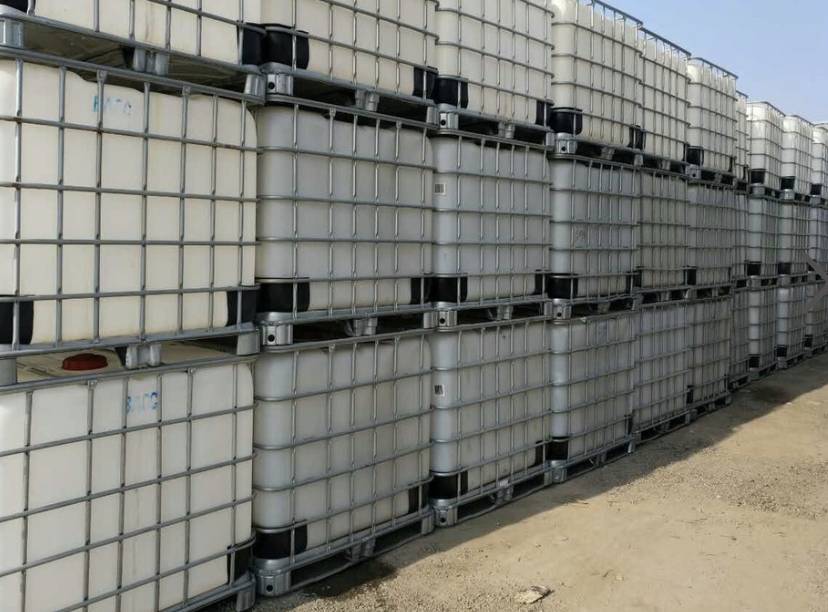
2. Drums and Intermediate Bulk Containers (IBCs): Smaller quantities of hydrochloric acid are transported in plastic or metal drums and IBCs. These containers are designed to withstand the acid's corrosive nature and are used for commercial and smaller industrial purposes.
3. Safety Measures: Due to its hazardous nature, the transportation of hydrochloric acid involves strict safety measures. Proper labeling is essential to ensure that the containers are correctly identified and handled. Personal protective equipment (PPE) such as gloves, goggles, and acid-resistant clothing must be used by personnel handling the acid. Transportation must adhere to regulations set by authorities such as the Department of Transportation (DOT) in the U.S., which govern the safe transport of hazardous materials.
Hydrochloric Acid Exportation Barriers
Exporting hydrochloric acid to Uganda involves several challenges:
- Regulatory Compliance: Navigating Uganda's regulatory framework for chemical imports, which includes obtaining permits and ensuring compliance with environmental and safety standards. Uganda has specific regulations governing the importation of chemicals, including hydrochloric acid. Importers must obtain the necessary permits and ensure compliance with environmental and safety standards. This often involves navigating complex bureaucratic procedures, which can be time-consuming and costly.
- Logistics: Handling transportation logistics, especially for hazardous materials, which require special handling and storage facilities. Transportation logistics for hazardous materials like hydrochloric acid are challenging. The acid requires special handling and storage facilities to prevent accidents and spills. The lack of adequate infrastructure in some parts of Uganda can further complicate logistics.
- Customs Procedures: Customs procedures in Uganda can be complex and time-consuming. Importers must deal with inspections, clearances, and paperwork, which can delay the importation process. Efficient management of customs procedures is crucial for timely delivery.
- Market Competition: The presence of local and international suppliers in Uganda creates a competitive market for hydrochloric acid. Established suppliers may have an advantage due to their existing supply chains and customer bases, making it challenging for new entrants to gain market share.
- Infrastructure: Addressing infrastructure limitations in Uganda that can affect the transportation and storage of chemicals.The infrastructure in Uganda, including transportation and storage facilities, may not always be adequate for handling hazardous chemicals. This can pose significant challenges for the safe and efficient transportation and storage of hydrochloric acid.
- Economic Factors: Economic fluctuations, including changes in currency exchange rates and economic conditions in Uganda, can impact the pricing and demand for hydrochloric acid. Importers must be prepared to adapt to these changes to remain competitive.

How Camachem Achieved Successful Results
Camachem has achieved successful results in the hydrochloric acid market through several strategies:
- Regulatory Expertise: Camachem leverages its extensive knowledge of local and international regulations to ensure smooth import processes. By staying up-to-date with regulatory changes and requirements, Camachem ensures compliance with all necessary permits and environmental standards. This expertise minimizes delays and facilitates seamless transactions.
- Efficient Logistics: Camachem has established robust logistics networks to ensure timely and safe delivery of hydrochloric acid. By using specialized containers and transportation methods, Camachem mitigates the risks associated with transporting hazardous materials. Their logistics team coordinates with reliable transportation partners to handle the acid with care and efficiency.
- Customer Support: Providing excellent customer service is a cornerstone of Camachem's success. They offer technical support and consultation to help clients understand the proper handling, storage, and usage of hydrochloric acid. This proactive approach builds trust and long-term relationships with customers.
- Market Knowledge: Conducting thorough market research is vital for Camachem's strategy. By understanding the specific needs and preferences of customers in Uganda, they can offer competitive pricing and tailored solutions. This customer-centric approach allows Camachem to meet market demands effectively.
- Strategic Partnerships: Forming strategic partnerships with local distributors and stakeholders has been crucial for Camachem. These partnerships enhance market penetration and distribution capabilities. Local partners provide valuable insights into the market and help Camachem navigate the local business environment.
- Quality Assurance: Maintaining high standards of quality is paramount for Camachem. Their hydrochloric acid products meet industry standards and customer expectations. Rigorous quality control measures ensure that the acid supplied is pure, effective, and safe for its intended applications.
- Innovative Solutions: Camachem continuously seeks innovative solutions to improve their services and products. By investing in research and development, they stay ahead of industry trends and technological advancements. This commitment to innovation ensures that they provide the best possible solutions to their customers.
- Sustainable Practices: Sustainability is a key consideration for Camachem. They strive to minimize the environmental impact of their operations by adopting eco-friendly practices. This includes proper waste management, reducing emissions, and promoting the safe handling and disposal of chemicals.
Conclusion

Hydrochloric acid is a versatile and essential chemical with applications across various industries. Its transportation and exportation, particularly to countries like Uganda, involve significant challenges. However, with strategic planning, regulatory compliance, efficient logistics, and a customer-centric approach, these challenges can be effectively managed.
Camachem's success in exporting hydrochloric acid to Uganda demonstrates the importance of regulatory expertise, robust logistics, customer support, market knowledge, strategic partnerships, quality assurance, innovation, and sustainability. By adopting these best practices, companies can achieve successful results in the competitive and regulated chemical market.
In summary, hydrochloric acid plays a critical role in numerous industries, and its safe and efficient transportation is crucial for industrial operations. Exporters must navigate regulatory, logistical, and economic challenges to succeed in markets like Uganda. Camachem's experience and strategic approach provide valuable insights for companies looking to enter or expand in such markets, ensuring they can meet customer needs while maintaining high standards of safety and quality.
-
What is the Difference Between Caustic Soda Pearls and Caustic Soda Flakes? (2026 Update)
June 8, 2026
-
Top 10 Caustic Soda Suppliers in Australia [2026]
 June 8, 2026
 -
Frequently Asked Question about Phosphoric Acid
June 8, 2026
-
Zinc Chloride: 5 Hazards and Safety Measures You Need To Know
June 4, 2026
-
10 Things I Need To Know About Zinc Chloride (2026 Update)
June 4, 2026