
 Arabic
 English
 French
 Indonesia
 Portuguese
 Russian
 Spanish
 +86-157-2476-6919
Sodium Lauryl Ether Sulfate (SLES) in Nigeria: An In-depth Case Study

Introduction
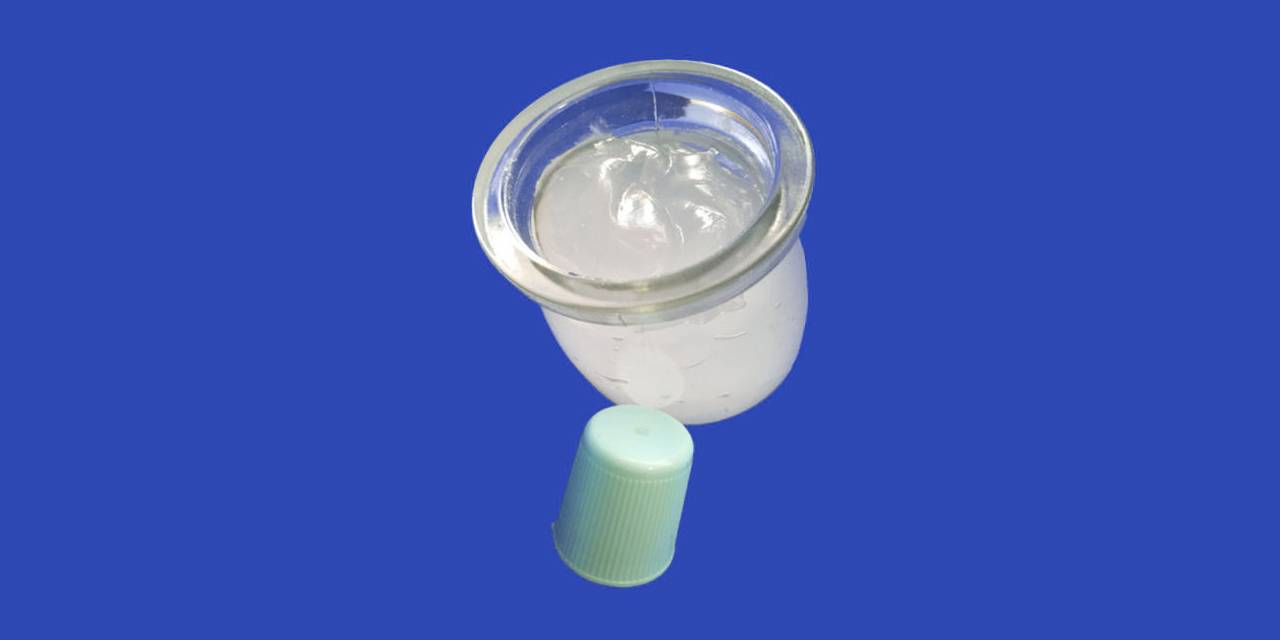
Sodium Lauryl Ether Sulfate (SLES) is a highly versatile and widely used chemical in various industries, particularly in the production of cleaning and personal care products. Nigeria, with its growing economy and industrial sector, has seen an increasing demand for SLES. This article delves into the significance of SLES in Nigeria, its applications, market dynamics, and the impact on local industries.
Overview of Sodium Lauryl Ether Sulfate (SLES)
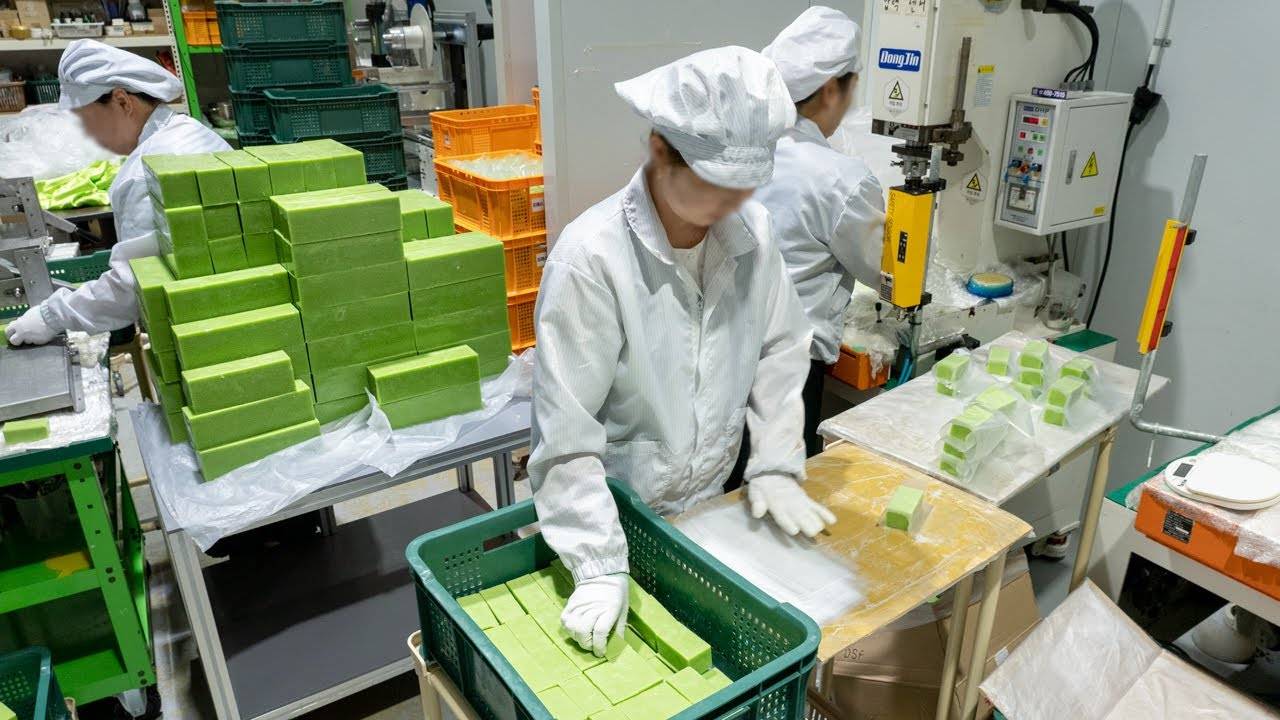
SLES, an anionic surfactant derived from ethoxylated lauryl alcohol, is known for its exceptional foaming and emulsifying properties. It is commonly found in products like shampoos, soaps, detergents, and toothpaste. Its ability to create a rich lather and remove oils and dirt effectively makes it a crucial ingredient in the formulation of many personal care and cleaning products.
Applications of SLES in Nigeria
Personal Care Products: In Nigeria, the personal care industry has witnessed substantial growth. SLES is a key ingredient in shampoos, body washes, and facial cleansers. Its mildness and effectiveness in cleaning without causing excessive dryness make it suitable for a variety of skin and hair types.
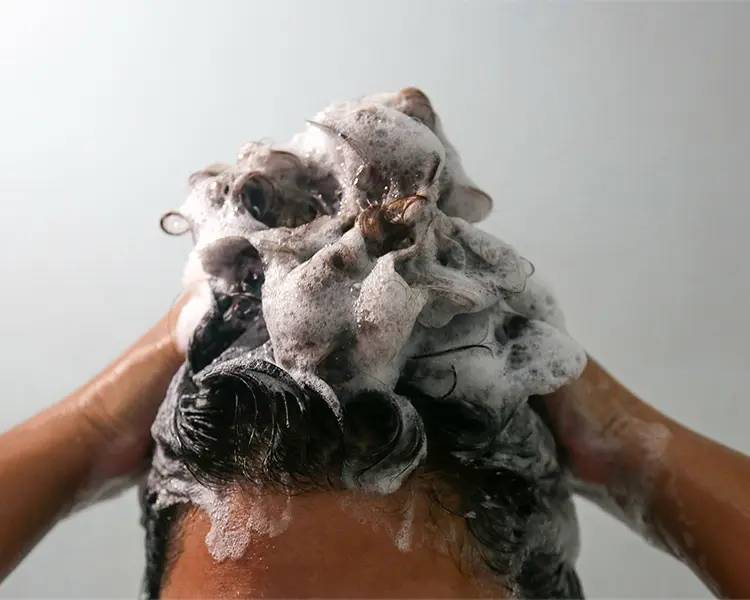
Household Cleaning Products: The demand for effective cleaning solutions in Nigerian households has led to the widespread use of SLES in detergents and dishwashing liquids. Its ability to cut through grease and provide a thorough clean has made it a staple in many homes.
Industrial Cleaners: Beyond household use, SLES is also employed in industrial cleaning applications. Factories and manufacturing units in Nigeria utilize SLES-based cleaners for equipment maintenance and surface cleaning due to its efficiency and cost-effectiveness.

Demand and Supply: The Nigerian market for SLES is characterized by a strong demand driven by the expanding population and increasing urbanization. The growth of the middle class and rising awareness about personal hygiene and cleanliness further contribute to this demand.

Local Production vs. Imports: While there is some local production of SLES in Nigeria, a significant portion is imported. The reliance on imports is due to the limited capacity of local manufacturers to meet the growing demand. Importing SLES from global suppliers ensures a steady supply of high-quality raw material for the local industries.
Challenges in the Market: The SLES market in Nigeria faces challenges such as fluctuating raw material prices, regulatory hurdles, and competition from alternative surfactants. Ensuring consistent quality and compliance with international standards is crucial for manufacturers and importers.
Boost to Manufacturing Sector: The availability of SLES has positively impacted the manufacturing sector in Nigeria. Local producers of personal care and cleaning products benefit from the reliable supply of this essential chemical, allowing them to scale up production and meet market demands.
Economic Growth: The growth of industries utilizing SLES contributes to the overall economic development of Nigeria. The creation of jobs in manufacturing, distribution, and retail sectors linked to SLES-based products supports economic stability and growth.
Innovation and Product Development: Access to high-quality SLES encourages innovation in product formulations. Manufacturers are able to develop new and improved products that cater to the specific needs and preferences of Nigerian consumers. This innovation drives competitiveness and ensures a dynamic market.
Case Study: Successful Import of SLES to Nigeria

Background: A leading Nigerian manufacturer of personal care products faced challenges in sourcing high-quality SLES locally. To meet their production needs and ensure consistent quality, they decided to explore import options.
Import Process: The company collaborated with a reputable international supplier of SLES. The import process involved detailed planning, including compliance with Nigerian import regulations, securing necessary permits, and establishing a reliable logistics chain.
Implementation: Upon successful importation, the manufacturer integrated the imported SLES into their production line. Rigorous quality control measures were put in place to ensure that the imported SLES met the required standards for their products.
Results: The use of imported SLES resulted in a significant improvement in product quality. The company reported increased customer satisfaction and a boost in sales. The successful importation also opened up opportunities for further collaboration with international suppliers.
Regulatory Environment

Standards and Compliance: In Nigeria, the import and use of chemicals like SLES are regulated by various government bodies to ensure safety and quality. Adherence to standards set by agencies such as the National Agency for Food and Drug Administration and Control (NAFDAC) is mandatory for manufacturers and importers.
Environmental Considerations: The environmental impact of SLES production and usage is a concern. Efforts are made to ensure that SLES is produced and used in an environmentally friendly manner. Waste management and disposal practices are regulated to minimize the ecological footprint.
Future Prospects

Market Growth: The future of SLES in Nigeria looks promising with continued market growth anticipated. The increasing awareness about hygiene, coupled with the expansion of the personal care and cleaning product markets, will drive the demand for SLES.
Technological Advancements: Advancements in production technology and formulation techniques will likely enhance the quality and efficiency of SLES. Investment in research and development by local manufacturers can lead to the discovery of new applications and improved product formulations.
Sustainability Initiatives: Sustainability will play a crucial role in the future of SLES in Nigeria. The adoption of eco-friendly production practices and the development of biodegradable alternatives will be important to meet the environmental challenges and consumer preferences.
Conclusion
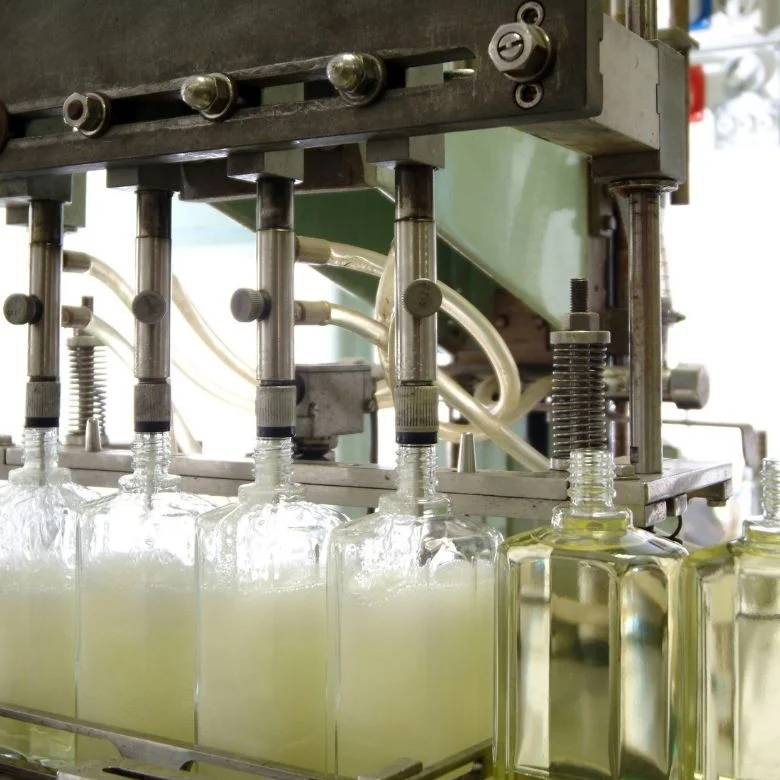
Sodium Lauryl Ether Sulfate (SLES) is an indispensable chemical in Nigeria's personal care and cleaning product industries. Its versatile applications, coupled with the growing market demand, make it a vital component of the country's industrial landscape. The successful import and integration of SLES by local manufacturers highlight the importance of international collaboration in meeting domestic needs. With a focus on quality, compliance, and sustainability, the future of SLES in Nigeria holds significant potential for continued growth and innovation.
-
What is the Difference Between Caustic Soda Pearls and Caustic Soda Flakes? (2026 Update)
June 8, 2026
-
Top 10 Caustic Soda Suppliers in Australia [2026]
 June 8, 2026
 -
Frequently Asked Question about Phosphoric Acid
June 8, 2026
-
Zinc Chloride: 5 Hazards and Safety Measures You Need To Know
June 4, 2026
-
10 Things I Need To Know About Zinc Chloride (2026 Update)
June 4, 2026