
 Arabic
 English
 French
 Indonesia
 Portuguese
 Russian
 Spanish
 +86-157-2476-6919
Top 5 Questions About Buying Calcium Carbide in Australia from China
Introduction
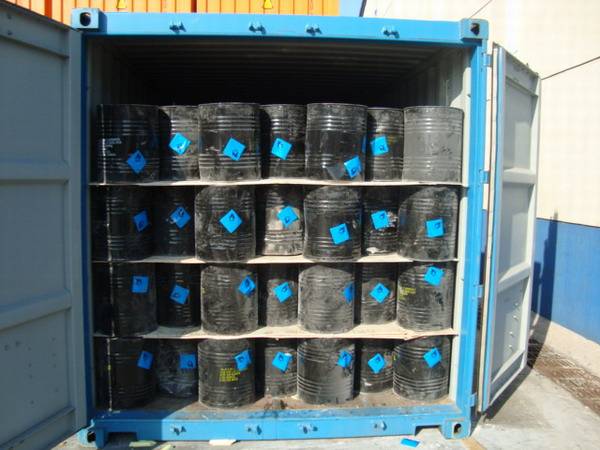
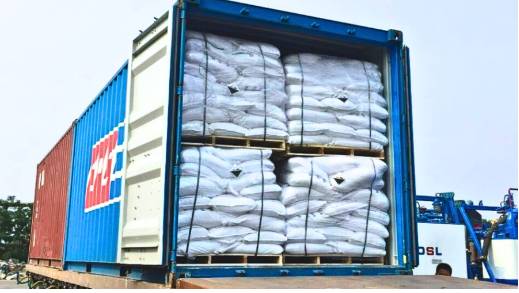
Black drums of bulk calcium carbide stacked in layers inside a blue shipping container, labeled with blue hazardous material placards
Calcium carbide is an essential chemical compound widely used in Australian industries including steelmaking, gas welding, chemical production, and even regulated agricultural applications. If you are looking to import calcium carbide in Australia, it is crucial to understand not only the product itself but also the legality, safety, sourcing, and shipping logistics involved in international purchasing—especially from suppliers in China.
If you're wondering how to buy calcium carbide in bulk, whether it's legal in Australia, or how much it typically costs, this guide is designed to answer the most pressing questions from real Australian importers. With increasing demand for calcium carbide in sectors like mining, construction, metal fabrication, and research, having clear information can save both time and money.
In this blog, we answer the top 5 questions Australian buyers ask about purchasing calcium carbide, from understanding import requirements and documentation to choosing the right supplier. Whether you're a first-time importer or a procurement manager seeking a trusted supplier, this resource will help you make an informed decision and avoid common mistakes.
1. Is Calcium Carbide Legal in Australia?
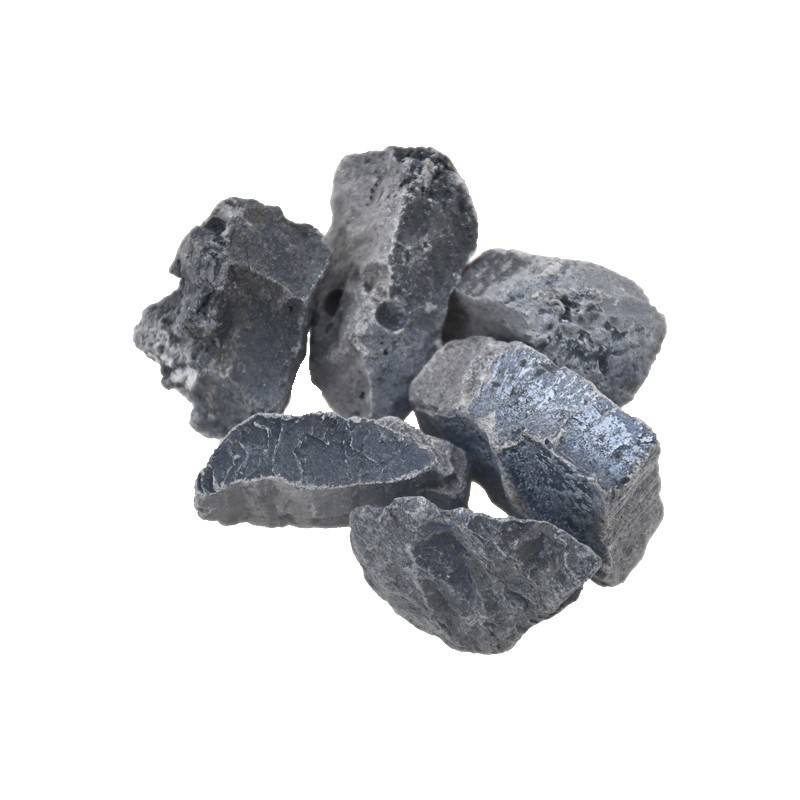
calcium carbide
Yes — calcium carbide is legal in Australia for specific industrial applications, but its use is restricted under national chemical safety and food regulation laws. The legality depends on how and where the chemical is used.
Legal Industrial Uses of Calcium Carbide in Australia
Calcium carbide is not banned in Australia when used correctly in non-food-related industries. Approved uses include:
- Acetylene gas production (used in welding and metal cutting)
- Steel manufacturing, where calcium carbide removes sulfur from molten metal
- Chemical processing (e.g., production of calcium cyanamide)
- Wastewater treatment and research
Australian importers are allowed to buy calcium carbide for industrial use, as long as they meet chemical import, storage, and handling regulations under the Industrial Chemicals Environmental Management Standard (IChEMS).
Calcium Carbide Ban for Fruit Ripening in Australia
Although legal for industrial use, calcium carbide is illegal for ripening fruit in Australia. This is due to:
- Health risks: Impurities in calcium carbide (e.g., phosphine, arsine) can cause neurological damage, gastrointestinal issues and skin and respiratory irritation.
- Food contamination: Using calcium carbide near food violates food safety codes.
- Safer alternatives exist: Ethylene gas is the only approved ripening agent in Australia.
In summary, calcium carbide is legal in Australia when used for approved industrial purposes, such as acetylene gas generation, steel production, and chemical manufacturing. However, its use in agriculture or food-related contexts—particularly for ripening fruit—is strictly prohibited. Australian authorities enforce this ban due to the significant health risks posed by toxic impurities in the gas it produces. Importers and users must also comply with hazardous chemical handling regulations, including safe packaging, labeling, and storage in accordance with national chemical safety laws.
Learn more about the legal and safe use of this product in our Calcium Carbide Hazards and Safety Guide.
Packaging and Transport Regulations for Calcium Carbide in Australia
Calcium carbide sealed in steel drums with moisture-resistant lining, in compliance with hazardous material transport regulations
Due to its hazardous nature, calcium carbide must be packaged and transported in strict compliance with Australian and international chemical safety standards. Improper handling can result in exposure to moisture, triggering dangerous chemical reactions that release flammable acetylene gas.
- Moisture-proof packaging
Calcium carbide must be stored in airtight, water-tight containers, such as hermetically sealed metal drums or steel barrels. For small quantities, HDPE or PP bags may be used as inner packaging but must be sealed and moisture-protected.
- Separation from incompatible materials
During transportation, calcium carbide must be kept away from flammable substances, strong acids, and sources of moisture. Segregated transport reduces the risk of hazardous interactions.
- Shock- and vibration-resistant design
Packaging must be robust enough to withstand shocks and vibrations to prevent leakage or accidental exposure.
- Proper labeling and classification
As a regulated hazardous material, calcium carbide packaging must clearly display warning labels and meet the standards of the Australian Dangerous Goods (ADG) Code.
- Dry and ventilated transport conditions
Vehicles and containers used for transportation must be dry, well-ventilated, and designed to prevent condensation or accidental wetting.
- Compliance with IChEMS and IMDG
Importers and logistics providers must follow the Industrial Chemicals Environmental Management Standard (IChEMS) and, where applicable, the International Maritime Dangerous Goods (IMDG) Code.
Failure to meet these regulations can result in severe penalties and pose significant safety risks. Businesses handling calcium carbide in Australia must ensure their packaging, transport, and storage methods are fully compliant with national hazardous chemical guidelines.
2. What Are the Main Uses of Calcium Carbide in Australia?

Lab technician analyzing calcium carbide for industrial applications in Australia
Calcium carbide has diverse and essential applications in Australia across multiple industries. Although its use in agriculture is restricted, it plays a significant role in industrial production, metal processing, and chemical manufacturing. Here is a detailed overview of the main uses of calcium carbide in Australia:
Acetylene Gas Generation for Welding and Cutting
One of the main uses of calcium carbide in Australia is to generate acetylene gas. When calcium carbide reacts with water, it produces acetylene, which is widely used in welding and metal cutting. This makes it a critical compound for various industries, including metalworking and manufacturing.
For instance, hardware stores such as Bunnings sell calcium carbide specifically for DIY acetylene generation, making it accessible to professionals and hobbyists alike.
Calcium Cyanamide Fertilizer Production
Another important use of calcium carbide is in producing calcium cyanamide, a nitrogen-rich fertilizer. This fertilizer promotes healthy plant growth and improves soil conditions, especially in commercial agriculture. However, this does not mean direct application to food crops is allowed—regulations are strict about end-use safety.
Steelmaking and Sulfur Removal
Calcium carbide is also widely applied in steel production, particularly in desulfurization processes. It helps eliminate sulfur impurities from iron, improving the strength, quality, and durability of steel products. This use is critical in Australian metallurgy and heavy industry sectors.
Other Industrial and Chemical Applications
In addition to the uses above, calcium carbide in Australia is employed in the production of various chemicals, including:
- Polyvinyl chloride (PVC) and other plastics
- Carbide lamps for mining (though this usage is now rare)
- Other chemical synthesis processes involving acetylene gas
Learn more about applications in this introductory guide to calcium carbide.
Contact us for a FREE consultation. We’ll match you with certified suppliers and handle the entire sourcing process—from quote to delivery.
WhatsApp Us for Free a Consultation
3. How Much Does Calcium Carbide Cost?

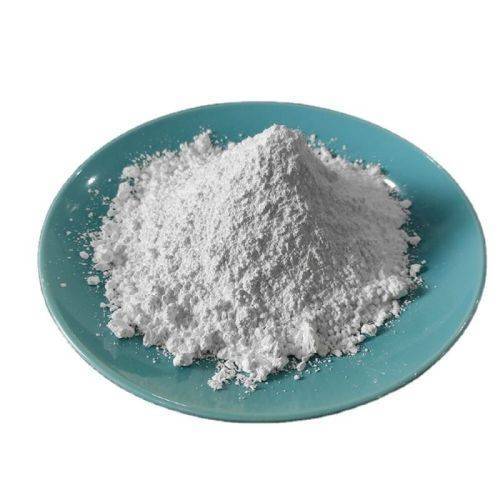
High-purity calcium carbide powder sample
The cost of calcium carbide in Australia varies depending on several factors, including quantity purchased, packaging size, supplier location, and global market trends. On average, calcium carbide prices generally range from £5 to £16 per kilogram. However, prices can fluctuate due to raw material costs (like lime and coke), transportation, energy costs, and regulatory conditions.
If you’re purchasing in small quantities (100g to 1kg), the price can range from £7.56 to £22.12 or more, depending on the supplier and packaging. Bulk orders (e.g., 5kg or more) may receive significant discounts due to economies of scale.
Factors Influencing the Price of Calcium Carbide
- Raw material availability
Lime, coke, and carbon affect base pricing.
- Energy costs
Calcium carbide production is energy-intensive.
- Packaging type
Sealed drums vs. bulk bags.
- Order size
Larger orders typically offer better per-kg rates.
- Shipping costs and tariffs
Especially relevant for international buyers.
- Market demand
Prices may rise during seasonal peaks or supply shortages.
Recent Market Trends
According to Trends, Pricing & Supply of Calcium Carbide in 2025, global prices have remained volatile due to international trade dynamics and safety regulations. Working with a consistent exporter helps minimize cost surprises and ensures regulatory compliance.
4. Where Can Australian Importers Source Reliable Calcium Carbide Suppliers Worldwide?

Cargo ship transporting calcium carbide from top exporters like China to Australia.
Finding trusted calcium carbide suppliers is essential for Australian businesses that depend on consistent quality and competitive pricing. Whether you’re sourcing calcium carbide for acetylene gas production, steelmaking, or chemical manufacturing, it’s important to know where to look and what standards to expect. Here’s a complete guide for Australian importers on the best supplier sources and why China may still be your most reliable option.
Top Exporting Countries for Calcium Carbide
The main exporters of calcium carbide globally include:
- China: The largest producer and exporter, offering a wide range of grades and competitive pricing.
- USA: Known for strict quality control, but pricing is typically higher.
- India: Offers mid-range pricing and quality, often used as a backup source.
China dominates the market due to its scale, availability of raw materials, and established supply chain networks. For Australian buyers, Chinese suppliers remain the most practical choice for bulk purchasing.
What to Look for in a Trusted Calcium Carbide Supplier
When selecting a supplier, consider the following criteria:
- Product Quality: Make sure the supplier complies with international standards such as ISO and provides SGS/MSDS certificates.
- Pricing: Evaluate total costs including freight, tax, and customs clearance—not just the per-ton rate.
- Delivery Reliability: Choose suppliers with proven track records of on-time shipping and good port connections.
- Technical Support: Good suppliers offer help with chemical specs, usage guides, and after-sales support.
- Sustainability and Compliance: Ensure the supplier follows environmental and safety regulations relevant to hazardous chemical exports.
Channels to Find Suppliers
- Online Marketplaces: Platforms like Alibaba, Made-in-China, and Global Trade Plaza connect you to hundreds of verified manufacturers.
- Industrial Chemical Distributors: Some distributors specialize in calcium carbide and maintain warehousing in port cities.
- Trade Shows & Exhibitions: Events like the Canton Fair offer face-to-face networking with manufacturers.
Why Australian Companies Still Choose China
Despite some recent political tensions and sourcing shifts, China remains a top choice for Australian importers of calcium carbide. Its manufacturing capacity, logistics infrastructure, and price competitiveness are unmatched.
Many Australian companies are rethinking sourcing strategies, and as explained in this analysis—Why Australian Companies Should Rethink China Sourcing – A Better Approach Than AustCham—China continues to offer tailored solutions, transparent trade terms, and scalable supply that meets Australia’s industrial needs.
To secure high-quality, cost-effective calcium carbide for industrial use in Australia, sourcing from reliable Chinese suppliers is still your best bet. Focus on verified suppliers, request documentation, and seek those offering both technical and logistical support.
Contact us for a FREE consultation. We’ll match you with certified suppliers and handle the entire sourcing process—from quote to delivery.
WhatsApp Us for Free a Consultation
5. What Should You Know About Importing Calcium Carbide from China?
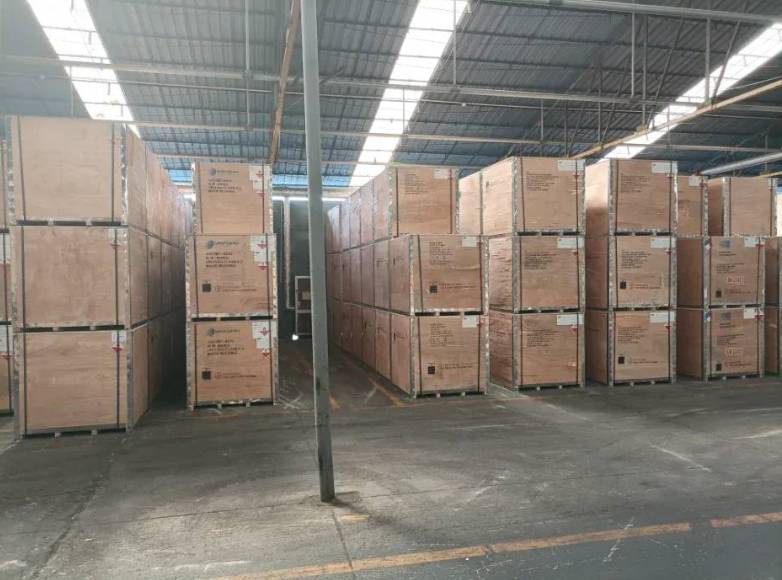
Boxes labeled Made in China prepared for export of calcium carbide to Australia
Importing calcium carbide from China to countries like Australia involves not only competitive pricing advantages but also careful attention to regulations, supply risks, and logistics. As the world’s largest exporter of calcium carbide, China dominates the market in terms of production capacity, cost-effectiveness, and global supply reach. However, buyers must stay informed about changing compliance standards, energy policies, and potential global trade disruptions.
For a deeper industry overview, check this detailed report: China Market Overview: Trends, Pricing & Supply of Calcium Carbide in 2025
Market Dynamics and Pricing
- China’s Dominance
China remains the largest global producer of calcium carbide, driven by its low manufacturing costs, established infrastructure, and large-scale output. This scale allows Chinese suppliers to offer attractive pricing for buyers in Australia and beyond.
- Price Volatility
Despite the pricing benefits, buyers should be aware of international trade fluctuations. Tariffs, energy pricing, currency exchange, and shipping delays can all affect final import costs.
- Supply Chain Risks
China’s regulatory environment is evolving. Environmental restrictions, hazardous chemical handling regulations, and power control policies can impact production timelines. It’s crucial to work with suppliers who have stable output and a good compliance record.
Regulatory and Safety Considerations
- Hazardous Material Compliance
Calcium carbide is classified as a hazardous chemical due to its reactivity with water, which releases flammable acetylene gas. Importers must ensure proper documentation and storage protocols, especially in Australia where chemical import rules are strict.
- Licensing and Documentation
Importing to Australia requires certificates of conformity, accurate declaration forms, and occasionally pre-export verification (PVOC). A reliable exporter can help you navigate this — Camachem, for example, provides full support on documentation and import clearance.
Working with Experienced Exporters
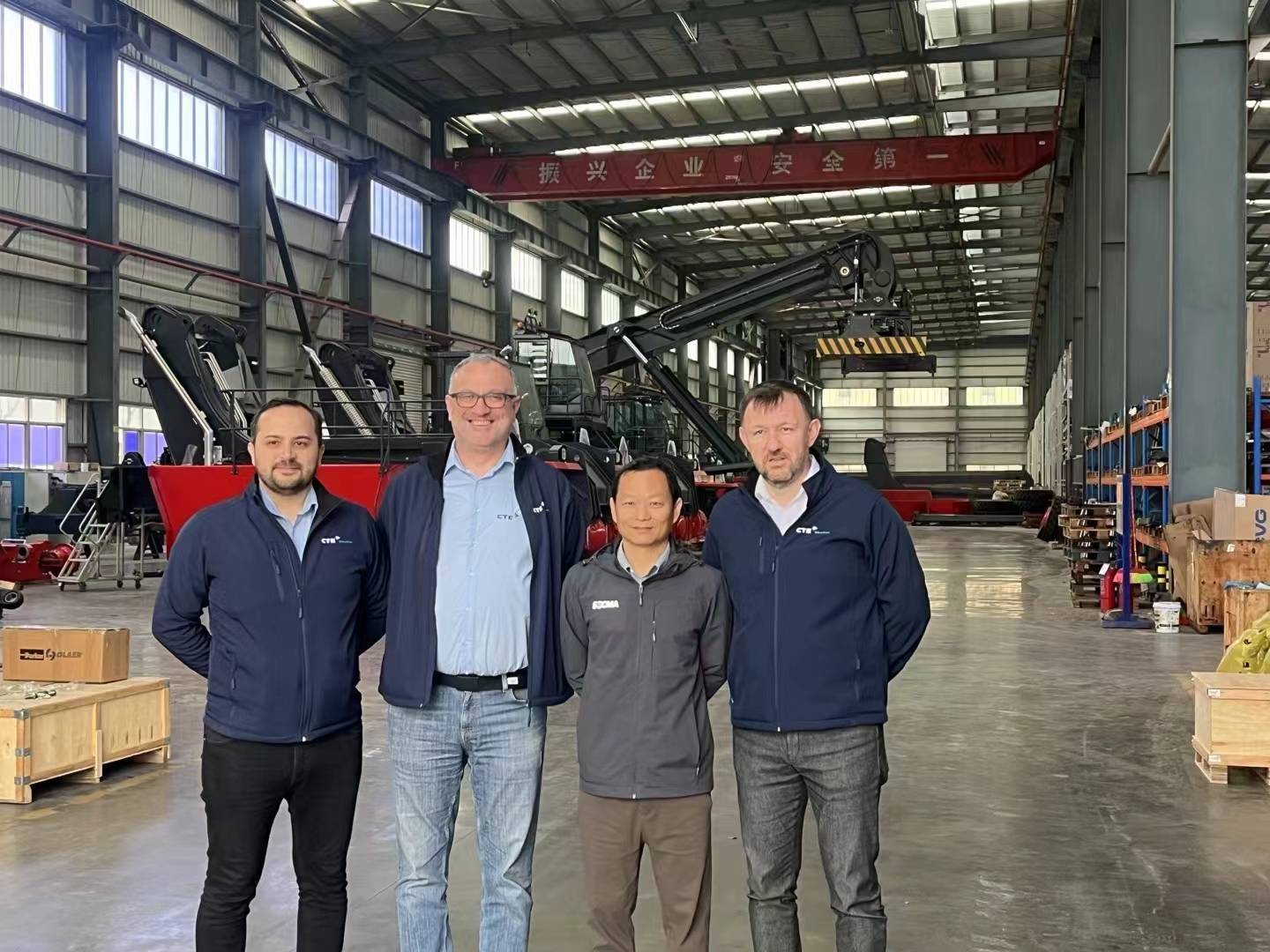
Camachem international export team coordinating calcium carbide logistics and compliance for global clients
Finding the right exporter can reduce import risks, delays, and compliance failures. Experienced partners like Camachem not only offer competitive bulk pricing but also assist with product inspection, logistics coordination, and post-sale support to ensure smooth delivery of calcium carbide to Australia.
At Camachem, we offer significant advantages that set us apart from typical trading companies:
- Deep Understanding of China & International Markets
Our bilingual team (Mandarin + English) bridges the communication gap and understands the unique needs of foreign buyers. - End-to-End Procurement (Factory Direct)
We work with certified manufacturers and ensure quality via third-party inspections where needed. - Proven Track Record
With over 10 years of export experience, we are trusted by multinational clients across various industries. - Long-Term Focus
We prioritize repeat clients, invest in production, and provide stable, high-quality supply chains. - Clear and Fast Communication
We quickly respond to inquiries, clarify specs, and get the right product to you as fast as possible. - Multi-Product Support (One Vendor Solution)
Through our subsidiaries like Camasteel, we can supply additional items—streamlining procurement for Australian clients.
Want to see how your calcium carbide is handled before shipping? Watch our Calcium Carbide Loading Process Video for a behind-the-scenes look.
Importing calcium carbide from China can be cost-effective and efficient when done right. Prioritize exporters with a strong track record and deep regulatory knowledge. Stay updated on China’s compliance trends and conduct a risk assessment before each order. With proper planning and the right partner like Camachem, Australian buyers can access top-tier calcium carbide with confidence and safety.
Conclusion: Why These Questions Matter
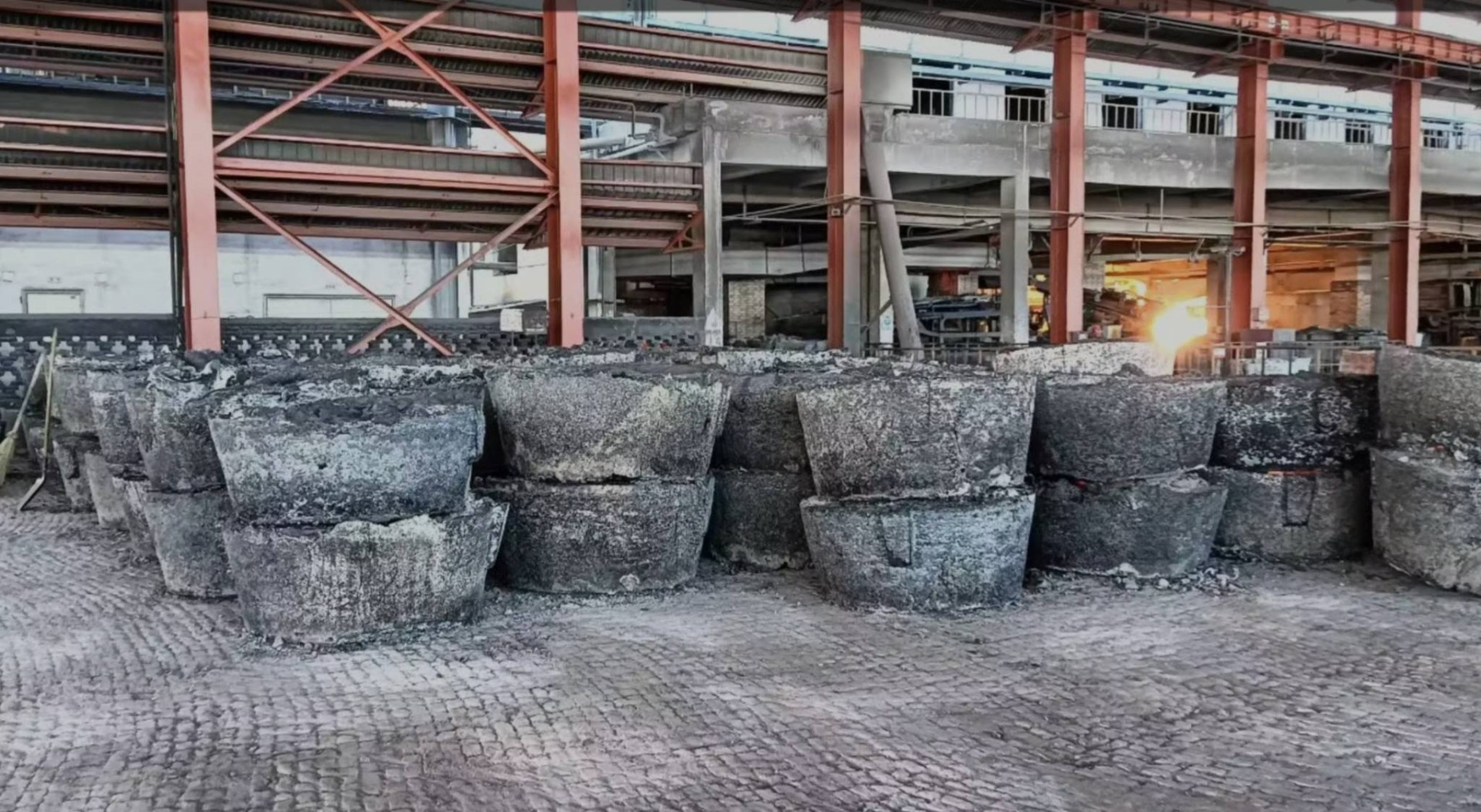
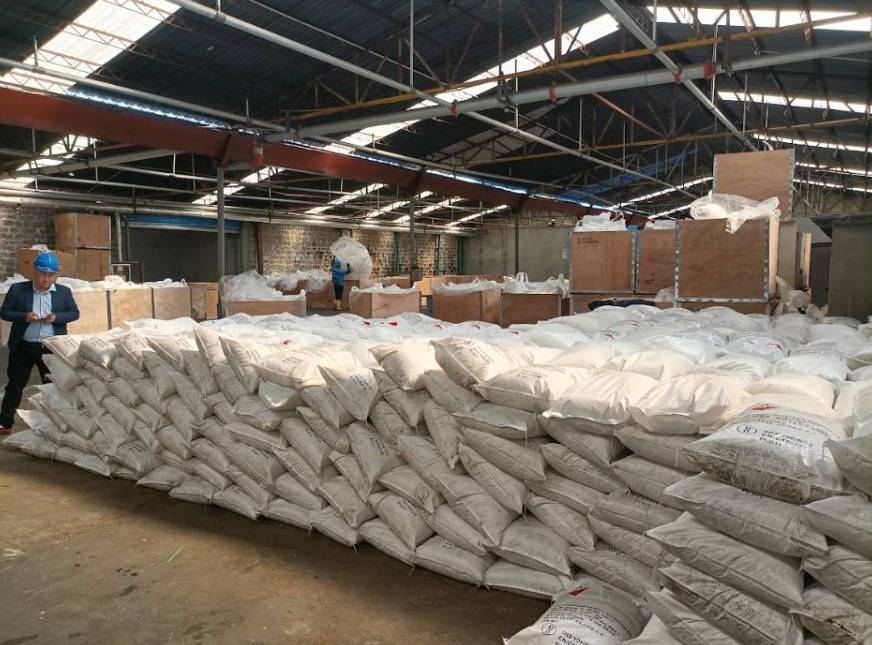
large-scale storage of calcium carbide in an industrial facility
Buying calcium carbide for Australia isn’t just about finding a product—it’s about buying legally, safely, and smartly. The five key questions we’ve explored help you cover all critical aspects of the purchasing journey.
By asking “Is Calcium Carbide Legal in Australia?”, you avoid regulatory trouble and ensure compliance. Understanding “What Are the Main Uses of Calcium Carbide?” lets you align with industrial demand and handle the product responsibly. Knowing “How Much Does Calcium Carbide Cost?” helps you plan budgets and compare suppliers effectively. Exploring “Where Can You Find Trusted Suppliers?” ensures you buy from verified sources with strong export records. Finally, “What Should You Know About Importing from China?” prepares you to navigate logistics, documentation, and safety with confidence.
These questions aren’t just informational—they’re strategic. They help you reduce risk, avoid delays, meet safety standards, and build long-term supplier relationships. With the right knowledge and partners, Australian buyers can fully benefit from China’s calcium carbide market while staying compliant and competitive.
How Camachem Helps You Get Quality Chemicals from China
✅ Do you spending too much time trying to find quality chemicals in China?
✅ Is it hard to explain your needs to Chinese suppliers?
✅ Do you need customized chemicals that regular suppliers can’t deliver?
✅ Do you want help getting the right chemicals, so you can focus on growing your business?
If your answer is YES, Reduce Your China Sourcing Headaches, WhatsApp Us (Faster) for a FREE Consultation
✅Camachem: Quality Chemicals. Every Single Time.✅
WhatsApp Us for Free a Consultation
FAQs:
1. What Is Calcium Carbide and How Does It Work?
Calcium carbide (CaC₂) is a key industrial chemical, especially valued for its ability to produce acetylene gas.
Main Reaction of Calcium Carbide with Water
When calcium carbide comes into contact with water, it undergoes a chemical reaction that releases acetylene gas (C₂H₂). This reaction is highly exothermic and produces flammable gas almost instantly, making calcium carbide a convenient on-site source of acetylene for welding, metal cutting, and other industrial uses.
How Calcium Carbide Is Produced
Calcium carbide is produced by heating lime (CaO) and coke at high temperatures in an electric arc furnace. This process yields solid chunks that typically appear as grey-white or brownish lumps, depending on the purity and carbon content. The resulting compound is highly reactive and widely used in industrial applications.
2. Is Industrial Calcium Carbide Dangerous to Use or Handle?
Yes, industrial-grade calcium carbide is classified as hazardous and must be handled with strict safety protocols. Here are some safety considerations:
- Reactivity
Calcium carbide reacts violently with water or even atmospheric moisture, releasing acetylene gas—a highly flammable and potentially explosive substance. This reaction occurs rapidly and generates significant heat, making it essential to handle calcium carbide with strict moisture control and proper safety measures, especially during storage and transportation in industrial settings.
- Bulk Handling Requirements
Calcium carbide must be stored in moisture-proof, airtight packaging to prevent accidental reactions with water or humidity. It should be kept in dry, well-ventilated areas to minimize the risk of gas buildup and ensure safe handling conditions. Additionally, it’s important to avoid contact with incompatible substances such as acids and oxidizers, as these can trigger hazardous chemical reactions.
- PPE & Protocols
When handling calcium carbide, it is essential to always wear protective gear, including gloves, safety goggles, and appropriate clothing, to prevent direct exposure. The material should never be touched with bare hands, as even slight moisture from the skin can trigger a dangerous chemical reaction.
- Hazards If Mishandled
Calcium carbide poses serious risks if mishandled, including fire, explosion, and the release of toxic fumes due to its reactive nature. Because of these dangers, it is legally classified as a hazardous substance in many countries, requiring strict compliance with safety regulations during storage, transport, and use.
3. How Does Calcium Carbide Compare to Similar Industrial Chemicals?
Calcium carbide is often favored over other acetylene or fuel sources for its efficiency and logistics flexibility.
|
Feature |
Calcium Carbide |
Acetylene Cylinders |
Propane |
|
Gas generation |
On-demand via water reaction |
Pre-filled, pressurized |
Pre-filled, flammable gas |
|
Safety |
Requires dry handling |
High pressure risk |
Less reactive but flammable |
|
Storage & transport |
Dry packaging, ventilated |
Heavy tanks, special permits |
Tanks, easier but less potent |
|
Cost efficiency (bulk) |
Cost-effective |
Expensive per unit volume |
Moderate |
|
Flexibility (remote use) |
High |
Limited |
Conditional |
4. What Are the Key Industrial Applications of Calcium Carbide?
Calcium carbide is widely used across various sectors, thanks to its versatility.
- Welding and Metal Cutting (via acetylene gas)
- Fertilizer Production (e.g., calcium cyanamide)
- Steelmaking (as a desulfurizing agent)
- Chemical synthesis (e.g., acetylene derivatives)
- Lamp fuel in mining (historically)
-
Bulk SMBS for Sale: 5 Key Applications for Australian Factories
 January 7, 2026
 -
Top 5 Xanthates Every Australian Mining Operation Should Source in Bulk
 January 6, 2026
 -
Top 7 Industrial Chemicals You Can Import from China to Australia in Bulk
 January 5, 2026
 -
5 Mining Reagents You Should Source in Bulk for Australian Operations
 December 31, 2025
 -
6 Chemicals Australian Water Treatment Plants Must Stock in Bulk
 December 30, 2025