
 Arabic
 English
 French
 Indonesia
 Portuguese
 Russian
 Spanish
 +86-157-2476-6919
Top 10 Bulk Pool Chemicals & Best Spa Chemicals from China

Introduction
Sourcing bulk pool chemicals and best spa chemicals from China goes beyond just cost savings — it’s about improving supply chain efficiency, ensuring consistent product quality, and building long-term operational resilience.
For businesses managing commercial pools and spas — such as hotels, fitness centers, wellness facilities, and residential complexes — the right combination of pool chemicals and spa chemicals is essential to maintain water clarity, safety, and regulatory compliance.
However, global procurement presents challenges. Identifying reliable suppliers, handling regulatory documentation, and navigating international logistics can consume valuable resources. That’s why strategic sourcing of bulk pool chemicals and best spa chemicals is critical. With the right partners, you can streamline your procurement, secure high-quality chemicals at scale, and minimize sourcing risks.
In this guide, we’ll explore why China is the leading destination for sourcing bulk pool chemicals and spa chemicals, and introduce the top 10 in-demand products trusted by global buyers in the hospitality, health, and recreational sectors.
Top 10 Pool and Spa Chemicals to Consider for Bulk Procurement
Bubbling water illustrating the action of pool and spa chemicals in maintaining water quality
Ensuring optimal water quality in pools and spas is vital for health, safety, and system performance. For commercial operators, choosing the right pool chemicals and spa chemicals plays a key role in meeting hygiene standards and protecting long-term infrastructure.
At Camachem, we go beyond simply supplying chemicals—we support businesses with a complete, reliable procurement process. From verified sourcing and quality control to export documentation and logistics, we help streamline bulk imports of pool and spa chemicals directly from trusted manufacturers in China.
Below is a breakdown of the top 10 pool and spa chemicals most commonly used in commercial systems, along with their key applications and how Camachem supports bulk purchasing at scale.
1. Calcium Hypochlorite (Ca(ClO)₂, 30–70%)
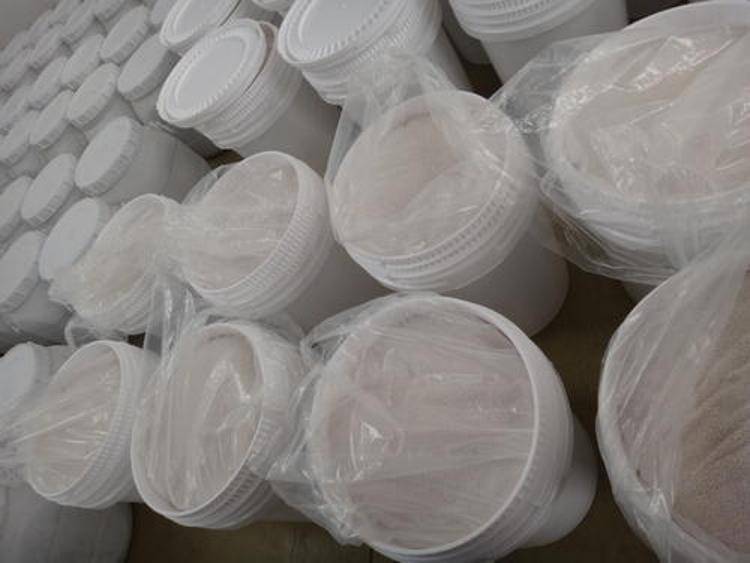
Calcium Hypochlorite as pool and spa chemical
Primary function: Shock disinfectant, daily chlorine sanitizer
Typical form: Granules or powder
Calcium Hypochlorite is a high-strength chlorine compound, ideal for shock treatments and routine disinfection. Its high available chlorine content (up to 70%) ensures rapid microbial control, even in high-load or emergency conditions.
Commercial relevance:
- Common in public and municipal pools
- Useful in large waterparks and spa facilities with heavy traffic
- Suitable for locations where long shelf life and high dosing power are required
Procurement advantage:
- More stable and transportable than liquid chlorine
- Lower cost per unit of available chlorine over time
Bulk Supply Available:
Order Calcium Hypochlorite (Sodium Process 65%)
See Our Fulfillment of Quality Calcium Hypochlorite Today!
Whatsapp Now For Quick Response!
2. Sodium Hypochlorite (NaOCl)
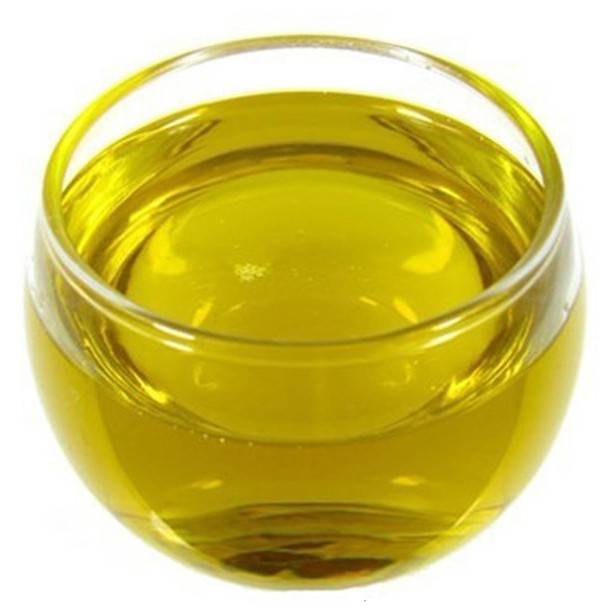
Sodium Hypochlorite (NaOCl) as pool and spa chemical
Primary function: Continuous liquid chlorination
Typical form: Liquid (10–15%)
Sodium Hypochlorite is ideal for continuous or automated chlorination systems, offering fast-acting disinfection. Though it contains lower chlorine concentration than calcium hypochlorite, its liquid form is well-suited for systems requiring high dosing frequency.
Commercial relevance:
- Hotels, spas, and facilities with auto-dosing systems
- High-volume or recirculating water systems
- Locations with a preference for liquid over solid chemicals
Procurement advantage:
- Compatible with dosing pumps
- Easier to mix and apply for automated systems
Learn more about its application and comparison with other chlorines:
Sodium vs. Calcium Hypochlorite – Comparison Blog
Frequently Asked Questions about Sodium Hypochlorite
Whatsapp Now For Quick Response!
3. Trichloroisocyanuric Acid (TCCA, ≥90%)
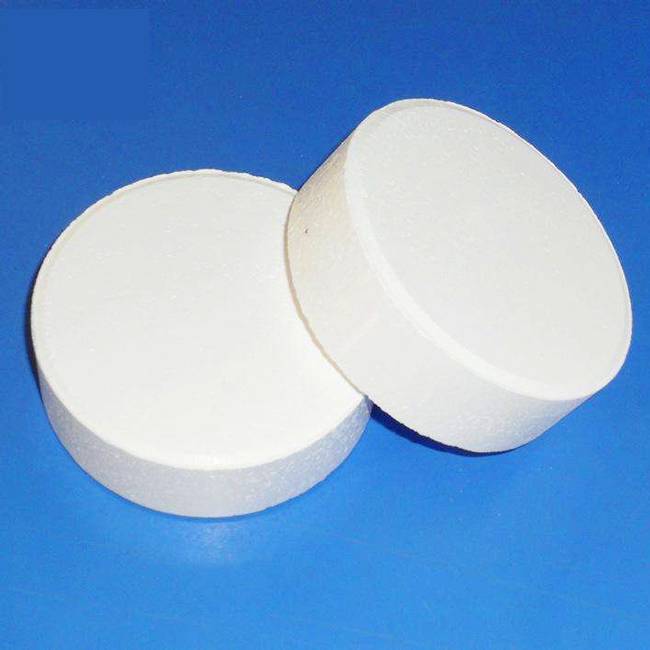
Trichloroisocyanuric Acid tablets as pool and spa chemical
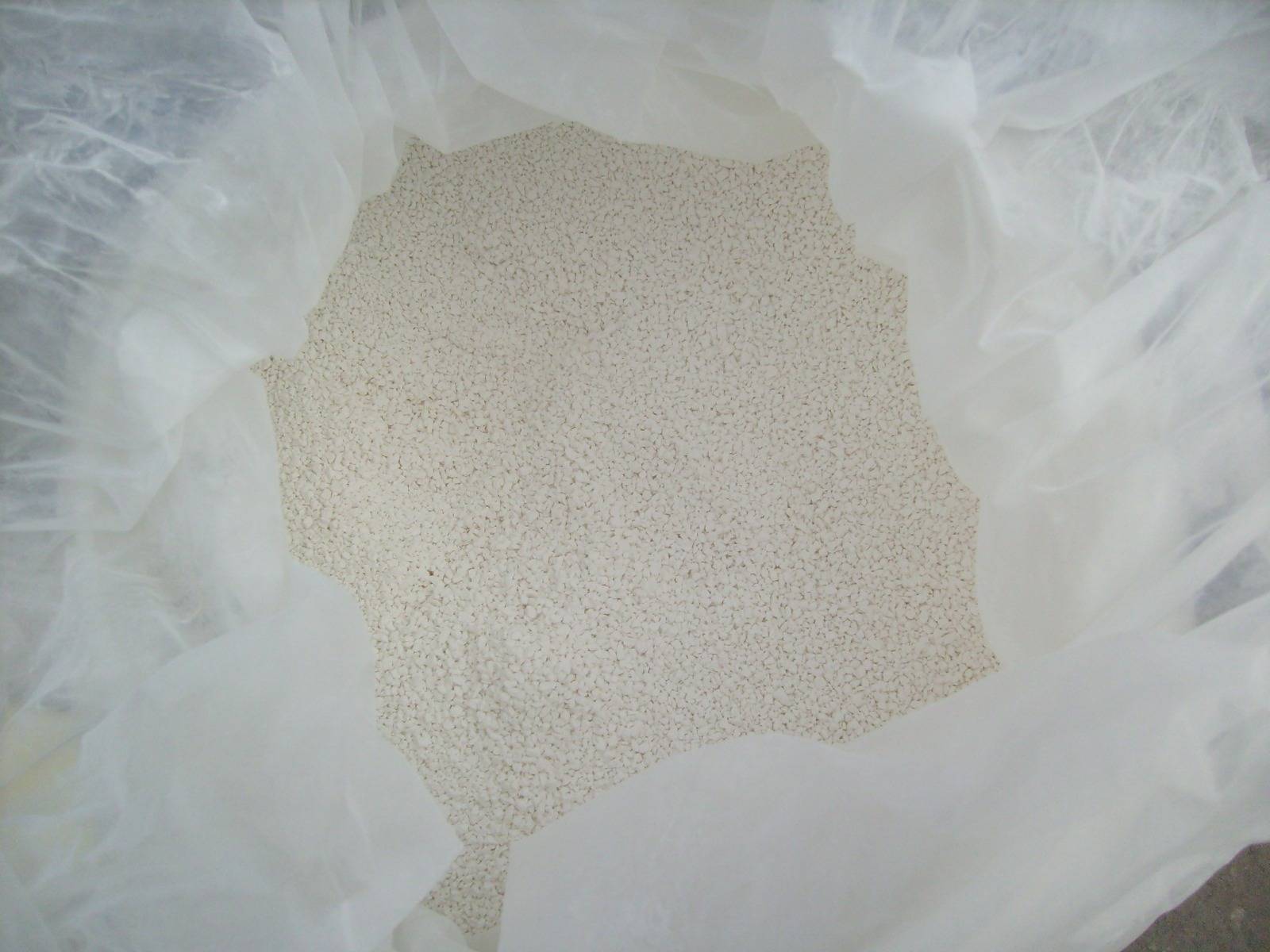
Trichloroisocyanuric Acid powder as pool and spa chemical
Procure TCCA Granules or Powder
Primary function: Slow-release chlorine sanitization
Typical form: Tablets, granules, or powder
TCCA is a stabilized chlorine compound that dissolves slowly, maintaining a consistent level of chlorine over time. With up to 90% active chlorine, it is highly effective for systems requiring sustained disinfection with minimal manual input.
Commercial relevance:
- Used in hotel and resort pools
- Ideal for long-term chlorine maintenance
- Preferred in systems that require minimal maintenance and consistent dosing
Procurement advantage:
- Reduced dosing frequency
- Longer shelf life and lower overall maintenance costs
Top 5 Most Important Water Chemicals (..and 1 BONUS one)
Whatsapp Now For Quick Response!
4. Sodium Dichloroisocyanurate Dihydrate (SDIC, ~60–65%)
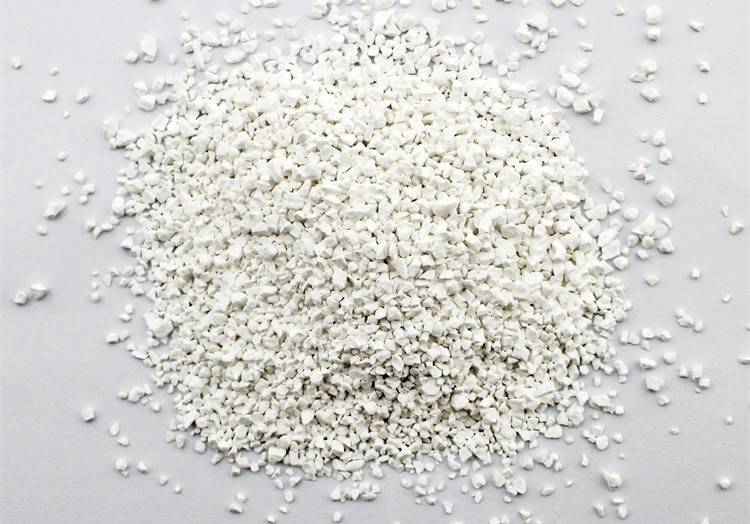
Sodium Dichloroisocyanurate Dihydrate as pool and spa chemical
Primary function: Fast-dissolving chlorine sanitizer
Typical form: Granules
SDIC provides a slightly lower chlorine concentration than TCCA but dissolves faster, making it ideal for daily or short-cycle sanitation. It is a flexible option for routine disinfection and smaller system maintenance.
Commercial relevance:
- Suitable for spas and therapy pools with shorter water cycles
- Used in systems requiring rapid chlorination
- Well-suited for facilities needing flexibility between TCCA and calcium hypochlorite
Procurement advantage:
- Cost-effective and fast-acting
- Easily stored and applied in smaller facilities
Explore SDIC product range and pricing
Whatsapp Now For Quick Response!
5. Cyanuric Acid
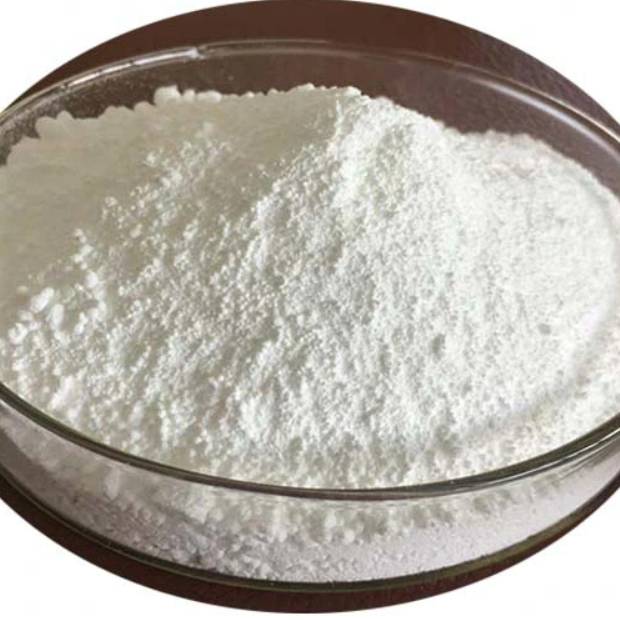
Cyanuric Acid as pool and spa chemical
Primary function: UV stabilizer for chlorine
Typical form: Powder or granules
Cyanuric Acid protects chlorine from ultraviolet degradation, extending its sanitizing effect in outdoor pool environments. It is essential for maintaining chemical balance in sunny climates.
Commercial relevance:
- Critical in outdoor pool and spa systems
- Common in hotels, resorts, and rooftop facilities
- Helps reduce chlorine consumption over time
Procurement advantage:
- Lowers long-term operational cost
- Improves sanitizer efficiency and reduces reapplication
Secure bulk Cyanuric Acid supply
Whatsapp Now For Quick Response!
6. Polyaluminium Chloride (PAC)
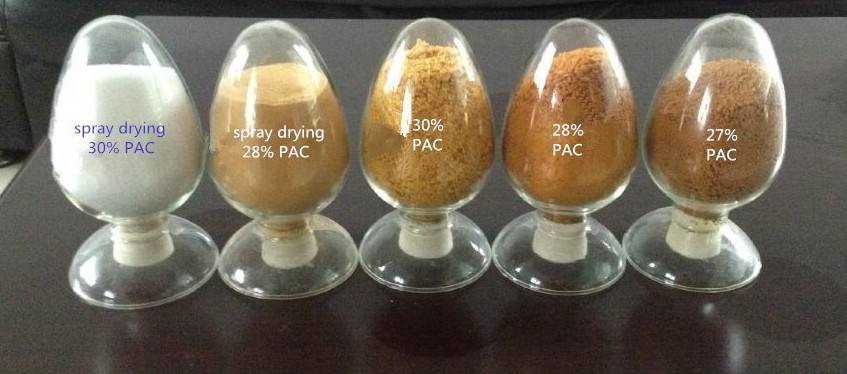
Polyaluminium Chloride (PAC) as pool and spa chemical
Primary function: Advanced coagulant for turbidity control
Typical form: Liquid or powder
PAC is a modern, high-efficiency coagulant used to reduce suspended particles, organic matter, and turbidity. It outperforms traditional alum by working across a wider pH range, producing less sludge, and acting faster.
Commercial relevance:
- Used in high-load pools and spas
- Preferred for large-scale water treatment systems
- Ideal for clients seeking compliance with high water quality standards
Procurement advantage:
- Less chemical waste
- Reduced operational maintenance and downtime
Read our PAC Procurement Guide
Whatsapp Now For Quick Response!
7. Ferric Chloride (FeCl₃)
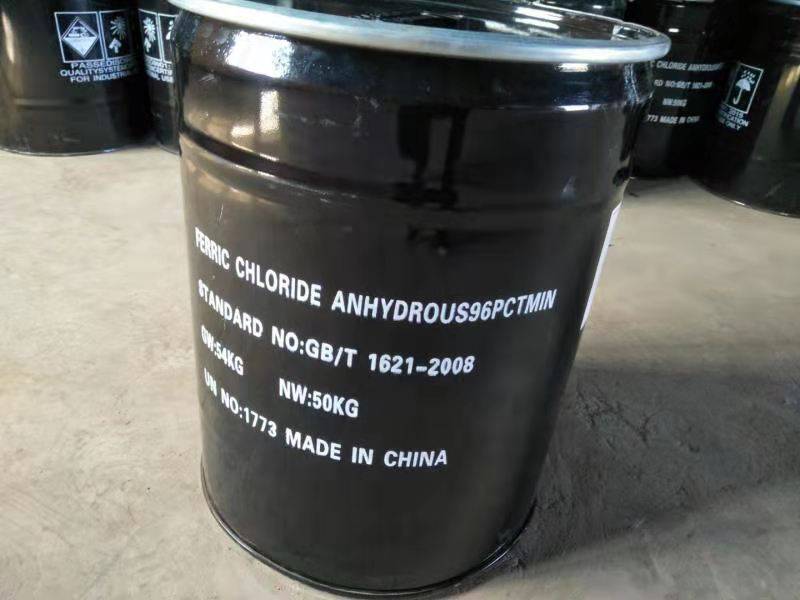
Ferric Chloride as pool and spa chemical
Primary function: Secondary coagulant and phosphate remover
Typical form: Liquid or solid
Ferric Chloride is commonly used alongside PAC to improve coagulation performance and remove phosphates—helping to prevent algae growth and improve sedimentation.
Commercial relevance:
- Used in eco-sensitive or algae-prone systems
- Suitable for large water treatment setups
- Helpful in reducing cloudiness and biofouling
Procurement advantage:
- Supports phosphate removal and reduces biological load
- Improves the performance of filtration systems
Request Ferric Chloride for pool water clarification
Ferric Chloride - What is it and How is it Used?
Whatsapp Now For Quick Response!
8. Aluminium Sulfate (Alum)
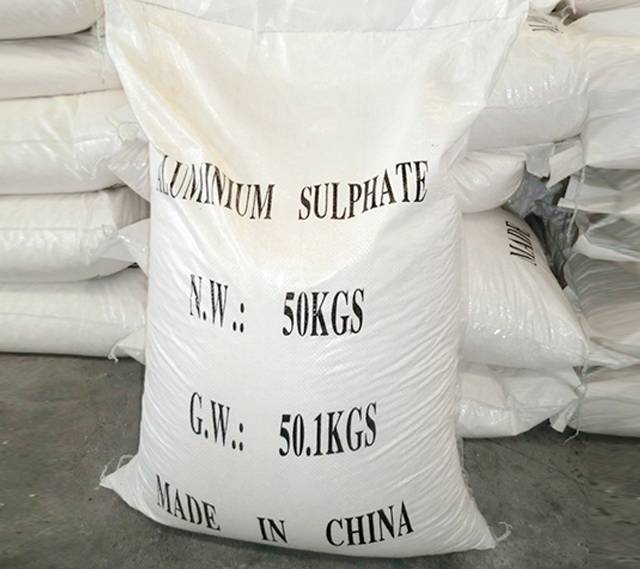
Aluminium Sulfate (Alum) as pool and spa chemical
Primary function: Traditional coagulant and clarifier
Typical form: Powder (non-ferric)
Aluminium Sulfate is a cost-effective flocculant that helps bind fine particles, allowing them to be removed via filtration or sedimentation. It remains a standard solution in many municipal and traditional pool systems.
Commercial relevance:
- Ideal for legacy systems or budget-sensitive operations
- Common in public sector water treatment facilities
- Useful in settings where PAC may not be suitable
Procurement advantage:
- Economical, proven, and easy to apply
- Widely compatible with standard filtration equipment
Purchase Non-Ferric Aluminium Sulfate in Bulk
Learn More About Application and Buying Guide
Whatsapp Now For Quick Response!
9. Polyacrylamide (PAM)
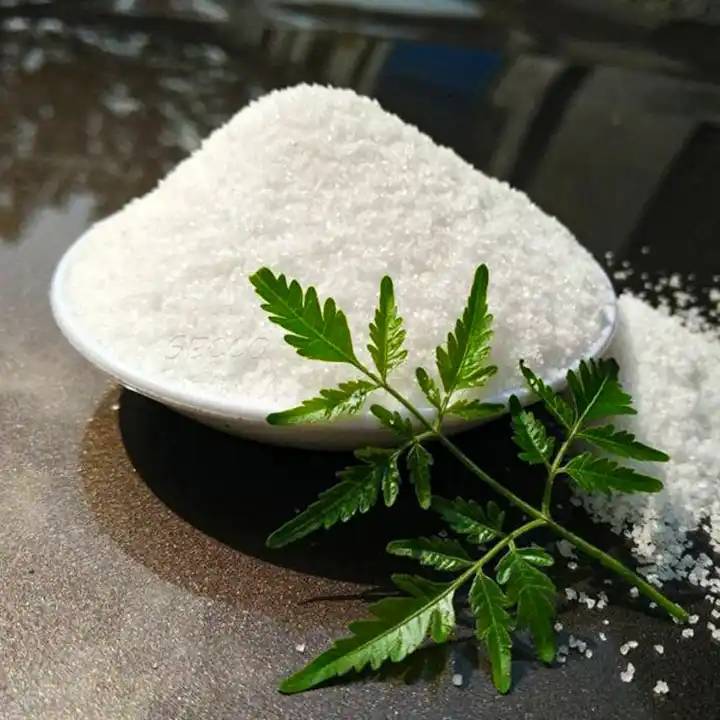
Polyacrylamide (PAM) as pool and spa chemical
Primary function: Polymer flocculant for enhanced clarification
Typical form: Powder or emulsion
PAM is used alongside PAC or alum to enhance sedimentation and filtration efficiency. It is particularly effective in polishing water and reducing the turbidity in high-standard systems.
Commercial relevance:
- Used in high-performance spa systems and therapy pools
- Suitable for systems with stringent water clarity requirements
- Supports compliance in regulated aquatic environments
Procurement advantage:
- Reduces need for repeated flocculation
- Improves filter efficiency and lowers backwash frequency
Shop Polyacrylamide for water treatment applications
Whatsapp Now For Quick Response!
10. Caustic Soda (Sodium Hydroxide)
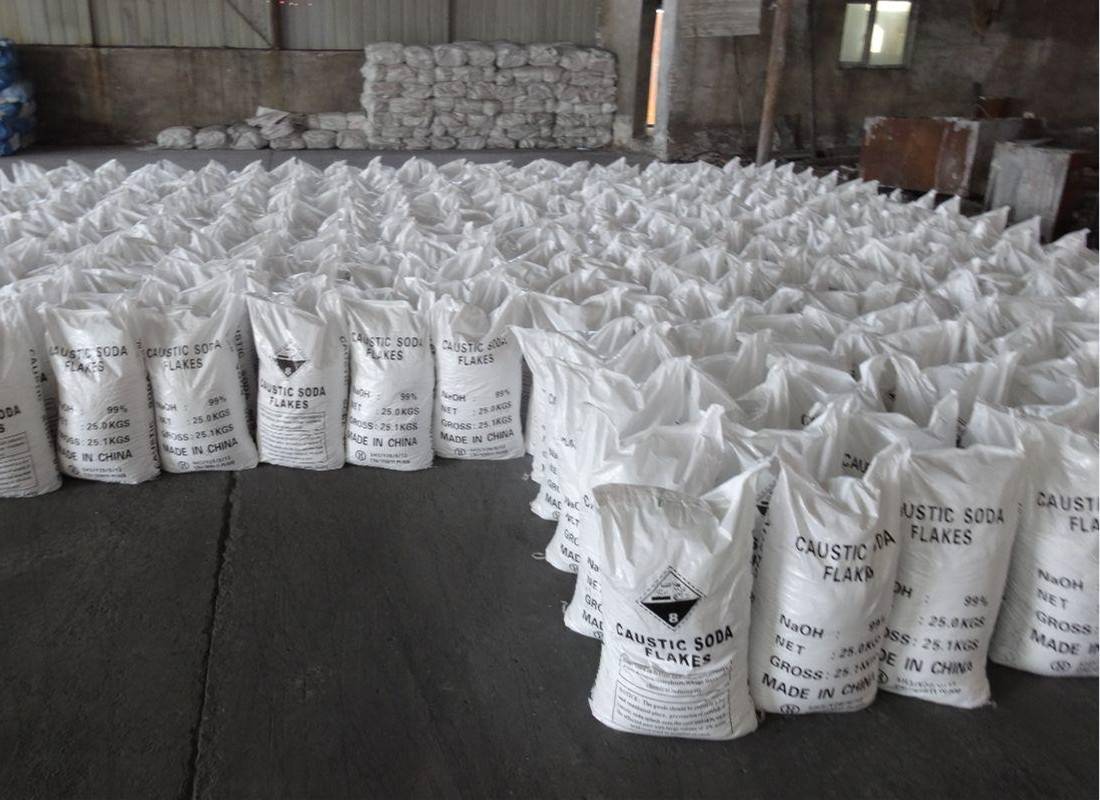
Caustic Soda (Sodium Hydroxide) as pool and spa chemical
Primary function: pH regulation and alkalinity control
Typical form: Flakes or pearls
Caustic Soda is used to raise pH levels and neutralize acidic water, helping to maintain ideal conditions for sanitizer effectiveness and infrastructure protection.
Commercial relevance:
- Essential in pools using chlorine-based acids
- Used in systems prone to pH drops due to usage or environmental factors
- Protects pumps, heaters, and piping systems from corrosion
Procurement advantage:
- Industrial-grade REACH-certified supply
- Flexible packaging for bulk or container shipments
Get Certified Caustic Soda in Bulk
Inside our WAREHOUSE | How we SHIP our chemicals!
Whatsapp Now For Quick Response!
Why source bulk pool chemicals and best spa chemicals from China?
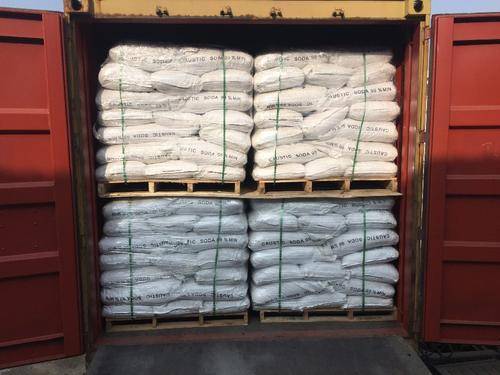
Bulk pool chemicals and best spa chemicals being sources from China
Sourcing bulk pool chemicals and the best spa chemicals from China has become a strategic priority for many mid-sized businesses seeking dependable supply, cost control, and scalable procurement. From global hospitality brands to regional distributors, decision-makers are increasingly turning to China for high-quality pool and spa chemicals—and for good reason.
Cost efficiency and competitive margins

Cost efficient chemicals save money
One of the most compelling reasons to source pool chemicals and spa chemicals from China is the significant cost advantage:
● Economies of scale:
China’s top chemical manufacturers operate at massive production volumes, reducing the cost per kilogram for buyers sourcing in bulk. These cost efficiencies are passed directly to you as a B2B importer.
● Favorable exchange rates:
If you're purchasing in USD, EUR, or AUD, currency strength often works in your favor—especially when dealing in large-volume contracts for bulk pool chemicals.
● Higher resale margins:
Lower landed costs allow you to maintain better gross margins or offer more competitive pricing in your local market. Whether you're distributing pool and spa chemicals or managing operating costs for a commercial facility, the savings are tangible.
Manufacturing scale and global supply chain readiness

Global supply-chain for pool and spa chemicals
China isn’t just the world’s manufacturing hub—it’s uniquely structured to handle chemical exports at scale:
● Integrated production zones:
Leading provinces like Jiangsu, Shandong, and Guangdong are home to specialized chemical clusters. These zones combine raw material sourcing, formulation, packaging, and logistics—allowing for faster production cycles and streamlined fulfillment of bulk pool chemicals and spa chemicals.
● Reliable freight infrastructure:
China’s export network supports weekly and even daily sea freight departures to major global ports. That means faster turnaround times and fewer delays for importers managing large volumes of pool chemicals and spa chemicals.
● Export-ready certifications:
Most reputable Chinese suppliers already comply with international standards like ISO 9001, ISO 14001, and REACH. This simplifies import compliance, especially for companies distributing regulated pool and spa chemicals in Europe, Australia, or North America.
Bonus for busy procurement teams: Many suppliers also offer documentation packages—including COAs, SDS/MSDS files, and third-party inspection results—which can save your team hours in due diligence and regulatory prep.
How To Vet Suppliers of Bulk Pool Chemicals And Best Spa Chemicals In China
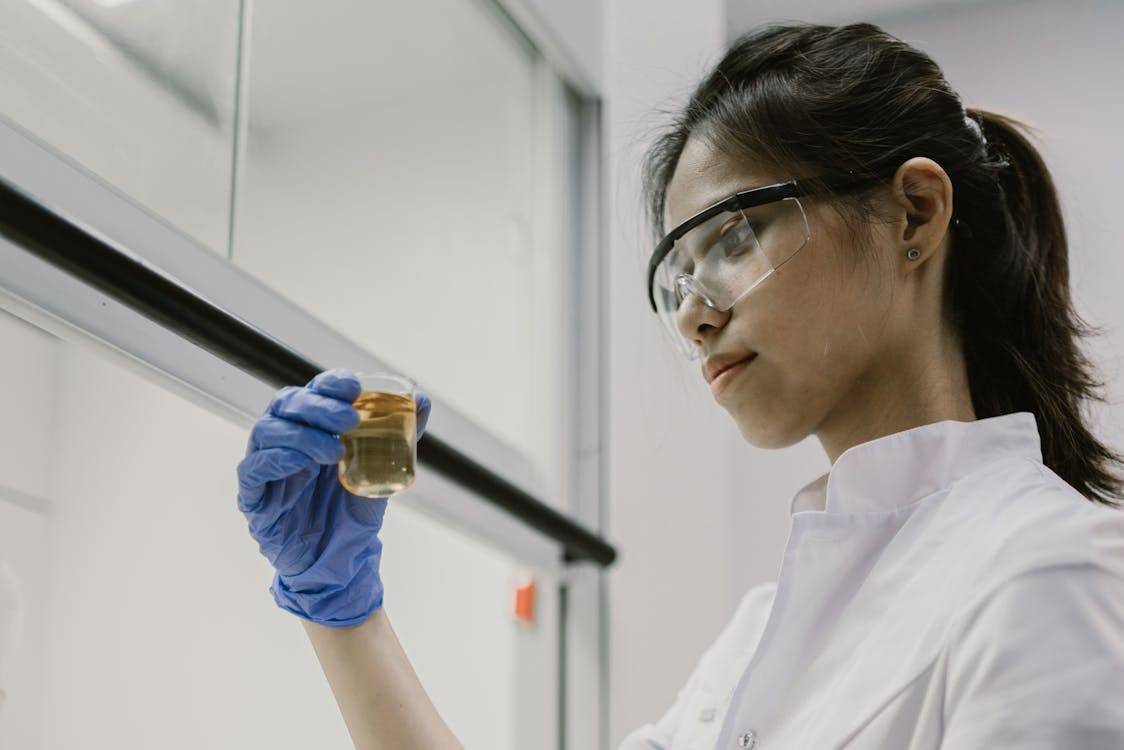
Third‑party auditor reviewing pool and spa chemicals at a Chinese plant
Certifications to Request (ISO, REACH, etc.)
- ISO 9001 for quality management systems
- ISO 14001 for environmental compliance
- REACH compliance for chemical safety in global markets
- MSDS (Material Safety Data Sheets) for every chemical batch
On‑Site Audits vs. Third‑Party Checks
- On‑site visits: Ideal for forming strategic partnerships
Third-party inspections: A fast, cost-effective way to verify quality—companies like SGS or Bureau Veritas can conduct random sample tests
Conclusion

Corporate man thinking about pool and spa chemicals sourcing
Sourcing your bulk pool chemicals and best spa chemicals from China delivers strategic advantages: sharp cost savings, massive production capacity, and reliable logistics. But you need to vet suppliers carefully—verify certifications, inspect operations, and negotiate smart. Target the top 10 chemicals listed, use MOQ flexibility, and choose your Incoterms wisely to optimize your supply chain and stay competitive.
Why Choose CAMACHEM for Your Bulk Pool and Best Spa Chemical Procurement?
Looking for trusted Chinese suppliers of pool and spa chemicals? Camachem is a strategic partner to procurement teams, supply chain professionals, and business owners seeking to import chemicals in bulk from China without the hassle of supplier research, vetting, and logistics management.
We Provide:
- Verified, export-ready suppliers with ISO, REACH, and SDS documentation
- Full container load and LCL procurement options
- Consolidated chemical sourcing to reduce shipment costs
- Dedicated account managers for long-term chemical supply strategy
- Transparent pricing and QC processes
Whatsapp Now For Quick Response!
How Sourcing Works (CAMACHEM’s Value Chain)

Camachem’s expert sourcing team ensures end-to-end chemical procurement—vetting bulk spa and pool chemical suppliers, managing quality control, and overseeing global delivery.
At Camachem Ltd., a subsidiary of CAMAL Group, we’ve broken down our procurement process into short, easy-to-understand videos. Whether you're sourcing Pool and Spa Chemicals or any other industrial chemical, these quick clips show you exactly how we handle everything from chemical selection to shipping and after-sales service.
Whatsapp Now For Quick Response!
Step 1: Understanding Your Chemical Requirement
Step 2: Initial Offer and Quotation related chemicals you need
Step 3: Balance Payment & Shipping
Whatsapp Now For Quick Response!
How Camachem Helps You Get Quality Chemicals from China
✅ Do you spend too much time trying to find quality chemicals in China?
✅ Is it hard to explain your needs to Chinese suppliers?
✅ Do you need customized chemicals that regular suppliers can’t deliver?
✅ Do you want help getting the right chemicals, so you can focus on growing your business?
If your answer is YES, Reduce Your China Sourcing Headaches, WhatsApp Us (Faster) for a FREE Consultation
✅ Camachem: Quality Chemicals. Every Single Time. ✅
Frequently Asked Questions About Pool & Spa Chemicals
1. Are pool and spa chemicals the same? What is the difference between pool and spa chemicals?
While pool and spa chemicals may seem similar, they are not always interchangeable due to differences in water volume, temperature, and bather load.
- Spa chemicals are more concentrated and specifically formulated to handle higher temperatures and smaller water volumes.
- Pool chemicals, although similar in function, are designed for larger bodies of water and often at lower concentrations.
- According to Pool & Spa Warehouse Magazine, spa sanitizers often require faster-dissolving compounds and more frequent monitoring.
- Customer feedback on platforms like PoolSupplyWorld mentions that using pool-grade chemicals in a spa can lead to residue buildup or unbalanced pH levels.
✅ Pro Tip: Always use spa-specific chemicals for hot tubs and swim spas to avoid damage to internal components and ensure user safety.
2. What chemicals are used in pools and spas to purify water?
Both pools and spas rely on a chemical sanitation system to kill bacteria, prevent algae, and maintain water clarity.
- Chlorine or bromine (as sanitizers)
- pH balancers (pH increasers or decreasers)
- Alkalinity increasers and calcium hardness adjusters
- Shock treatments (oxidizers)
- Algaecides (mainly for pools)
According to Pool & Hot Tub Alliance, a balanced regimen keeps water safe and extends equipment life.
3. What chemicals do you need for a swim spa?
A swim spa is a hybrid system and requires careful balancing:
- Chlorine or bromine for ongoing sanitization
- Non-chlorine shock for oxidation and odor control
- pH and alkalinity balancers to prevent corrosion or scale buildup
- Calcium hardness increaser to protect internal surfaces
Consumer reviews from Swim Spa Warehouse suggest that using a weekly test-and-treat schedule reduces issues like cloudy water and foaming.
4. What chemicals do you need in a spa?
Most spa systems require:
- Bromine (preferred in hot water systems) or chlorine
- pH increaser/decreaser
- Shock oxidizer
- Metal sequestrant (especially in areas with hard water)
- Foam reducer (optional but recommended)
Professionals from SpaRetailer Magazine recommend maintaining consistent sanitizer levels between uses to reduce risk of bacteria growth.
5. What are the three main chemicals for a pool?
- Chlorine – for disinfection
- pH balancer – to maintain water acidity between 7.2–7.6
- Alkalinity increaser – to stabilize pH and prevent fluctuations
According to Backyard Leisure Professionals, neglecting these three can lead to algae blooms, cloudy water, or liner damage.
6. How to correct pH in pool?
Balancing pH is essential for chemical effectiveness and user comfort.
- Test water using a digital or strip test kit.
- If pH is below 7.2, use a pH increaser like sodium carbonate.
- If pH is above 7.8, use a pH reducer like muriatic acid or sodium bisulfate.
- Re-test after 4–6 hours and adjust as needed.
According to SwimUniversity.com, balanced pH helps prevent eye irritation, corrosion, and improves chlorine efficiency.
7. What 3 chlorine is used in water treatment?
- Calcium hypochlorite – fast-acting, granular; common in pools
- Sodium hypochlorite – liquid chlorine, used in commercial systems
- Trichlor tablets – slow-release, used in floating dispensers
As reviewed in Aquatics International, each form serves different purposes and environments. Trichlor is often favored for low-maintenance systems.
8. How long can a spa go without chlorine?
Without chlorine, a spa should not be used for more than 1–2 days, especially if used frequently. Warm water breeds bacteria faster than pools.
- According to Hot Tub Focus, even one day without sanitizer in a hot spa can create unsafe conditions.
- For low-usage periods, consider mineral systems or ozonators as backups.
9. Can I use normal chlorine in a spa?
Yes, but it must be used cautiously.
- Use dichlor chlorine, a stabilized form safe for high-temperature use.
- Avoid calcium hypochlorite, as it dissolves too quickly and can cause scale.
- Spa reviews on SpasDirect Australia advise avoiding pool tablets (trichlor) due to acidic pH and high chlorine concentration.
10. How to start spa chemicals?
Starting up a spa involves careful chemical setup:
- Fill the spa with fresh water.
- Test for pH, alkalinity, and calcium hardness.
- Adjust alkalinity (80–120 ppm) first, then pH (7.2–7.6).
- Add sanitizer (bromine or chlorine).
- Run jets for 15–30 minutes, then re-test.
PoolSupplyWorld recommends waiting 12–24 hours before using the spa to ensure balance is stable.
11. How to maintain a swim spa?
Ongoing care is essential to keep water safe and equipment running:
- Test water 2–3 times a week
- Clean filters every 2 weeks
- Shock treat weekly or after heavy use
- Drain and refill every 3–4 months
Industry experts at SwimLife Spas highlight that consistent maintenance helps reduce long-term chemical costs and prevents equipment failure.
-
What is the Difference Between Caustic Soda Pearls and Caustic Soda Flakes? (2026 Update)
June 8, 2026
-
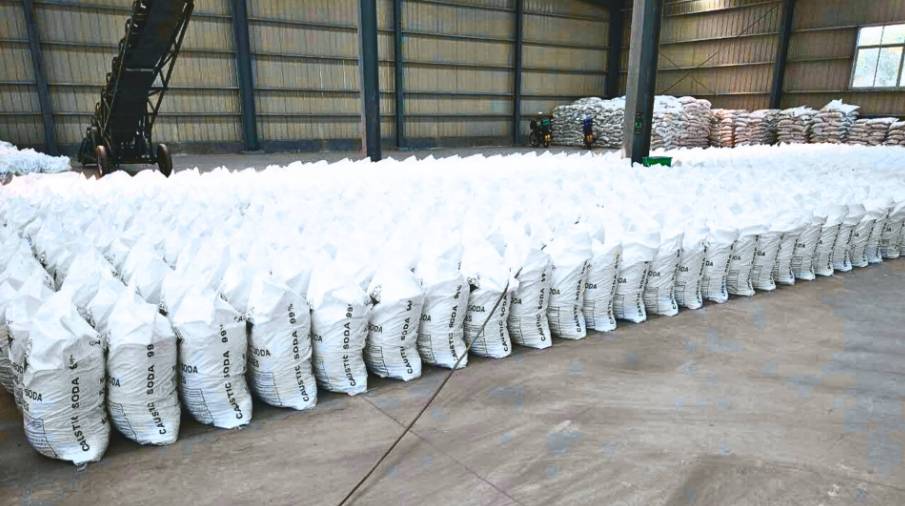
Top 10 Caustic Soda Suppliers in Australia [2026]
 June 8, 2026
 -
Frequently Asked Question about Phosphoric Acid
June 8, 2026
-
Zinc Chloride: 5 Hazards and Safety Measures You Need To Know
June 4, 2026
-
10 Things I Need To Know About Zinc Chloride (2026 Update)
June 4, 2026