
 Arabic
 English
 French
 Indonesia
 Portuguese
 Russian
 Spanish
 +86-157-2476-6919
Top 10 Chemicals in Animal Health

Why Animal Health Chemicals Matter in Modern Farming
Animal health is vital to the global food supply chain. Healthy livestock leads to better productivity, improved food safety, and reduced costs. For procurement managers in the animal health industry, sourcing the right chemicals is critical. These compounds protect animals from disease, improve feed efficiency, and support growth.
Animal health covers a broad range of areas including disease prevention, diagnosis, treatment, and nutritional support. Medicines, feed additives, and supplements all play a role in maintaining livestock wellness. Good animal health ensures stronger immunity, better reproduction, and sustainable farming. If you're looking for feed-specific compounds like vitamin A, D3, choline chloride, and enzymes, you may also be interested in our related guide: Top 10 Animal Feed Chemicals.
In this blog, we explore the top 10 chemicals in animal health, including their uses, benefits, and why they matter to your supply chain. Whether you work in feed production, veterinary pharmaceuticals, or livestock management, this guide will help you make better sourcing decisions.
|
No. |
Chemical Name |
|
1 |
Glutaraldehyde |
|
2 |
Zinc Compounds |
|
3 |
Acidifiers |
|
4 |
Sodium-Based Additives |
| 5 |
Calcium-Based Additives |
| 6 |
Copper Sulfate Pentahydrate |
|
7 |
Ammonium Sulfate |
|
8 |
Choline Chloride |
|
9 |
DiCalcium Phosphate (DCP) |
|
10 |
Hydrogen Peroxide |
Here’s a detailed overview of the top 10 chemicals essential for maintaining animal health and boosting livestock productivity.
1. Glutaraldehyde
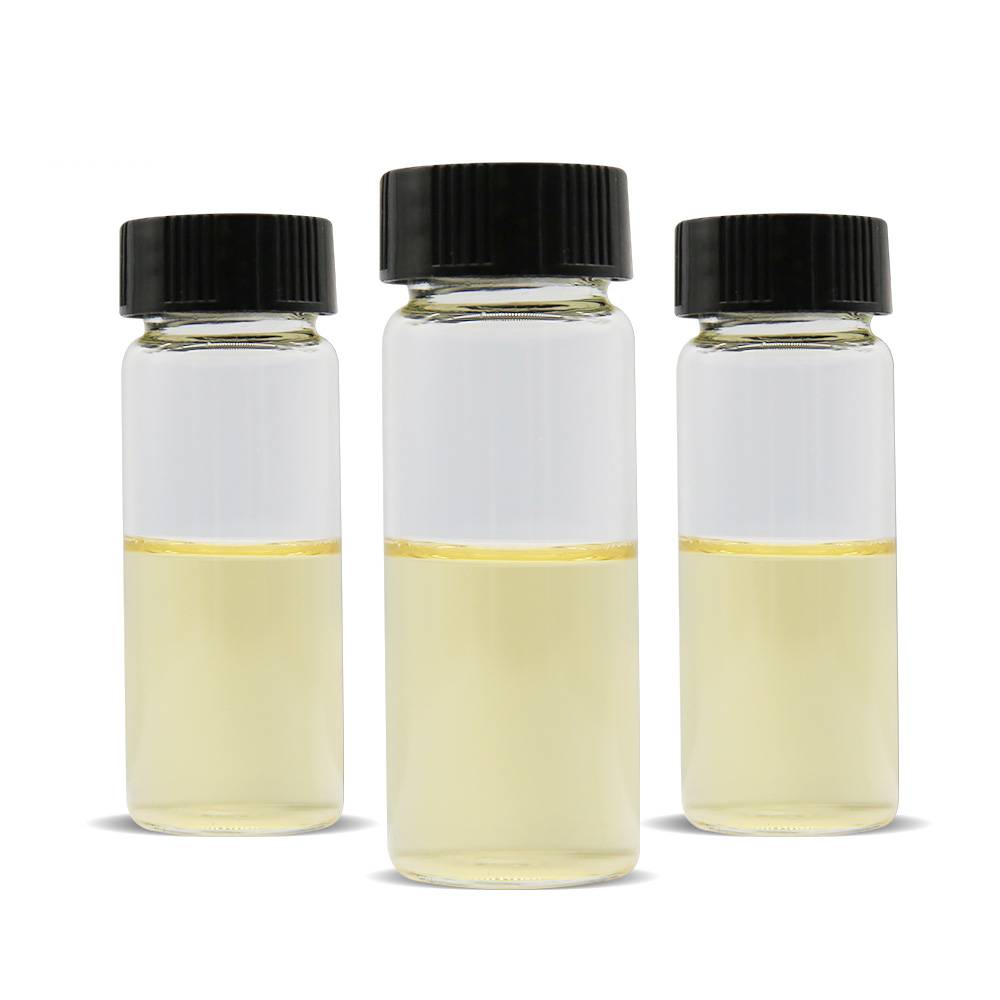
Glutaraldehyde used in animal health for disinfecting livestock facilities.
Glutaraldehyde is one of the most powerful disinfectants used in modern livestock farming. It offers fast-acting, broad-spectrum antimicrobial activity, making it ideal for high-biosecurity environments such as poultry farms, pig breeding facilities, and veterinary clinics. Unlike bleach-based solutions, glutaraldehyde works even in the presence of organic matter, maintaining stability over a wide pH range.
It’s commonly used in combination with quaternary ammonium compounds to sanitize animal housing, hatcheries, and transport vehicles. Its effectiveness against spores, viruses, and fungi makes it a cornerstone of biosecurity protocols, helping prevent the spread of diseases like avian influenza and swine dysentery.
Functional Benefits
- Kills bacteria, viruses, fungi, and spores
- Effective even in organic-rich environments
- Remains active over a wide pH range
- Rapid disinfection with short contact time
- Compatible with fogging and spraying systems
Application
- Poultry houses and hatchery surface disinfection
- Swine barns and transport crates
- Milking equipment and dairy facilities
- Disinfection of livestock vehicles and equipment
- Veterinary hospitals and surgical instruments
2. Zinc-Based Additives: Zinc Oxide & Zinc Sulfate
Zinc is a crucial trace mineral in animal health, especially for young animals and poultry. It plays a key role in immunity, growth, reproduction, and skin integrity. Two of the most widely used zinc compounds in animal nutrition are Zinc Oxide (ZnO) and Zinc Sulfate (ZnSO₄). Both forms are used as feed additives, but they differ in bioavailability, solubility, and usage contexts.
Zinc Oxide (ZnO)
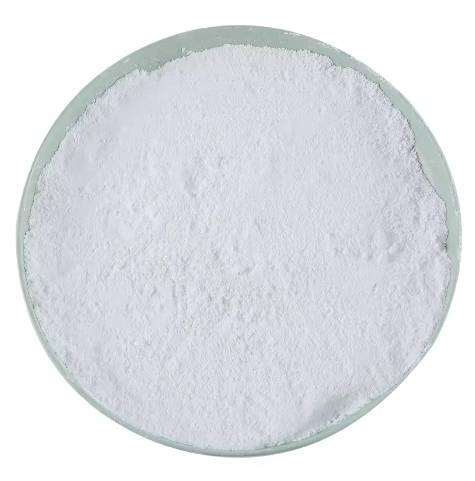
Zinc Oxide powder used as an essential additive in animal health feed for piglets and poultry.
- Function
- Reduces post-weaning diarrhea in piglets
- Supports epithelial integrity and wound healing
- Provides antimicrobial effects in the gut
- Reduces post-weaning diarrhea in piglets
- Application
-
- Commonly added to piglet feed at 2,000–3,000 ppm (short-term, post-weaning)
- Also used in poultry diets at lower doses to support immune strength
- Often phased out gradually due to environmental concerns, especially in Europe
- Commonly added to piglet feed at 2,000–3,000 ppm (short-term, post-weaning)
Zinc Sulfate (ZnSO₄)
Zinc Sulfate is more soluble and comes in two major forms: Monohydrate and Heptahydrate, both used in various animal health applications.
Zinc Sulfate Monohydrate (98%)
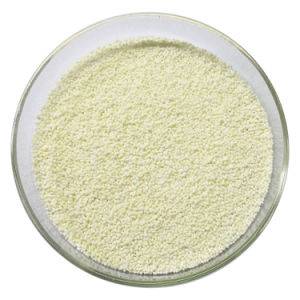
Zinc Sulfate Monohydrate 98% used in animal health feed to improve growth and hoof condition.
- Function
- Highly concentrated source of bioavailable zinc
- Supports bone growth, reproductive health, and immune response
- Highly concentrated source of bioavailable zinc
- Application
-
- Ideal for dry feed premixes due to lower moisture content
- Used in pig, poultry, and cattle feed
- Ideal for dry feed premixes due to lower moisture content
Zinc Sulfate Heptahydrate (99%)
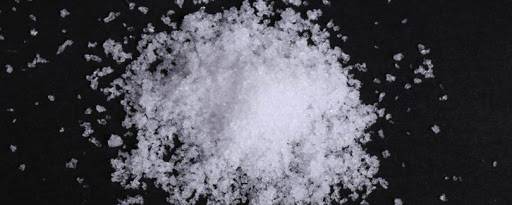
Zinc Sulfate Heptahydrate 99%—widely used in animal health feed applications to support immunity.
- Function
- Offers high water solubility, making it suitable for liquid applications
- Used in livestock drinking water systems, footbaths, and aquaculture
- Offers high water solubility, making it suitable for liquid applications
- Application
-
- Suitable for poultry and aqua feeds requiring quick zinc release
- Used in 2–5% footbath solutions for cattle hoof health
- Suitable for poultry and aqua feeds requiring quick zinc release
Zinc Sulfate Monohydrate vs. Heptahydrate: Which to Choose?
Use Zinc Oxide for high-dose short-term piglet care, Zinc Sulfate Monohydrate for stable dry premixes, and Heptahydrate for aquaculture and water-soluble formulations.
|
Feature |
Zinc Sulfate Monohydrate (98%) |
Zinc Sulfate Heptahydrate (99%) |
|
Zinc Content |
~35.5% |
~22% |
|
Moisture Content |
Lower (1 molecule of water) |
Higher (7 molecules of water) |
|
Solubility |
Moderate |
High |
|
Form |
Fine powder |
Crystalline granules |
|
Stability in Feed |
More stable |
Less stable in dry premixes |
|
Best Used In |
Solid premixes, dry feed |
Liquid feed, waterline dosing, aquaculture |
|
Price |
Typically higher per zinc unit |
More economical for soluble uses |
If you’d like to learn more, check out our in-depth article on What is Zinc Sulfate?
Need help choosing the right supplier or product?
Contact us for a FREE consultation and get tailored advice for your procurement needs.
Whatsapp Now For Quick Response!
3. Acidifiers: Formic Acid & Citric Acid
Acidifiers are widely used in animal nutrition to lower gut pH, inhibit harmful bacteria, and improve nutrient absorption. Among them, formic acid and citric acid are two of the most effective and frequently used types in livestock and poultry feed formulations.
Formic Acid
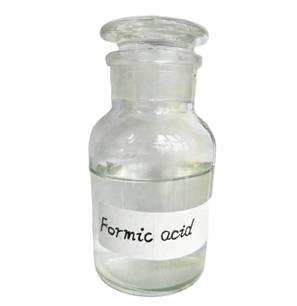
Formic Acid used in animal health for silage treatment and bacterial control.
- Functions
- Reduces pH in feed and gut
- Prevents microbial spoilage in silage
- Inhibits Salmonella and E. coli growth
- Improves protein digestibility in piglets
- Reduces pH in feed and gut
- Applications
-
- Used in swine and poultry feed at 0.5–1.5%
- Applied in drinking water systems to reduce biofilm buildup
- Added in silage to improve preservation
- Used in swine and poultry feed at 0.5–1.5%
Citric Acid (Anhydrous & Monohydrate)
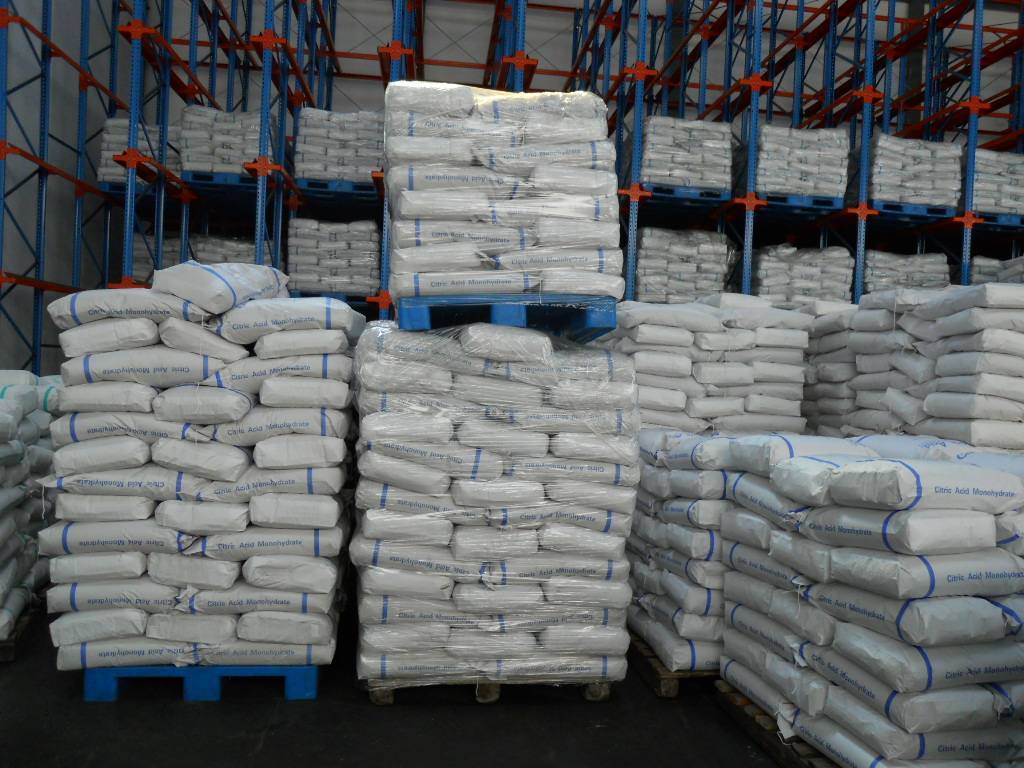
Bulk citric acid packaging ready for export — widely used in animal health as a feed acidifier.
Citric acid is a mild acidifier and chelating agent. It enhances the bioavailability of trace minerals and promotes digestion, especially in young animals.
- Types
- Citric Acid Anhydrous: Dry, powder form, 99% purity — more suitable for dry premixes
- Citric Acid Monohydrate: Contains one water molecule — slightly cheaper and more soluble
- Citric Acid Anhydrous: Dry, powder form, 99% purity — more suitable for dry premixes
- Functions
- Enhances phosphorus and calcium absorption
- Improves feed taste and palatability
- Helps reduce urinary tract infections in poultry
- Boosts lactic acid bacteria activity in the gut
- Enhances phosphorus and calcium absorption
- Applications
-
- Widely used in broiler and layer diets
- Popular in aqua feed formulations
- Widely used in broiler and layer diets
4. Sodium-Based Additives: Sodium Selenite & Sodium Bicarbonate
Sodium-based additives play critical roles in animal health by supporting immune functions, reproductive performance, and digestive efficiency. Two essential sodium compounds widely used in livestock feed are sodium selenite and sodium bicarbonate.
Sodium Selenite
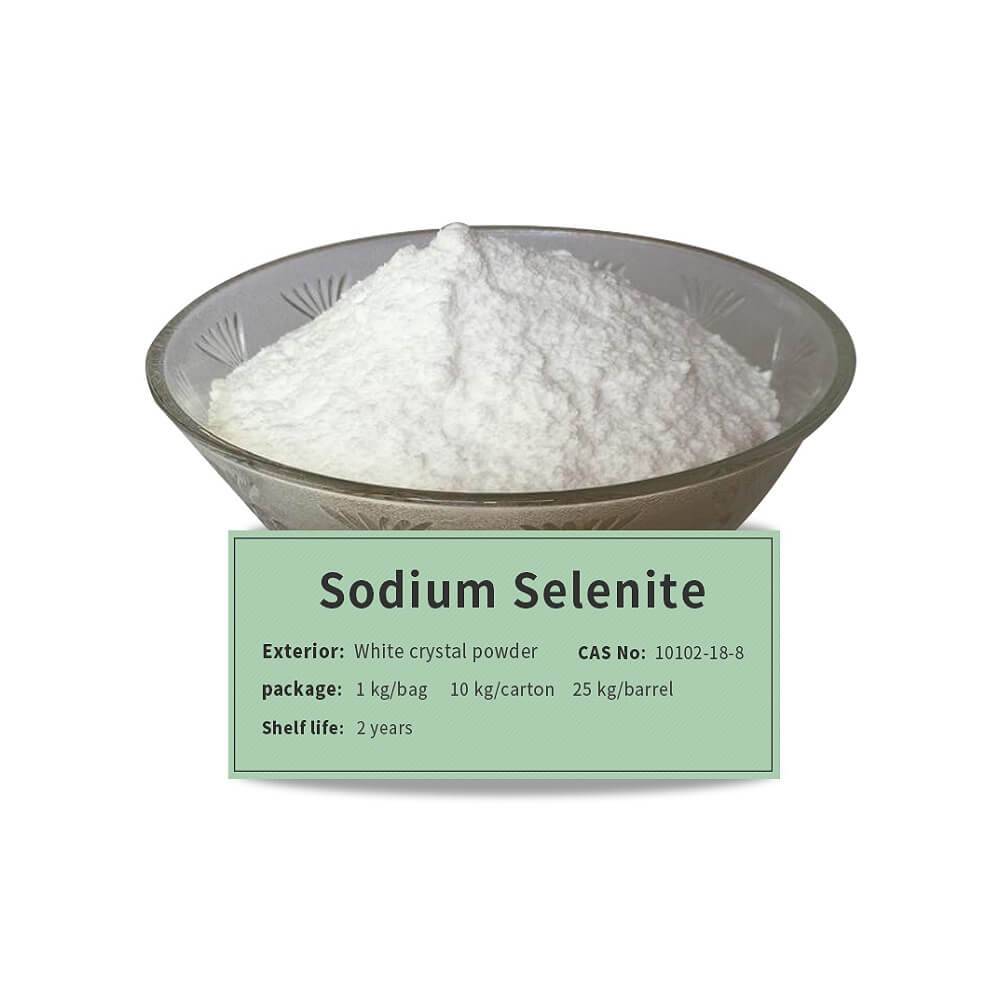
Sodium selenite powder used in animal health to boost immunity and reproduction.
Sodium selenite is a feed-grade source of selenium, an essential trace element in animal nutrition. Selenium supports cellular defense systems and reproductive health, especially in breeding animals.
- Functions
- Strengthens the immune system
- Supports thyroid hormone function
- Enhances fertility and reproductive success
- Prevents white muscle disease in ruminants
- Strengthens the immune system
- Applications
-
- Used in poultry, pigs, cattle, sheep, and goats
- Often premixed in vitamin-mineral blends or complete feeds
- Included in breeder diets to improve hatchability and offspring immunity
- Used in poultry, pigs, cattle, sheep, and goats
Sodium Bicarbonate
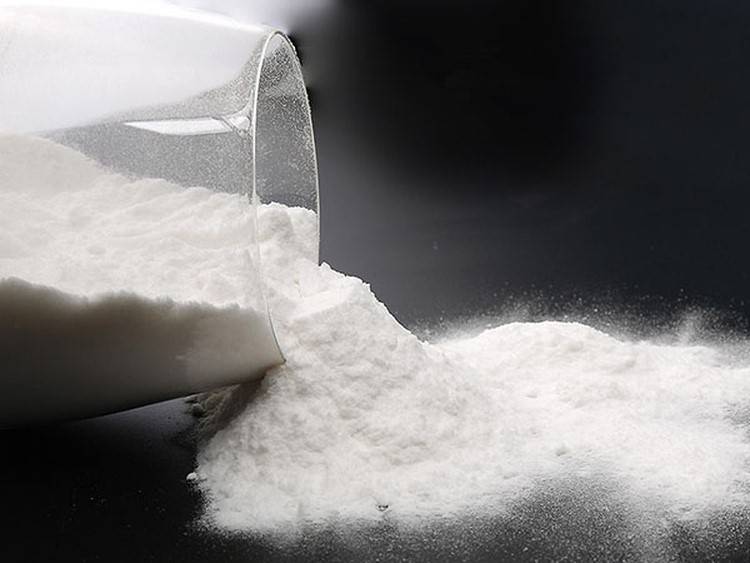
Sodium bicarbonate powder used in ruminant feed to stabilize pH and support animal health.
Sodium bicarbonate (NaHCO₃) is a natural buffer widely used in ruminant diets, especially dairy cattle, to maintain stable rumen pH and prevent acidosis.
- Functions
- Stabilizes rumen pH, reducing acidosis risk
- Improves fiber digestion and feed efficiency
- Enhances milk fat yield and milk volume
- Replenishes electrolytes in stressed animals
- Stabilizes rumen pH, reducing acidosis risk
- Applications
-
- Essential in high-concentrate rations for dairy cows
- Added to beef cattle diets during heat stress
- Used in poultry and swine electrolytes during dehydration or heatwaves
- Essential in high-concentrate rations for dairy cows
5. Calcium-Based Additives: Calcium Formate & Calcium Carbonate
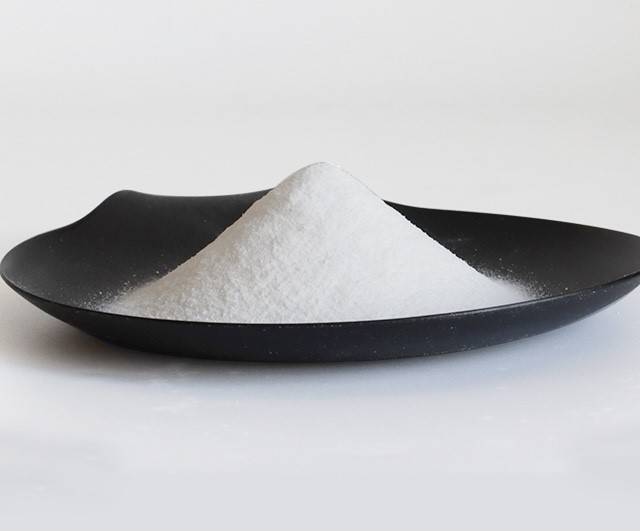
Calcium additive used in animal health feed for bone strength and gut balance.
Calcium is fundamental to bone formation, eggshell production, and metabolic regulation. Calcium Formate not only provides calcium but also acts as an acidifier and antimicrobial agent. Calcium Carbonate is the most widely used source of calcium in animal feed, valued for its high bioavailability and buffering capacity.
These additives support both skeletal strength and gut health, especially in fast-growing broilers and high-producing dairy cows.
Classification
Functional Benefits
- Provides bioavailable calcium for skeletal development
- Supports eggshell thickness and quality
- Acts as a mild pathogen inhibitor (formate)
- Neutralizes gastric acid to support digestive health (carbonate)
- Improves feed palatability and consistency
Application
- Laying hens: For eggshell strength and uniformity
- Weaners and growers: To support bone growth
- Dairy cattle: In pre-fresh and lactating cow rations
- Goats: Improves reproductive success and bone integrity
Need help choosing the right supplier or product?
Contact us for a FREE consultation and get tailored advice for your procurement needs.
Whatsapp Now For Quick Response!
6. Copper Sulfate Pentahydrate
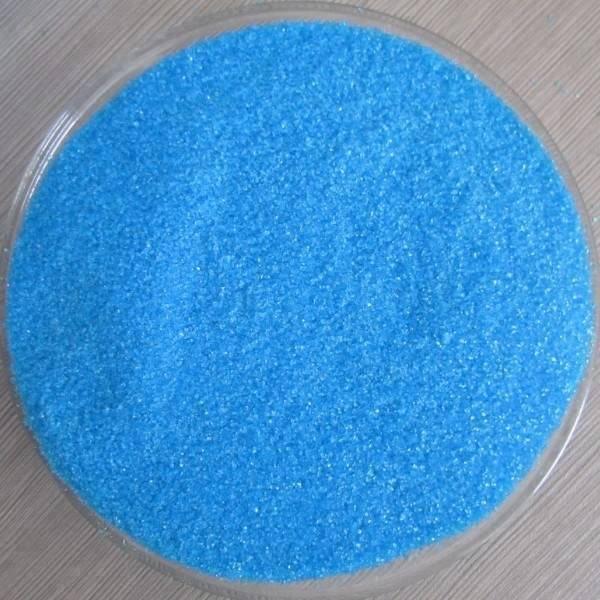
Copper sulfate pentahydrate used in animal health to promote growth and control fungal infections.
Copper is a key trace element involved in iron metabolism, enzyme activity, and immune function. Copper Sulfate Pentahydrate is used not only as a dietary supplement but also as a fungicide and disinfectant in footbaths and aquaculture.
It helps prevent copper deficiency in ruminants and promotes overall animal vitality. Additionally, its antifungal properties are useful in controlling hoof diseases and waterborne pathogens.
Functional Benefits
- Prevents copper deficiency and anemia
- Boosts immunity and metabolism
- Controls fungal infections and foot rot
- Enhances growth rates and feed efficiency
- Serves as algaecide in aquaculture
Application
- Poultry: Included in premixes for immune function
- Cattle: Footbath treatments to prevent lameness
- Fish farms: Used in pond treatment and disinfection
- Sheep and goats: In mineral blocks or loose mixes
7. Ammonium Sulfate
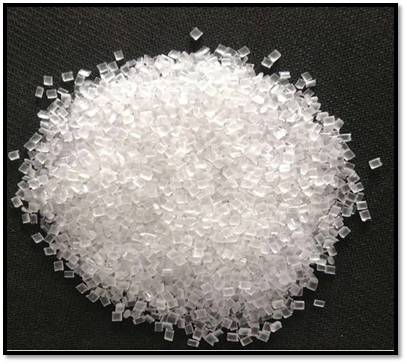
Ammonium sulfate used in livestock rations to support microbial protein synthesis.
Ammonium Sulfate is a non-protein nitrogen (NPN) source commonly used in ruminant nutrition to support microbial protein synthesis in the rumen. It is also used to balance the nitrogen-to-sulfur (N:S) ratio in high-protein diets. Proper sulfur levels are essential for microbial enzyme production and digestion of fibrous feed.
This compound plays a role in maximizing the efficiency of low-cost rations by enabling rumen microbes to utilize available nutrients more effectively.
Functional Benefits
- Supplies nitrogen and sulfur for rumen microbes
- Enhances fiber digestion and nutrient absorption
- Supports weight gain and feed conversion
- Cost-effective source of protein equivalent
- Balances urea in mixed rations
Application
- Beef and dairy cattle: In Total Mixed Rations (TMR)
- Sheep and goats: To improve microbial protein output
- Camels and other ruminants: In high-forage diets
8. Choline Chloride
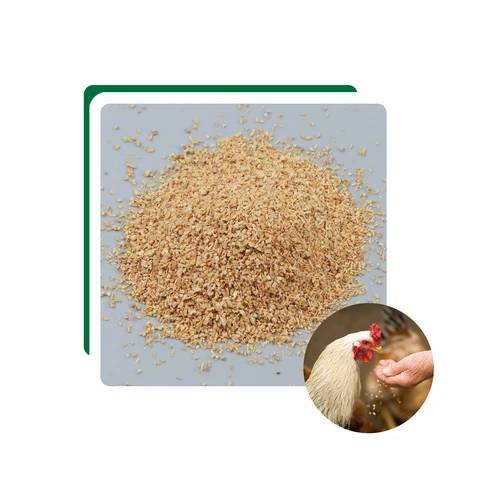
Choline Chloride shown in granule form, widely used to enhance liver health and fat metabolism in animals.
Choline Chloride is an essential nutrient for animals, often categorized with B-complex vitamins. It plays a vital role in fat metabolism, liver function, and neurotransmission. In livestock production, it is particularly valued for preventing fatty liver syndrome, improving feed intake, and supporting reproductive health.
It is also known to improve egg size and hatchability in poultry, making it a staple in breeder diets.
Functional Benefits
- Prevents fatty liver disease in poultry and pigs
- Enhances nutrient transport and metabolism
- Boosts reproductive performance
- Improves egg production and quality
- Supports brain and nervous system development
Application
- Layers and breeders: Improves egg output and hatch rate
- Fattening pigs: Enhances growth and feed efficiency
- Dairy cows: Supports transition period and milk fat synthesis
- Rabbits and rodents: In compound pellet feeds for fertility
9. Dicalcium Phosphate (DCP)
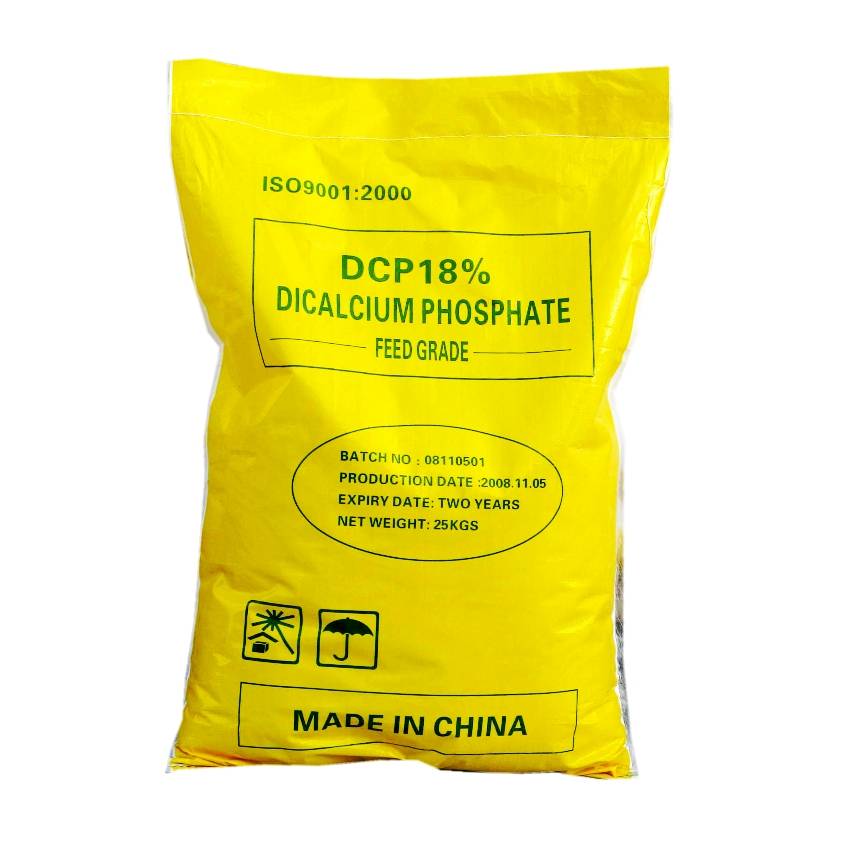
Feed-grade Dicalcium Phosphate (DCP 18%) packaged for animal nutrition export from China.
Dicalcium Phosphate is a highly bioavailable source of calcium and phosphorus, both of which are crucial for bone development, reproduction, and overall growth. It is widely used in compound feeds for pigs, poultry, and ruminants.
DCP ensures skeletal integrity and contributes to egg and milk production. In breeding animals, it supports strong bone structure and fertility.
Functional Benefits
- Supports skeletal growth and maintenance
- Improves eggshell formation and bone density
- Enhances fertility and reproduction
- Promotes milk yield and calf development
- Reduces risks of lameness and fractures
Application
- Broilers and layers: Promotes growth and egg quality
- Sows and piglets: For bone health and development
- Cows and calves: Maintains strong frame and productivity
- Goats and sheep: In complete mineral blends for fertility
10. Hydrogen Peroxide
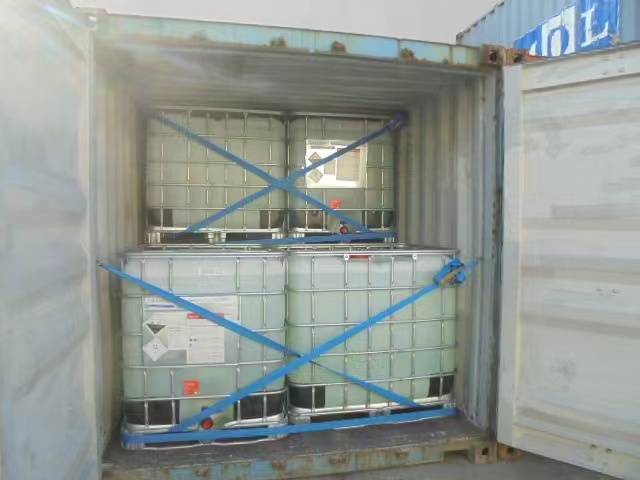
Hydrogen peroxide containers securely packed for export — essential for sanitation in animal health operations.
Hydrogen Peroxide is an eco-friendly disinfectant that decomposes into water and oxygen, leaving no harmful residues. It’s used in cleaning livestock housing, equipment, and water lines. Its oxidative action destroys bacteria, viruses, and biofilms, making it ideal for maintaining hygienic conditions without toxic side effects.
Hydrogen Peroxide is also used in some water treatment protocols in poultry and aquaculture systems to improve water quality and reduce microbial load.
Functional Benefits
- Breaks down into harmless byproducts (O₂ + H₂O)
- Eliminates pathogens and algae in waterlines
- Removes biofilm buildup in pipes and drinkers
- Safe alternative to chlorinated compounds
- Reduces disease transmission risk
Application
- Poultry farms: Waterline sanitation and fogging
- Dairy barns: Used for equipment and stall disinfection
- Pig units: For weaning pen and slat cleaning
- Aquaculture: Maintains clean water systems
Need help choosing the right supplier or product?
Contact us for a FREE consultation and get tailored advice for your procurement needs.
Whatsapp Now For Quick Response!
What to Look for When Sourcing Animal Health Chemicals

Camachem sourcing team coordinating international procurement of Sodium Selenite and other industrial chemicals.
When sourcing animal health chemicals, it’s beneficial to consider suppliers who not only meet regulatory and technical standards but also offer end-to-end export support, particularly from established markets like China. Companies like Camachem and its parent firm CAMAL specialize in providing high-quality chemicals with global export capabilities. Some companies—such as those with both technical sourcing arms and international distribution platforms—can provide better pricing, stable logistics, and documentation support for global buyers. These integrated suppliers are more equipped to handle niche veterinary formulations and custom packaging for specific markets.
Camachem’s logistics and packaging processes are professionally managed to ensure safe and efficient delivery. Watch our shipping video here to see how we prepare your chemical orders with care.
Quality Assurance and Certifications
- GMP (Good Manufacturing Practices)
- ISO Certifications
- Veterinary Drug License (if applicable)
Packaging and Shelf Life
- Moisture-proof and airtight packaging
- Clear labeling with batch numbers and expiry dates
- Custom packaging options for bulk orders
Regulatory Compliance
- Check local and international import regulations
- Confirm MRLs (Maximum Residue Limits) for antibiotics
- Ensure supplier registration and documentation
Supplier Experience and Support
- Years in the animal health industry
- Technical support and documentation
- Ability to customize formulations
Industry Trends in Animal Health Chemicals

Bulk stock of animal health additives in China warehouse, aligned with industry trends and client orders.
Shift Toward Antibiotic Alternatives
- Increased demand for probiotics, essential oils, and organic acids
- Regulatory pressure on antibiotic usage
- Growing interest in gut health and immune boosters
Focus on Sustainability
- Eco-friendly packaging materials
- Reduced chemical residue and environmental impact
- Lifecycle analysis for animal health products
Growth in Aquaculture
- Rising demand for fish antibiotics and water treatment chemicals
- Expansion of global aquaculture farms
Conclusion: Why These Chemicals Matter to Your Business
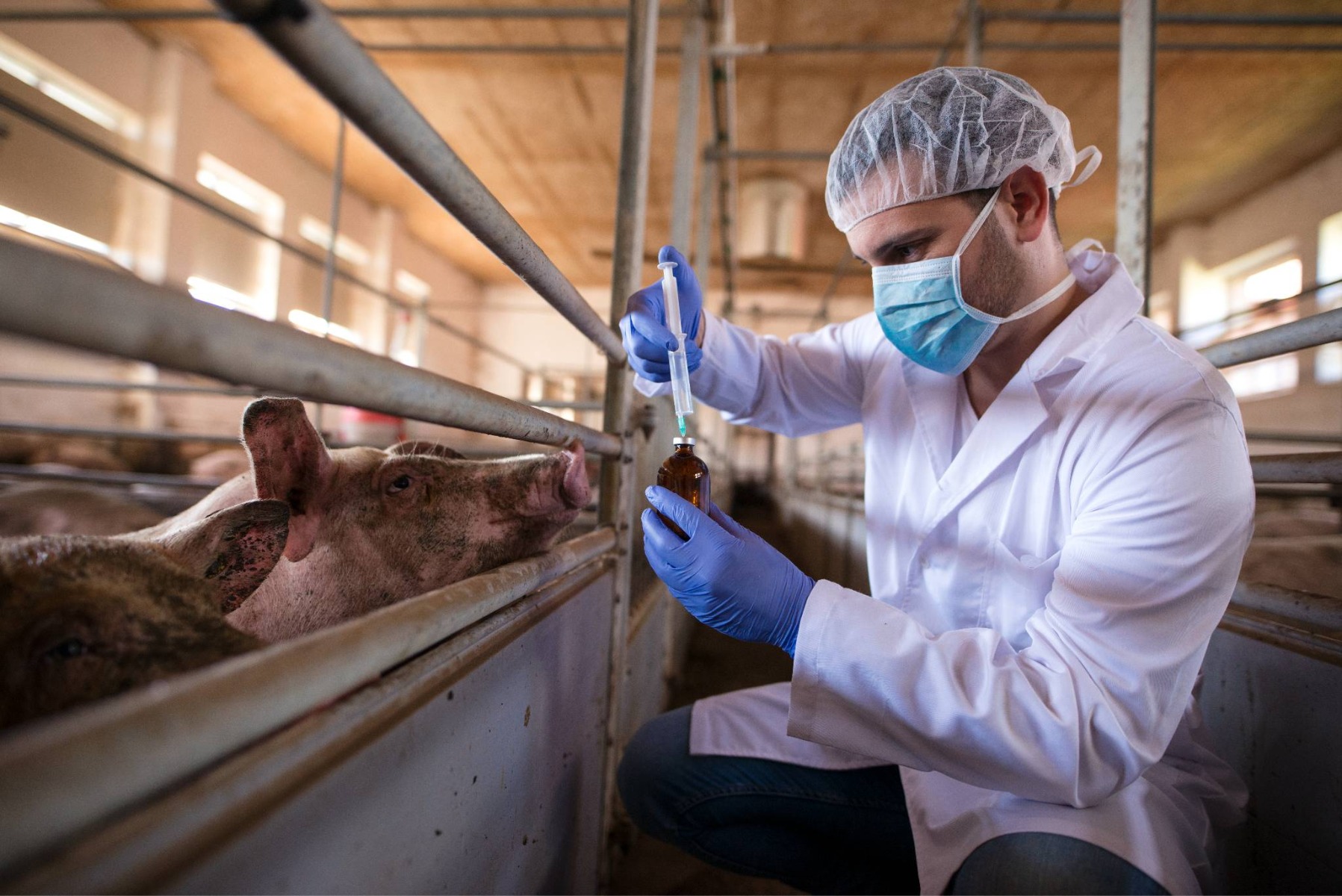
Using top animal health chemicals to protect livestock and meet international standards.
So what? The top 10 chemicals in animal health are essential tools in your procurement strategy. They help ensure animal welfare, farm productivity, and compliance with international standards. Whether you’re sourcing antibiotics, supplements, or antiparasitics, understanding these key products gives you an edge in supplier negotiations and product planning.
These compounds support better animal products, reduce antibiotic overdoses, and improve livestock outcomes. As regulations evolve, staying updated on legal classifications and best practices in animal health is more important than ever.
Need help choosing the right supplier or product?
Contact us for a FREE consultation and get tailored advice for your procurement needs.
How Camachem Helps You Get Quality Chemicals from China
✅ Do you spending too much time trying to find quality chemicals in China?
✅ Is it hard to explain your needs to Chinese suppliers?
✅ Do you need customized chemicals that regular suppliers can’t deliver?
✅ Do you want help getting the right chemicals, so you can focus on growing your business?
If your answer is YES, Reduce Your China Sourcing Headaches, WhatsApp Us (Faster) for a FREE Consultation
✅Camachem: Quality Chemicals. Every Single Time.✅
Need help choosing the right supplier or product?
Contact us for a FREE consultation and get tailored advice for your procurement needs.
Whatsapp Now For Quick Response!
FAQs:
1. What are the most important nutrients for animal health?
Key nutrients for animal health include:
- Proteins – for growth and tissue repair
- Fats – for energy and hormone production
- Carbohydrates – for energy
- Vitamins – for immune support
- Minerals – for bone development and metabolic function
- Water – essential for all bodily processes
2. How can I improve the health of livestock naturally?
Improving livestock health naturally involves providing balanced nutrition, clean water, proper housing, regular exercise, and minimizing stress. Herbal supplements, probiotics, and rotational grazing also support immunity and reduce disease risk without antibiotics.
3. What are common animal health problems on farms?
Common farm animal health issues include:
- Foot-and-mouth disease
- Mastitis in dairy cows
- Worm infestations
- Respiratory infections
- Lameness and hoof disorders
4. What chemicals are used to promote animal health?
Widely used chemicals for animal health include:
- Zinc oxide – prevents piglet diarrhea
- Copper sulfate – supports growth and hoof health
- Glutaraldehyde – disinfects livestock areas
- Choline chloride – aids fat metabolism
- Sodium bicarbonate – regulates rumen pH
5. Why is animal health important in agriculture?
Animal health is essential for agricultural productivity, food safety, and economic efficiency. Healthy animals grow faster, produce more milk or meat, and require fewer antibiotics, helping farmers reduce costs and meet quality standards.
6. What is biosecurity in animal health?
Biosecurity in animal health refers to practices that prevent the introduction and spread of infectious diseases. It includes quarantines, sanitation protocols, restricted animal movement, and routine health monitoring to protect livestock.
7. How is animal feed linked to animal health?
Animal feed directly impacts health by:
- Providing essential nutrients
- Enhancing immunity
- Supporting growth and reproduction
- Preventing disease through additives
- Reducing stress-related conditions
-
What is the Difference Between Caustic Soda Pearls and Caustic Soda Flakes? (2026 Update)
June 8, 2026
-
Top 10 Caustic Soda Suppliers in Australia [2026]
 June 8, 2026
 -
Frequently Asked Question about Phosphoric Acid
June 8, 2026
-
Zinc Chloride: 5 Hazards and Safety Measures You Need To Know
June 4, 2026
-
10 Things I Need To Know About Zinc Chloride (2026 Update)
June 4, 2026