
 Arabic
 English
 French
 Indonesia
 Portuguese
 Russian
 Spanish
 +86-157-2476-6919
Top 10 Chemicals in Environmental Services
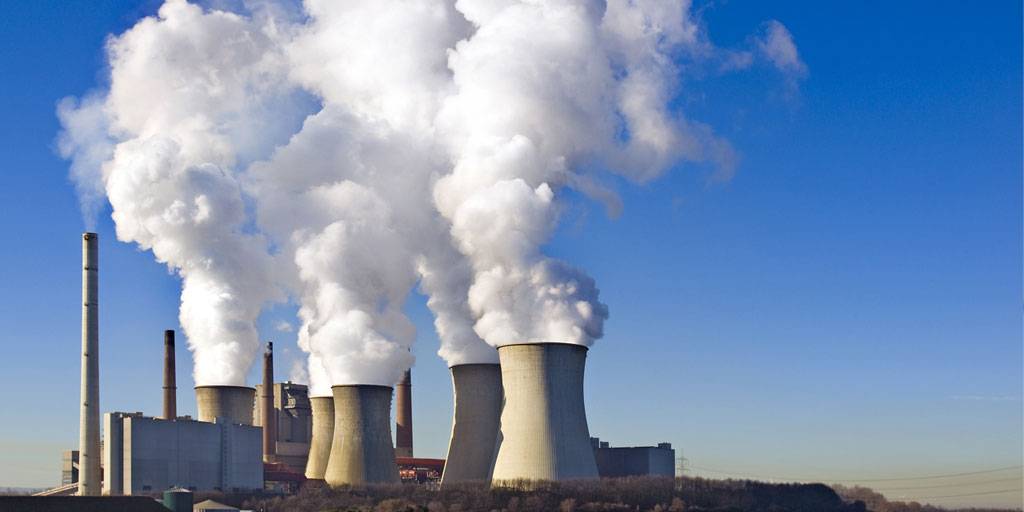
Environmental services play a crucial role in maintaining and improving the health and safety of our surroundings. These services often involve cleaning, disinfecting, waste management, and pest control, all of which rely heavily on the use of various chemicals.
Top 10 Chemicals Used in Environmental Services
Here are the top 10 chemicals commonly used in environmental services, along with their benefits, applications, and potential risks.
Top 10 Chemicals in Environmental Services
- Sodium Hydroxide
- Ammonium Hydroxide
- Sodium Bicarbonate
- Boric Acid
- Citric Acid
- Ethanol
- Acetic Acid
- Calcium Hypochlorite
- Potassium Permanganate
- Triclosan (C12H7Cl3O2)
1. Sodium Hydroxide
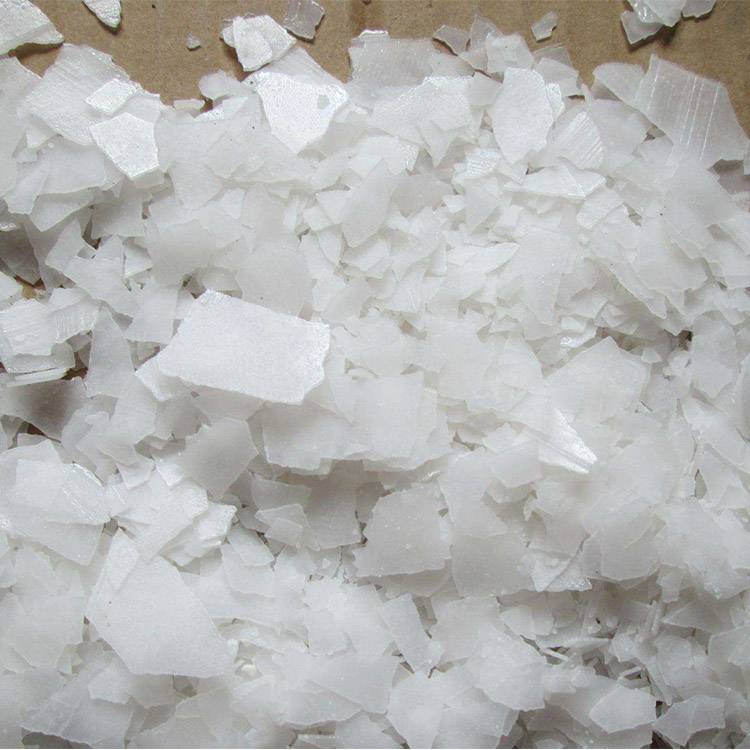
Sodium hydroxide, also known as caustic soda, is a powerful alkaline compound used in many cleaning and industrial applications.
Benefits:
- Strong Base: Effective in neutralizing acids and adjusting pH levels, which is essential in various industrial processes.
- Degreasing Agent: Excellent for breaking down fats, oils, and grease, making it indispensable in heavy-duty cleaning operations.
- Versatile: Used in the production of soap and detergents, enhancing their cleaning power.
Applications:
- Cleaning: Used in industrial cleaning processes to remove organic materials and clean equipment.
- Water Treatment: Helps to control water pH, ensuring safe drinking water and effective wastewater treatment.
- Paper Industry: Used in the pulping process to separate lignin from cellulose fibers, aiding in the production of paper.
- Textile Industry: Utilized in the processing of cotton fabrics to improve dye uptake and fabric quality.
Risks:
- Corrosive: Can cause severe burns to skin and eyes upon contact, necessitating the use of personal protective equipment (PPE).
- Reactive: Reacts violently with acids, releasing heat and potentially hazardous gases, requiring careful handling and storage.
- Environmental Impact: Can cause significant environmental damage if not disposed of properly, affecting soil and water quality.
2. Ammonium Hydroxide
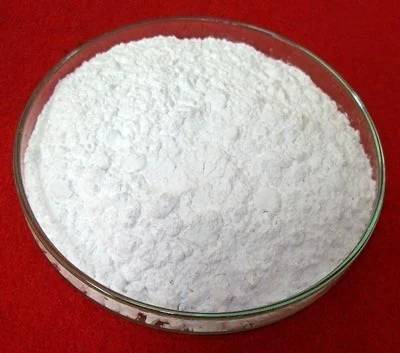
Ammonium hydroxide, also known as ammonia water, is a solution of ammonia in water, used in various cleaning products.
Benefits:
- Effective Cleaner: Excellent for cutting through grime and dirt, making surfaces spotless.
- Volatile: Leaves no residue as it evaporates quickly, ideal for cleaning glass and other shiny surfaces.
- Multipurpose: Can be used in a variety of applications, from household cleaning to industrial processing.
Applications:
- Household Cleaners: Commonly found in glass cleaners and surface cleaners, providing effective cleaning solutions.
- Textile Industry: Used in the production of synthetic fibers and as a pre-treatment for wool.
- Agriculture: Utilized in fertilizers to provide nitrogen to plants and to control the pH of soil.
- Food Processing: Employed in the processing of food products, particularly in cheese making and other dairy products.
Risks:
- Irritant: Can cause irritation to skin, eyes, and respiratory system. Proper ventilation and PPE are necessary when handling.
- Strong Odor: The pungent smell can be overwhelming and irritating, especially in enclosed spaces.
- Environmental Hazard: Can cause water and air pollution if released into the environment in large quantities.
3. Sodium Bicarbonate
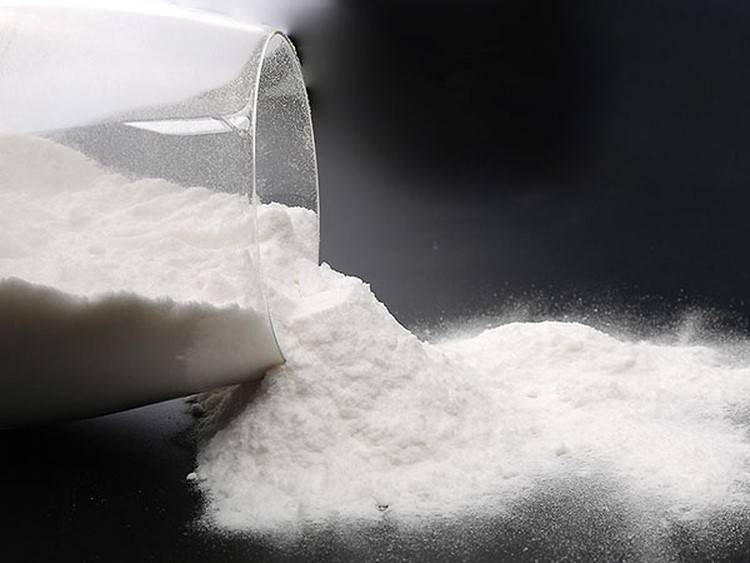
Sodium bicarbonate, commonly known as baking soda, is a mild alkali used in various cleaning and deodorizing applications.
Benefits:
- Non-Toxic: Safe for use around food and in personal care products, posing minimal health risks.
- Deodorizing: Effectively neutralizes odors, making it useful in a variety of settings.
- Gentle Abrasive: Can be used for scrubbing surfaces without causing scratches.
Applications:
- Cleaning: Used in scrubbing and scouring powders for gentle cleaning of surfaces like countertops, sinks, and tiles.
- Deodorizing: Applied in refrigerators, carpets, and trash bins to neutralize unpleasant odors.
- Fire Extinguishers: Used in dry chemical fire extinguishers for its ability to smother flames by releasing carbon dioxide.
- Personal Care: Found in toothpaste and deodorants for its gentle abrasive and odor-neutralizing properties.
Risks:
- Minimal: Generally considered safe, but can cause eye irritation if used in large quantities or if dust is inhaled.
- Skin Irritation: Prolonged exposure to concentrated forms can cause skin irritation in sensitive individuals.
4. Boric Acid
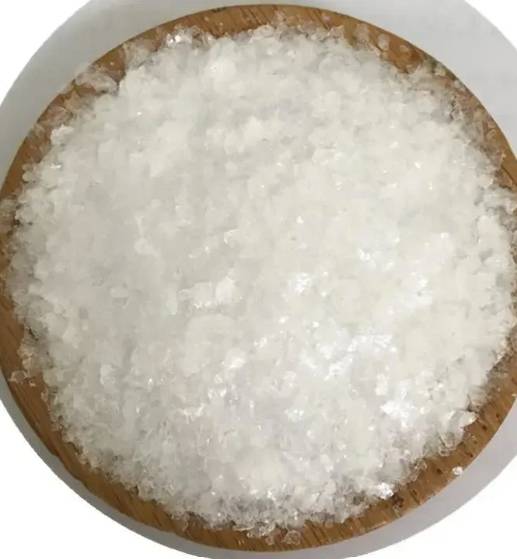
Boric acid is a weak acid with antiseptic, insecticidal, and flame-retardant properties.
Benefits:
- Antimicrobial: Effective against bacteria, fungi, and viruses, making it useful in medical and sanitary applications.
- Insecticide: Used to control pests like cockroaches, ants, and termites, helping to maintain pest-free environments.
- Flame Retardant: Used in textiles and insulation materials to reduce flammability.
Applications:
- Pest Control: Used in baits and traps for insect control in homes and commercial settings.
- Antiseptic: Applied in minor wound care products and eyewashes to prevent infection.
- Flame Retardant: Used in the production of flame-resistant textiles and insulation materials.
- Industrial Uses: Employed in the manufacturing of glass and ceramics for its flux properties.
Risks:
- Toxicity: Can be toxic if ingested in large amounts, posing health risks.
- Skin Irritant: Can cause irritation upon contact with skin, necessitating the use of gloves and protective clothing.
- Environmental Impact: Potentially harmful to plants and animals if released into the environment in large quantities.
5. Citric Acid
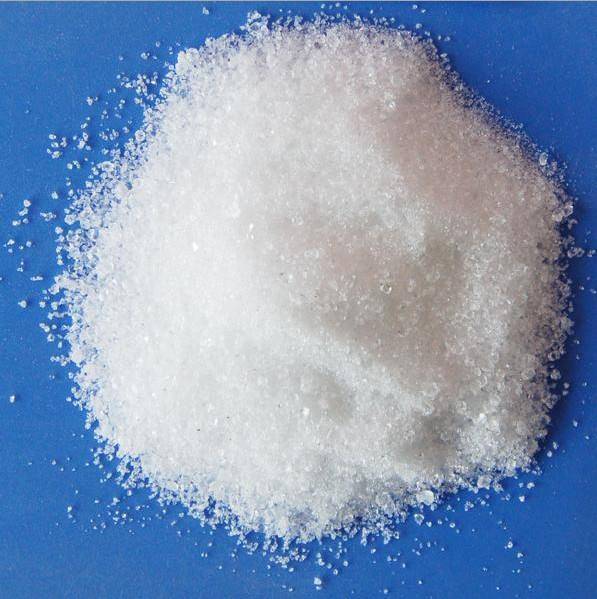
Citric acid is a naturally occurring weak acid found in citrus fruits, widely used in cleaning and chelating applications.
Benefits:
- Non-Toxic: Safe for use in food and personal care products, posing minimal health risks.
- Descaling Agent: Effective in removing limescale and mineral deposits from surfaces.
- Biodegradable: Breaks down into harmless substances, making it environmentally friendly.
Applications:
- Cleaning Products: Used in descalers and bathroom cleaners to remove limescale and soap scum.
- Food Industry: Utilized as a preservative and flavoring agent in beverages, jams, and canned foods.
- Water Softening: Helps to chelate metals, improving water quality and reducing hardness.
- Personal Care: Found in skincare products for its ability to adjust pH and provide exfoliation.
Risks:
- Irritant: Can cause skin and eye irritation in high concentrations, necessitating proper dilution and handling.
- Allergic Reactions: Some individuals may experience allergic reactions to citric acid, particularly in personal care products.
6. Ethanol
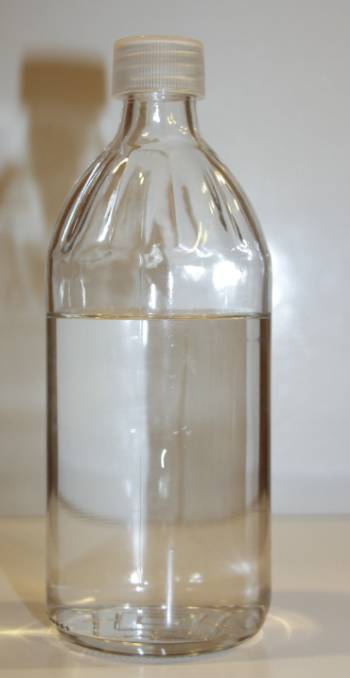
Ethanol, also known as ethyl alcohol, is a versatile solvent and disinfectant.
Benefits:
- Antimicrobial: Effective against bacteria, viruses, and fungi, making it a powerful disinfectant.
- Solvent Properties: Dissolves a wide range of substances, useful in many industrial and medical applications.
- Renewable Resource: Can be produced from renewable resources like corn and sugarcane.
Applications:
- Disinfectants: Used in hand sanitizers and surface cleaners to kill germs and maintain hygiene.
- Solvent: Employed in the production of pharmaceuticals, cosmetics, and personal care products.
- Fuel: Used as a biofuel additive to gasoline, reducing emissions and reliance on fossil fuels.
- Beverages: Found in alcoholic drinks like beer, wine, and spirits.
Risks:
- Flammable: Highly flammable, posing fire hazards. Proper storage and handling are essential to prevent accidents.
- Toxicity: Can cause intoxication and poisoning if ingested in large quantities. Prolonged exposure to fumes can cause respiratory issues.
- Environmental Impact: Production and disposal can have environmental impacts, particularly if not managed sustainably.
7. Acetic Acid
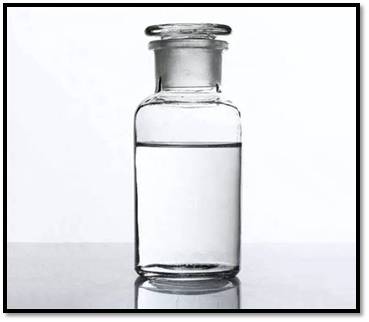
Acetic acid, the main component of vinegar, is a weak acid used in various cleaning and industrial processes.
Benefits:
- Descaling Agent: Effective in removing limescale and mineral deposits from surfaces, making it ideal for bathroom and kitchen cleaners.
- Preservative: Used in food preservation due to its antimicrobial properties, extending the shelf life of products.
- Non-Toxic: Safe for use in food and personal care products, posing minimal health risks.
Applications:
- Cleaning: Used in household cleaners for its ability to dissolve mineral deposits and clean surfaces.
- Food Industry: Utilized as a preservative and flavoring agent in pickles, sauces, and salad dressings.
- Industrial: Employed in the production of chemicals, plastics, and textiles.
- Medical Uses: Applied in some medical treatments for its antiseptic properties.
Risks:
- Irritant: Can cause skin and eye irritation, especially in concentrated forms. Proper dilution and handling are necessary to prevent harm.
- Corrosive: Concentrated acetic acid can be corrosive to metals and other materials, requiring careful storage and use.
8. Calcium Hypochlorite
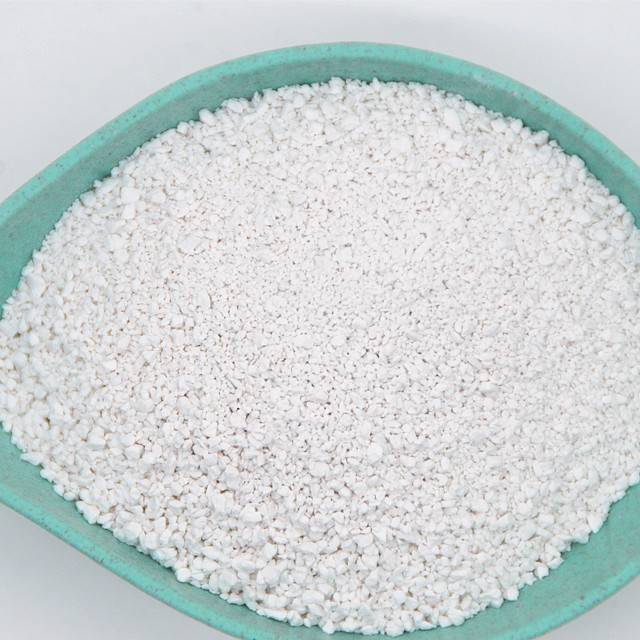
Calcium hypochlorite is a powerful oxidizing agent used as a disinfectant and bleaching agent.
Benefits:
- Disinfectant: Effective against bacteria, viruses, and algae, making it essential for water treatment and sanitation.
- Bleaching Agent: Widely used for its strong bleaching properties in laundry and textile industries.
- Stability: More stable than liquid bleach, with a longer shelf life, making it easier to store and transport.
Applications:
- Water Treatment: Used in swimming pools and drinking water treatment to eliminate harmful microorganisms and ensure water safety.
- Sanitation: Applied in disinfecting surfaces and equipment in healthcare, food processing, and hospitality industries
9. Potassium Permanganate
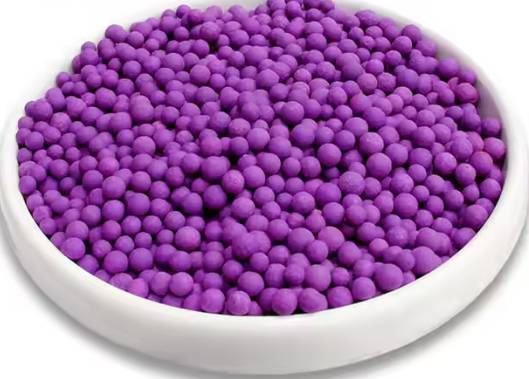
Potassium permanganate is a strong oxidizing agent used in water treatment and disinfection.
Benefits:
- Disinfectant: Potassium permanganate is highly effective against bacteria, viruses, and algae, making it a reliable option for water treatment.
- Oxidizing Agent: It helps in oxidizing iron, manganese, and hydrogen sulfide in water, improving water quality.
- Odor Control: Effective in eliminating unpleasant odors caused by microbial activity in water systems.
Applications:
- Water Treatment: Used to treat drinking water and wastewater, ensuring safe and clean water for consumption and use.
- Fish Tanks: Applied to control parasites and diseases in aquariums, promoting the health of aquatic life.
- Medical Uses: Utilized in treating certain skin conditions and infections, providing antiseptic properties.
- Agriculture: Employed to treat irrigation water, ensuring the health and growth of crops.
Risks:
- Toxicity: Potassium permanganate can be harmful if ingested or inhaled, posing health risks.
- Staining: It can stain skin, clothing, and surfaces, requiring careful handling and use.
- Corrosive: Can cause irritation and burns upon contact with skin and eyes, necessitating the use of PPE.
- Environmental Impact: Large quantities can be harmful to aquatic life, highlighting the need for proper disposal and management.
10. Triclosan (C12H7Cl3O2)
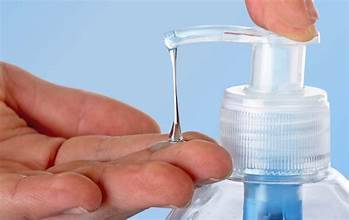
Triclosan is an antimicrobial agent used in personal care and cleaning products.
Benefits:
- Antimicrobial: Triclosan is effective against bacteria and fungi, providing broad-spectrum antimicrobial protection.
- Long-Lasting: It offers prolonged antimicrobial action, making it useful in products that require long-term efficacy.
- Versatile: Can be incorporated into a variety of products, from personal care items to cleaning supplies.
Applications:
- Personal Care: Found in soaps, toothpaste, and deodorants, helping to reduce or prevent bacterial contamination.
- Cleaning Products: Included in disinfectants and sanitizers used for household and commercial cleaning.
- Healthcare: Used in surgical scrubs and wound care products to maintain sterile conditions.
- Textiles: Applied to fabrics to provide antimicrobial properties, reducing odors and bacterial growth.
Risks:
- Resistance: Overuse of triclosan can contribute to the development of antibiotic-resistant bacteria, posing significant public health risks.
- Environmental Impact: Triclosan is persistent in the environment and can accumulate in waterways, potentially affecting aquatic ecosystems.
- Hormone Disruption: Some studies suggest that triclosan can disrupt endocrine function, raising concerns about its safety in long-term use.
- Allergic Reactions: Can cause skin irritation and allergic reactions in sensitive individuals, necessitating caution in use.
Conclusion - Top 10 Chemicals in Environmental Services
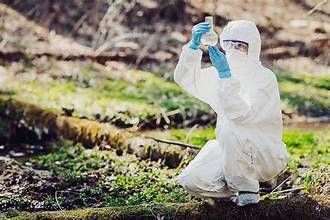
The chemicals listed above are integral to the effectiveness and efficiency of environmental services, playing crucial roles in disinfection, cleaning, and sanitation. Their benefits range from broad-spectrum antimicrobial activity to cost-effective cleaning solutions, making them indispensable in various industries.
However, their potential risks, such as toxicity, corrosiveness, and environmental impact, necessitate careful handling, proper usage, and disposal. As environmental and health regulations evolve, the development of safer and more sustainable alternatives will be paramount in ensuring the continued protection of our environment and public health.
How can we help you with your chemical requirements?
✅ Are you a company of 11 - 50 people?
✅ Do you use more than 1000 tons of industrial chemicals per year?
✅ Do you spend too much time finding the right chemical manufacturers?
✅ Are you unsure each time whether you will get the right grade of chemical?
If your answer is YES, Reduce Your Chemical Sourcing Headaches, Contact Us Now for a FREE Consultation and Samples Offer
✅Camachem: Quality Chemicals. Every Single Time✅
-
Bulk SMBS for Sale: 5 Key Applications for Australian Factories
 January 7, 2026
 -
Top 5 Xanthates Every Australian Mining Operation Should Source in Bulk
 January 6, 2026
 -
Top 7 Industrial Chemicals You Can Import from China to Australia in Bulk
 January 5, 2026
 -
5 Mining Reagents You Should Source in Bulk for Australian Operations
 December 31, 2025
 -
6 Chemicals Australian Water Treatment Plants Must Stock in Bulk
 December 30, 2025