
 Arabic
 English
 French
 Indonesia
 Portuguese
 Russian
 Spanish
 +86-157-2476-6919
Top 10 Chemicals In Adhesives & Sealants
Adhesives and sealants play a vital role in numerous industries, from construction and automotive to electronics and consumer goods. The success of these products hinges on the chemistry behind them, which determines their bonding strength, flexibility, durability, and resistance to environmental factors.
Understanding the key chemicals used in the adhesives and sealants industry can provide insight into their wide-ranging applications and the specific benefits they offer.
In this blog post, we’ll explore the top ten chemicals utilized in this industry, delving into their unique properties, advantages, and practical uses across various sectors.
Top 10 Chemicals In Adhesives & Sealants
- Acrylics
- Epoxies
- Polyurethanes
- Silicones
- Cyanoacrylates
- Polyvinyl Acetate (PVA)
- Phenolic Resins
- Hot Melt Adhesives
- Butyl Rubber
- Natural Rubber
Here, we delve into the top ten chemicals used in adhesives and sealants, exploring their benefits and applications in detail.
1) Acrylic
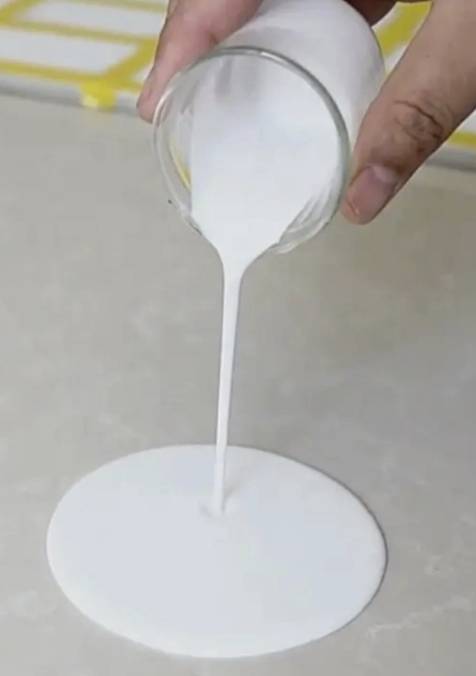
Acrylic adhesives and sealants offer strong bonding and are used for a variety of applications, including construction and automotive industries.
Benefits:
- Versatility: Acrylic adhesives and sealants are known for their versatility. They can be formulated to provide a range of properties such as UV resistance, flexibility, and high bond strength.
- Durability: These materials offer excellent durability, making them suitable for long-term applications.
- Quick Setting: Acrylics often have a fast curing time, which is beneficial in industrial applications where speed is critical.
Applications:
- Construction: Acrylic sealants are widely used in the construction industry for caulking and sealing joints. Their weather-resistant properties make them ideal for exterior applications.
- Automotive: In the automotive industry, acrylic adhesives are used for bonding plastic and metal parts, offering strong bonds and resistance to vibrations and thermal expansion.
- Electronics: Acrylic adhesives are used in electronics for their insulating properties and ability to adhere to a variety of substrates.
2) Epoxies
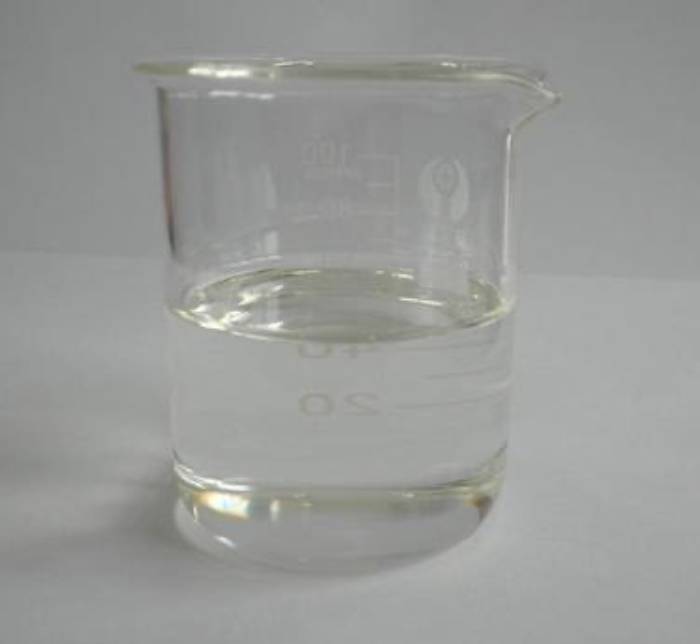
Known for their strong bonding and resistance to environmental conditions, epoxy adhesives are widely used in structural and industrial applications.
Benefits:
- High Strength: Epoxy adhesives are renowned for their high bond strength and durability.
- Chemical Resistance: They offer excellent resistance to chemicals, heat, and moisture.
- Structural Integrity: Epoxies provide structural integrity in bonded joints, making them suitable for load-bearing applications.
Applications:
- Aerospace: Epoxy adhesives are used in the aerospace industry for bonding components of aircraft due to their high strength and resistance to extreme conditions.
- Construction: In construction, epoxies are used for structural bonding, such as in concrete repair and anchoring systems.
- Marine: Epoxy sealants are employed in marine applications for their waterproof and durable properties.
3) Polyurethane
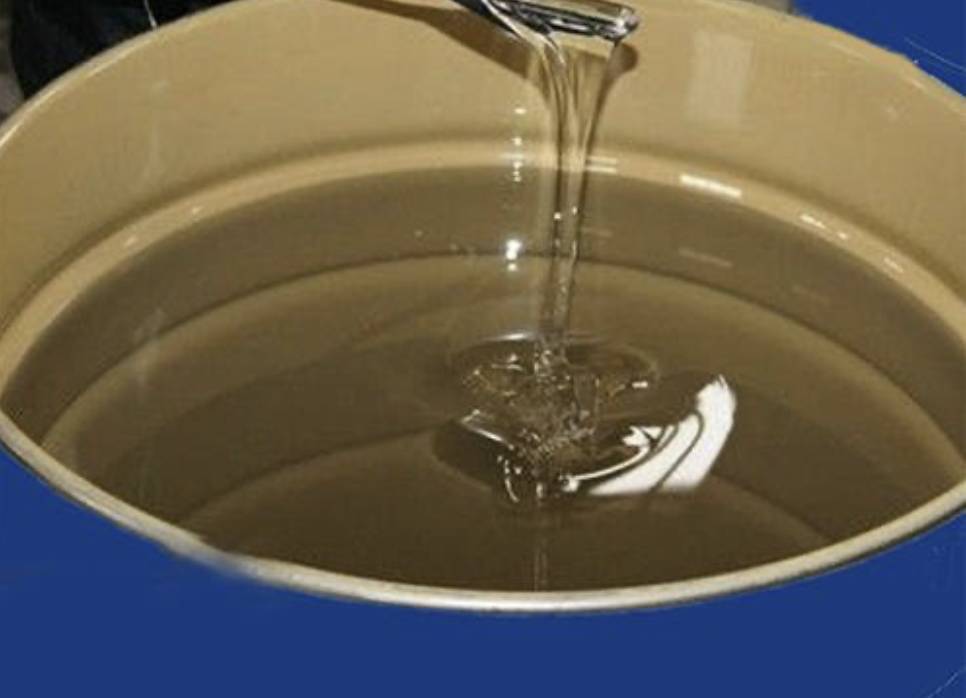
These adhesives provide excellent flexibility and are used in applications requiring elasticity, such as construction and automotive sectors.
Benefits:
- Flexibility: Polyurethane adhesives and sealants maintain flexibility over a wide range of temperatures.
- Impact Resistance: They absorb shocks and vibrations well, making them ideal for dynamic environments.
- Versatile Bonding: Polyurethanes can bond a variety of substrates including metals, plastics, and wood.
Applications:
- Automotive: Polyurethane adhesives are used for bonding windshields and other components that require flexibility and strength.
- Construction: In construction, they are used for sealing joints, insulating glass, and bonding panels.
- Footwear: Polyurethane adhesives are essential in the footwear industry for their strong yet flexible bonds.
4) Silicone
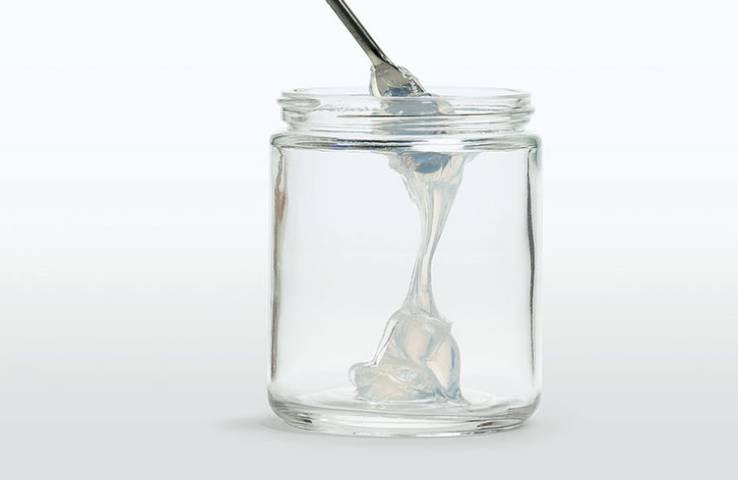
Silicone adhesives and sealants are known for their flexibility, temperature resistance, and durability, making them suitable for construction, electronics, and automotive industries.
Benefits:
- Temperature Resistance: Silicone adhesives and sealants can withstand extreme temperatures, both high and low.
- Flexibility: They maintain their flexibility and elasticity over time.
- Waterproofing: Silicones are excellent for waterproofing applications due to their hydrophobic nature.
Applications:
- Construction: Silicone sealants are used for glazing, sealing expansion joints, and waterproofing roofs and facades.
- Electronics: They are used for potting and encapsulating electronic components to protect against moisture and thermal damage.
- Medical: Silicone adhesives are used in medical devices and wound care products for their biocompatibility and flexibility.
5) Cyanoacrylates
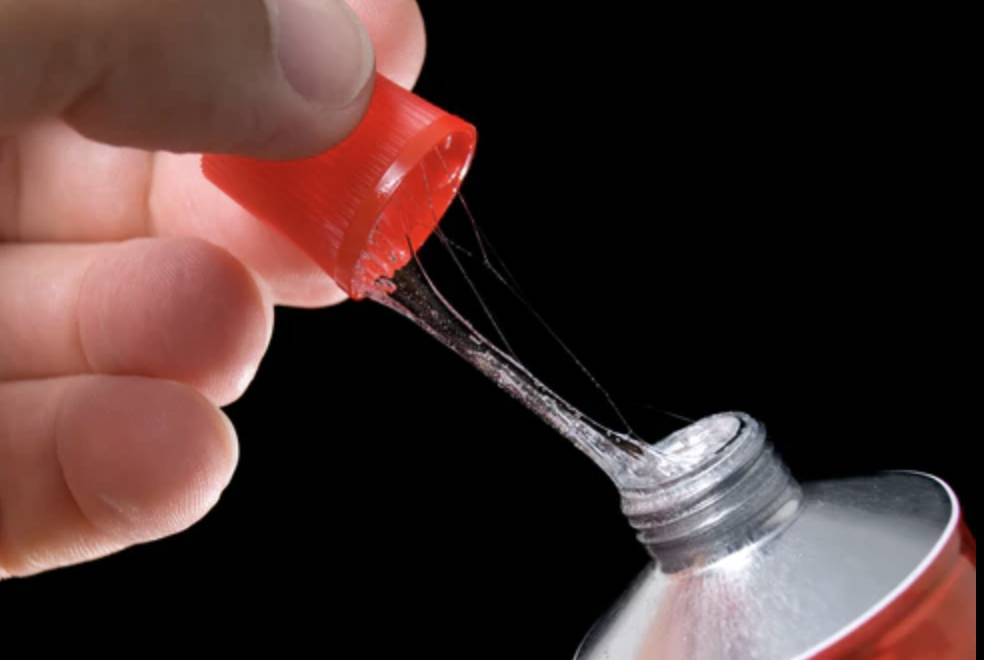
Commonly known as "super glue," these adhesives provide fast bonding and are used in various industrial and consumer applications.
Benefits:
- Fast Bonding: Cyanoacrylates, commonly known as super glues, bond almost instantly upon contact with moisture.
- High Strength: They provide strong bonds with minimal adhesive required.
- Versatility: These adhesives can bond a wide range of materials including plastics, metals, and ceramics.
Applications:
- Consumer Products: Cyanoacrylates are widely used in household repairs, DIY projects, and crafting.
- Medical: They are used in medical applications for wound closure and surgical incisions due to their fast-setting and biocompatible properties.
- Electronics: These adhesives are used for assembling small electronic components where precision and quick bonding are crucial.
6) Polyvinyl Acetate (PVA)

PVA adhesives are widely used in woodworking and paper industries due to their strong bonding with porous materials.
Benefits:
- Strong Bonds with Porous Materials: PVA adhesives are particularly effective on porous materials like wood and paper.
- Non-Toxic: They are generally non-toxic and easy to handle.
- Flexibility: PVA adhesives remain flexible after drying, which is beneficial for certain applications.
Applications:
- Woodworking: PVA glues, commonly known as white glue or carpenter’s glue, are a staple in woodworking for their strong bonding with wood.
- Paper and Packaging: They are used in bookbinding, paper products, and packaging due to their strong bond with paper and cardboard.
- Crafts: PVA adhesives are popular in arts and crafts for their ease of use and clean application.
7) Phenolic Resins
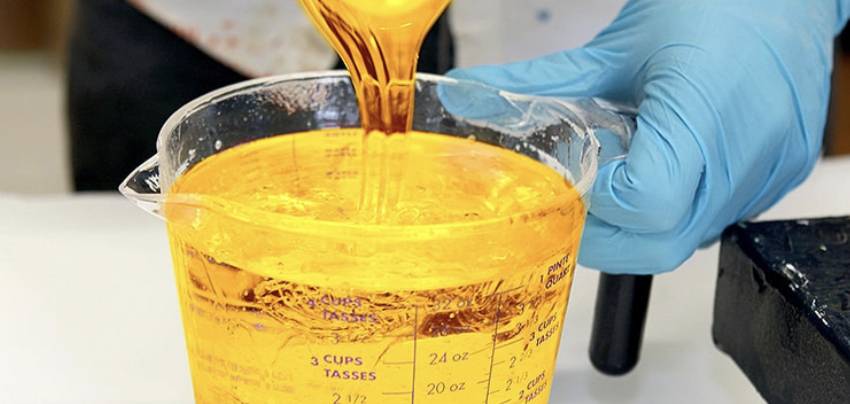
These are used in high-temperature applications and provide strong bonds and chemical resistance, suitable for the automotive and aerospace industries.
Benefits:
- High Temperature Resistance: Phenolic resins can withstand high temperatures without losing their adhesive properties.
- Chemical Resistance: They offer excellent resistance to chemicals, making them suitable for harsh environments.
- Strong Bonds: Phenolic adhesives provide strong, durable bonds suitable for structural applications.
Applications:
- Automotive: Phenolic resins are used in brake linings, clutch facings, and other high-temperature automotive applications.
- Aerospace: In the aerospace industry, they are used for bonding and composite materials that need to endure extreme conditions.
- Industrial: Phenolic adhesives are used in laminates and coatings for their high strength and durability.
8) Hot Melt Adhesives
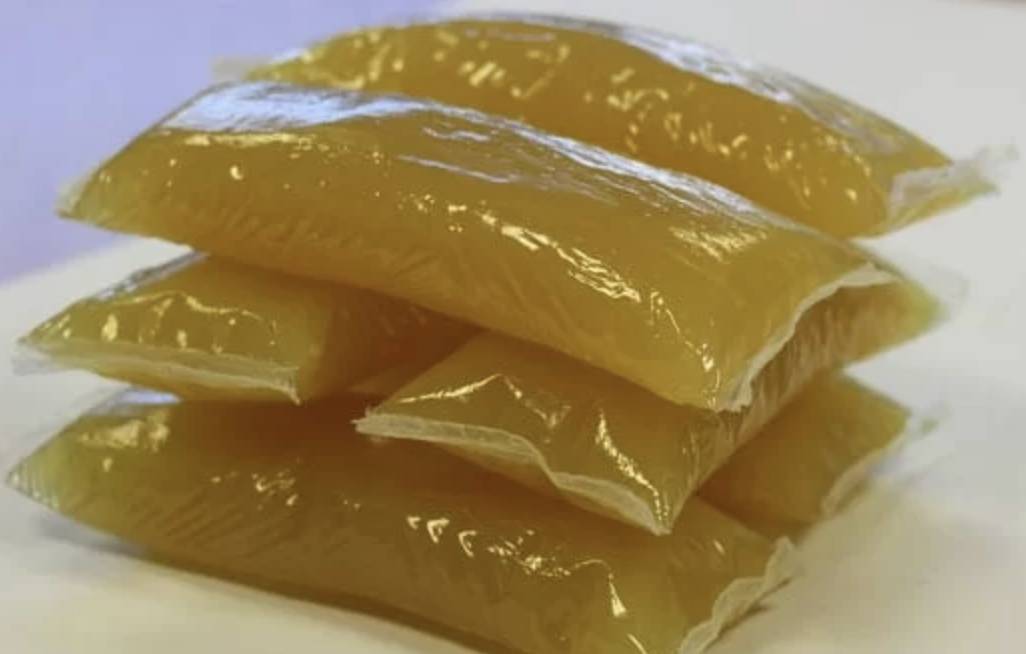
Composed of thermoplastic polymers, these adhesives are applied in molten form and solidify upon cooling, used in packaging, bookbinding, and furniture.
Benefits:
- Fast Setting: Hot melt adhesives set quickly upon cooling, which is beneficial for high-speed production processes.
- Versatility: They can bond a wide range of materials including plastics, metals, and fabrics.
- Solvent-Free: Hot melts are typically solvent-free, making them environmentally friendly and safe to use.
Applications:
- Packaging: Hot melt adhesives are widely used in the packaging industry for sealing cartons and boxes.
- Bookbinding: They are used in the bookbinding industry for their quick setting and strong bonds.
- Textiles: In the textile industry, hot melts are used for bonding fabrics and attaching labels.
9) Butyl Rubber
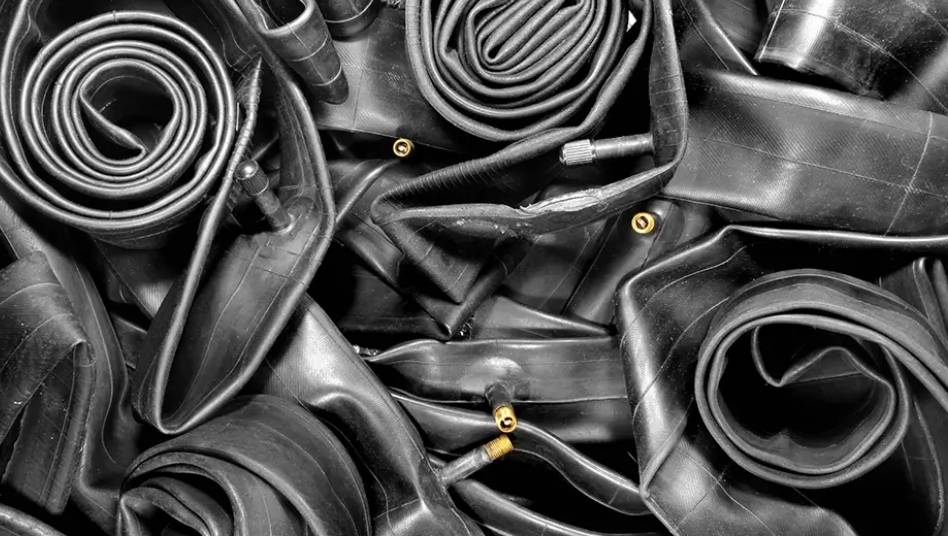
Used in sealants for their excellent waterproofing and weather-resistant properties, commonly applied in construction and automotive industries.
Benefits:
- Excellent Waterproofing: Butyl rubber sealants provide excellent waterproofing properties.
- Weather Resistance: They are resistant to UV rays, ozone, and other weather-related factors.
- Flexibility: Butyl rubber remains flexible over a wide temperature range.
Applications:
- Construction: Butyl rubber sealants are used for roofing applications, sealing windows, and other exterior building applications.
- Automotive: In the automotive industry, they are used for sealing windows, doors, and other components that require waterproofing.
- HVAC: Butyl sealants are used in HVAC systems for their flexibility and sealing properties.
10) Natural Rubber
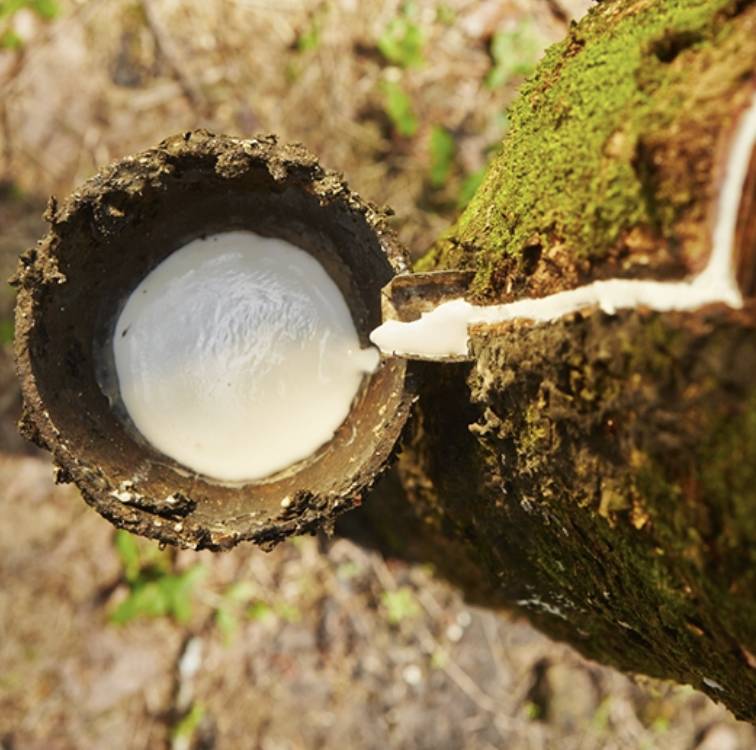
Often used in pressure-sensitive adhesives (PSAs), natural rubber provides strong, flexible bonds and is used in tapes, labels, and other consumer products.
Benefits:
- Strong Bonds: Natural rubber provides strong, flexible bonds.
- Pressure Sensitivity: It is commonly used in pressure-sensitive adhesives (PSAs) due to its tackiness and adhesive properties.
- Biodegradability: Being a natural product, it is more environmentally friendly compared to synthetic alternatives.
Applications:
- Tapes: Natural rubber adhesives are used in tapes for their strong adhesion and ease of removal.
- Labels: They are used in labels where quick and strong adhesion is required.
- Consumer Goods: Natural rubber is used in various consumer goods for its adhesive properties and flexibility.
Conclusion - Top 10 Chemicals in Adhesives & Sealants

'The adhesives and sealants industry relies on a diverse range of chemicals to meet the specific needs of various applications. Each of these chemicals offers unique benefits that make them suitable for different environments and purposes. Understanding the properties and applications of these top ten chemicals helps in selecting the right adhesive or sealant for a given task, ensuring optimal performance and durability.
As the industry continues to evolve, innovations in chemical formulations will likely lead to even more advanced and specialized adhesives and sealants, further expanding their applications and improving their performance.
How can we help you with your chemical requirements?
✅ Are you a company of 11 - 50 people?
✅ Do you use more than 1000 tons of industrial chemicals per year?
✅ Do you spend too much time finding the right chemical manufacturers?
✅ Are you unsure each time whether you will get the right grade of chemical?
If your answer is YES, Reduce Your Chemical Sourcing Headaches, Contact Us Now for a FREE Consultation and Samples Offer
✅Camachem: Quality Chemicals. Every Single Time✅
-
Bulk SMBS for Sale: 5 Key Applications for Australian Factories
 January 7, 2026
 -
Top 5 Xanthates Every Australian Mining Operation Should Source in Bulk
 January 6, 2026
 -
Top 7 Industrial Chemicals You Can Import from China to Australia in Bulk
 January 5, 2026
 -
5 Mining Reagents You Should Source in Bulk for Australian Operations
 December 31, 2025
 -
6 Chemicals Australian Water Treatment Plants Must Stock in Bulk
 December 30, 2025