
 Arabic
 English
 French
 Indonesia
 Portuguese
 Russian
 Spanish
 +86-157-2476-6919
Top 10 Chemicals In Rubber Manufacturing

Rubber manufacturing is a sophisticated process that transforms raw materials into versatile and durable products used in countless applications worldwide. From everyday items like tires and footwear to industrial components such as seals and gaskets, rubber products play a critical role in our daily lives.
Achieving the desired properties in rubber, such as elasticity, strength, and resistance to environmental factors, requires the use of specific chemicals.In this comprehensive listicle, we will explore the top 10 chemicals used in rubber manufacturing.
We'll delve into their benefits, how they enhance the properties of rubber, and their diverse applications. Whether you are in the industry or simply curious about what goes into making rubber products, this guide provides valuable insights into the essential chemicals that make rubber manufacturing possible.
Know Top 10 Chemicals in Rubber Manufacturing
- Sulfur
- Zinc Oxide
- Stearic Acid
- Carbon Black
- Antioxidants
- Accelerators
- Plasticizers
- Silica
- Processing Oils
- Resins
1. Sulfur

Benefits: Sulfur is a crucial vulcanizing agent that forms cross-links between polymer chains in rubber, transforming it from a sticky, plastic-like material to a highly elastic, durable one. This process, known as vulcanization, significantly enhances the mechanical properties of rubber, including its elasticity, tensile strength, and resistance to abrasion and aging.
Applications: Sulfur is predominantly used in the manufacturing of tires, where its vulcanizing properties ensure the durability and performance of the product. It is also used in the production of conveyor belts, hoses, shoe soles, and other rubber products that require high elasticity and strength.
2. Zinc Oxide
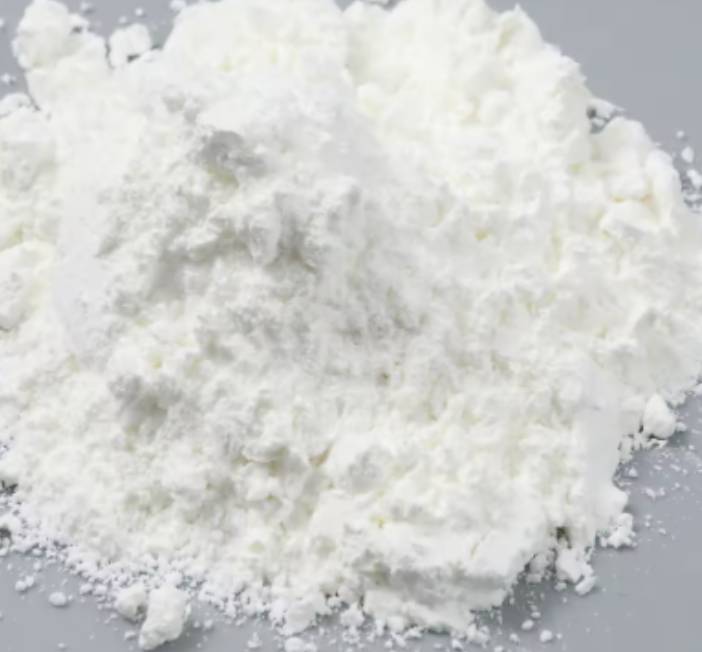
Benefits: Zinc oxide serves as an activator in the vulcanization process, improving the efficiency of sulfur vulcanization. It also enhances the heat resistance and durability of rubber, making it less prone to thermal degradation. Additionally, zinc oxide provides UV protection, preventing the rubber from deteriorating when exposed to sunlight.
Applications: Zinc oxide is used in tire manufacturing, providing the necessary durability and heat resistance for high-performance tires. It is also utilized in the production of rubber seals, gaskets, and other components that are exposed to harsh environmental conditions.
3. Stearic Acid
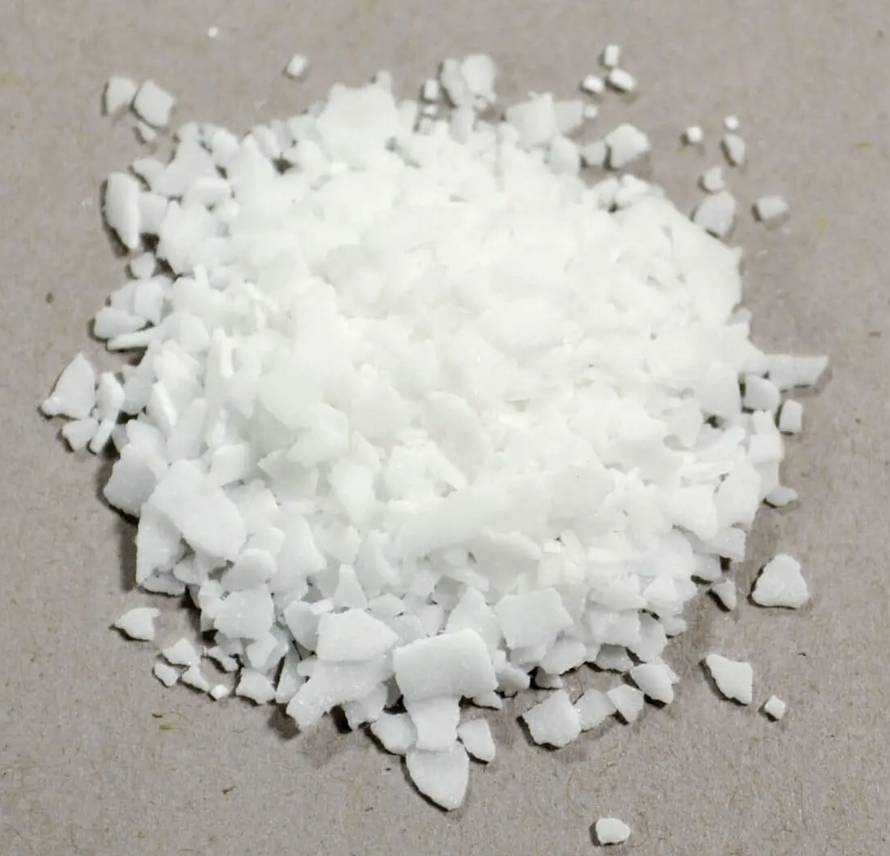
Benefits: Stearic acid acts as a vulcanization activator and a softener in rubber manufacturing. It facilitates the dispersion of fillers and other additives, ensuring a uniform rubber compound. Stearic acid also improves the processing properties of rubber, making it easier to mold and shape.
Applications: Stearic acid is commonly used in the production of tires, belts, and hoses. It helps in achieving the desired flexibility and strength in these products. Additionally, stearic acid is used in the manufacture of various rubber goods, including footwear, mats, and automotive parts.
4. Carbon Black
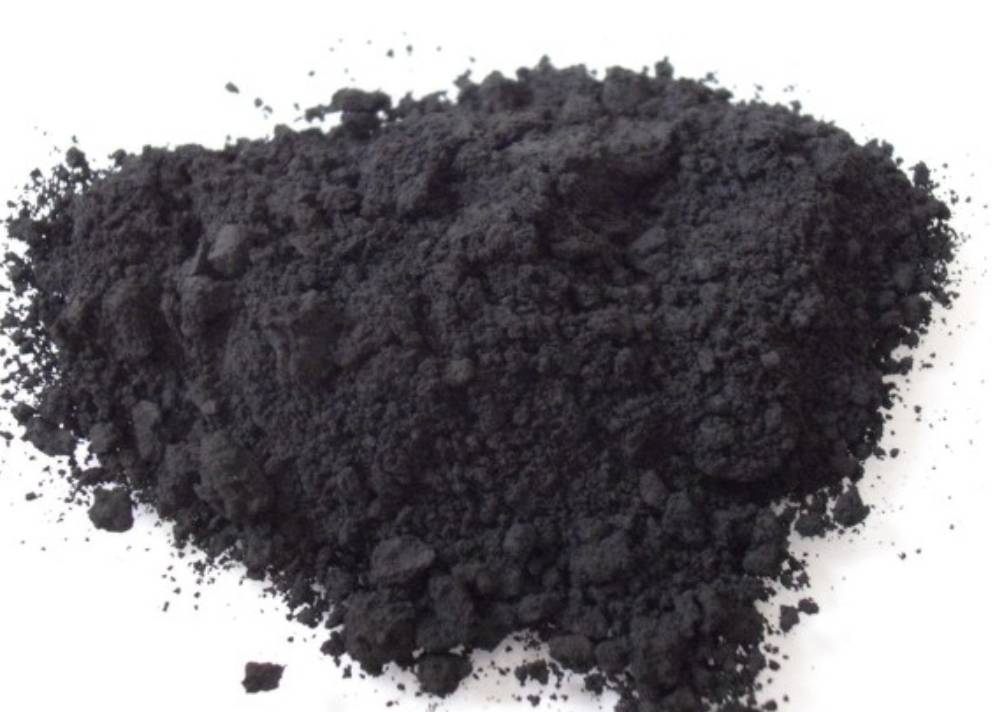
Benefits: Carbon black is a reinforcing filler that significantly enhances the mechanical properties of rubber. It improves the strength, abrasion resistance, and UV protection of rubber products. Carbon black also provides conductivity, making it essential in applications where static electricity needs to be dissipated.
Applications: The primary application of carbon black is in tire manufacturing, where it enhances the durability and performance of tires. It is also used in the production of conveyor belts, hoses, and other industrial rubber products. Additionally, carbon black is employed in the manufacture of rubber products that require electrical conductivity, such as anti-static mats and components.
5. Antioxidants
Benefits: Antioxidants, such as amines and phenols, are added to rubber compounds to prevent oxidative degradation. These chemicals protect the rubber from the damaging effects of oxygen, heat, and UV radiation, extending the lifespan of rubber products. Antioxidants also improve the overall stability and performance of rubber under various environmental conditions.
Applications: Antioxidants are used in the production of tires, where they prevent the degradation of rubber due to heat and oxygen exposure. They are also employed in the manufacture of automotive components, seals, and gaskets that are subject to harsh conditions. Additionally, antioxidants are used in the production of consumer goods, such as footwear and sports equipment, to enhance their durability.
6. Accelerators

Benefits: Accelerators, such as benzothiazole and sulfenamides speed up the vulcanization process, reducing the curing time and improving the efficiency of rubber manufacturing. They also enhance the mechanical properties of rubber, including its elasticity, tensile strength, and resistance to aging and heat.
Applications: Accelerators are widely used in the tire industry, where they ensure the efficient and consistent vulcanization of rubber compounds. They are also employed in the production of various rubber goods, including hoses, belts, and seals. Additionally, accelerators are used in the manufacture of latex products, such as gloves and balloons, to achieve the desired elasticity and strength.
7. Plasticizers
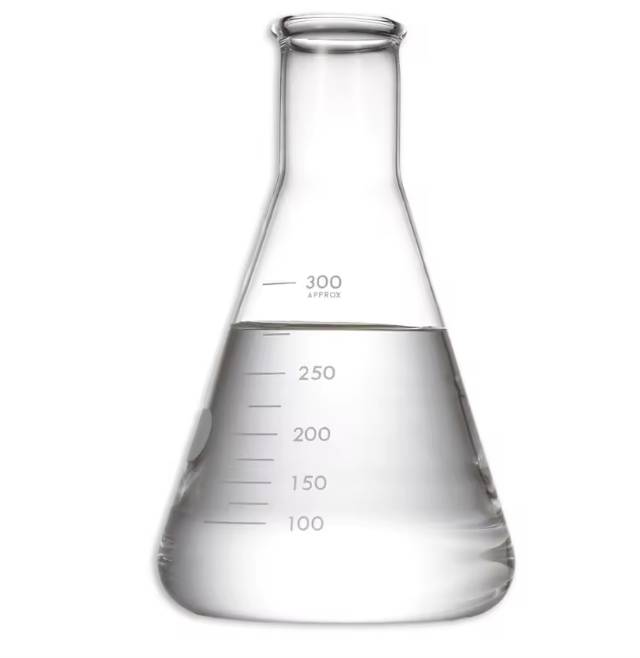
Benefits: Plasticizers, such as oils and esters, are added to rubber compounds to improve their flexibility, workability, and processing properties. They reduce the stiffness of rubber, making it easier to mold and shape into various products. Plasticizers also enhance the overall performance of rubber by improving its low-temperature flexibility and resistance to cracking.
Applications: Plasticizers are used in the production of tires, where they enhance the flexibility and performance of the rubber. They are also employed in the manufacture of rubber hoses, seals, and gaskets, providing the necessary flexibility and durability. Additionally, plasticizers are used in the production of consumer goods, such as footwear, toys, and inflatable products, to achieve the desired softness and flexibility.
8. Silica
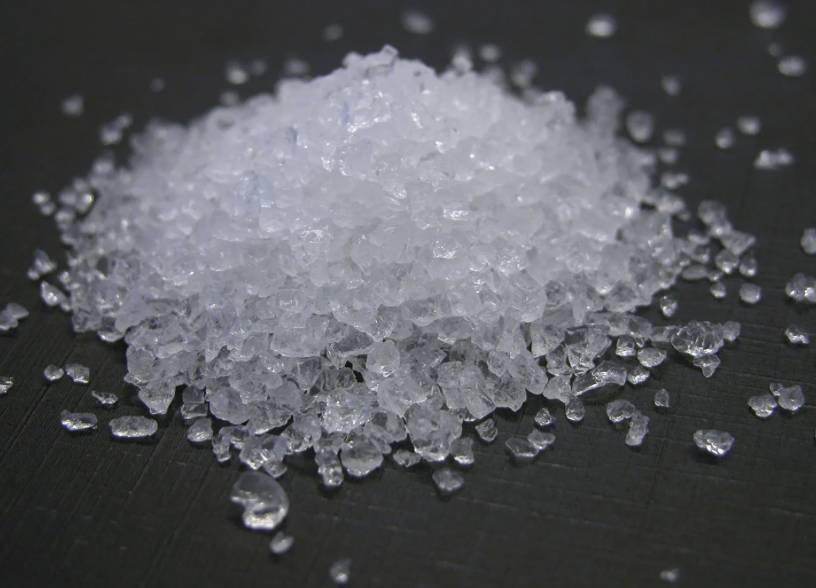
Benefits: Silica is a reinforcing filler that improves the mechanical properties of rubber, including its tensile strength, abrasion resistance, and durability. It also enhances the rolling resistance and wet traction of rubber products, making it a preferred choice in tire manufacturing. Silica provides excellent heat resistance and UV protection, ensuring the longevity of rubber products.
Applications: Silica is predominantly used in the production of high-performance tires, where it improves the fuel efficiency and safety of vehicles. It is also employed in the manufacture of rubber seals, gaskets, and other components that require high durability and resistance to harsh conditions. Additionally, silica is used in the production of consumer goods, such as footwear and sports equipment, to enhance their performance and longevity.
9. Processing Oils
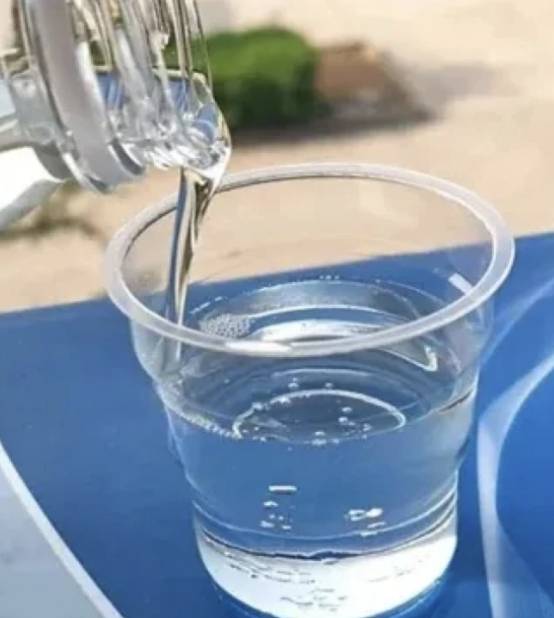
Benefits: Processing oils, such as paraffinic, naphthenic, and aromatic oils, are added to rubber compounds to enhance their mixing and processing properties. These oils improve the workability and dispersion of fillers and additives, ensuring a uniform rubber compound. Processing oils also enhance the flexibility and performance of rubber products, particularly at low temperatures.
Applications: Processing oils are widely used in the tire industry, where they facilitate the mixing and processing of rubber compounds. They are also employed in the production of various rubber goods, including hoses, belts, and seals. Additionally, processing oils are used in the manufacture of consumer goods, such as footwear and toys, to achieve the desired flexibility and performance.
10. Resins
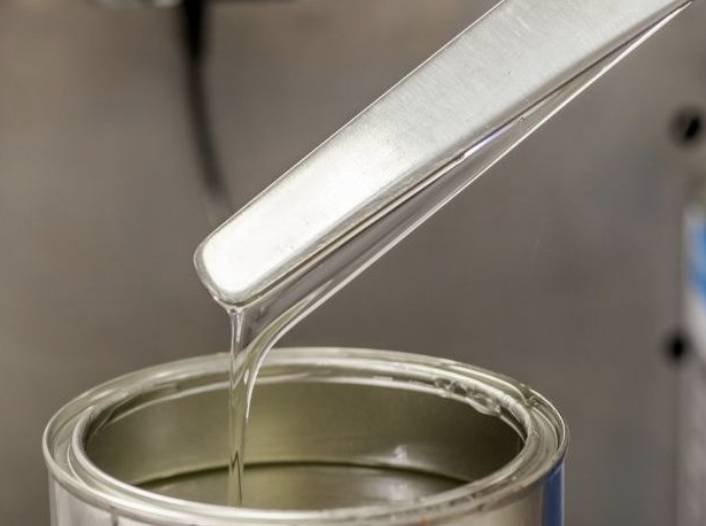
Benefits: Resins, such as phenolic, coumarone-indene, and hydrocarbon resins, are used to improve the tackiness, adhesion, and overall mechanical properties of rubber. These resins enhance the bonding of rubber to other materials, making them essential in applications where strong adhesion is required. Resins also improve the durability and performance of rubber products under various environmental conditions.
Applications: Resins are used in the production of tires, where they improve the adhesion of rubber to the carcass and other components. They are also employed in the manufacture of rubber seals, gaskets, and adhesives, providing the necessary tackiness and bonding strength. Additionally, resins are used in the production of consumer goods, such as footwear and sports equipment, to enhance their performance and durability.
Conclusion - Top 10 Chemicals in Rubber Manufacturing

The rubber manufacturing industry relies on a diverse array of chemicals to produce high-quality rubber products with enhanced properties. Each of these chemicals plays a crucial role in improving the performance, durability, and overall quality of rubber. From sulfur and zinc oxide to resins and processing oils, these chemicals ensure that rubber products meet the demanding requirements of various applications, from automotive components to consumer goods.
By understanding the benefits and applications of these chemicals, manufacturers can continue to innovate and produce rubber products that meet the ever-evolving needs of the market.
How can we help you with your chemical requirements?
✅ Are you a company of 11 - 50 people?
✅ Do you use more than 1000 tons of industrial chemicals per year?
✅ Do you spend too much time finding the right chemical manufacturers?
✅ Are you unsure each time whether you will get the right grade of chemical?
If your answer is YES, Reduce Your Chemical Sourcing Headaches, Contact Us Now for a FREE Consultation and Samples Offer
✅Camachem: Quality Chemicals. Every Single Time✅
-
Bulk SMBS for Sale: 5 Key Applications for Australian Factories
 January 7, 2026
 -
Top 5 Xanthates Every Australian Mining Operation Should Source in Bulk
 January 6, 2026
 -
Top 7 Industrial Chemicals You Can Import from China to Australia in Bulk
 January 5, 2026
 -
5 Mining Reagents You Should Source in Bulk for Australian Operations
 December 31, 2025
 -
6 Chemicals Australian Water Treatment Plants Must Stock in Bulk
 December 30, 2025