
 Arabic
 English
 French
 Indonesia
 Portuguese
 Russian
 Spanish
 +86-157-2476-6919
Top 10 Chemicals Used in Biocides: A Comprehensive Guide
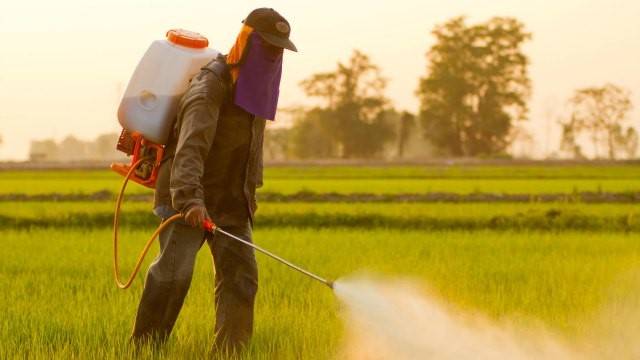
What are Biocides?
Biocides are chemical or biological agents that target harmful microorganisms. They include disinfectants, preservatives, antiseptics, and pesticides, used to prevent microbial contamination in various settings. Their importance lies in protecting public health, extending product shelf life, and maintaining system efficiency.
Biocides are chemicals that kill or inhibit the growth of harmful microorganisms such as bacteria, viruses, fungi, and algae. They play a critical role in maintaining hygiene, preventing contamination, and ensuring safety across industries like healthcare, food processing, water treatment, and manufacturing. This guide explores the top 10 chemicals used as biocides, detailing their applications, mechanisms of action, and safety considerations in simple English.
Summary Table of Biocides
|
Biocide |
Primary Applications |
Mechanism of Action |
Safety Considerations |
|
Chlorine-Based Compounds |
Water treatment, swimming pools, disinfection |
Oxidizes cell components |
Corrosive, irritating, potential byproducts |
|
Quaternary Ammonium Compounds |
Healthcare, food processing, cleaners |
Disrupts cell membranes |
Skin/eye irritation, resistance concerns |
|
Hydrogen Peroxide |
Healthcare, food processing, water treatment |
Produces reactive oxygen species |
Irritating at high concentrations |
|
Peracetic Acid |
Healthcare, food industry, water treatment |
Oxidizes cell components |
Corrosive, requires careful handling |
|
Glutaraldehyde |
Medical equipment sterilization |
Cross-links proteins |
Respiratory/skin irritant, sensitizer |
|
Isothiazolinones |
Cosmetics, paints, water treatment |
Inhibits enzymes, disrupts membranes |
Allergenic, restricted in EU |
|
Triclosan |
Soaps, toothpastes, textiles |
Inhibits lipid synthesis |
Resistance and environmental concerns |
|
Silver-Based Biocides |
Medical devices, textiles, water treatment |
Disrupts membranes and metabolism |
Low human toxicity, environmental concerns |
|
Alcohols |
Hand sanitizers, surface disinfectants |
Denatures proteins, dissolves membranes |
Flammable, skin drying |
|
Phenolics |
Healthcare, industrial preservatives |
Disrupts membranes, denatures proteins |
Irritating, toxic if mishandled |
Top 10 Chemicals Used in Biocides
1. Chlorine and Chlorine-Based Compounds

Chlorine tablets used in water treatment
Description: Chlorine is a powerful biocide widely used for disinfection, especially in water treatment. Chlorine-based compounds, like sodium hypochlorite (bleach) and chlorine dioxide, are also common.
Mechanism of Action: Chlorine oxidizes cellular components, disrupting cell membranes and denaturing proteins, which kills microorganisms.
Applications:
- Water Treatment: Purifies drinking water and treats wastewater.
- Swimming Pools: Keeps pools clean by killing germs.
- Industrial Disinfection: Used in food processing and surface cleaning.
- Healthcare: Disinfects medical equipment and surfaces.
Safety Considerations: Chlorine can irritate skin, eyes, and lungs and is corrosive to some materials. Proper ventilation and protective gear are essential. Overuse may lead to harmful byproducts like trihalomethanes, which are under regulatory scrutiny (Lenntech).
Example Compounds: Sodium hypochlorite, chlorine dioxide, chloroisocyanurates.
Top 10 Chemicals used in water treatment
2. Quaternary Ammonium Compounds (QACs)
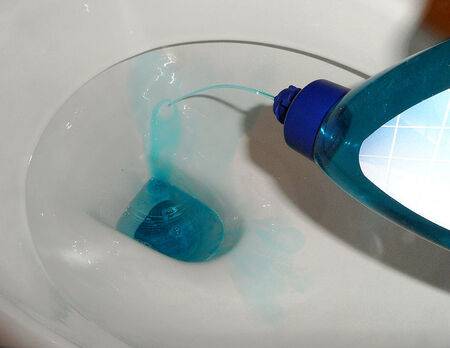
QACs, or “quats” are used as disinfectants
Description: QACs, or "quats," are cationic surfactants like benzalkonium chloride and cetylpyridinium chloride, known for their antimicrobial properties.
Mechanism of Action: QACs disrupt microbial cell membranes by interacting with the phospholipid bilayer, causing leakage and cell death.
Applications:
- Healthcare: Disinfects surfaces and medical equipment.
- Food Processing: Sanitizes surfaces in food production facilities.
- Consumer Products: Found in household cleaners and disinfecting wipes.
- Water Treatment: Controls algae in industrial systems.
Safety Considerations: QACs can cause skin and eye irritation and, in some cases, allergic reactions. Research suggests concerns about their environmental persistence and potential to contribute to antibiotic resistance, though evidence is mixed (ScienceDirect).
Example Compounds: Benzalkonium chloride, cetylpyridinium chloride, didecyldimethylammonium chloride.
Top 10 Chemicals used for Cleaning and Sanitation
3. Hydrogen Peroxide
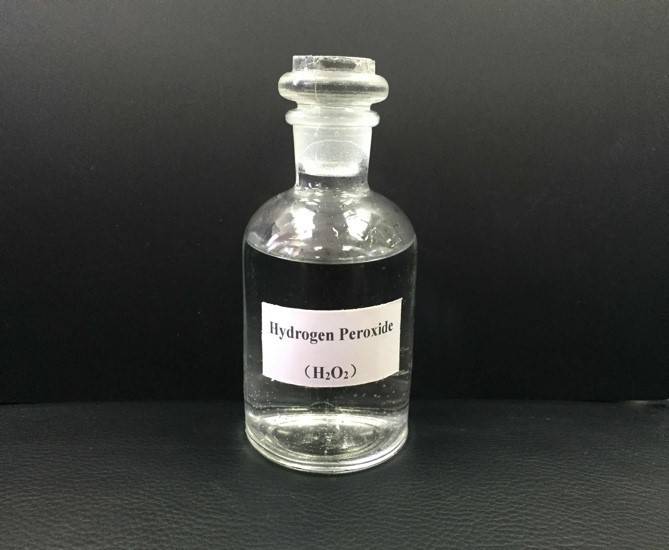
Bottle containing Hydrogen Peroxide
Description: Hydrogen peroxide is a versatile biocide that breaks down into water and oxygen, making it environmentally friendly.
Mechanism of Action: It produces reactive oxygen species that damage microbial DNA, proteins, and cell membranes.
Applications:
- Healthcare: Sterilizes medical devices and disinfects surfaces.
- Food Processing: Sanitizes equipment and food contact surfaces.
- Water Treatment: Treats wastewater and controls algae.
- Cosmetics and Pharmaceuticals: Used as a preservative.
Safety Considerations: High concentrations can irritate skin and eyes or cause burns. Proper dilution and handling are necessary. Its eco-friendly breakdown products reduce environmental concerns (PubMed).
Example Use: 3–6% solutions for surface disinfection, vaporized for hospital room sterilization.
Top 10 Chemicals used in Sewage Treatment
4. Peracetic Acid
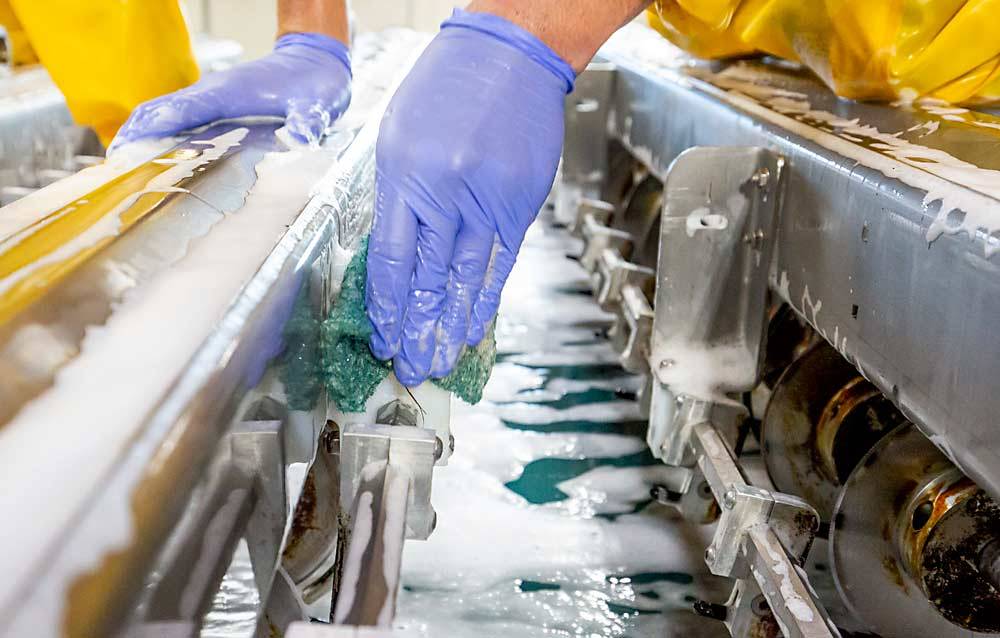
Peracetic Acid is used in cleaning and sanitation
Description: Peracetic acid (PAA) is a potent oxidizing agent formed from acetic acid and hydrogen peroxide.
Mechanism of Action: PAA oxidizes microbial cell components, disrupting membranes and proteins, leading to cell death.
Applications:
- Healthcare: Sterilizes endoscopes and other medical equipment.
- Food Industry: Disinfects surfaces and equipment in food processing.
- Water Treatment: Controls microbes in wastewater and cooling towers.
- Pulp and Paper: Used for bleaching and microbial control.
Safety Considerations: PAA is corrosive and can cause severe burns or respiratory irritation. Proper ventilation and protective equipment are critical. Its decomposition into acetic acid, water, and oxygen minimizes environmental impact (Enviro Tech).
Example Use: 5–15% solutions for industrial disinfection.
Top 10 Chemicals used in Cleaning and Sanitation
5. Glutaraldehyde
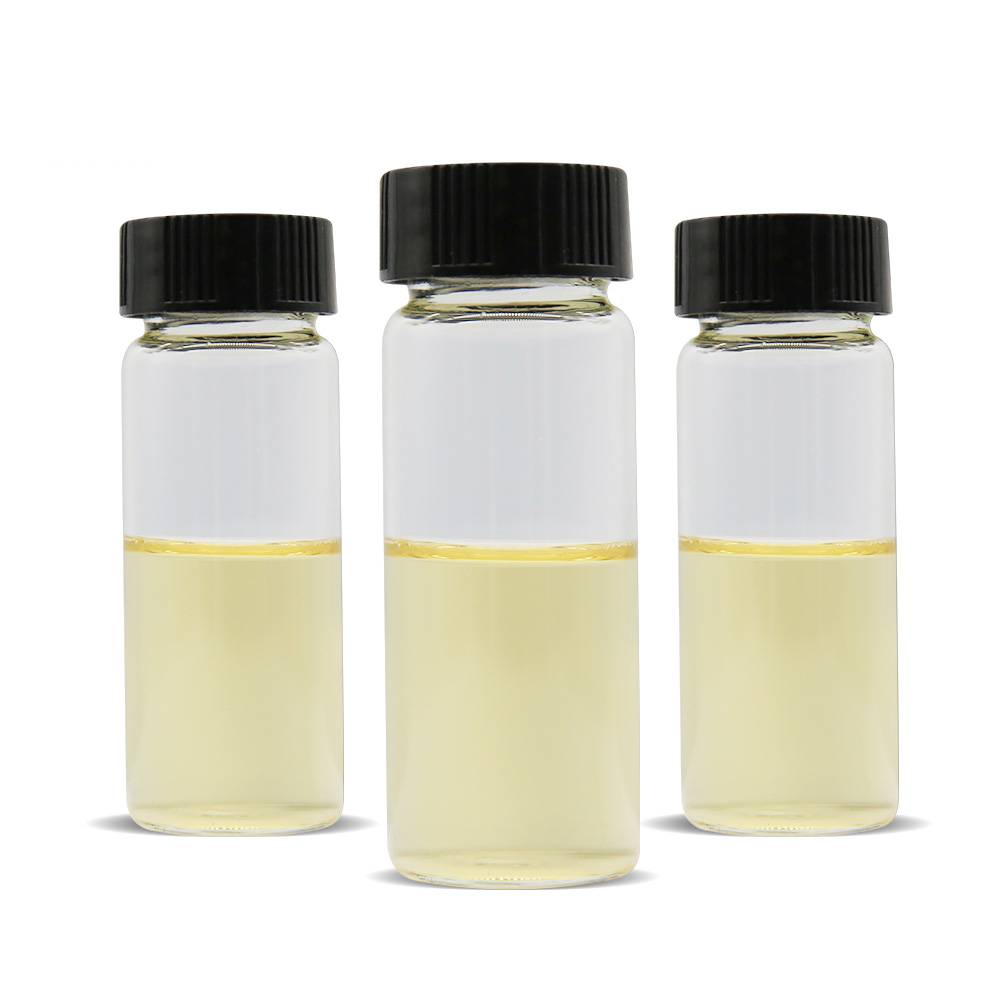
Vials containing Glutaraldehyde
Description: Glutaraldehyde is a high-level disinfectant used primarily in healthcare for sterilizing sensitive equipment.
Mechanism of Action: It cross-links proteins, inactivating enzymes and other cellular components, effectively killing microbes.
Applications:
- Healthcare: Sterilizes endoscopes and surgical instruments.
- Industrial: Preserves adhesives, coatings, and other water-based products.
- Oil and Gas: Controls microbial growth in pipelines.
Safety Considerations: Glutaraldehyde is a known irritant and sensitizer, causing respiratory issues and skin reactions. Strict safety protocols, including ventilation and protective gear, are required (OSHA).
Example Use: 2% solutions for medical equipment sterilization.
WhatsApp Us for Free a Consultation
6. Isothiazolinones
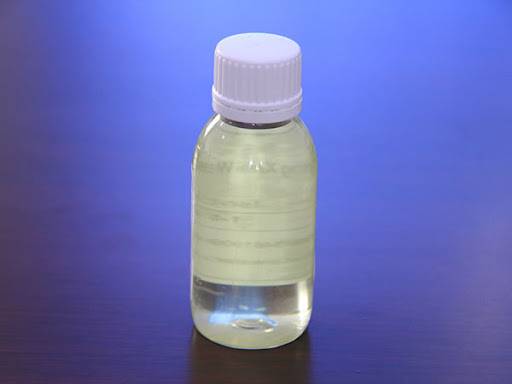
Bottle containing Isothiazolinones
Description: Isothiazolinones, such as methylisothiazolinone (MIT) and chloromethylisothiazolinone (CMIT), are synthetic biocides used as preservatives.
Mechanism of Action: They inhibit enzyme activity and disrupt cell membranes, preventing microbial growth.
Applications:
- Personal Care: Preserves cosmetics, shampoos, and lotions.
- Industrial: Used in paints, coatings, and water treatment.
- Household Products: Found in cleaning agents and detergents.
Safety Considerations: Isothiazolinones are strong sensitizers, causing skin irritation and allergies. Their use is restricted in the EU due to health concerns (PubMed).
Example Compounds: MIT, CMIT, benzisothiazolinone (BIT).
7. Triclosan
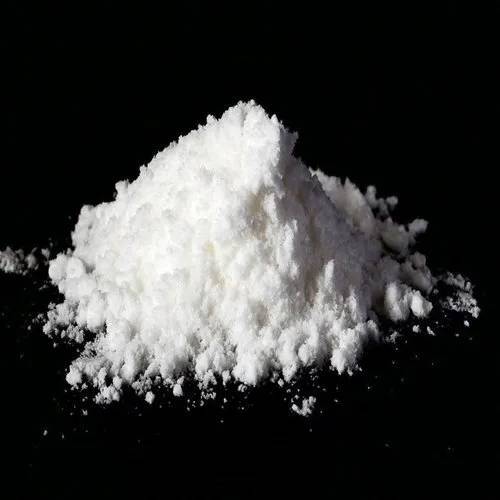
Image showing Triclosan in powder form
Description: Triclosan is a broad-spectrum antimicrobial used in consumer products for over 40 years.
Mechanism of Action: It inhibits lipid synthesis in bacterial cell membranes, leading to cell death.
Applications:
- Personal Care: Found in soaps, toothpastes, and deodorants.
- Textiles and Plastics: Used in antimicrobial coatings for clothing and kitchen utensils.
- Healthcare: Incorporated into medical textiles.
Safety Considerations: Triclosan is controversial due to potential antibiotic resistance and environmental persistence. Its use is banned in some EU applications and restricted in others (EPA).
Example Use: 0.3% in cosmetics (EU limit).
Top 10 Chemicals used in Environmental Services
Top 10 Chemicals used in Polymers
8. Silver-Based Biocides
Description: Silver-based biocides, including silver ions and nanoparticles, are known for their antimicrobial properties.
Mechanism of Action: Silver ions disrupt cell membranes and interfere with microbial metabolism.
Applications:
- Healthcare: Used in wound dressings and medical device coatings.
- Textiles: Incorporated into fabrics for antibacterial properties.
- Water Treatment: Controls microbes in filters and systems.
Safety Considerations: Silver has low toxicity for humans but may pose environmental risks if not properly managed. Regulatory scrutiny is ongoing (ECHA).
Example Use: Silver nanoparticles in face masks and bandages.
9. Alcohols

Vials containing isopropanol alcohol
Description: Alcohols like ethanol and isopropanol are fast-acting disinfectants used widely in healthcare.
Mechanism of Action: They denature proteins and dissolve cell membranes, killing microbes quickly.
Applications:
- Healthcare: Used in hand sanitizers and surface disinfectants.
- Medical Devices: Sterilizes equipment.
- Consumer Products: Found in wipes and cleaning sprays.
Safety Considerations: Alcohols are flammable and can dry out skin with frequent use. They require a 60–80% concentration for optimal efficacy (CDC).
Example Use: 70% ethanol in hand sanitizers.
10. Phenolics
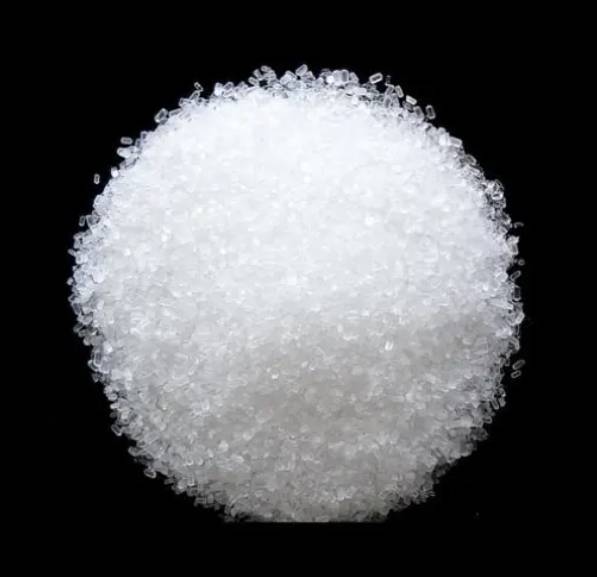
High quality Phenol granules
Description: Phenolics, derived from phenol, are effective disinfectants used in healthcare and industry.
Mechanism of Action: They disrupt cell membranes and denature proteins, leading to microbial death.
Applications:
- Healthcare: Disinfects surfaces and equipment.
- Industrial: Used as preservatives in cosmetics and pharmaceuticals.
- Food Industry: Sanitizes surfaces.
Safety Considerations: Phenolics can be irritating and toxic if mishandled. Proper ventilation and protective gear are necessary (ScienceDirect).
Example Compounds: Ortho-phenylphenol, cresols.
WhatsApp Us for Free a Consultation
Why Biocides Chemicals Matter for Various Industries?
Biocides are chemicals designed to control or eliminate harmful microorganisms, such as bacteria, fungi, algae, and viruses. They play a critical role across various industries due to their ability to ensure safety, enhance product longevity, maintain operational efficiency, and comply with regulatory standards. Below is a concise explanation of why biocides matter for key industries:
1. Water Treatment
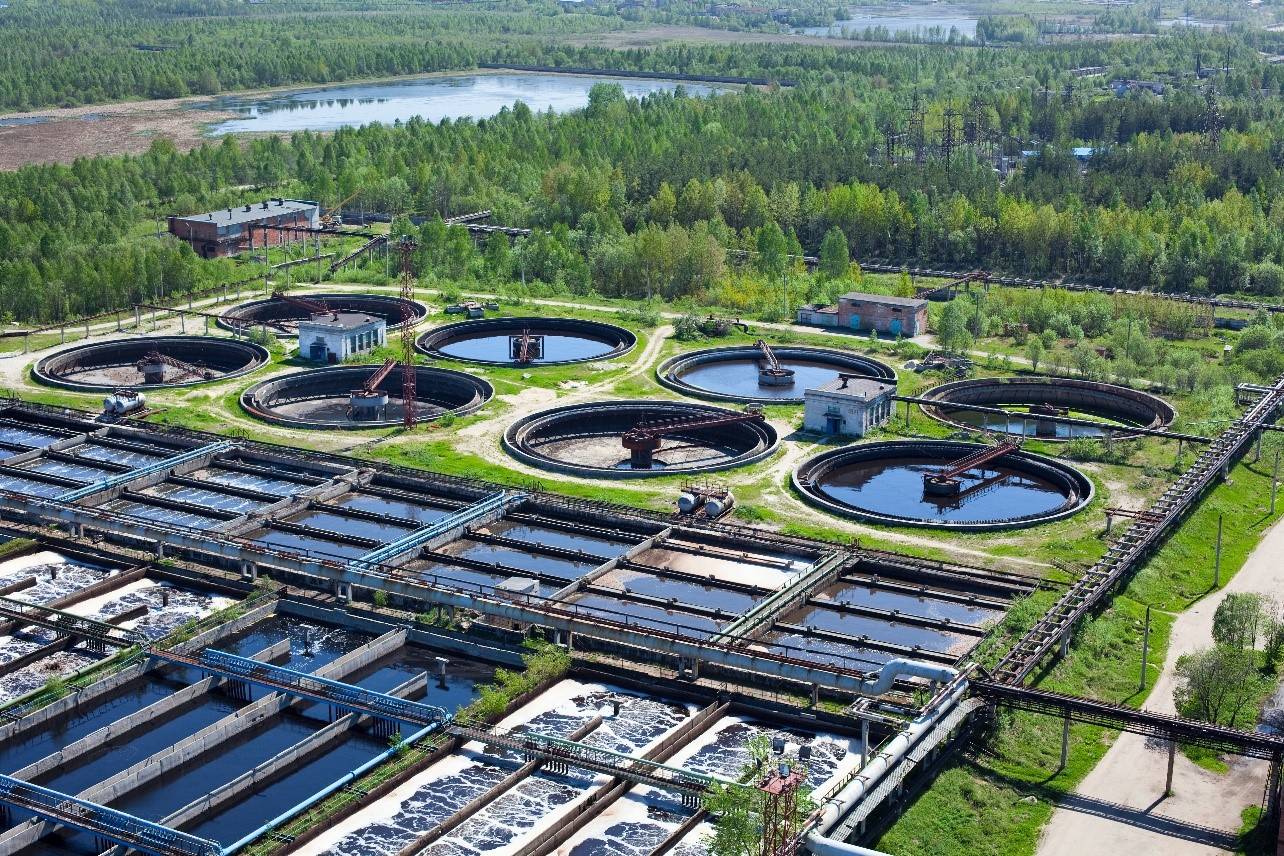
Water Treatment Facility
Biocides prevent microbial contamination in water systems, such as cooling towers, drinking water, and wastewater treatment facilities. Uncontrolled microbial growth can lead to biofouling, corrosion, and health risks (e.g., Legionella in cooling systems).
Learn more about water treatment
2. Healthcare and Pharmaceuticals
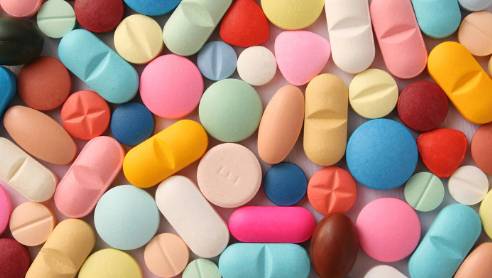
Biocides are used in pharmaceutical products
Biocides are used in disinfectants, sterilants, and preservatives to eliminate pathogens in hospitals, medical devices, and pharmaceutical products. They prevent infections and ensure product safety.
Learn more about chemicals used in Pharmaceuticals
3. Food and Beverage

Biocides are used in food industry
Biocides control microbial growth in food processing, packaging, and storage, preventing spoilage and foodborne illnesses. They are used in sanitizers for equipment and as preservatives in products.
Learn more about chemicals used in Beverage Industry and Food Industry
Top 5 chemicals used in Food Industry
4. Oil and Gas

Wide usage of biocides in oil and gas extraction
Biocides prevent microbial-induced corrosion (MIC) in pipelines, storage tanks, and drilling systems. They also control biofouling in oilfield water systems.
Learn about chemicals used in Oil and Gas Industry
Top 5 Chemicals Used in Oil and Gas Industry #chemical #chemicals #oilandgas #oilindustry #gasoline
5. Agriculture

Wide usage of biocides in agriculture
Biocides, such as fungicides and bactericides, protect crops from pests and diseases, while disinfectants maintain hygiene in livestock farming and storage facilities.
Learn about chemicals used in Agriculture Industry
WhatsApp Us for Free a Consultation
6. Paints and Coatings

Biocides usage in paints and coatings industries
Biocides prevent microbial growth in paints, coatings, and adhesives, which can degrade product quality or cause odors and discoloration.
Learn more about chemicals used in paints and coatings
7. Cosmetics and Personal Care

Biocides usage in Cosmetics and Personal Care industries
Biocides act as preservatives to prevent microbial contamination in products like creams, shampoos, and lotions, ensuring consumer safety and product stability.
Learn more about chemicals used in Beauty and personal care products
8. Textiles and Leather

Biocides are used in textile and leather manufacturing
Biocides prevent mold, mildew, and bacterial growth in textiles and leather during production, storage, and use, especially in humid conditions.
Learn more about chemicals used in textile and leather industry
9. Construction and Building Materials

Biocides are widely used in construction
Biocides are used in materials like wood, drywall, and insulation to prevent fungal growth and decay, especially in damp environments.
Learn more about chemicals used in construction industry
10. Pulp and Paper

Biocides are widely used in paper production
Biocides control slime-forming bacteria and fungi in paper production processes, which can clog equipment and degrade product quality.
Impact: Improves production efficiency, reduces waste, and ensures high-quality paper products.
Learn more about chemicals used in pulp and paper industry
WhatsApp Us for Free a Consultation
Responsible Use
To use biocides safely:
- Follow Instructions: Always read product labels for proper usage and dilution.
- Use Protective Gear: Wear gloves and goggles, especially with corrosive biocides like peracetic acid.
- Ensure Ventilation: Avoid inhaling fumes from chemicals like chlorine or glutaraldehyde.
- Minimize Environmental Impact: Dispose of biocides properly to prevent harm to ecosystems.
Want to see how we handle packaging and global shipping of bulk chemicals?
Take a look inside our warehouse operations in this short video:
Conclusion
The top 10 chemicals used in biocides play a critical role in safeguarding public health, preserving materials, and ensuring safety across industries like agriculture, healthcare, and water treatment. From powerful disinfectants to versatile antimicrobial agents, these compounds are essential in controlling harmful microorganisms while meeting stringent safety and environmental standards. Each has unique strengths, making them suitable for specific applications, but they also come with safety challenges. By understanding their uses and risks, we can use biocides effectively while minimizing harm to ourselves and the environment.
As the demand for effective biocides grows, understanding these chemicals empowers industries and consumers to make informed choices, balancing efficacy with sustainability. By staying informed about advancements in biocide technology and regulations, we can continue to harness these chemicals responsibly, protecting both our environment and our future.
Simplify Your Chemical Sourcing with Camachem

Chemical sourcing simplified
Managing multiple chemical suppliers wastes time and increases risks. Single-source solutions simplify operations. Camachem - a subsidiary of CAMAL group, provides one-stop sourcing, streamlined documentation, coordinated deliveries, quality consistency, and simplified management. Inventory management advantages include reduced storage requirements, better cash flow, automated reordering, and emergency backup supply.
Quality assurance benefits involve single supplier accountability, consistent specifications, simplified testing, and improved traceability.
One-time setup for all chemical needs with Camachem
Next steps:
- Schedule a FREE consultation
- Review your current chemical needs
- Get a customized procurement solution
- Start receiving reliable chemical deliveries
Questions? Contact us today!
Ready to order electroplating chemicals? Send a WhatsApp message for a quick response.
How Camachem Helps You Get Quality Chemicals from China
✅ Do you spend too much time trying to find quality chemicals in China?
✅ Is it hard to explain your needs to Chinese suppliers?
✅ Do you need customized chemicals that regular suppliers can’t deliver?
✅ Do you want help getting the right chemicals, so you can focus on growing your business?
✅Camachem: Quality Chemicals. Every Single Time.✅
WhatsApp Us for Free a Consultation
Biocides Chemicals FAQs:
1. What are biocides?
Biocides are chemical substances or microorganisms designed to destroy, deter, render harmless, or control harmful organisms such as bacteria, fungi, viruses, insects, rodents, or algae. They are used in various applications, including disinfectants, preservatives, insecticides, rodenticides, and antifouling agents, to protect human health, animals, and materials from damage.
2. What are some common types of biocides?
Biocides are categorized into 22 product types under the EU Biocidal Products Regulation (BPR). Common types include:
- Disinfectants: Used for human hygiene, veterinary hygiene, and surface disinfection (e.g., bleach, ethanol, quaternary ammonium compounds).
- Preservatives: Protect materials like paints, wood, or cosmetics from microbial growth (e.g., isothiazolinones, formaldehyde releasers, OIT, IPBC).
- Pest control: Includes insecticides (e.g., pyrethroids) and rodenticides (e.g., anticoagulant rodenticides like warfarin).
- Other biocidal products: Antifouling paints for ships or water treatment chemicals (e.g., chlorine, bromine).
3. Why are biocides important?
Biocides are critical for:
- Health protection: Preventing the spread of diseases in hospitals, food industries, and public spaces (e.g., disinfectants for MRSA, salmonella).
- Material preservation: Extending the life of products like paints, wood, plastics, and textiles by preventing microbial or pest damage.
- Industrial processes: Ensuring safety in water treatment, oil and gas extraction, and manufacturing by controlling microbial growth.
- Environmental and economic benefits: Reducing waste and energy consumption by preserving materials and preventing spoilage.
4. How can biocides be used safely?
To minimize risks:
- Follow instructions: Adhere strictly to product labels, including dosage and ventilation recommendations.
- Use non-chemical alternatives: Where possible, employ physical or mechanical methods (e.g., traps for rodents).
- Limit use: Avoid excessive or non-essential use to reduce exposure and resistance.
- Professional vs. amateur use: Some biocides are restricted to professional users with proper training.
- Proper storage: Keep biocides out of reach of children or individuals with cognitive impairments.
- Regulatory compliance: Only use authorized products from approved suppliers listed under regulations like the EU’s Article 95 or GB BPR.
5. How do I know if a biocide is authorized?
- EU: Check the ECHA’s database for authorized biocidal products and approved active substances. Products must have an authorization number and comply with BPR.
- UK: Verify with the HSE’s list of authorized products under GB BPR.
- US: Look for EPA registration numbers on product labels.
- Germany: Notify the Federal Office for Chemicals (BfC) for products under transitional measures, and check the N-number on labels.
6. Can biocides be used in everyday products?
Yes, biocides are commonly added to:
- Household products: Paints, detergents, cosmetics, and cleaning agents to prevent spoilage or microbial growth.
- Industrial products: Metalworking fluids, cooling systems, and water treatment to maintain functionality.
- Treated articles: Textiles, furniture, or plastics treated with biocides to resist microbial decay.
7. How are biocides regulated?
In the European Union, biocides are regulated under the Biocidal Products Regulation (BPR, Regulation (EU) No 528/2012), which requires:
- Active substance approval: Active substances must be evaluated and approved at the EU level for specific product types.
- Product authorization: Biocidal products must be authorized before market entry, ensuring safety for humans, animals, and the environment, and efficacy for intended uses.
- Risk assessment: Regulatory agencies like the European Chemicals Agency (ECHA) assess risks to health and the environment. In the United States, biocides are regulated by the Environmental Protection Agency (EPA) under the Federal Insecticide, Fungicide, and Rodenticide Act (FIFRA), with similar requirements for registration and safety evaluation.
-
What is the Difference Between Caustic Soda Pearls and Caustic Soda Flakes? (2026 Update)
June 8, 2026
-
Top 10 Caustic Soda Suppliers in Australia [2026]
 June 8, 2026
 -
Frequently Asked Question about Phosphoric Acid
June 8, 2026
-
Zinc Chloride: 5 Hazards and Safety Measures You Need To Know
June 4, 2026
-
10 Things I Need To Know About Zinc Chloride (2026 Update)
June 4, 2026