
 Arabic
 English
 French
 Indonesia
 Portuguese
 Russian
 Spanish
 +86-157-2476-6919
Top 10 Essential Battery Chemicals for Modern Cell Manufacturing
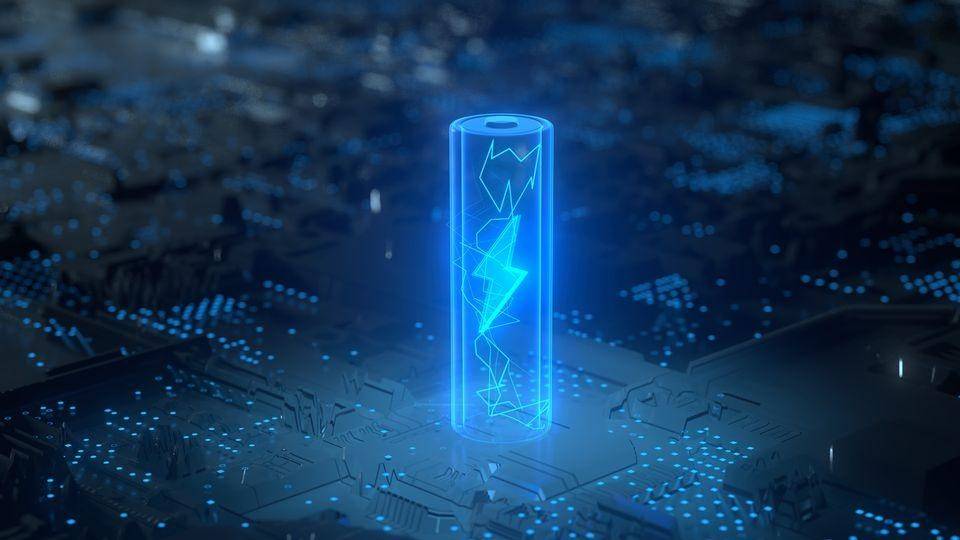
Introduction: An Overview of Battery Chemicals

(Lithium-ion battery packs being assembled using essential battery chemicals like electrolytes and conductive materials—crucial in battery manufacturing.)
The global demand for efficient, high-performance batteries is increasing rapidly—driven by the expansion of electric vehicles, renewable energy systems, and portable devices. At the core of every battery lies a set of carefully selected battery chemicals, each responsible for key functions such as conductivity, stability, and energy storage.
For battery manufacturers and chemical procurement teams, understanding these chemicals is essential. The wrong material can lead to safety risks and short product lifespans, while the right chemical composition improves performance, charging time, and reliability.
This article provides a clear overview of the top 10 battery chemicals used in modern cell manufacturing. You’ll learn what each chemical does, why it’s important, and what to consider when sourcing materials for battery production.
Learn more about essential chemicals used in battery production in this detailed article.
Why Chemicals Are Critical in Battery Manufacturing
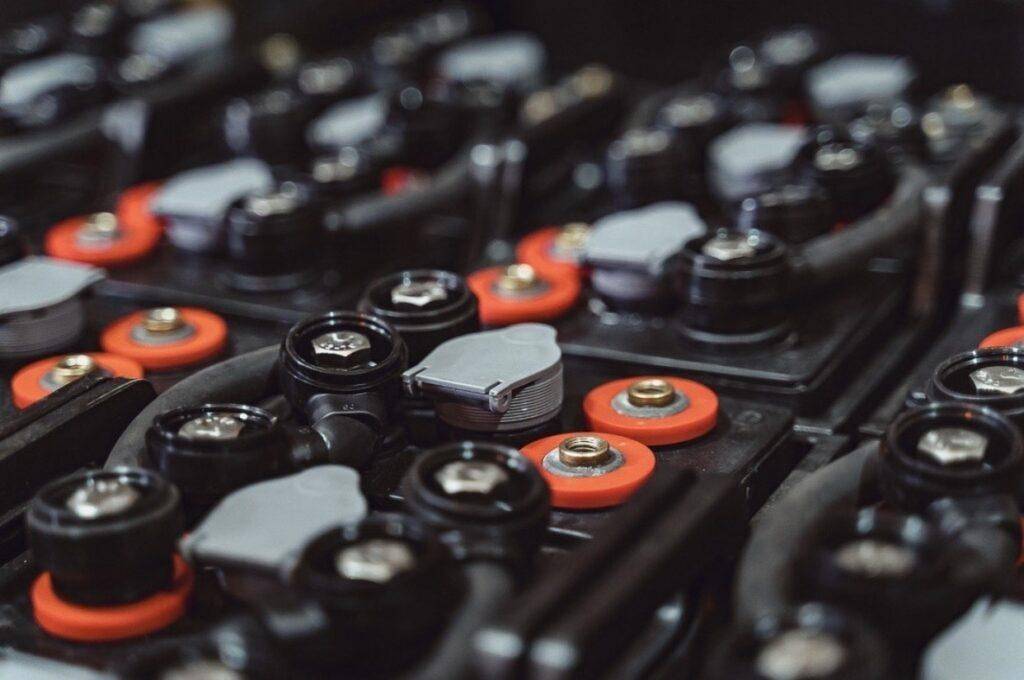
(Battery cells rely on specific chemicals like lithium and manganese compounds to store and release energy efficiently in battery manufacturing.)
The Role of Chemicals in Battery Performance
Battery performance depends not only on design but also on the exact combination of battery chemicals used. Each chemical contributes to the function and efficiency of the battery system.
Key roles include:
- Active materials (e.g., lithium compounds, manganese oxide) – Store and release energy in electrodes
- Electrolytes (e.g., lithium salts in organic solvents) – Enable ion transport between anode and cathode
- Additives and stabilizers – Improve thermal stability, suppress degradation, and extend cycle life
Importance of High-Quality, Reliable Chemicals
Sourcing high-purity, industry-grade chemicals is non-negotiable for battery manufacturers. Impurities or inconsistencies in chemical supply can lead to reduced battery performance, safety hazards, and costly production downtimes. As battery technologies advance, the demand for specialized chemicals with precise specifications continues to grow.
Sourcing Challenges and the Need for Trusted Suppliers
Battery manufacturers face increasing complexity when sourcing raw materials. Fluctuations in global supply, price volatility, and regulatory barriers are key concerns.
Main sourcing challenges include:
- Price volatility of lithium, nickel, cobalt, and other key raw materials
- Geopolitical risks and export restrictions from major producing countries
- Stringent environmental and safety regulations in different regions
Procurement managers must navigate these complexities while ensuring a steady supply of high-quality chemicals. Partnering with trusted suppliers who offer transparency, quality assurance, and robust logistics is essential for mitigating risks and maintaining production continuity.
Need more details or pricing? Click here to contact us on WhatsApp:
WhatsApp Us for Free a Consultation
Top 10 Chemicals in Battery Manufacturing
1. Lithium Compounds

(Lithium Carbonate (Li₂CO₃) is a key lithium compound used in cathode materials like LFP and NMC for battery production.)
Common Chemicals
- Lithium Carbonate (Li2CO3)
- Lithium Hydroxide (LiOH)
- Lithium Hexafluorophosphate (LiPF6) (used in electrolytes)
These are the foundational materials for cathode active materials like LFP, NMC, and LCO.
Application
Lithium is the primary charge carrier in lithium-ion batteries. These compounds are crucial for forming the cathode (e.g., LFP, NMC, LCO) and the electrolyte. They determine overall capacity, energy density, and voltage stability.
2. Cobalt
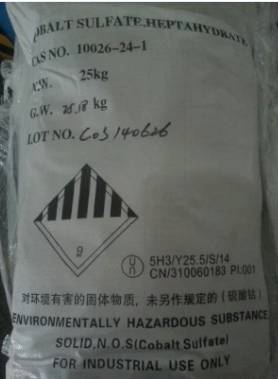
(25kg industrial bag of Cobalt Sulfate Heptahydrate)
Common Chemicals
Application
Cobalt is used in NMC and NCA cathodes, enhancing thermal stability, cycle life, and energy retention, especially in high-performance EV batteries.
3. Nickel
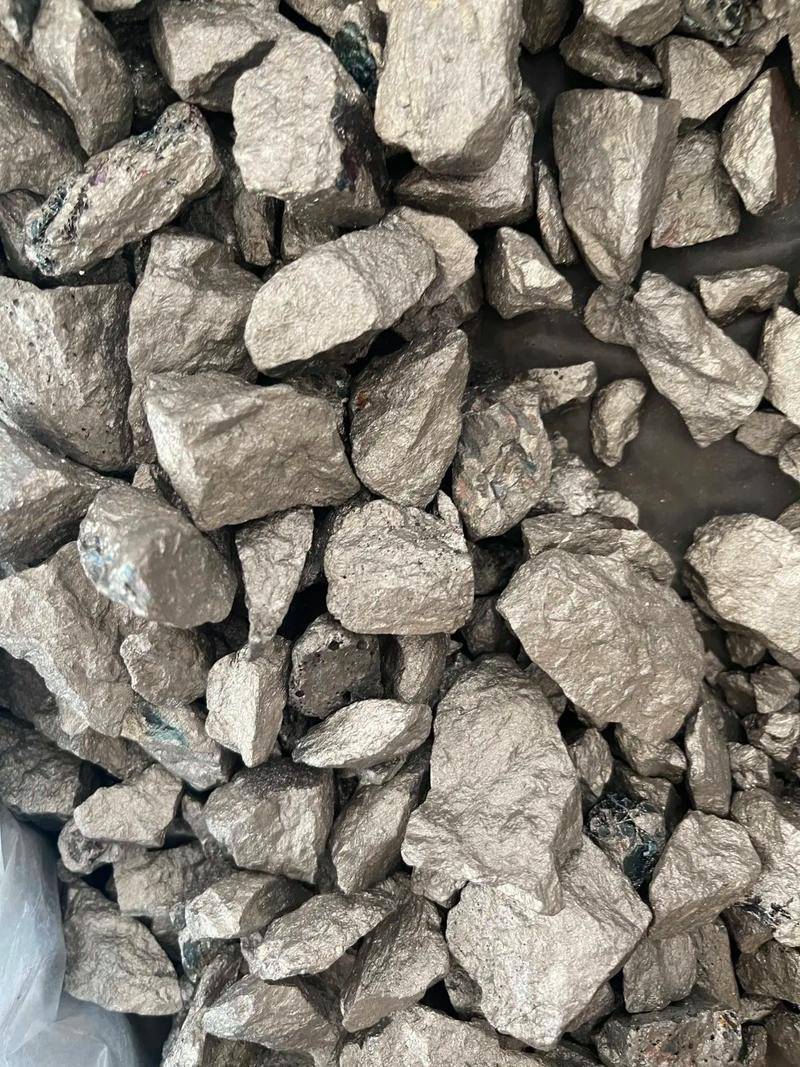
(Chunks of high-purity nickel used to produce nickel sulfate and nickel oxide, key cathode chemicals for lithium-ion battery manufacturing.)
Key Chemicals
- Nickel Sulfate
- Nickel Oxide
Applications
Nickel boosts the energy density of lithium-ion batteries, playing a crucial role in NMC and NCA cathode chemistries, particularly for electric vehicles.
4. Manganese

(High-purity manganese sulfate monohydrate)
Common Chemicals
Application
Manganese is commonly found in NMC and LMO cathodes, providing structural integrity and thermal stability while lowering production costs.
5. Iron
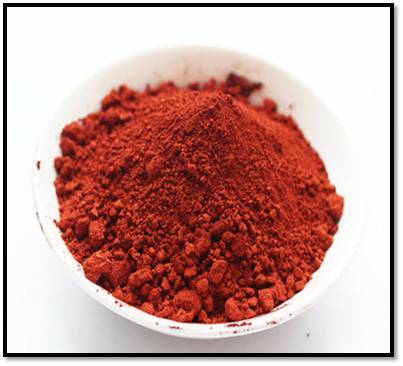
(High-purity iron oxide used in LFP battery cathodes)
Key Chemicals
- Iron Phosphate (FePO₄)
- Iron Oxide
Applications
Iron is essential in LFP (Lithium Iron Phosphate) batteries, offering safety, cost-effectiveness, and long cycle life, commonly used in grid storage and e-buses.
WhatsApp Us for Free a Consultation
6. Graphite
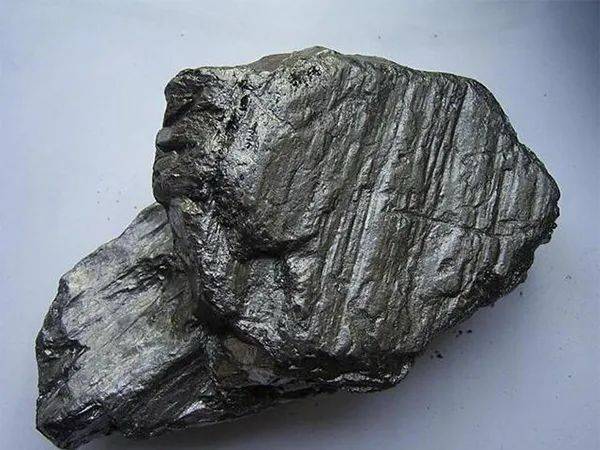
(Battery-grade natural graphite)
Common Chemicals
- Natural Graphite
- Synthetic Graphite
Graphite is the most widely used anode material in lithium-ion batteries.
Application
Graphite allows reversible lithium intercalation, supporting long cycle life, high energy efficiency, and fast charging.
7. Aluminum

(Aluminum powder)
Common Chemicals
- Aluminum Foil / Powder
Application
Aluminum is used as a current collector at the cathode, valued for its light weight, corrosion resistance, and electrical conductivity.
8. Copper
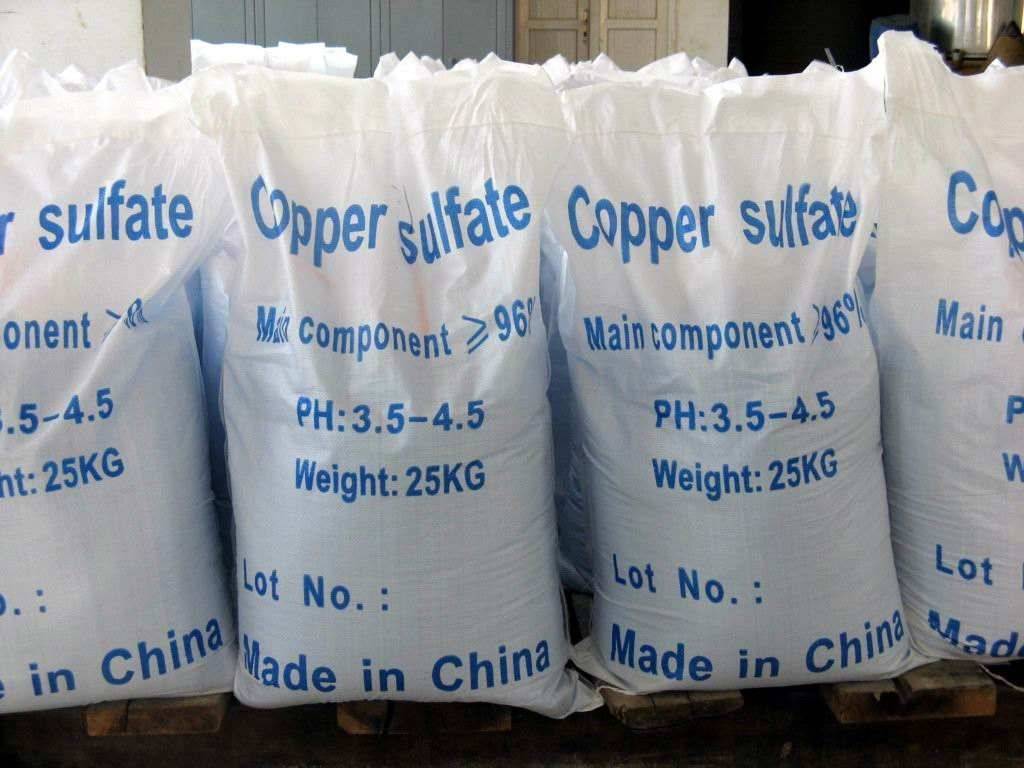
(Copper sulfate pentahydrate in 25kg bags)
Key Chemicals
- Copper Foil
- Copper Sulfate Pentahydrate
Applications
Copper is used in the anode current collector, ensuring efficient electron flow. Copper salts may also be used in precursor synthesis for battery materials.
9. Electrolyte Solvents and Lithium Salts
(Electrolyte solvents and lithium salts for lithium-ion batteries)
Common Chemicals
- Ethylene Carbonate (EC)
- Dimethyl Carbonate (DMC)
- Diethyl Carbonate (DEC)
- LiPF6 (in combination with above)
Application
These solvents dissolve lithium salts and transport Li+ ions between electrodes. They must balance conductivity, thermal stability, and low viscosity.
10. Binders and Polymers
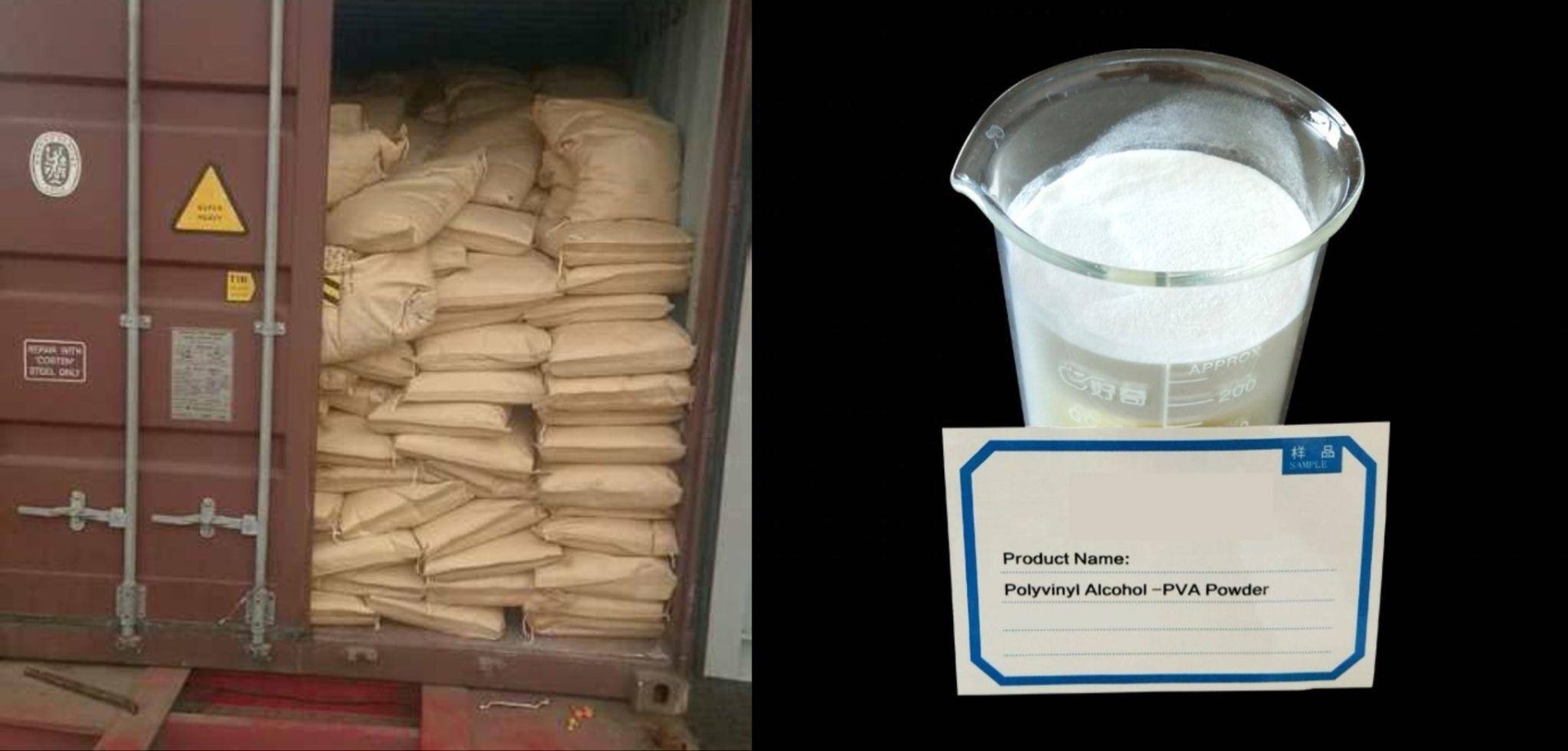
(PVA powder and other battery binder chemicals are prepared and loaded into containers for global delivery.)
Common Chemicals
- Polyvinylidene Fluoride (PVDF)
- Polyvinyl Alcohol (PVA)
Application
Used to bind electrode materials to current collectors. PVDF is the industry standard binder for cathodes in lithium-ion batteries, while PVA is commonly used in aqueous battery systems and some separator coating applications.
WhatsApp Us for Free a Consultation
Emerging Trends in Battery Chemicals
(A digital rendering of next-generation battery technology)
Innovations in Battery Chemistry
The battery industry is witnessing rapid innovation, with solid-state batteries, lithium-sulfur, and sodium-ion technologies gaining momentum. These advancements promise higher energy densities, improved safety, and reduced reliance on scarce or toxic materials.
Sustainable and Ethical Sourcing
There is a growing emphasis on sourcing sustainable and ethically produced chemicals. Efforts to recycle battery materials and develop alternative chemistries are reshaping the supply chain, reducing environmental impact, and enhancing resource efficiency.
The Role of R&D
Research and development are driving breakthroughs in battery performance, safety, and cost-effectiveness. Collaboration between chemical suppliers, battery manufacturers, and research institutions is accelerating the commercialization of next-generation battery technologies.
Interested in how battery chemicals contribute to renewable energy systems like solar or wind storage? Check out our blog on the Top 10 Chemicals in Renewable Energy
Challenges in Sourcing Battery Chemicals
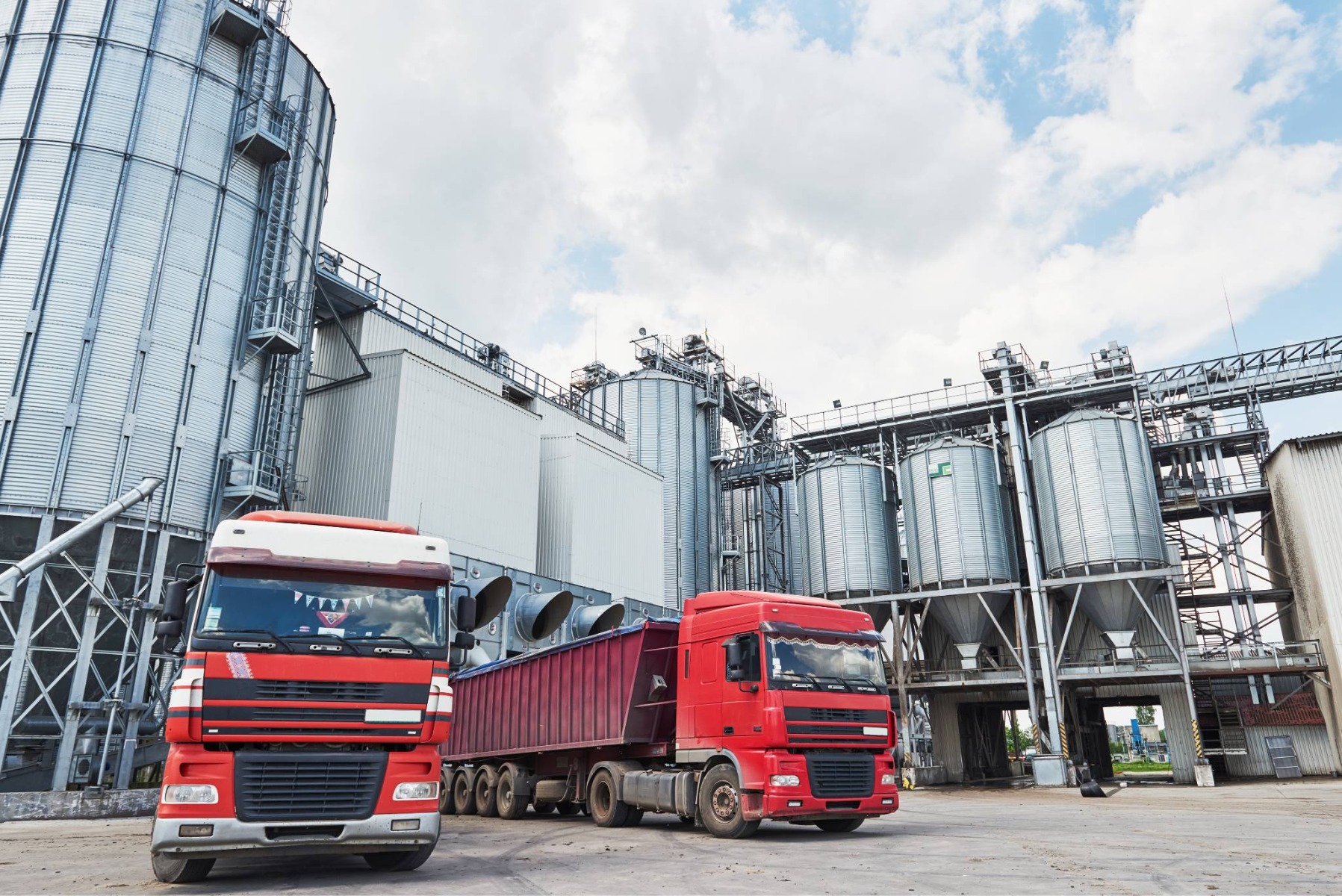
(Red freight trucks at an industrial chemical plant, representing battery chemical logistics and supply chain infrastructure)
Supply Chain Disruptions
Global events, geopolitical tensions, and natural disasters can disrupt the supply of critical battery chemicals. Diversifying suppliers and building resilient supply chains are essential strategies for mitigating risks.
Quality Control and Regulatory Compliance
Ensuring the consistent quality of chemicals is a persistent challenge. Battery manufacturers must adhere to stringent regulatory standards and implement rigorous quality control measures to guarantee product safety and performance.
The Importance of Trusted Suppliers
Working with reputable suppliers like Camachem ensures access to high-quality chemicals, transparent sourcing practices, and reliable logistics. Trusted partners help navigate regulatory complexities and maintain production continuity.
Why Choose Camachem for Battery Chemicals?
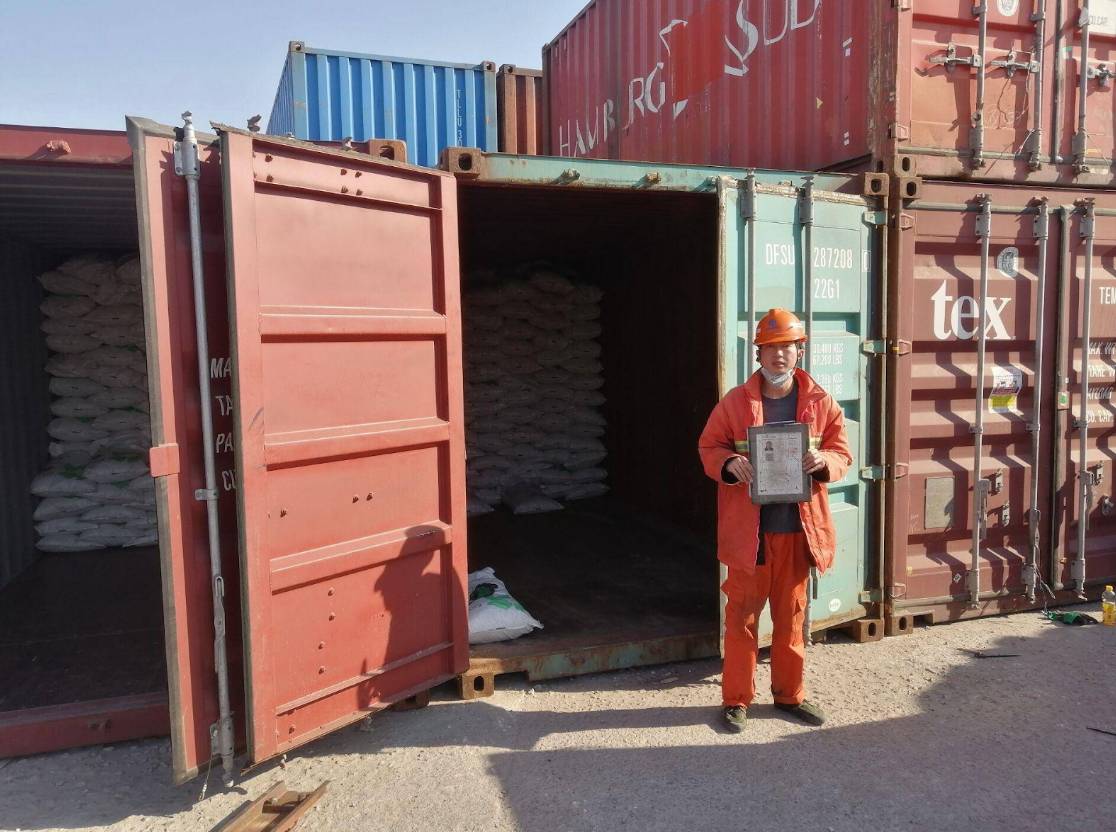
(Camachem ensures safe packaging and certified quality when shipping battery chemicals worldwide.)
Camachem stands out as a global leader in sourcing and supplying high-quality chemicals for the battery industry. With extensive experience, a robust global network, and a commitment to quality, Camachem delivers tailored solutions to meet the evolving needs of battery manufacturers worldwide.
Key Benefits
- Global Sourcing Capabilities: Access to a wide range of battery chemicals from trusted producers worldwide.
- Competitive Pricing: Cost-effective solutions without compromising on quality.
- Quality Assurance: Rigorous testing and certification ensure that every shipment meets industry standards.
- Reliable Logistics: Efficient and secure delivery to minimize downtime and support just-in-time manufacturing.
Want to see how we handle packaging and global shipping of bulk chemicals?
Take a look inside our warehouse operations in this short video:
Conclusion of Battery Chemicals Discussion

(Two female engineers wearing protective uniforms and hard hats walking through a modern battery chemicals production facility)
The top 10 chemicals highlighted in this article are the building blocks of modern battery manufacturing, each playing a vital role in performance, safety, and innovation. As the battery industry continues to expand, the need for high-quality, reliable chemical suppliers becomes ever more critical.
For procurement managers, battery manufacturers, and industry professionals, partnering with a trusted supplier like Camachem ensures access to premium chemicals, expert support, and resilient supply chains.
Camachem is proudly backed by CAMAL Group, an international sourcing and procurement company with a proven track record in delivering high-quality chemicals and industrial products to clients around the globe. Take the next step in powering the future—contact Camachem today to discuss your battery chemical sourcing needs and drive your business forward with confidence.
How Camachem Helps You Get Quality Chemicals from China
✅ Do you spend too much time trying to find quality chemicals in China?
✅ Is it hard to explain your needs to Chinese suppliers?
✅ Do you need customized chemicals that regular suppliers can’t deliver?
✅ Do you want help getting the right chemicals, so you can focus on growing your business?
If your answer is YES, Reduce Your China Sourcing Headaches, WhatsApp Us (Faster) for a FREE Consultation
✅Camachem: Quality Chemicals. Every Single Time.✅
WhatsApp Us for Free a Consultation
FAQs About Battery Chemicals
1. What Are Battery Chemicals and Why Are They Important?
Battery chemicals refer to the active and supporting materials used in the construction of rechargeable batteries, especially lithium-ion batteries. These chemicals directly affect battery efficiency, lifespan, cost, and safety.
Battery chemicals serve the following roles:
- Energy storage: Lithium compounds in the cathode store and release ions.
- Conductivity: Graphite and electrolyte solutions enable electron and ion movement.
- Structural support: Binders like PVDF maintain electrode integrity.
- Stability and safety: Additives reduce thermal risk and enhance cycle life.
Choosing high-quality battery chemicals is critical for achieving consistent production and meeting performance standards in modern EVs and energy storage systems.
2. What Raw Materials Are Needed to Produce Lithium-Ion Batteries?
Lithium-ion batteries are built from carefully selected raw materials, each designed to play a unique role in the energy cycle. These inputs must meet strict purity and performance standards.
Essential lithium battery raw materials include:
- Lithium salts: Lithium carbonate and lithium hydroxide (cathode precursors).
- Graphite: Used for the anode.
- Copper and aluminum foils: Serve as current collectors.
- Electrolyte salts and solvents: LiPF₆ in EC/DMC mixtures.
- Binders: PVDF or PVA used to bind electrode layers.
Camachem supplies several of these materials in battery-grade form to help manufacturers maintain a reliable and compliant supply chain.
3. Which Chemicals Improve Battery Safety and Cycle Life?
Battery safety and longevity are closely linked to the quality and composition of the chemicals used in manufacturing. Some materials specifically enhance stability under high voltage or temperature.
Safety-enhancing battery chemicals include:
- LFP (Lithium Iron Phosphate): Naturally more stable than NMC or LCO.
- PVDF binders: Offer strong chemical resistance and mechanical adhesion.
- Electrolyte additives: Help form a stable SEI layer to prevent degradation.
- Surface treatment agents: Such as hydrogen peroxide or sodium persulfate to clean and stabilize materials.
Using the right combination of additives can significantly reduce the risk of thermal runaway and extend battery cycle life.
4. What Is PVDF and Why Is It Used in Batteries?
PVDF (Polyvinylidene Fluoride) is a high-performance fluoropolymer used as a binder in lithium-ion battery electrodes. It plays a critical role in maintaining structural integrity during charge-discharge cycles.
Key benefits of PVDF in battery applications:
- Chemical resistance: Stands up to acidic and organic electrolyte solvents.
- Mechanical strength: Binds active material to current collectors securely.
- Electrochemical stability: Ensures long cycle life under high voltage.
While there are alternative binders like PVA or CMC, PVDF remains the industry standard for high-energy density cells used in electric vehicles and grid storage.
5. What Is the Role of Graphite in Lithium Batteries?
Graphite is the most widely used anode material in lithium-ion batteries, chosen for its unique electrochemical properties and high efficiency.
Why graphite is essential:
- Reversible lithium storage: Enables stable charge-discharge cycles.
- Good conductivity: Ensures fast electron movement across the cell.
- Low cost and availability: Compared to other anode alternatives like silicon or TiO₂.
- Compatibility: Works well with a variety of cathode chemistries including NMC and LFP.
At Camachem, we supply industrial-grade graphite suited for further processing into battery-grade material.
- What Chemicals Are Used in Battery Electrolyte Formulations?
The electrolyte is the medium through which lithium ions travel between the anode and cathode. Its composition has a major impact on performance, safety, and longevity.
Typical electrolyte chemicals include:
- Lithium salt: Lithium hexafluorophosphate (LiPF₆) – the industry standard.
- Solvents: Carbonate solvents such as EC (ethylene carbonate), DMC (dimethyl carbonate), and DEC (diethyl carbonate).
- Additives: Flame retardants, SEI enhancers, or stabilizers to improve performance.
Electrolyte formulation is one of the most sensitive parts of battery chemistry, and requires ultra-pure ingredients to ensure stability.
7. How Does Chemical Purity Affect Battery Performance?
Even small impurities in battery chemicals can lead to significant performance issues, including reduced cycle life, overheating, or capacity loss.
Impacts of low chemical purity:
- Cathode materials: Impurities can block lithium transport or trigger side reactions.
- Electrolyte: Moisture contamination in LiPF₆ can lead to hydrofluoric acid formation.
- Graphite and binders: Particle inconsistencies affect electrode coating quality.
Camachem offers battery-grade materials with strict purity levels, COAs, and export documentation to help customers meet international quality benchmarks.
-
What is the Difference Between Caustic Soda Pearls and Caustic Soda Flakes? (2026 Update)
June 8, 2026
-
Top 10 Caustic Soda Suppliers in Australia [2026]
 June 8, 2026
 -
Frequently Asked Question about Phosphoric Acid
June 8, 2026
-
Zinc Chloride: 5 Hazards and Safety Measures You Need To Know
June 4, 2026
-
10 Things I Need To Know About Zinc Chloride (2026 Update)
June 4, 2026