
 Arabic
 English
 French
 Indonesia
 Portuguese
 Russian
 Spanish
 +86-157-2476-6919
Top 10 Electroplating Chemicals for Manufacturing Companies
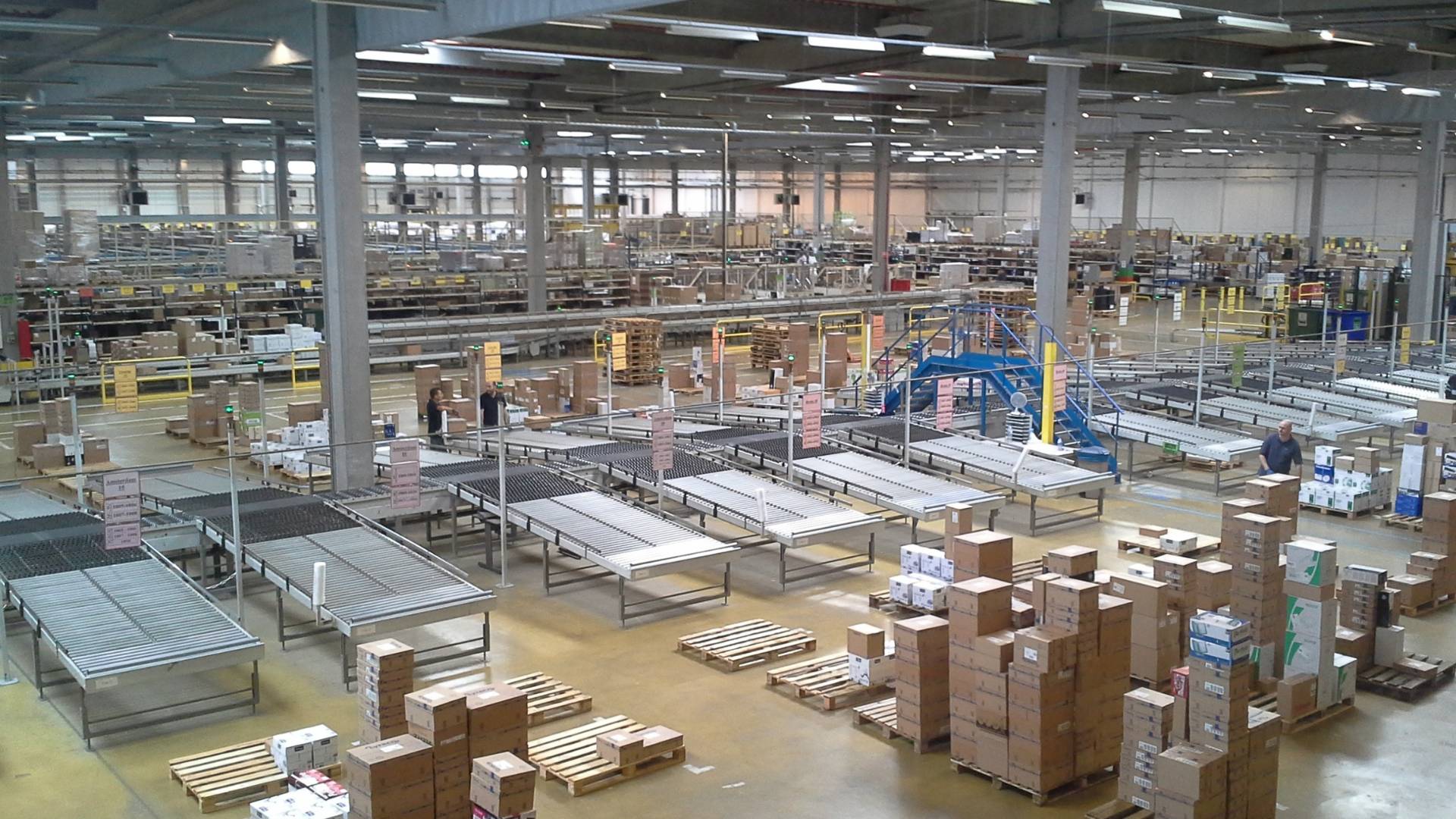
Electroplating Chemicals for Manufacturing Companies

Electroplated metal for manufacturing
Manufacturing success depends on the use of the right electroplating chemicals. Every day, production lines rely on precise chemical formulations to create the coatings that protect, beautify, and enhance your products.
But finding reliable suppliers who consistently deliver quality chemicals is complex and time-consuming for busy manufacturing leaders. When chemicals fail, everything stops. When suppliers disappoint, costs skyrocket.
This comprehensive guide covers the top 10 electroplating chemicals that every manufacturing company needs to maintain smooth operations. We'll explain what each chemical does, why purity levels matter, and what to look for in certificates of analysis.
Some Industrial Applications of Electroplating Chemicals
1. Electronics Industry

The electronics industry uses electroplated chemicals
The electronics industry relies heavily on precise electroplating for circuit boards and components.
- Copper electroplating creates conductive pathways in PCBs using copper sulfate solutions.
- Gold plating with gold cyanide ensures reliable electrical connections in high-end connectors and switches.
- Nickel plating provides a barrier layer that prevents copper oxidation in electronic assemblies.
Learn more about electronic industry chemicals
2. Automotive Applications

Automotive manufacturing uses electroplated chemicals
Automotive manufacturing uses electroplating for both functional and decorative purposes.
- Chrome plating with chromic acid creates the mirror finish on bumpers, trim, and exhaust components.
- Zinc plating protects steel fasteners and brackets from corrosion using zinc chloride or zinc sulfate solutions.
- Nickel plating enhances wear resistance on engine components and hydraulic cylinders.
Learn more about automotive industry chemicals
3. Aerospace and RF Technologies

Aerospace industry uses electroplated chemicals
Aerospace applications demand the highest purity electroplating chemicals for critical components.
- Silver plating provides optimal conductivity for waveguides and antenna systems in radar and communication equipment.
- Gold plating protects electrical contacts from corrosion in harsh environmental conditions.
- Nickel plating offers excellent hardness and wear resistance for precision mechanical components.
Learn more about aerospace industry chemicals
The 10 Essential Electroplating Chemicals
1. Nickel Sulfate (NiSO₄·6H₂O)
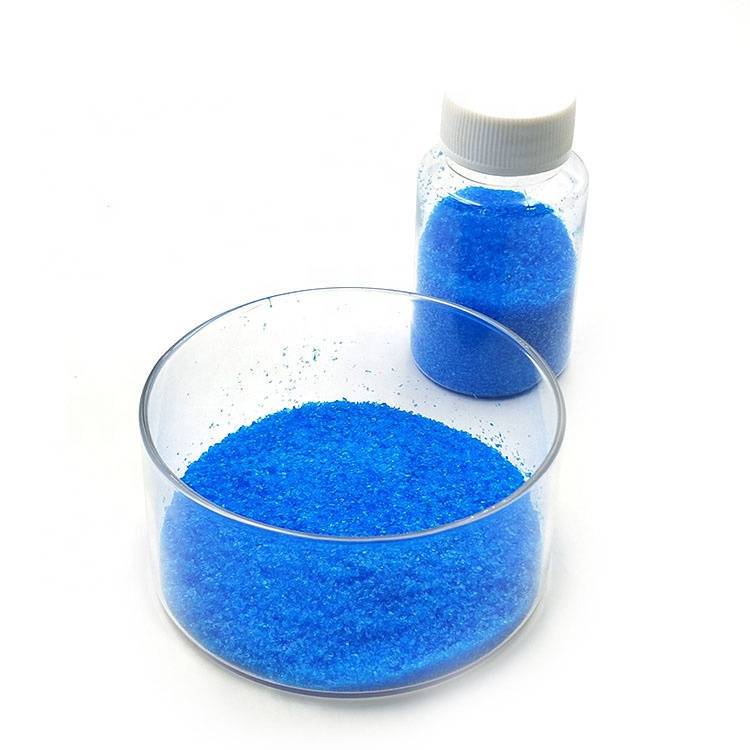
Nickel sulfate sample
Key Role:
Nickel sulfate provides corrosion resistance and hardness enhancement. It is critical for automotive parts and electronics manufacturing.
Manufacturing Uses:
- Aerospace components
- Automotive parts
- Industrial machinery
- PCB manufacturing
Selection Criteria:
- Metal content levels
- pH stability
- Trace metal limits
- Batch consistency
2. Copper Sulfate (CuSO₄·5H₂O)
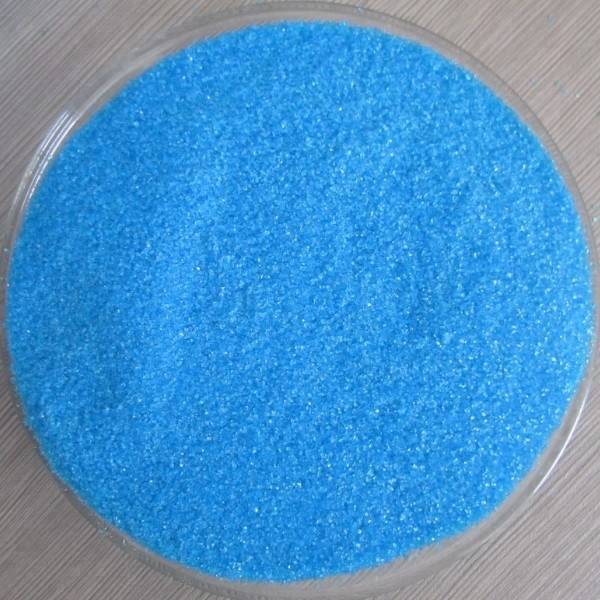
Copper sulfate sample
Key Role:
Copper sulfate is essential for PCB manufacturing and electrical components. Crystal formation and purity levels determine quality.
Manufacturing Uses:
- Electronics and PCB manufacturing
- Automotive components
- Telecommunications equipment
Selection Criteria:
- Crystal purity
- Storage requirements
- Shelf life
- Supplier reliability
Ready to secure your copper sulfate supply chain? We stock high-purity Copper Sulfate with guaranteed quality specifications. Get a free consultation!
WhatsApp Us for Free a Consultation
Or visit our blog to learn more about Copper sulfate
3. Chromic Acid (Chromium Compounds)
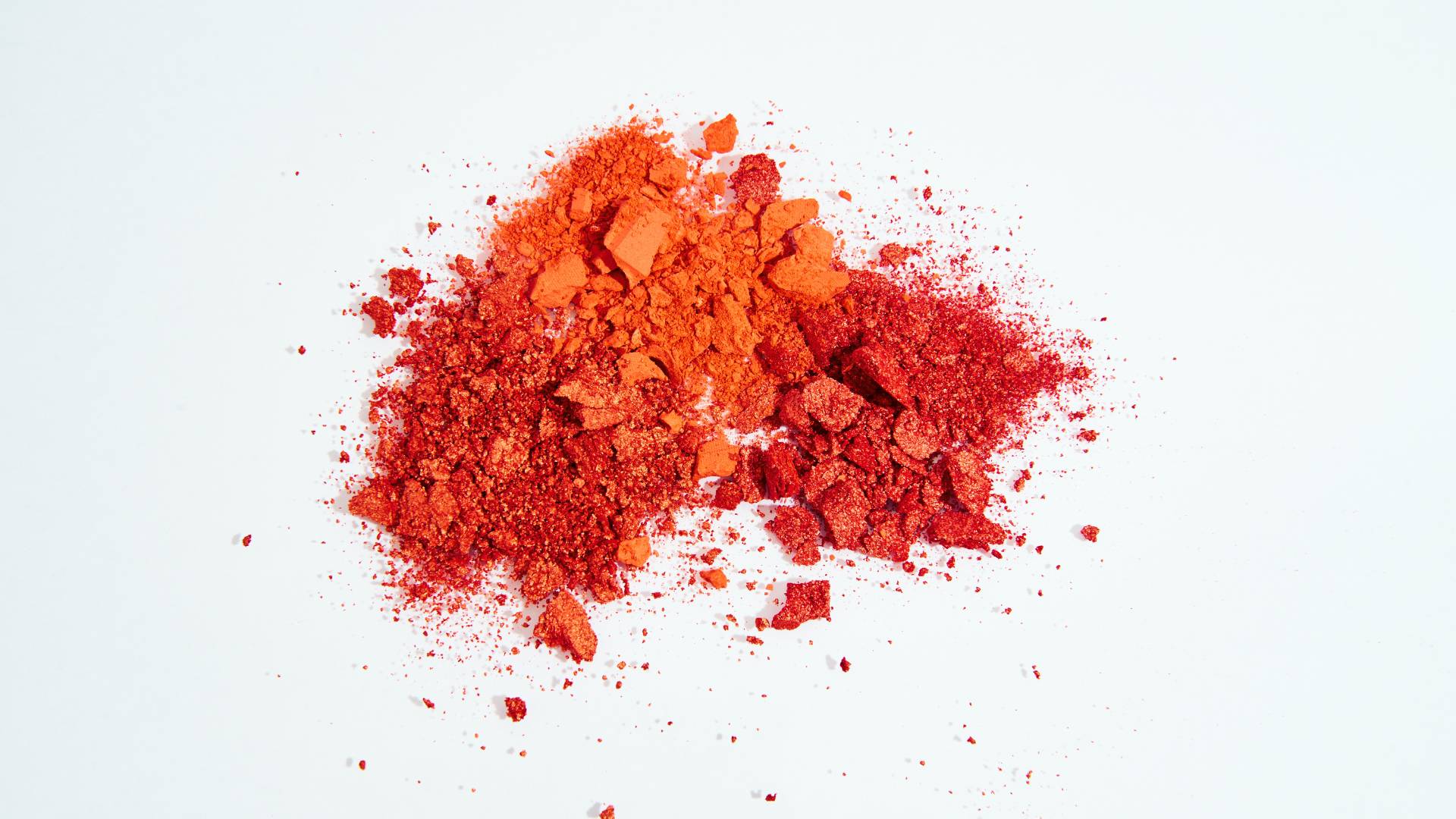
Chromic acid sample
Key Role:
Chromic acid enables hard chrome plating and decorative finishes. Environmental regulations make sourcing complex.
Manufacturing Uses:
- Hydraulic cylinders
- Industrial tools
- Automotive trim
- Equipment manufacturing
Selection Criteria:
- Concentration levels
- Contamination control
- Regulatory compliance
- Handling protocols
4. Zinc Chloride / Zinc Sulfate
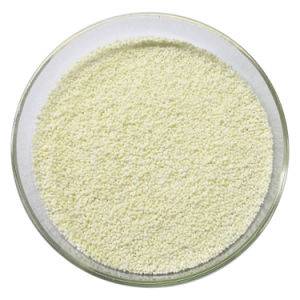
Zinc Sulfate Sample
Key Role:
Zinc compounds provide galvanizing and corrosion protection. Choose between zinc chloride and zinc sulfate based on your application.
Manufacturing Uses:
- Construction materials
- Automotive parts
- Hardware components
- Fasteners
Selection Criteria:
- Purity standards
- Heavy metal content
- Application requirements
- Bulk availability
Visit our blog to learn more about Zinc Sulfate
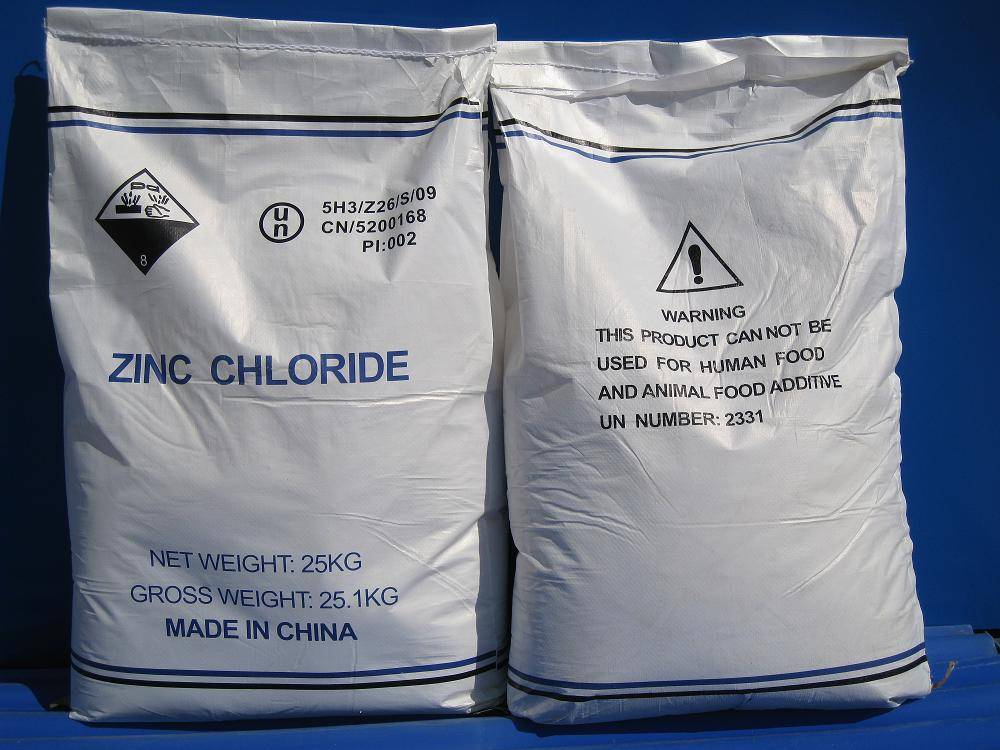
Zinc Chloride sealed for shipment
Eliminate zinc supply disruptions from your operations. We maintain a ready inventory of both Zinc Chloride and Zinc Sulfate with consistent quality. Get a free consultation!
WhatsApp Us for Free a Consultation
5. Gold Cyanide
Gold Cyanide sample
Key Role:
Gold cyanide enables high-end electroplating for electronics and luxury goods. Security and authenticity verification are critical.
Manufacturing Uses:
- High-end electronics
- Jewelry manufacturing
- Aerospace components
- Connector manufacturing
Critical Requirements:
- Gold content verification
- Cyanide level testing
- Stability assurance
- Security protocols
6. Sodium Cyanide (NaCN)
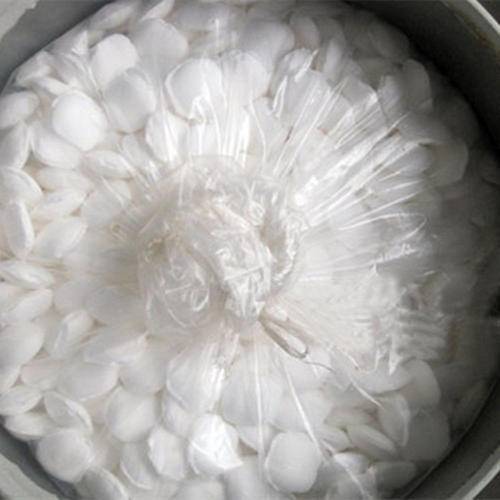
Sodium cyanide sample
Key Role:
Sodium cyanide supports silver plating and metal extraction processes. Safety protocols and regulatory compliance are mandatory.
Manufacturing Uses:
- Electronics manufacturing
- Jewelry production
- Decorative items
- Precision components
Safety Considerations:
- Strict safety protocols
- Regulatory compliance
- Specialized transport
- Proper documentation
Don't let cyanide procurement slow down your production. We handle the complex logistics and safety requirements. Get compliant sodium cyanide delivered!
WhatsApp Us for Free a Consultation
How to Buy Sodium Cyanide? | Camachem
7. Boric Acid (H₃BO₃)
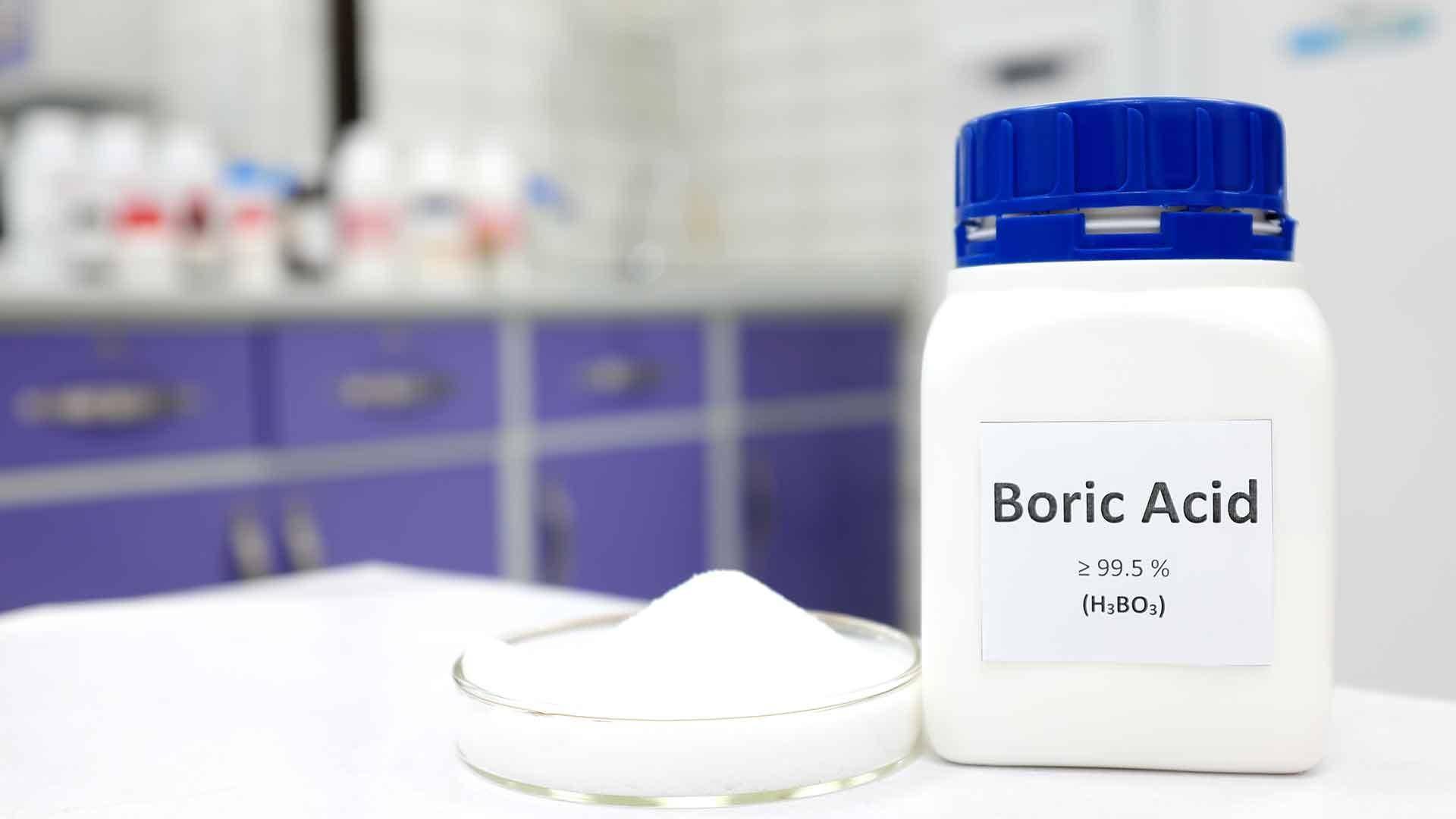
Boric acid sample
Key Role:
Boric acid serves as a buffer agent and conductivity improver. Technical grade vs. food grade selection matters.
Manufacturing Uses:
- Electronics plating
- Decorative finishes
- Automotive components
- Industrial processes
Selection Criteria:
- Purity levels
- Particle size
- Moisture content
- Grade selection
8. Brightening Agents (SPS, MPS, DPS, etc.)
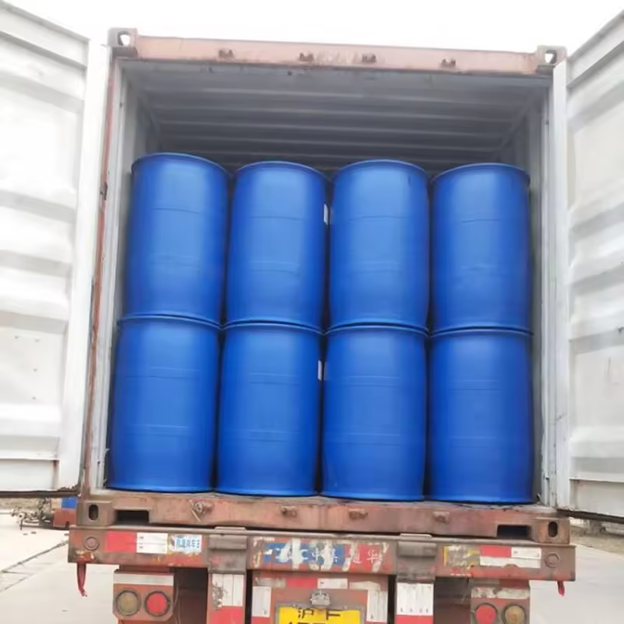
Brightening agents ready for shipment
Key Role:
Brightening agents enhance surface finish and provide leveling effects. Formulation consistency is crucial.
Manufacturing Uses:
- Decorative plating
- Electronics finishing
- Automotive trim
- Consumer goods
Selection Criteria:
- Active ingredient concentration
- Stability testing
- Compatibility verification
- Technical support
9. Hydrochloric Acid / Phosphoric Acid
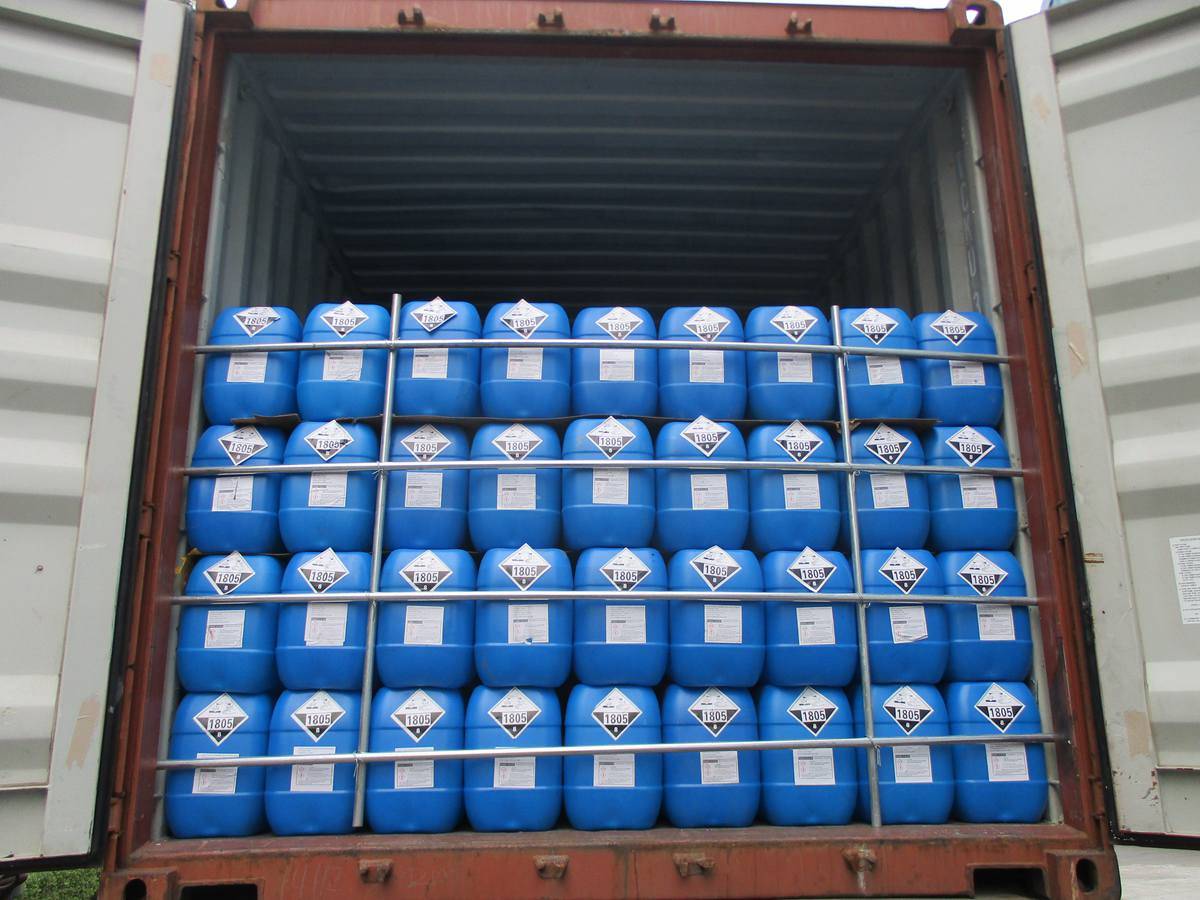
Phosphoric Acid ready for shipment
Key Role:
Both Hydrochloric and Phosphoric acids enable surface preparation, pickling, and pH adjustment. Concentration accuracy is critical.
Manufacturing uses:
- Steel processing
- Surface treatment
- Cleaning operations
- Activation processes
Selection Criteria:
- Concentration accuracy
- Iron content limits
- Application matching
- Handling infrastructure
Keep your surface preparation processes running smoothly. We stock both Hydrochloric Acid and Phosphoric Acid (85%) with guaranteed concentration levels. Get a free consultation!
WhatsApp Us for Free a Consultation
10. Ammonium Persulfate / Sodium Persulfate
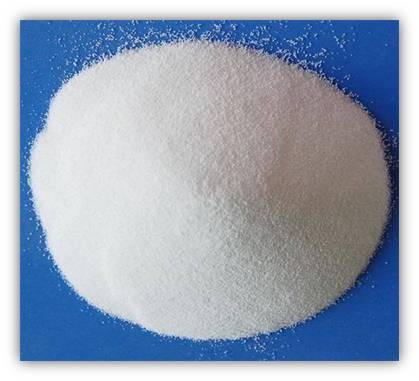
Sodium Persulfate sample
Key Role:
Both Ammonium and Sodium Persulfates provide etching and surface activation for PCB manufacturing. Storage stability affects performance.
Manufacturing Uses:
- Electronics manufacturing
- Printed circuit boards
- Metal finishing
- Surface preparation
Selection Criteria:
- Purity levels
- Moisture content
- Particle size
- Storage stability
Maintain consistent etching performance with our premium persulfates. Both Ammonium and Sodium Persulfate are available with fast shipping. Get a free consultation!
WhatsApp Us for Free a Consultation
Quality Control for Electroplating Chemicals
Quality control protects your manufacturing operations. Every chemical shipment needs verification.
- Your Certificate of Analysis should include complete test results, batch identification, compliance verification, and expiration dates.
- Watch out for missing documentation, incomplete test data, suspicious pricing, and poor communication from suppliers.
- When qualifying suppliers, check their quality certifications, manufacturing capabilities, regulatory compliance, and track record.
- Third-party testing provides additional assurance while in-house testing offers faster verification.
Learn how Camachem ensures consistent chemical quality
Regulatory and Safety Requirements
OSHA compliance protects your workers. Environmental regulations affect disposal methods.
- Worker safety requires proper handling procedures, personal protective equipment, training programs, and emergency protocols.
- Environmental considerations include disposal requirements, treatment protocols, permit compliance, and documentation needs.
- Import/export documentation involves customs requirements, safety data sheets, a certificate of analysis, and regulatory permits.
- Insurance coverage protects against liability while proper documentation prevents delays.
Why Electroplating Chemicals Matter for Manufacturing
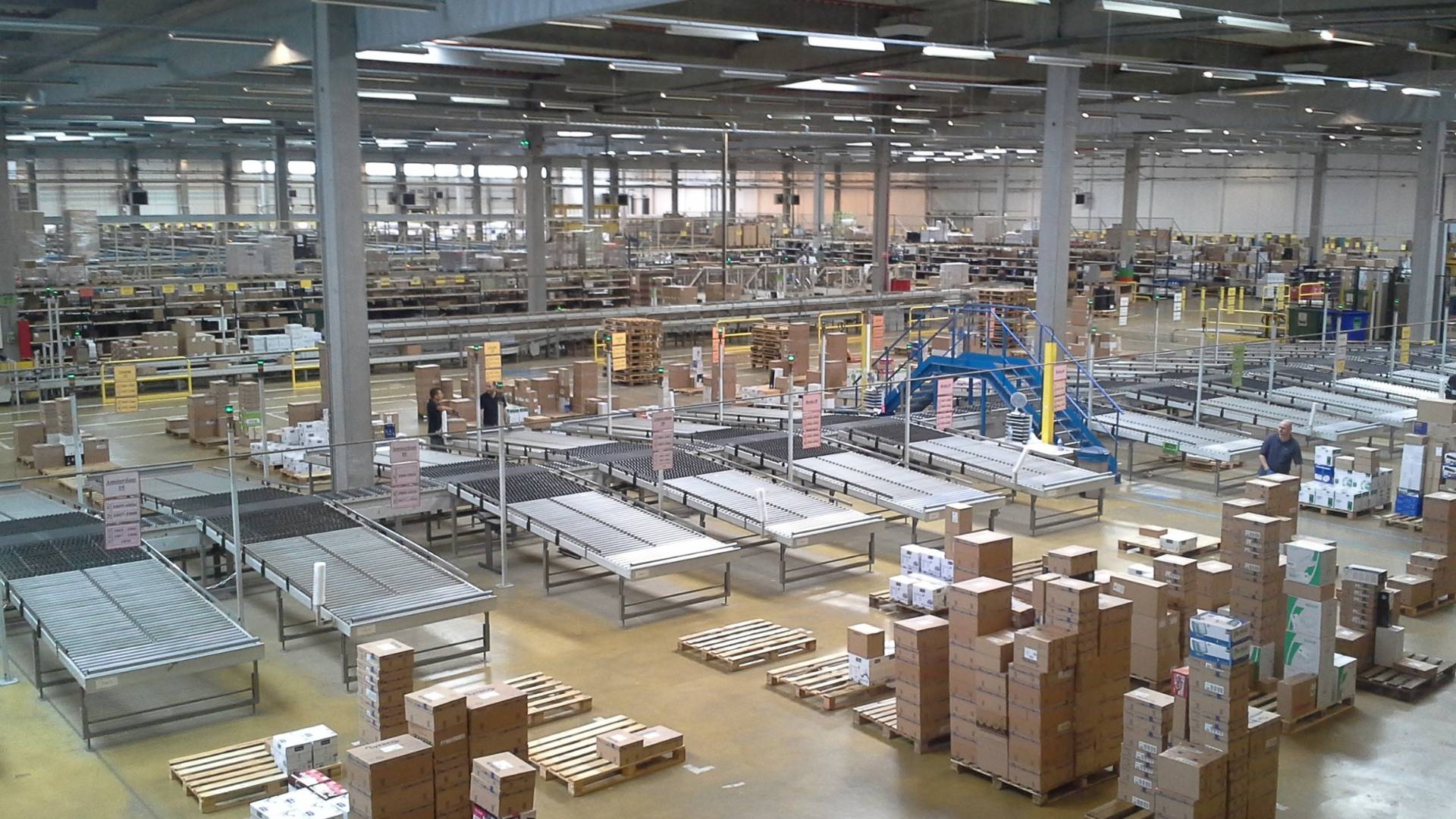
Manufacturing companies rely on electroplating chemicals
Electroplating chemicals are crucial for quality, influencing coating adhesion and uniformity. Incorrect formulations cause defects, leading to costly waste, rework, and potential safety hazards in critical industries like automotive and aerospace. Proper selection and maintenance are key for reliable, high-quality results.
Simplify Your Chemical Sourcing with Camachem

Camachem provides corporate leaders with simplified electroplating chemicals sourcing
Managing multiple chemical suppliers wastes time and increases risks. Single-source solutions simplify operations. Camachem - a subsidiary of CAMAL group, provides one-stop sourcing, streamlined documentation, coordinated deliveries, quality consistency, and simplified management. Quality assurance benefits involve single supplier accountability, consistent specifications, simplified testing, and improved traceability.
What you get:
✓ Consistent quality chemicals
✓ Timely deliveries
✓ Regulatory compliance handled
Next steps:
- Schedule a FREE consultation
- Review your current chemical needs
- Get a reliable procurement solution set up
Questions? Contact us today!
Ready to order electroplating chemicals? Send a WhatsApp message for a quick response.
WhatsApp Us for Free a Consultation
How Camachem Helps You Get Quality Chemicals from China
✅ Do you spend too much time trying to find quality chemicals in China?
✅ Is it hard to explain your needs to Chinese suppliers?
✅ Do you need customized chemicals that regular suppliers can’t deliver?
✅ Do you want help getting the right chemicals, so you can focus on growing your business?
If your answer is YES, Reduce Your China Sourcing Headaches, WhatsApp Us (Faster) for a FREE Consultation
✅ Camachem: Quality Chemicals. Every Single Time. ✅
Electroplating Chemicals FAQs
1. What are the chemicals used in electroplating?
The main chemicals used in electroplating include:
- Metal salts like nickel sulfate, copper sulfate, zinc chloride, and chromic acid provide the metal ions for plating.
- Acids and bases such as hydrochloric acid, phosphoric acid, and sodium hydroxide control pH and clean surfaces.
- Supporting chemicals include boric acid as a buffer, brightening agents for smooth finishes, and sodium cyanide for precious metal plating.
- Cleaning agents like persulfates remove oxides and prepare surfaces.
The specific chemicals depend on the metal being plated and the desired finish quality.
2. What are the hazardous substances in electroplating?
Several electroplating chemicals pose serious health and safety risks:
- Highly toxic chemicals include sodium cyanide and chromic acid, which can be fatal if ingested or inhaled.
- Corrosive acids like hydrochloric and phosphoric acid cause severe burns and respiratory damage.
- Carcinogenic substances such as hexavalent chromium compounds increase cancer risk with long-term exposure.
- Heavy metals from plating solutions can cause organ damage and environmental contamination.
Proper ventilation, protective equipment, and safety training are essential when handling these materials.
3. What liquid is used in electroplating?
The primary liquid in electroplating is water - specifically deionized or distilled water to avoid contamination.
This water serves as the base for electrolyte solutions containing dissolved metal salts. For example, copper plating uses copper sulfate dissolved in water, while nickel plating uses nickel sulfate solutions.
Acid or alkaline solutions are common, with pH levels carefully controlled for optimal plating results. The water quality directly affects the final coating quality and consistency.
4. What solution should be used for electroplating?
The electroplating solution depends on your specific application:
- For copper plating: Use copper sulfate pentahydrate dissolved in acidified water with brightening agents for electronics and PCB applications.
- For nickel plating: Nickel sulfate solutions provide excellent corrosion resistance for automotive and industrial parts.
- For zinc plating: Zinc chloride or zinc sulfate solutions offer cost-effective corrosion protection for fasteners and hardware.
- For decorative chrome: Chromic acid solutions create the mirror finish on automotive trim and fixtures.
The solution concentration, temperature, and pH must be precisely controlled for consistent results. Professional consultation helps select the right chemistry for your specific requirements.
-
What is the Difference Between Caustic Soda Pearls and Caustic Soda Flakes? (2026 Update)
June 8, 2026
-
Top 10 Caustic Soda Suppliers in Australia [2026]
 June 8, 2026
 -
Frequently Asked Question about Phosphoric Acid
June 8, 2026
-
Zinc Chloride: 5 Hazards and Safety Measures You Need To Know
June 4, 2026
-
10 Things I Need To Know About Zinc Chloride (2026 Update)
June 4, 2026