
 Arabic
 English
 French
 Indonesia
 Portuguese
 Russian
 Spanish
 +86-157-2476-6919
Top 5 Uses of Triisopropanolamine (TIPA) Chemical: A Versatile Industrial Compound

Introduction to TIPA

Triisopropanolamine, commonly known as TIPA, is a versatile chemical compound used across multiple industries. It’s a tertiary alkanolamine, meaning it has properties that make it great for tasks like emulsifying, stabilizing, and neutralizing. Whether it’s helping make stronger concrete or ensuring your shampoo works smoothly, TIPA is a behind-the-scenes hero in many products we use daily. Let’s dive into its top five uses, exploring how it makes a difference in various fields.
5 Tips To safely source Industrial Chemicals from China
- Cement and Concrete industry
TIPA is a game- changer in the cement and concrete industry. It’s used to make the grinding process more efficient, which means less energy is needed to turn raw materials into fine cement powder. This not only saves energy but also results in stronger, more durable concrete. TIPA also helps concrete set properly, making it easier to work with, especially for big construction projects like buildings or bridges. Its ability to work with other materials in concrete mixes makes it a favorite for creating high-quality, long-lasting structures.
Top 10 Chemicals for the construction Industry
- Agriculture
In farming, TIPA helps make herbicides and pesticides more effective. It neutralizes acidic parts of these chemicals, keeping them stable so they can work better to protect crops from weeds and pests. This stability means farmers can use these products more efficiently, reducing waste and helping grow healthier crops. As the world looks for sustainable farming solutions, TIPA’s role in creating reliable agricultural products is increasingly important.
Top 10 Chemicals for Agriculture Industry
- Coatings and paints Industry
If you’ve ever painted a wall, TIPA might have been part of the process. It’s used in water-based paints to keep the ingredients mixed properly, ensuring a smooth, even finish. TIPA also helps control the paint’s pH, which prevents it from breaking down over time. This makes paints more durable and environmentally friendly, as TIPA supports the creation of low-VOC (volatile organic compound) paints that are better for the planet.
Top 10 chemicals for Paints and Coatings Industry
- Beauty and Personal Care
TIPA is a key ingredient in many personal care products like shampoos, lotions, and creams. It helps control the pH level, making sure these products are gentle on your skin and hair. It also keeps the ingredients in these products well-mixed, so they stay effective and feel smooth when you use them. Plus, TIPA can protect the metal containers these products come in, helping them last longer on the shelf.
Top 10 Chemicals for Personal Care Industry
- Metal Coatings
In industries like automotive or aerospace, TIPA is used in fluids that help machines cut and shape metal. It prevents rust and corrosion, which keeps tools and parts in good condition for longer. TIPA also helps these fluids stay mixed properly, ensuring they lubricate and cool machines effectively during tough jobs. This makes manufacturing processes smoother and more cost-effective.
Comprehensive Analysis of Triisopropanolamine (TIPA) Applications
Introduction
Triisopropanolamine (TIPA), with the chemical formula [CH3CH(OH)CH2]3N and a molecular weight of 191.27 g/mol, is known for its versatility as an emulsifier, stabilizer, neutralizer, and chemical intermediate. Its solubility in water and organic solvents like methanol and ethanol, along with its slight ammonia-like odor, makes it a valuable compound across multiple industries. This analysis explores the top five uses of TIPA, focusing on its applications in cement and concrete production, agriculture, coatings and paints, personal care and cosmetics, and metalworking fluids. Each section provides detailed insights into TIPA’s benefits, applications, and industrial significance, supported by industry sources and technical data.
Key Physical Characteristics
- Appearance: Colorless to pale yellow liquid with a slight ammonia-like odor.
- Solubility: Completely soluble in water (1g dissolves in 100ml at 20°C) and organic solvents like methanol and ethanol.
- Melting Point: 3–8°C (TIPA 85%), with low freeze grade (TIPA LFG) at 5°C.
- Stability: Stable under normal conditions but decomposes on heating, emitting toxic fumes like nitrogen oxides and hydrogen cyanide.
- pH: 9.5–11 (1% aqueous solution), making it effective for neutralizing acidic components.
As a business leader managing chemical procurement, you understand the importance of sourcing high-quality chemicals efficiently. However, manually vetting every supplier and managing import risks can be time-consuming and complex. That’s where smart sourcing strategies come in. At Camachem, a subsidiary of CA MAL Group, we specialize in end-to-end chemical procurement, managing everything from sourcing to delivery to your door step.
Top Uses of TIPA
Cement and Concrete: Building Stronger Structures

Use of TIPA in cement and concrete construction
TIPA is a cornerstone in the cement and concrete industry, where it serves as a grinding aid and concrete admixture. As a grinding aid, TIPA reduces agglomeration during the clinker grinding process in ball mills, lowering surface energy and improving particle size distribution. This enhances grinding efficiency, reduces energy consumption, and improves cement quality, as noted by Dow Inc. and Sigma-Aldrich. TIPA’s role in concrete admixtures enhances the interfacial transition zone (ITZ), increasing compressive strength and durability, particularly in systems with fly ash. It also delays initial setting time, improving workability and pumpability for ready-mixed concrete.
Benefits in Cement and Concrete:
- Improves grinding efficiency, leading to energy savings.
- Enhances early and final compressive strength of concrete.
- Increases durability and resistance to environmental factors.
- Compatible with admixtures like naphthalene sulfonate, melamine sulfonate, lignin sulfonate, and polycarboxylate-based materials.
Key Applications:
- High-performance concrete production.
- Precast concrete manufacturing.
- Ready-mixed concrete for construction projects.
- Concrete admixtures for early strength development.

Triisopropanolamine shipment in bulk
Looking to buy Triisopropanolamine (TIPA) in bulk? Explore our bulk supply options.
Table 1: TIPA in Cement and Concrete ProductionAgriculture:
|
Application |
Benefit |
|
Grinding Aid |
Reduces agglomeration, saves energy |
|
Concrete Admixture |
Enhances strength and durability |
|
Workability Improvement |
Delays setting time, improves pumpability |
|
Compatibility |
Works with various admixtures |
Protecting Crops Effectively

Use of TIPA in agricultural herbicides and pesticides
TIPA is widely used in agriculture as a neutralizing agent for acidic components in herbicides, insecticides, and fungicides. By maintaining pH balance, TIPA ensures the stability and efficacy of these agrochemicals, preventing degradation and enabling uniform application. This is critical for effective weed and pest control, supporting higher crop yields. TIPA’s water solubility and freeze stability make it ideal for agricultural formulations, as highlighted by Ataman Kimya. It also serves as a chemical intermediate in the production of agrochemicals, aligning with the demand for sustainable farming solutions.
Benefits in Agriculture:
- Stabilizes agrochemical formulations, enhancing shelf life and effectiveness.
- Reduces chemical waste, supporting sustainable farming practices.
- Improves performance of herbicides and pesticides, leading to better crop protection.
Key Applications:
- Neutralizing agent in herbicides, algaecides, fungicides, and pesticides.
- Chemical intermediate for agricultural product formulations.
- Supports precision farming and eco-friendly agrochemicals.
Table 2: TIPA in AgricultureCoatings and Paints: Creating
|
Application |
Role |
|
Herbicides |
Neutralizes acidic components, ensures stabilityI |
|
Insecticides/Fungicides |
Enhances dispersion and efficacy |
|
Chemical Intermediate |
Supports formulation of agrochemicals |
|
Sustainable Farming |
Reduces waste, aligns with eco-friendly practices |
Smooth, Durable Finishes

TIPA usage in paints image
TIPA is a critical component in the coatings and paints industry, particularly in water-based formulations. It acts as an emulsifier, reducing surface tension to create stable emulsions, ensuring consistent color and texture. TIPA also serves as a neutralizer, controlling pH to prevent pigment degradation and maintain formulation stability. Its role in pigment dispersion enhances the quality of paints, as noted by Dow Inc. TIPA supports the production of low-VOC, eco-friendly coatings, aligning with environmental regulations and consumer demand for sustainable products.
Benefits in Coatings and Paints:
- Stabilizes water-based formulations, preventing separation and sedimentation.
- Enhances durability and performance of coatings.
- Supports eco-friendly, low-VOC paint production.
Key Applications:
- Water-based architectural paints.
- Industrial coatings for metal and wood.
- Specialty finishes and pigment dispersions.
- Neutralization in coating formulations.
Need TIPA in bulk? Contact today for a FREE expert consultation!
Table 3: TIPA in Coatings and Paints
|
Function |
Benefit |
|
Neutralizer |
Controls pH, prevents pigment degradation |
|
Pigment |
Enhances color uniformity |
|
Emulsifier |
Ensures stable emulsions, consistent texture |
|
Eco-Friendly |
Supports low-VOC formulations |
Personal Care and Cosmetics: Keeping Products Safe and Effective

TIPA is a major ingredient used in personal care products
In the personal care and cosmetics industry, TIPA is used at concentrations of 0.1–1.0% for pH control and emulsion stability. It ensures product safety by maintaining optimal pH levels, preventing irritation in products like shampoos, conditioners, lotions, and creams. TIPA’s emulsifying properties create stable formulations, ensuring uniform ingredient distribution. It also protects metallic packaging from corrosion, extending shelf life. According to Ataman Kimya, TIPA’s role in cosmetics aligns with the industry’s focus on sustainable, high-performance products.
Benefits in Personal Care and Cosmetics:
- Controls pH, ensuring product safety and comfort.
- Stabilizes emulsions, maintaining product consistency.
- Protects packaging, extending shelf life.
Key Applications:
- Shampoos, conditioners, and hair products.
- Lotions, creams, and skin care products.
- Bath, fragrance, and indoor tanning products.
- Corrosion protection for metallic packaging.
Searching for TIPA or any other chemical in bulk or in small quantities? Browse our product page, or send a quick Whatsapp message for a quick response!
Table 4: TIPA in Personal Care and Cosmetics
|
Application |
Role |
|
pH Control |
Ensures safety, prevents irritation |
|
Emulsifier |
Stabilizes formulations, uniform texture |
|
Packaging Protection |
Prevents corrosion, extends shelf life |
|
Sustainable Formulations |
Supports eco-friendly products |
Metalworking Fluids: Protecting Tools and Machines
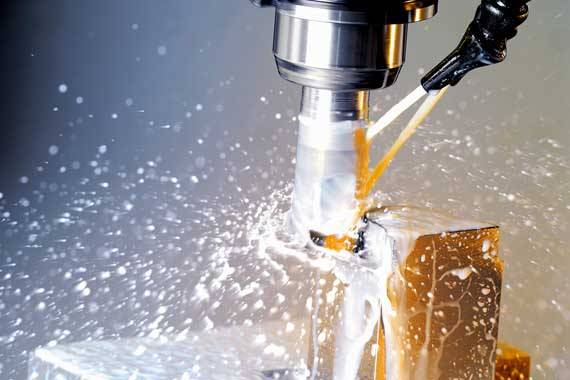
Use of TIPA in metal industries for metalworking fluids
TIPA is essential in metalworking fluids, where it acts as a corrosion inhibitor and emulsifier. It neutralizes acidic byproducts during machining, protecting metal surfaces from rust and extending tool life. TIPA’s emulsifying properties ensure stable oil-water mixtures, providing consistent lubrication and cooling in cutting and grinding fluids. It is also a building block for triazine-based corrosion inhibitors, as noted by Dow Inc. TIPA’s role in metalworking fluids supports high-precision operations in industries like automotive and aerospace.
Benefits in Metalworking Fluids:
- Prevents corrosion, extending tool and component life.
- Stabilizes emulsions, ensuring consistent fluid performance.
- Improves machining efficiency, reducing costs.
Key Applications:
- Cutting and grinding fluids.
- Lubricants and greases.
- Corrosion inhibitors for industrial processes.
- Metalworking fluids for automotive and aerospace industries.
Need a reliable supplier of TIPA for your needs? Get your FREE quotation today! Or contact us
Table 5: TIPA in Metalworking FluidsSafety and Environmental
|
Function |
Benefit |
|
Corrosion Inhibitor |
Protects metal surfaces, extends tool life |
|
Emulsifier |
Ensures stable fluid formulations |
|
Antioxidant |
Improves fluid longevity, reduces wear |
|
Industrial Efficiency |
Enhances machining performance |
Considerations
TIPA is considered low-toxicity under normal handling conditions but can cause irritation to eyes, skin, and respiratory systems upon exposure. Ingestion or prolonged contact may lead to severe effects like gastrointestinal irritation or skin burns. When heated, TIPA decomposes, releasing toxic fumes such as nitrogen oxides and hydrogen cyanide, necessitating proper handling and storage. It is harmful to aquatic organisms, requiring careful disposal to prevent environmental impact. Industry efforts are focused on developing sustainable TIPA formulations to align with regulatory and environmental standards.
Technical Specifications & Packaging
|
Parameter |
Typical Value |
|
Chemical Formula |
[CH3CH(OH)CH2]3N |
|
Molecular Weight |
191.27 g/mol |
|
Assay (TIPA 85%) |
85% minimum |
|
Water Content |
10–15% |
|
Specific Gravity (20/20°C) |
1.0–1.02 |
|
Freezing Point |
3–8°C (TIPA 85%), 5°C (TIPA LFG) |
|
pH (0.1N Aqueous Solution) |
9.5–11 |
|
Packaging |
MS/HMHDPE drums (220 kg) |
How Sourcing Works (Camachem’s Value Chain)

A Satisfied Customer of Camachem
Sourcing TIPA involves a streamlined process to ensure quality and reliability:
- Understanding Requirements: Identify specific TIPA grades (e.g., TIPA 85%, TIPA LFG) and application needs.
- Quotation and Offer: Suppliers like Camachem provide detailed quotes based on purity, quantity, and delivery requirements.
- Payment and Shipping: Secure payment terms and logistics ensure timely delivery, typically in MS/HMHDPE drums.
How Camachem Helps You Get Quality Chemicals from China
Camachem, a leading chemical supplier, facilitates TIPA sourcing by offering high-quality products from reliable manufacturers in China. Their expertise in supply chain management ensures competitive pricing, timely delivery, and compliance with international standards. For inquiries, visit Camachem’s TIPA page.
Looking to buy TIPA or other chemical for your manufacturing needs? Contact us for a FREE quotation. Need a faster reply? Message us on Whatsapp now!
Conclusion

Logo of CAMACHEM
Triisopropanolamine (TIPA) is a versatile chemical with significant applications in cement and concrete production, agriculture, coatings and paints, personal care and cosmetics, and metalworking fluids. Its ability to enhance efficiency, stability, and performance across these sectors makes it a vital component in modern industries. As demand for sustainable and high-performance solutions grows, TIPA’s role is expected to expand, supported by ongoing innovations in chemical manufacturing.
Need Triisopropanolamine (TIPA) in bulk? Camachem sources high-quality Triisopropanolamine (TIPA) directly from verified Chinese suppliers. From the factory to your destination, all taken care of.
WhatsApp Us For Free Consultation
How Sourcing Works (CAMACHEM’s Value Chain)

Camachem’s expert sourcing team ensures end-to-end chemical procurement— managing suppliers, managing quality control, and overseeing global delivery.
At Camachem, we’ve broken down our procurement process into short, easy-to-understand videos. Whether you're sourcing TIPA or any other industrial chemical, these quick clips show you exactly how we handle everything from chemical selection to shipping and after-sales service.
Step 1: Understanding Your Chemical Requirement
Step 2: Initial Offer and Quotation related chemicals you need
Step 3: Balance Payment & Shipping
How Camachem Helps You Get Quality Chemicals from China
✅ Do you spend too much time trying to find quality chemicals in China?
✅ Is it hard to explain your needs to Chinese suppliers?
✅ Do you need customized chemicals that regular suppliers can’t deliver?
✅ Do you want help getting the right chemicals, so you can focus on growing your business?
If your answer is YES, Reduce Your China Sourcing Headaches, WhatsApp Us (Faster) for a FREE Consultation
✅Camachem: Quality Chemicals. Every Single Time.✅

Bulk-packed, ready for shipment to customers in secure, sealed containers.
Frequently Asked Questions (FAQ)
1. What is Triisopropanolamine (TIPA)?
- TIPA is a tertiary alkanolamine with the chemical formula [CH3CH(OH)CH2]3N and a molecular weight of 191.27 g/mol. It is a colorless to pale yellow liquid with a slight ammonia-like odor, used as an emulsifier, stabilizer, neutralizer, and chemical intermediate across various industries.
2. What are the primary functions of TIPA?
- TIPA serves multiple roles, including:
- Emulsifier: Reduces surface tension to create stable oil-water mixtures in coatings, cosmetics, and metalworking fluids.
- Stabilizer: Prevents separation of ingredients in formulations like paints and agrochemicals.
- Neutralizer: Adjusts pH by neutralizing acidic components in herbicides, coatings, and cosmetics.
Chemical Intermediate: Acts as a building block in the synthesis of agrochemicals and corrosion inhibitors.
3. What are the top industrial uses of TIPA?
- TIPA is widely used in:
- Cement and concrete production (grinding aid and strength enhancer).
- Agriculture (neutralizing agent for herbicides and pesticides).
- Coatings and paints (emulsifier and stabilizer for water-based formulations).
- Personal care and cosmetics (pH control and emulsion stability).
- Metalworking fluids (corrosion inhibitor and emulsifier).
4. Is TIPA found in China?
- Yes, TIPA is manufactured and supplied by companies in China,available through global suppliers like Camachem.
5. What are the different grades of TIPA?
- TIPA is available in various grades, such as:
- TIPA 85%: Standard grade with 85% purity, commonly used in industrial applications.
- TIPA LFG (Low Freeze Grade): Formulated to remain liquid at lower temperatures (freezing point ~5°C), ideal for cold environments.
- Custom grades may vary based on specific industry requirements.
6. How is TIPA packaged and stored?
- TIPA is typically packaged in MS/HMHDPE drums (220 kg) to ensure safe transport and storage. It should be stored in a cool, dry, well-ventilated area away from heat sources, as it can decompose into toxic fumes (e.g., nitrogen oxides, hydrogen cyanide) when heated.
7. What are the safety precautions for handling TIPA?
- Use protective gloves, goggles, and respiratory equipment to avoid irritation. Ensure proper ventilation during handling. Avoid ingestion, inhalation, or prolonged skin contact. Follow local regulations for disposal to prevent environmental harm.
8. How is TIPA quality tested?
- TIPA quality is tested for:
- Purity: Typically 85% or higher for industrial grades.
- Water Content: 10–15% for standard TIPA.
- pH: 9.5–11 in aqueous solutions.
- Specific Gravity: 1.0–1.02 at 20°C.
- Tests are conducted using methods like titration and chromatography to ensure compliance with specifications.
-
What is the Difference Between Caustic Soda Pearls and Caustic Soda Flakes? (2026 Update)
June 8, 2026
-
Top 10 Caustic Soda Suppliers in Australia [2026]
 June 8, 2026
 -
Frequently Asked Question about Phosphoric Acid
June 8, 2026
-
Zinc Chloride: 5 Hazards and Safety Measures You Need To Know
June 4, 2026
-
10 Things I Need To Know About Zinc Chloride (2026 Update)
June 4, 2026