
 English
 French
 Indonesia
 Portuguese
 Russian
 Spanish
 Vietnamese
 +86-157-2476-6919
Top 10 Chemicals Used in Steel Industry

The steel industry is crucial for global infrastructure, contributing to the construction of buildings, bridges, and vehicles. To produce high-quality steel efficiently and safely, various chemicals are used throughout the manufacturing process. These chemicals play vital roles in refining, treating, and coating steel to enhance its properties and performance.
Top 10 Chemicals Used in Steel Industry
| 1 | Limestone (Calcium Oxide) |
| 2 | Coke |
| 3 | Sodium Carbonate (Soda Ash) |
| 4 | Fluorspar |
| 5 | Ferroalloys |
| 6 | Boric Acid |
| 7 | Zinc |
| 8 | Phosphoric Acid |
| 9 | Chromium |
| 10 | Molybdenum |
Here’s a detailed look at the top 10 chemicals used in the steel industry and their benefits and applications.
1. Limestone (Calcium Oxide)

Lime, also known as calcium oxide (CaO), is a white, caustic, alkaline substance derived from limestone. It plays a crucial role as a fluxing agent in steel manufacturing. Lime's ability to bind with unwanted elements ensures the production of high-quality steel, free from contaminants that can compromise its strength and durability.
Benefits:
- Acts as a flux: Lime removes impurities from molten iron, such as sulfur, phosphorus, and silica.
- Slag formation: Lime helps in the formation of slag during steelmaking, which captures and removes impurities.
Applications:
- Blast Furnaces: Lime is added to the blast furnace to form slag, which captures and removes impurities.
- Basic Oxygen Furnaces: It helps in refining pig iron into steel by removing excess carbon and other impurities.
2. Coke

Coke is a carbon-rich solid derived from coal by high-temperature pyrolysis. It serves dual functions as both a fuel and a reducing agent in the blast furnace, which is essential for the production of molten iron.
Coke's role is pivotal in maintaining the high temperatures required for melting iron ore and ensuring the efficient reduction of iron, which is a fundamental step in steel production.
Benefits:
- Provides heat and carbon: Coke supplies the necessary heat and carbon for reducing iron ore in blast furnaces.
- Enhances efficiency: It improves the overall efficiency of the steel production process.
Applications:
- Primary fuel in blast furnaces: Coke burns to generate the high temperatures needed to melt iron ore.
- Chemical reduction of iron ore: It facilitates the reduction process to convert iron ore into metallic iron.
3. Sodium Carbonate (Soda Ash)
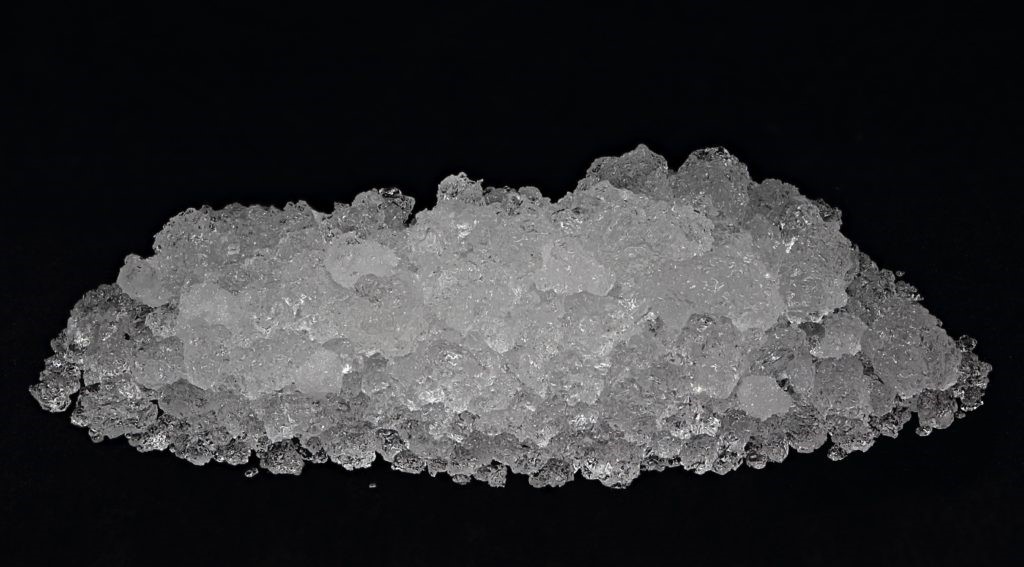
Sodium carbonate (Na2CO3), also known as soda ash, is a white, water-soluble salt. It is used to control pH levels and reduce sulfur content during steel production. Soda ash plays a vital role in maintaining the quality and purity of steel by aiding in the formation of slag and helping to eliminate impurities during the production process.
Benefits:
- Serves as a flux: Soda ash acts as a flux in the melting process.
- Reduces melting point: It lowers the melting point of silica, aiding in slag formation.
Applications:
- Production of glass and ceramics: Soda ash is used in these industries as well.
- Refining steel: It helps in the refining process of steel by removing impurities.
4. Fluorspar

Fluorspar is a mineral composed of calcium fluoride (CaF2). Fluorspar’s effectiveness in lowering the melting point and removing impurities makes it indispensable in the steel manufacturing process, ensuring the production of high-quality steel.
Benefits:
- Acts as a flux: Fluorspar lowers the melting point of raw materials.
- Removes impurities: It aids in the removal of impurities from molten steel.
Applications:
- Production of aluminum, cement, and glass: Fluorspar is utilized in these industries for its fluxing properties.
- Steelmaking: It is essential in steelmaking for its ability to facilitate the removal of impurities.
5. Ferroalloys

Ferroalloys are alloys of iron with a high proportion of one or more other elements such as manganese, silicon, or chromium. The use of ferroalloys is crucial in producing various types of steel with enhanced properties, making them suitable for a wide range of applications in different industries.
Benefits:
- Improves properties: Ferroalloys improve the mechanical and physical properties of steel.
- Enhances hardness and strength: They enhance the hardness, strength, and resistance to corrosion and wear.
Applications:
- Stainless and specialty steels: Ferroalloys are used in the production of these types of steels.
- Alloying processes: They are critical for alloying processes in steel manufacturing.
6. Boric Acid
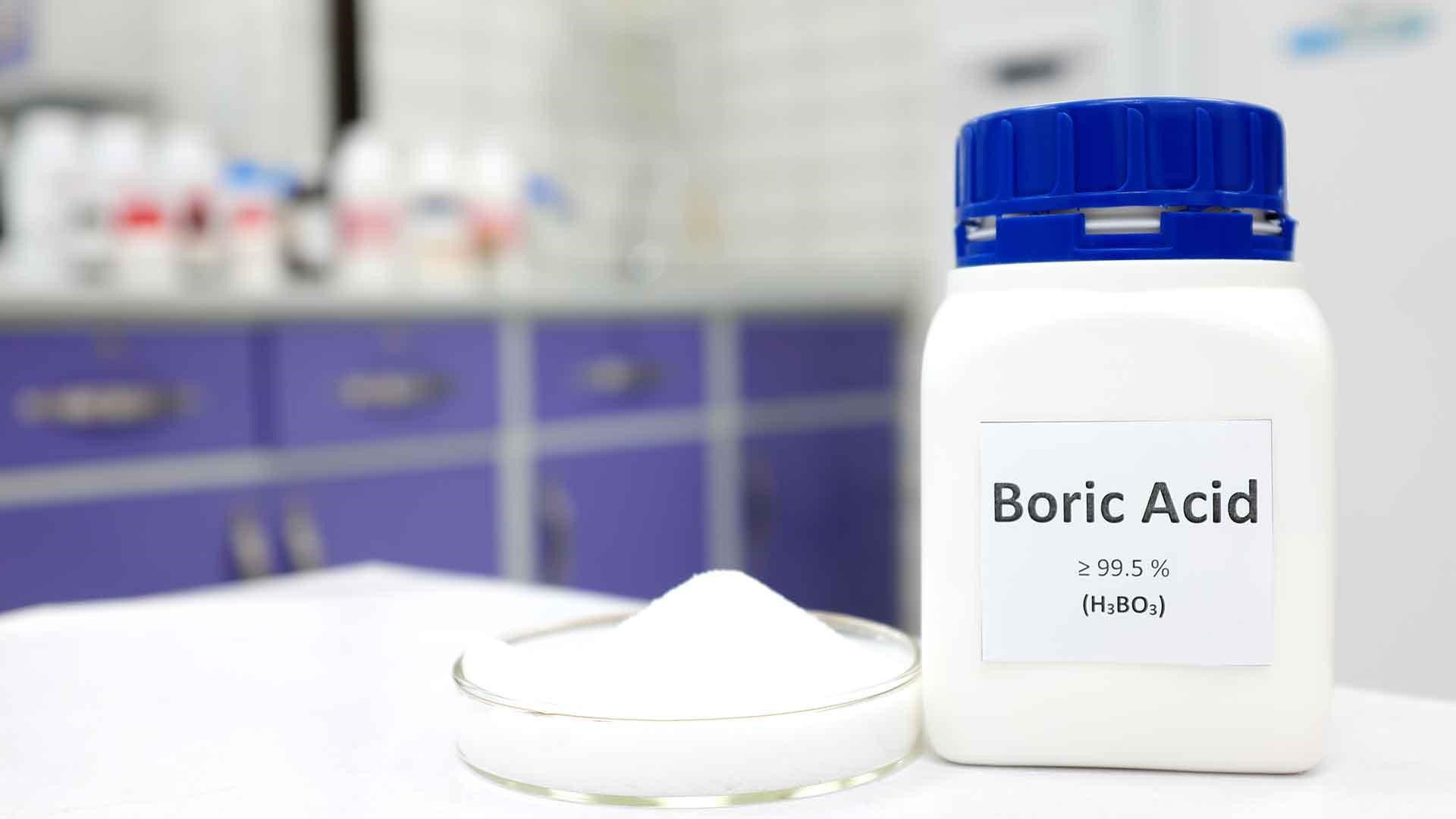
Boric acid is a weak acid of boron often used in industrial applications. Boric acid’s role in refining the grain structure and serving as a flux makes it valuable in the steel industry, contributing to the production of high-quality steel products.
Benefits:
- Serves as a flux: Boric acid serves as a flux in welding and brazing.
- Refined grain structure: It enhances the quality of the steel by refining the grain structure.
Applications:
- Heat-resistant borosilicate glass: Boric acid is used in the production of this type of glass.
- Metallurgy: It is essential in metallurgy for improving steel properties.
7. Zinc

Zinc is a chemical element commonly used for galvanizing steel. Zinc’s ability to prevent corrosion and extend the lifespan of steel structures makes it a crucial element in the steel industry, ensuring the durability and longevity of steel products.
Benefits:
- Prevents corrosion: Zinc protects steel from corrosion through galvanization.
- Extends lifespan: It extends the lifespan of steel structures by preventing rust.
Applications:
- Galvanization of steel products: Zinc is used in the galvanization of steel products such as beams and pipes.
- Corrosion-resistant steel: It is essential for producing corrosion-resistant steel.
8. Phosphoric Acid

Phosphoric acid is a mineral acid with the formula H3PO4. Phosphoric acid’s role in the pickling process and surface treatment ensures that steel surfaces are clean and properly prepared for further processing and coating.
Benefits:
- Pickling process: Phosphoric acid is used in the pickling process to clean and etch metal surfaces.
- Enhances adhesion: It enhances the adhesion of coatings and paints on steel surfaces.
Applications:
- Production of fertilizers and detergents: Phosphoric acid is utilized in these industries as well.
- Surface treatment: It is essential in the surface treatment and coating of steel products.
9. Chromium

Chromium is a chemical element that imparts hardness and corrosion resistance to steel. Chromium’s ability to enhance the properties of steel makes it invaluable in producing stainless steel and various alloys, which are used in a wide range of applications.
Benefits:
- Increases hardness: Chromium increases hardness, toughness, and resistance to oxidation.
- Essential for stainless steel: It is essential for the production of stainless steel.
Applications:
- Production of stainless steel and alloys: Chromium is used in the production of these materials.
- Durability: It is integral for enhancing the durability and lifespan of steel products.
10. Molybdenum
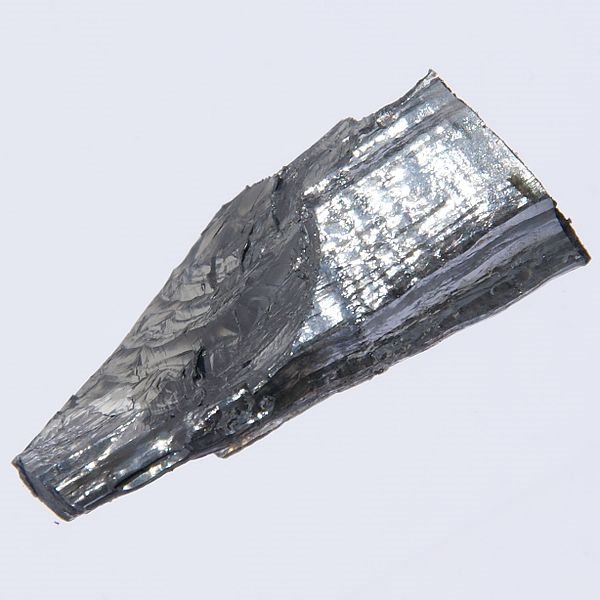
Molybdenum is a chemical element used to strengthen and harden steel. Molybdenum’s ability to improve the high-temperature performance and strength of steel makes it crucial for applications where these properties are required, ensuring the production of high-quality steel products.
Benefits:
- Enhances strength and toughness: Molybdenum enhances strength, toughness, and resistance to wear and corrosion.
- High-temperature performance: It improves the high-temperature performance of steel.
Applications:
- High-strength and stainless steels: Molybdenum is used in the production of these types of steels.
- High-temperature applications: It is essential in applications requiring high-temperature strength and stability.
Conclusion - Top 10 Chemicals Used in Steel Industry

The chemicals and compounds discussed above play vital roles in the steel industry, each contributing to the quality, efficiency, and performance of steel production. From removing impurities and preventing corrosion to enhancing strength and refining grain structure, these chemicals ensure that the steel produced meets the highest standards of quality and durability.
By understanding the specific benefits and applications of these chemicals, steel manufacturers can optimize their processes and produce superior steel products that meet the demands of various industries.
How can we help you with your chemical requirements?
✅ Are you a company of 11 - 50 people?
✅ Do you use more than 1000 tons of industrial chemicals per year?
✅ Do you spend too much time finding the right chemical manufacturers?
✅ Are you unsure each time whether you will get the right grade of chemical?
If your answer is YES, Reduce Your Chemical Sourcing Headaches, Contact Us Now for a FREE Consultation and Samples Offer
✅Camachem: Quality Chemicals. Every Single Time✅
-
Bulk SMBS for Sale: 5 Key Applications for Australian Factories
 January 7, 2026
 -
Top 5 Xanthates Every Australian Mining Operation Should Source in Bulk
 January 6, 2026
 -
Top 7 Industrial Chemicals You Can Import from China to Australia in Bulk
 January 5, 2026
 -
5 Mining Reagents You Should Source in Bulk for Australian Operations
 December 31, 2025
 -
6 Chemicals Australian Water Treatment Plants Must Stock in Bulk
 December 30, 2025