

 Arabic
 French
 Indonesia
 Portuguese
 Russian
 Spanish
 Vietnamese
 +86-157-2476-6919
Top 10 Chemicals Used in Fertilizers

Fertilizers play a critical role in modern agriculture, enhancing soil fertility and promoting plant growth. They contain essential nutrients that are vital for plant development and crop yield.
Here’s a detailed look at the top 10 chemicals used in fertilizers and their applications.
Top 10 Chemicals Used in Fertilizers
- Ammonium Nitrate (NH₄NO₃)
- Urea (CO(NH₂)₂)
- Diammonium Phosphate (DAP) ((NH₄)₂HPO₄)
- Monoammonium Phosphate (MAP) (NH₄H₂PO₄)
- Potassium Chloride (KCl)
- Potassium Sulfate (K₂SO₄)
- Ammonium Sulfate ((NH₄)₂SO₄)
- Calcium Nitrate (Ca(NO₃)₂)
- Magnesium Sulfate (MgSO₄)
- Zinc Sulfate Monohydrate (ZnSO₄)
1. Ammonium Nitrate (NH₄NO₃)
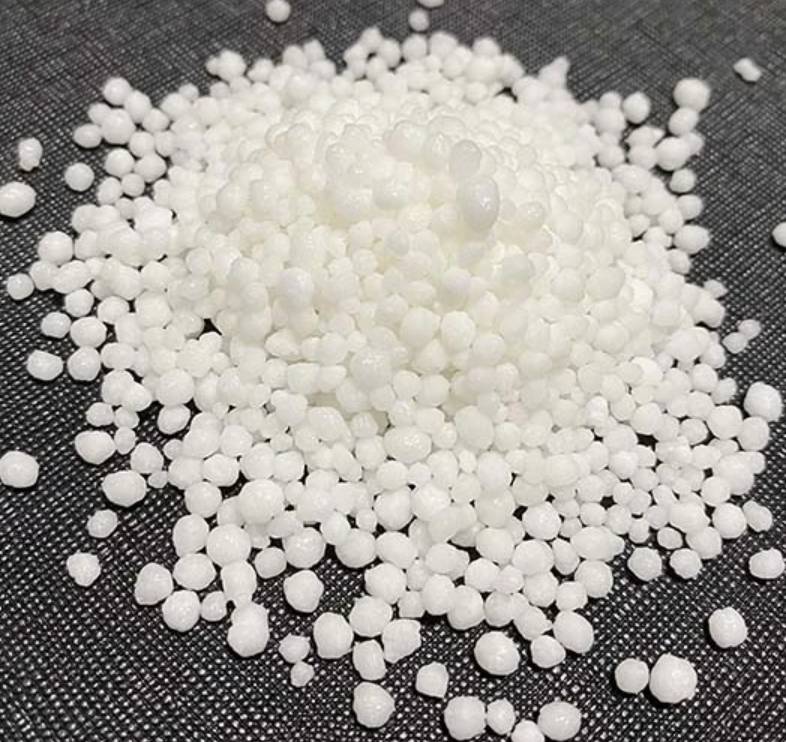
Applications: Nitrogen source
Description: Ammonium nitrate is a widely used nitrogen fertilizer that provides a readily available form of nitrogen to plants. It is highly soluble in water, making it effective for quick absorption by plants. This chemical is particularly effective in stimulating rapid vegetative growth, making it ideal for crops that require a quick boost in nitrogen.
Benefits:
- Quick Release: Provides an immediate nitrogen supply to plants, ensuring they receive the nutrients they need right away.
- High Efficiency: Promotes rapid vegetative growth, which is crucial during the early stages of plant development.
- Versatility: Can be used in various soil types and climates, making it suitable for a wide range of agricultural practices.
2. Urea (CO(NH₂)₂)

Applications: Nitrogen source
Description: Urea is the most commonly used nitrogen fertilizer worldwide. It contains a high percentage of nitrogen and is easily converted to ammonia in the soil, making it readily available to plants. Urea's high nitrogen content and cost-effectiveness make it a staple in modern agriculture.
Benefits:
- High Nitrogen Content: Provides 46% nitrogen by weight, the highest among common nitrogen fertilizers.
- Cost-effective: Economical source of nitrogen, making it affordable for large-scale farming operations.
- Flexibility: Suitable for a wide range of crops and soil conditions, enhancing its utility across different agricultural environments.
- Slow Release: Urea releases nitrogen gradually, reducing the risk of leaching and improving long-term soil fertility.
3. Diammonium Phosphate (DAP) ((NH₄)₂HPO₄)
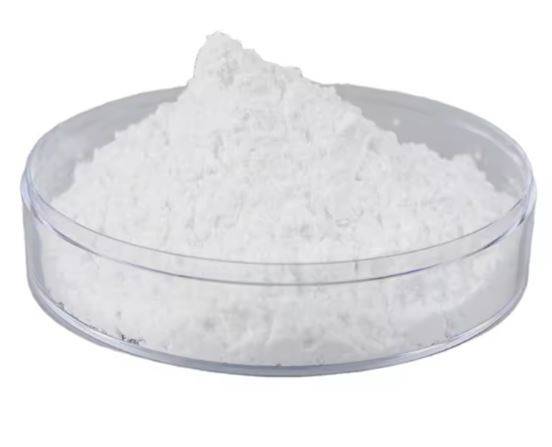
Applications: Nitrogen and phosphorus source
Description: DAP is a popular fertilizer that supplies both nitrogen and phosphorus, essential nutrients for plant growth. It is highly soluble and rapidly dissolves in soil moisture, making nutrients readily available to plants. DAP is particularly effective in promoting root development and early plant growth.
Benefits:
- Balanced Nutrient Supply: Provides both nitrogen and phosphorus, crucial for various plant functions.
- Improves Root Development: Enhances early root growth, leading to stronger and healthier plants.
- Promotes Flowering and Fruiting: Supports overall plant development, leading to higher yields.
- Versatility: Can be used for a wide variety of crops, making it a versatile addition to any fertilizer program.
4. Monoammonium Phosphate (MAP) (NH₄H₂PO₄)
Applications: Phosphorus and nitrogen source
Description: MAP is a widely used phosphorus fertilizer that also supplies nitrogen. It is effective in acidic soils and provides a concentrated source of nutrients. MAP is particularly valuable in promoting vigorous root growth and enhancing the plant's ability to absorb other essential nutrients.
Benefits:
- High Phosphorus Content: Promotes robust root and flower development, essential for plant health and productivity.
- Efficient Uptake: Readily available to plants, ensuring quick absorption of nutrients.
- Acidifying Effect: Suitable for alkaline soils, helping to balance soil pH.
- Enhanced Nutrient Absorption: Improves the plant's ability to absorb other essential nutrients, leading to better overall growth.
5. Potassium Chloride (KCl)

Applications: Potassium source
Description: Potassium chloride, also known as muriate of potash, is the most commonly used potassium fertilizer. It is highly soluble and provides essential potassium for plant health. Potassium chloride is particularly important for improving plant resistance to diseases and environmental stresses.
Benefits:
- Improves Disease Resistance: Enhances plant immunity, making them more resistant to diseases.
- Increases Drought Tolerance: Helps plants manage water stress by regulating water uptake and retention.
- Enhances Fruit Quality: Improves the size, color, and taste of fruits, making them more appealing in the market.
- Promotes Strong Stems: Strengthens plant stems, reducing the likelihood of lodging.
6. Potassium Sulfate (K₂SO₄)
Applications: Potassium and sulfur source
Description: Potassium sulfate is a valuable fertilizer that provides both potassium and sulfur. It is preferred for crops sensitive to chloride and is beneficial for high-value crops such as fruits and vegetables.
Benefits:
- Chloride-free: Safe for chloride-sensitive crops, preventing potential toxicity.
- Improves Crop Quality: Enhances the flavor, color, and nutritional value of fruits and vegetables.
- Supports Sulfur Needs: Provides essential sulfur, which is important for protein synthesis and enzyme function.
- Boosts Stress Tolerance: Increases the plant's tolerance to abiotic stresses, such as drought and salinity.
7. Ammonium Sulfate ((NH₄)₂SO₄)
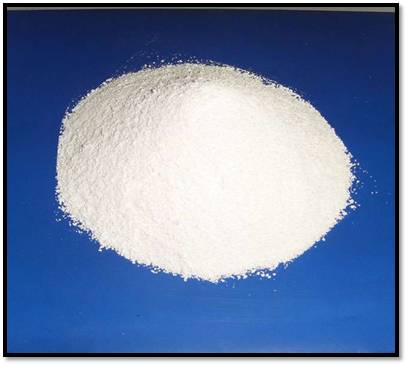
Applications: Nitrogen and sulfur source
Description: Ammonium sulfate is a widely used fertilizer that supplies both nitrogen and sulfur. It is effective in alkaline soils and helps lower soil pH. This dual-purpose fertilizer is particularly beneficial for crops that require high levels of sulfur.
Benefits:
- Sulfur Source: Provides essential sulfur for protein synthesis and chlorophyll formation.
- Soil Acidification: Helps in lowering soil pH, making nutrients more available to plants.
- Stable and Long-lasting: Acts as a slow-release nitrogen source, providing sustained nutrient availability.
- Improves Nutrient Uptake: Enhances the plant's ability to absorb other essential nutrients, promoting overall growth.
8. Calcium Nitrate (Ca(NO₃)₂)
Applications: Calcium and nitrogen source
Description: Calcium nitrate is a highly soluble fertilizer that supplies both calcium and nitrogen. It is beneficial for crops that require high levels of calcium, such as tomatoes and peppers.
Benefits:
- Prevents Blossom End Rot: Essential for fruit-bearing plants, preventing common deficiencies.
- Improves Cell Wall Strength: Enhances plant structure and stability, leading to stronger and healthier plants.
- Quick Absorption: Readily available to plants, ensuring immediate nutrient uptake.
- Enhances Fruit Quality: Improves the firmness and shelf-life of fruits, making them more marketable.
9. Magnesium Sulfate (MgSO₄)
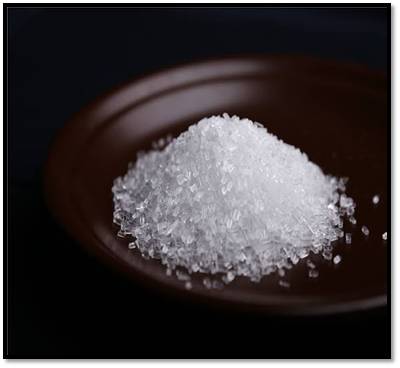
Applications: Magnesium and sulfur source
Description: Magnesium sulfate, commonly known as Epsom salt, provides essential magnesium and sulfur to plants. It is used to correct magnesium deficiencies in soil, which can lead to poor plant growth and development.
Benefits:
- Chlorophyll Production: Essential for photosynthesis, as magnesium is a core component of chlorophyll.
- Improves Nutrient Uptake: Enhances the uptake of other nutrients, leading to better overall plant health.
- Soil Amendment: Corrects magnesium-deficient soils, improving soil fertility.
- Boosts Enzyme Function: Supports various enzymatic processes within the plant, promoting growth and development.
10. Zinc Sulfate Monohydrate (ZnSO₄)
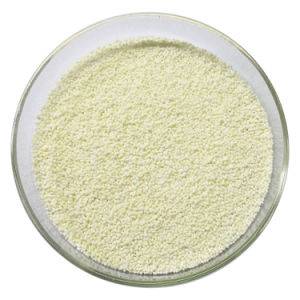
Applications: Zinc source
Description: Zinc sulfate is a commonly used fertilizer to correct zinc deficiencies in soil. Zinc is essential for various plant functions, including enzyme activity and protein synthesis.
Benefits:
- Enzyme Activation: Essential for enzyme systems in plants, which are involved in key metabolic processes.
- Promotes Growth: Supports stem elongation and leaf expansion, leading to healthier plants.
- Improves Yield: Enhances overall crop productivity by ensuring adequate zinc levels.
- Boosts Plant Immunity: Strengthens the plant's defense mechanisms against diseases and environmental stresses.
Conclusion - Top 10 Chemicals in Fertilizers

These chemicals are integral to modern agricultural practices, providing essential nutrients that improve soil fertility and promote healthy plant growth. They play crucial roles in enhancing crop yield, quality, and resilience, contributing to sustainable agricultural productivity. As agricultural practices continue to evolve, the importance of these chemicals in ensuring food security and environmental sustainability remains paramount.
By understanding and utilizing these top 10 chemicals effectively, farmers can optimize their crop production and support the growing global demand for food.
How can we help you with your chemical requirements?
✅ Are you a company of 11 - 50 people?
✅ Do you use more than 1000 tons of industrial chemicals per year?
✅ Do you spend too much time finding the right chemical manufacturers?
✅ Are you unsure each time whether you will get the right grade of chemical?
If your answer is YES, Reduce Your Chemical Sourcing Headaches, Contact Us Now for a FREE Consultation and Samples Offer
✅Camachem: Quality Chemicals. Every Single Time✅
-
What is the Difference Between Caustic Soda Pearls and Caustic Soda Flakes? (2026 Update)
June 8, 2026
-
Top 10 Caustic Soda Suppliers in Australia [2026]
 June 8, 2026
 -
Frequently Asked Question about Phosphoric Acid
June 8, 2026
-
Zinc Chloride: 5 Hazards and Safety Measures You Need To Know
June 4, 2026
-
10 Things I Need To Know About Zinc Chloride (2026 Update)
June 4, 2026