

 Arabic
 French
 Indonesia
 Portuguese
 Russian
 Spanish
 Vietnamese
 +86-157-2476-6919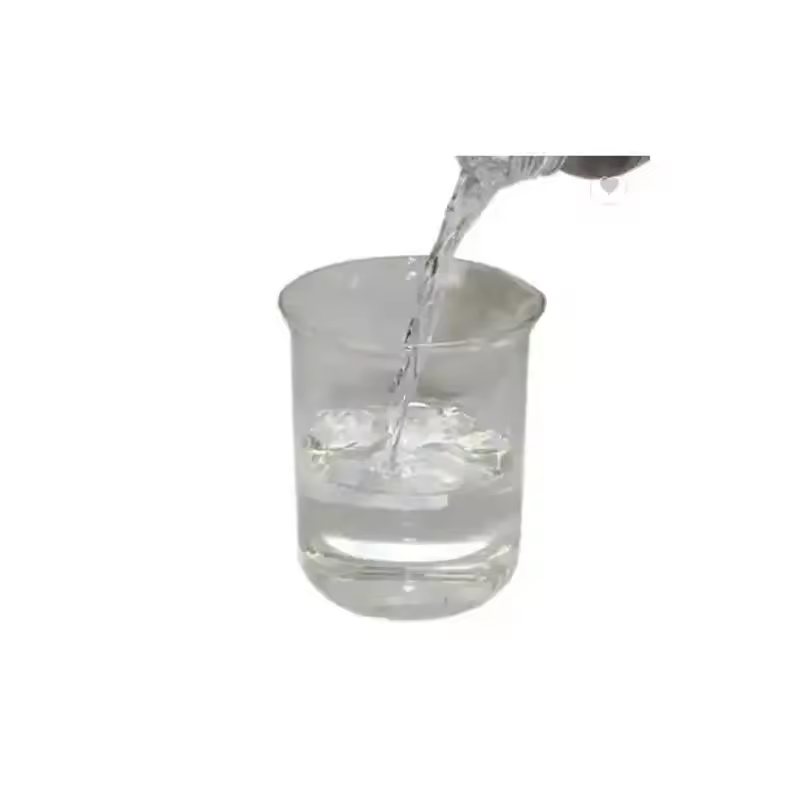
Di (2-ethylhexyl) Adipate
Other Trading Names:
- DOA
CAS Number: 103-23-1
HS Code: 29171990
Types of Packaging:
- 200KG/Drum
- 1000kg/drum
- 1000 kg Flexitanks
Inquiry
 $100.00
$100.00
Availability:
In stock
SKU
Di (2-ethylhexyl) Adipate
|
Appearance |
Colorless transparent oily liquid |
|
Content(GC) |
99.5% (min) |
|
Acid Value (max ) |
0.1 (mg KOH/g) |
|
Color(APHA) (max) |
30 |
|
Moisture (max) |
0.1% |
|
Density |
0.924-0.929 (20℃ g/mL) |
|
Flash Point (min) |
190 ℃ |
Chemical Description:
- Di(2-ethylhexyl) adipate, commonly known as DOA, is an organic compound classified as a dialkyl ester.
- The chemical formula for Di(2-ethylhexyl) adipate is C22H42O4, indicating it contains 22 carbon atoms, 42 hydrogen atoms, and 4 oxygen atoms.
- DOA is formed by the esterification of adipic acid with 2-ethylhexanol, resulting in a molecule with a backbone derived from adipic acid and two ester functional groups.
- The structure of DOA includes two long alkyl chains attached to the adipic acid moiety, which confer hydrophobic properties to the molecule.
- This compound appears as a clear, colorless to slightly yellow liquid, with a mild odor characteristic of esters.
- DOA has a molecular weight of approximately 370.57 g/mol, contributing to its relatively high boiling point.
- The boiling point of Di(2-ethylhexyl) adipate is about 214 °C (417.2 °F) at 15 mmHg pressure, indicating its stability under high-temperature conditions.
- The melting point ofDOA ranges from -67 °C to -60 °C, reflecting its liquid state at typical ambient temperatures.
- Di(2-ethylhexyl) adipate exhibits low water solubility, with a solubility of less than 0.1 g/100 mL, but it is soluble in most organic solvents such as alcohols, ethers, and hydrocarbons.
- This compound is widely used as a plasticizer, particularly in the production of flexible polyvinyl chloride (PVC) products, enhancing the flexibility, durability, and workability of the plastic.
- DOA is employed in the manufacturing of various consumer goods, including food packaging materials, cling films, and toys, due to its ability to impart pliability without compromising structural integrity.
- It is also used in the formulation of adhesives, sealants, coatings, and inks, contributing to the flexibility and spreadability of these products.
- The compound's low volatility and resistance to leaching make it suitable for use in applications where prolonged contact with other materials or substances occurs.
- In the realm of cosmetics and personal care products,DOA serves as a solvent and emollient, aiding in the delivery and smooth application of active ingredients.
- Di(2-ethylhexyl) adipate is also utilized in the agricultural industry as a component in the formulation of pesticides and herbicides, enhancing their effectiveness and application properties.
- While DOA is considered relatively safe, it is subject to regulatory scrutiny to ensure it does not pose significant risks to human health or the environment.
- Various studies have been conducted to assess the toxicity and environmental impact of DOA, generally indicating low acute toxicity and minimal environmental persistence.
- The biodegradation of Di(2-ethylhexyl) adipate in the environment is facilitated by microbial action, leading to its breakdown into simpler compounds.
- Despite its widespread use, monitoring and control measures are in place to manage any potential risks associated withDOA exposure, particularly in occupational settings.
Write Your Own Review
X