
 Arabic
 English
 French
 Portuguese
 Russian
 Spanish
 Vietnamese
 +86-157-2476-6919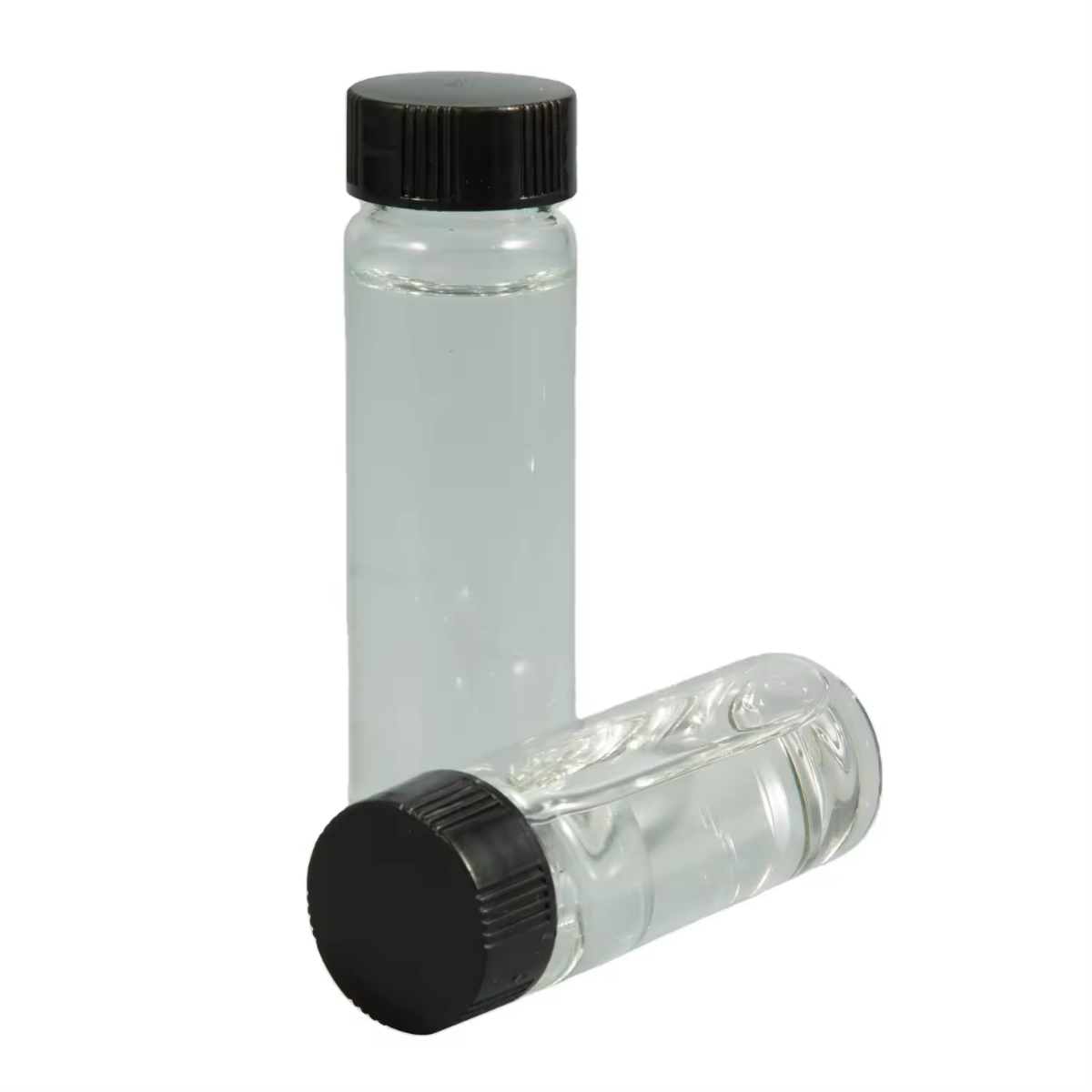
Dicyclopentadiene
Other Trading Names:
- 1,3-Dicyclopentadiene
- Bicyclopentadiene
CAS Number: 77-73-6
HS Code: 2902199090
Types of Packaging:
- 200kg/Drum
Inquiry
 US$100,00
US$100,00
Availability:
In stock
SKU
Dicyclopentadiene
|
Appearance |
Colorless transparent liquid or white crystals |
|
Purity (GC) |
≥99.0% |
|
Color (Pt-Co) |
≤20 |
|
Density |
970-985 kg/m3 |
|
Water |
≤0.05% |
|
Boiling point |
170 °C (338 °F; 443 K) |
|
Melting point |
32.5 °C (90.5 °F; 305.6 K) |
Chemical Description:
- Dicyclopentadiene is a chemical compound with the molecular formula C10H12.
- It is a colorless, crystalline solid with a camphor-like odor.
- This compound is classified as a diene, meaning it has two double bonds.
- It is a dimer of cyclopentadiene, formed through a Diels-Alder reaction.
- Dicyclopentadiene is commonly abbreviated as DCPD.
- The chemical structure consists of two fused cyclopentadiene rings.
- It has a melting point of 32°C (90°F) and a boiling point of 170°C (338°F).
- Dicyclopentadiene is known for its high reactivity due to the presence of double bonds.
- It is often used as a monomer in the production of various polymers.
- One of its primary applications is in the manufacturing of unsaturated polyester resins.
- Dicyclopentadiene is also used to produce hydrocarbon resins.
- It serves as a precursor in the synthesis of pesticides, flame retardants, and other chemicals.
- In the presence of heat, Dicyclopentadiene can depolymerize back into cyclopentadiene.
- It is insoluble in water but soluble in organic solvents like benzene, toluene, and chloroform.
- The compound can undergo further polymerization reactions to form high-performance materials.
- It is frequently used in the production of specialty chemicals due to its versatile reactivity.
- Handling Dicyclopentadiene requires caution due to its flammable nature.
- It should be stored in a cool, well-ventilated area away from sources of ignition.
- Exposure to Dicyclopentadiene can cause irritation to the skin, eyes, and respiratory system.
- Personal protective equipment such as gloves and goggles is recommended when handling it.
- Dicyclopentadiene is also employed in the production of ethylene-propylene-diene monomer (EPDM) rubber.
- The compound plays a crucial role in the synthesis of insecticides and fungicides.
- It can act as a cross-linking agent in various polymerization processes.
- Dicyclopentadiene is involved in the production of adhesives and sealants.
- It contributes to the creation of coatings and varnishes due to its chemical properties.
- The compound's unique structure makes it useful in creating copolymers.
- It is also used in the automotive industry for the production of lightweight, high-strength components.
- Research continues into expanding the applications of Dicyclopentadiene in advanced materials.
- Proper disposal of Dicyclopentadiene is necessary to prevent environmental contamination.
- It is subject to regulations governing the handling and transportation of hazardous chemicals.
- Advances in catalysis have improved the efficiency of Dicyclopentadiene polymerization.
- The compound is a critical raw material in the chemical industry's supply chain.
- Innovations in Dicyclopentadiene derivatives are expanding its utility in various fields.
Write Your Own Review
X