
 Arabic
 English
 French
 Portuguese
 Russian
 Spanish
 Vietnamese
 +86-157-2476-6919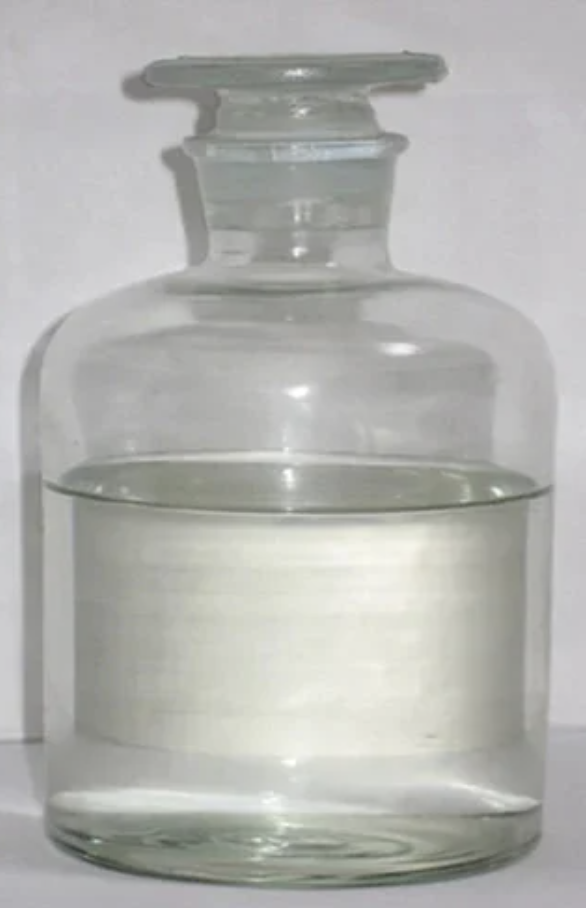
N-Propanol
Other Trading Names:
- Propanol
- Propan-1-Ol
- Propyl Alcohol
CAS Number: 71-23-8
HS Code: 29051210
Types of Packaging:
- 800Kg/ Drum
Inquiry
 US$100,00
US$100,00
Availability:
In stock
SKU
N-Propanol
|
Item |
Specifications |
|
Purity % ≥ |
99.5min |
|
Pt-Co(APHA)Color ≤ |
10 |
|
Acidity measured by acetic acid mg/L ≤ |
0.003 |
|
Moisture (%) ≤ |
0.05 |
Chemical Description
- 1-propanol is the compound with the hydrogen atom in the propane molecules being replaced by hydroxyl group.
- Because the hydroxyl group can substitute the hydrogen atoms contained in the carbons in the two terminals of carbon chain or middle carbon, thus generating two isomers, n-propyl alcohol and isopropyl alcohol.
The chemical property of the 1-propanol is similar to that of ethanol. It is the byproduct during the process of the methanol synthesis from carbon monoxide and hydrogen. - At room temperature and normal pressure, it appears as colorless transparent liquid with a fragrance odor. In industry, it is prepared through the reaction between ethylene, carbon monoxide and hydrogen under high pressure and cobalt catalysis; alternatively through the hydration of propylene under the action of sulfate or through the catalytic hydrogenation of acetone.
- It is commonly used as a solvent with an irritating effect on the eyes and mucosa. Inhalation of propyl alcohol steam can lead to dizziness, headache and vomiting, etc.
- 1-Propanol is a clear, colorless liquid with an alcoholic odor and a characteristic ripe, fruity flavor. It is soluble in water and miscible with organic solvents (Propanols).
- It has better dissolution properties than ethanol for fats and oils, and dissolves polar resins in the same way as ethanol.
- Cellulose nitrate and poly(vinyl acetate) are, however, almost insoluble. For economic reasons propanol is of only limited use as a solvent, and is a starting material for esters.
- Colorless liquid with a mild, alcohol-like odor. Experimentally determined detection and recognition odor threshold concentrations were <75 μg/m3 (<31 PPB) and 200 μg/m3 (81 PPB), respectively (Hellman and Small, 1974). An odor threshold concentration of 100 PPBwas reported by Nagata and Takeuchi (1990).
- A colorless liquid made by oxidation of aliphatic hydrocarbons that is used as a solvent and chemical intermediate.
- 1-Propanol is used in making n-propyl acetate; and as a solvent for waxes, resins, vegetable oils, and flexographic printing ink. It is produced from the fermentation and spoilage of vegetable matter.
Write Your Own Review
X