
 Arabic
 English
 French
 Portuguese
 Russian
 Spanish
 Vietnamese
 +86-157-2476-6919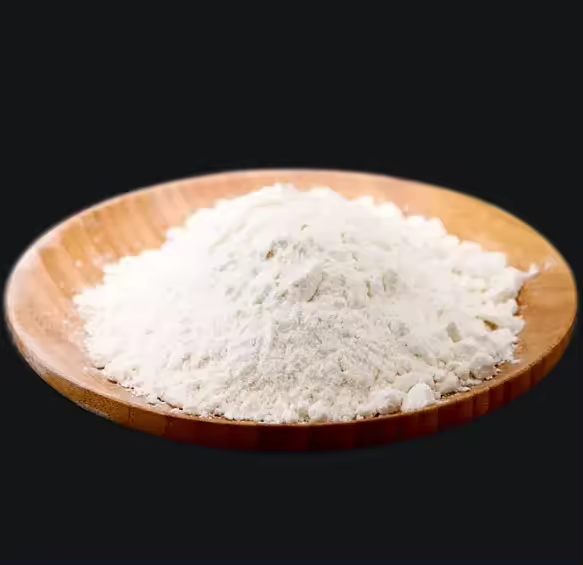
Nicotinamide
Other Trading Names:
- Nicotinamide
CAS Number: 98-92-0
HS Code: 29362920
Types of Packaging:
- 25kg/bag
Inquiry
 US$100,00
US$100,00
Availability:
In stock
SKU
Nicotinamide
|
Appearance |
White or almost white crystalline powder |
|
Purity |
99% |
|
Chloride |
≤ 0.02 % |
|
Loss on drying |
≤0.5% |
|
Residue on ignition |
≤0.1% |
|
Lead (Pb) |
≤20 mg/kg |
|
Arsenic (As) |
≤2 mg/kg |
|
Assay |
99.5-101.0 % |
Chemical Description
- Nicotinamide, also known as niacinamide, is a form of vitamin B3, an essential nutrient for human health.
- It has the chemical formula C6H6N2O and a molecular weight of 122.12 g/mol.
- The structure of nicotinamide includes a pyridine ring, a six-membered aromatic ring with nitrogen, and a carboxamide group (CONH2) attached to the carbon atom at the 3-position of the ring.
- Nicotinamide is a white, crystalline powder that is soluble in water and ethanol but sparingly soluble in ether and chloroform.
- It is commonly found in foods such as meat, fish, nuts, and green vegetables, and it is also available as a dietary supplement.
- In the body, nicotinamide is converted into nicotinamide adenine dinucleotide (NAD+) and nicotinamide adenine dinucleotide phosphate (NADP+), coenzymes essential for numerous metabolic processes.
- NAD+ and NADP+ are involved in redox reactions, transferring electrons from one molecule to another, which is crucial for energy production and cellular respiration.
- Nicotinamide has been shown to exhibit anti-inflammatory properties, making it beneficial for skin conditions such as acne and rosacea.
- It also plays a role in DNA repair and cell signaling, contributing to the maintenance of genomic stability and regulation of various cellular functions.
- Nicotinamide is used in skincare products due to its ability to improve the epidermal barrier, enhance skin hydration, and reduce the appearance of fine lines and wrinkles.
- It is also utilized in the treatment of pellagra, a condition caused by niacin deficiency, which is characterized by dermatitis, diarrhea, and dementia.
- Nicotinamide has been investigated for its potential neuroprotective effects, particularly in neurodegenerative diseases such as Alzheimer's and Parkinson's disease.
- It can be synthesized through the hydrolysis of nicotinonitrile or by the ammonolysis of 3-cyanopyridine, processes commonly used in industrial production.
- Nicotinamide is generally well-tolerated, but high doses can cause side effects such as nausea, headache, and fatigue.
- Research is ongoing to explore additional therapeutic applications of nicotinamide, including its role in cancer prevention and treatment.
- Its stability and non-toxicity make nicotinamide a versatile and valuable compound in both nutritional and pharmaceutical contexts.
Write Your Own Review
X